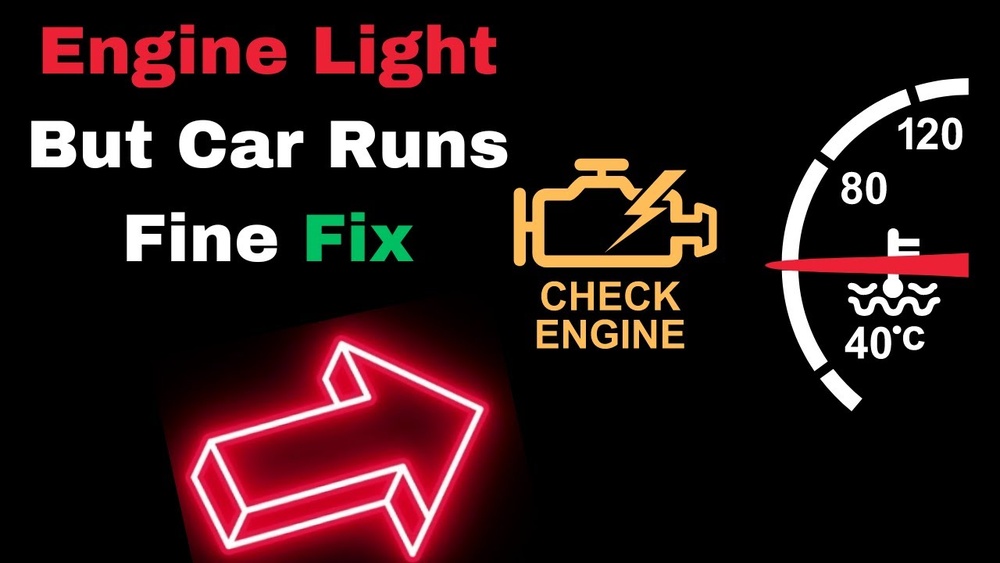
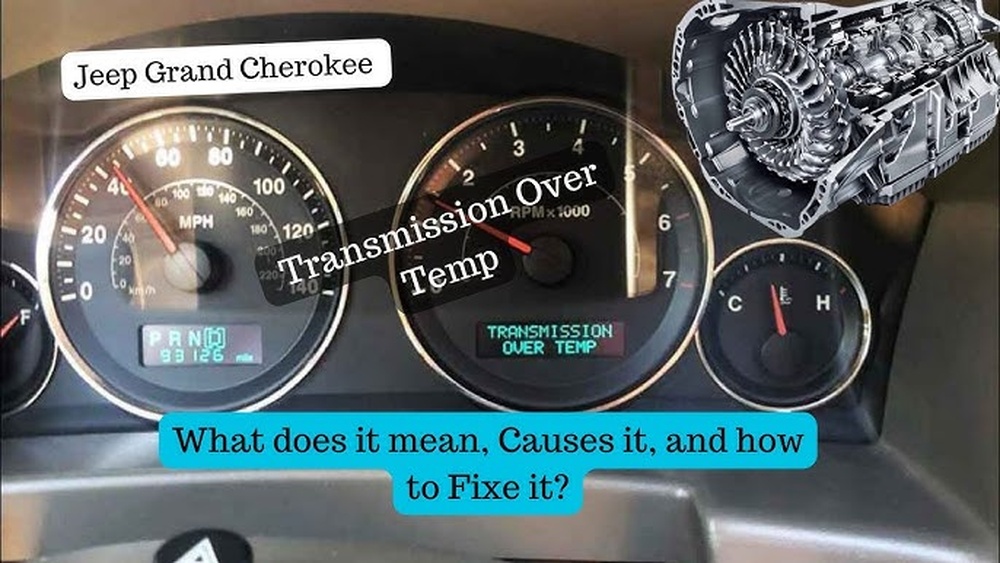
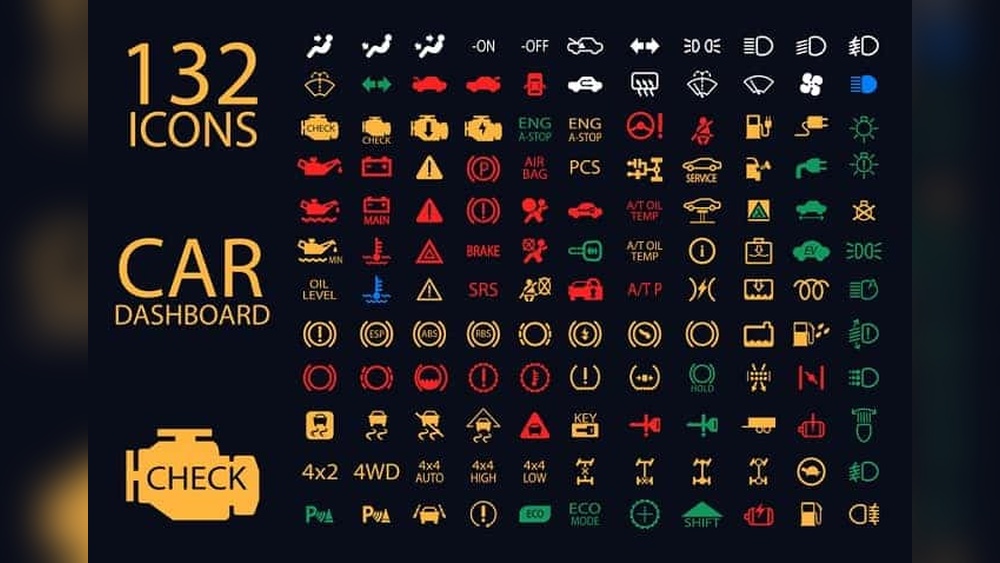
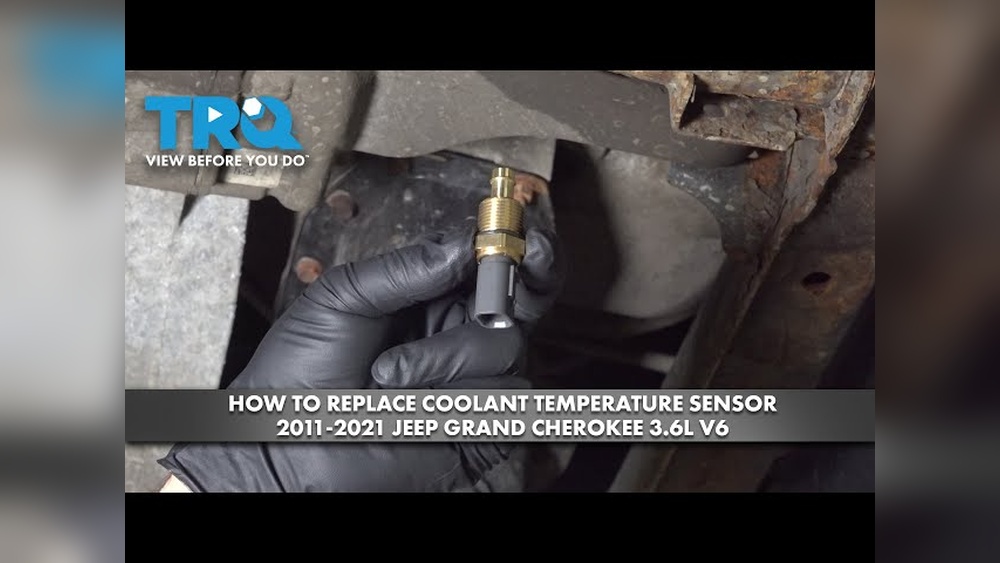
Is your Jeep Grand Cherokee’s check engine light suddenly glowing on your dashboard? That little warning can be frustrating and even a bit alarming.
But before you panic or rush to the mechanic, you should know that sometimes resetting the check engine light is a simple fix you can handle yourself. In this guide, you’ll learn easy and effective ways to reset the check engine light on your Jeep Grand Cherokee.
Whether you want to use a high-tech scanner or just disconnect the battery safely, we’ll walk you through the steps clearly. Keep reading—you’ll be back on the road with confidence in no time.

Use An Obd-ii Scanner
Using an OBD-II scanner is a simple and effective way to reset the check engine light on your Jeep Grand Cherokee. This tool reads the error codes stored in your vehicle’s computer. It helps identify the exact issue before clearing the codes. This method ensures the problem is fixed and the light will not come back on unexpectedly.
Locate The Obd-ii Port
The OBD-II port is usually found under the dashboard on the driver’s side. Look near the steering column or below the dash panel. It is a small, rectangular connector. Make sure your vehicle is off before you start.
Connect The Scanner
Plug the scanner into the OBD-II port firmly. Turn your Jeep’s ignition to the “ON” position. Do not start the engine. The scanner will power up and start communicating with your vehicle’s system.
Read And Clear Codes
Follow the scanner’s on-screen instructions to read the trouble codes. These codes tell you what caused the check engine light to turn on. After noting the codes, select the “Erase” or “Clear Codes” option. This will reset the check engine light. If the problem is fixed, the light will stay off.
Disconnect The Battery
Disconnecting the battery is a simple way to reset the check engine light on your Jeep Grand Cherokee. This process cuts power to the vehicle’s computer, clearing error codes stored in the system. Follow these clear steps to safely disconnect the battery and reset the light.
Find The Negative Terminal
Open the hood of your Jeep and locate the battery. Look for the terminal marked with a minus sign (-) or a black cover. This is the negative terminal. Identifying it correctly is important to avoid damage.
Loosen The Negative Cable
Use a wrench to loosen the nut on the negative terminal cable. Turn the wrench counterclockwise until the cable can be lifted off the battery post. Do not remove the positive terminal, which has a plus sign (+) or a red cover.
Wait Before Reconnecting
After disconnecting, wait at least 15 minutes before reconnecting the negative cable. This pause allows the vehicle’s computer to reset fully. Then, tighten the cable back onto the negative terminal securely.
Reset Through Vehicle Settings
Resetting the check engine light through your Jeep Grand Cherokee’s vehicle settings offers a quick and tool-free solution. This method uses the built-in menu system on the dashboard. It is ideal for clearing minor alerts after routine maintenance.
Accessing the reset option is straightforward. The process involves navigating through the dashboard menus to find the correct service setting. This guide breaks down each step to help you reset the light effectively.
Start by turning your Jeep’s ignition to the “ON” position without starting the engine. Use the buttons on the steering wheel or dashboard to open the main menu. Look for the settings or vehicle information section to proceed.
Within the dashboard menu, scroll to find the service or maintenance settings. This section contains options related to oil changes, tire pressure, and system warnings. Selecting this area will lead you to the reset functions.
Select Reset Option
Once inside the service settings, locate the reset option for the check engine or maintenance light. Confirm your choice by pressing the select or OK button. The system will clear the stored alerts, turning off the light on the dashboard.
Drive To Reset Automatically
Driving your Jeep Grand Cherokee can reset the check engine light on its own. The vehicle’s computer runs tests during normal driving. If no issues appear, the light can turn off automatically. This method avoids manual resets and keeps your car’s system accurate.
Conditions For Auto Reset
The engine must be free of problems for the light to reset. The vehicle runs several tests on emission and engine systems. These tests happen only under certain conditions. The engine needs to reach normal operating temperature. Your Jeep must be driven at steady speeds without sudden stops. If a fault still exists, the light stays on. It takes several drive cycles for the system to confirm no issues.
Recommended Driving Patterns
Drive your Jeep on highways and city roads. Keep the speed steady between 45 and 60 mph. Avoid rapid acceleration or heavy braking. Drive for about 20 to 30 minutes to complete the test cycle. Stop and start the engine a few times during the trip. This helps the computer run full checks. Regular driving over a few days often resets the light.
Check For Underlying Issues
Before resetting the check engine light on your Jeep Grand Cherokee, it is important to check for underlying issues. The light signals that your vehicle’s computer has detected a problem. Ignoring these warnings can lead to more serious damage or costly repairs. Diagnosing the cause ensures you address the real issue, not just the warning light.
Use simple tools or visit a mechanic to find the root cause. This step saves time and money in the long run. A quick reset without fixing the problem only delays necessary repairs. Let’s explore common reasons for the check engine light and when professional help is needed.
Common Causes Of The Light
Several issues can trigger the check engine light in a Jeep Grand Cherokee. A loose or damaged gas cap is a frequent cause. It can cause fuel vapors to leak, which the system detects. Faulty oxygen sensors can also activate the light. These sensors monitor the engine’s air-fuel mixture for efficiency.
Other causes include bad spark plugs, a failing catalytic converter, or issues with the mass airflow sensor. Sometimes, problems with the vehicle’s emissions system or wiring faults set off the warning. Regular maintenance checks help catch these problems early.
When To Visit A Mechanic
Visit a mechanic if the check engine light stays on after tightening the gas cap. Also, seek help if the light flashes. A flashing light means a serious engine misfire that can damage the catalytic converter. Strange noises, poor engine performance, or reduced fuel efficiency are signs to get professional diagnosis.
Mechanics use advanced diagnostic tools to read error codes and pinpoint the issue. They can also perform repairs safely and correctly. Do not ignore warning signs or delay a visit if the light remains on. Prompt attention protects your Jeep Grand Cherokee and your safety.
Safety Precautions
Before attempting to reset the check engine light on your Jeep Grand Cherokee, it is crucial to follow safety precautions. These steps protect you from injury and prevent damage to your vehicle. Taking simple safety measures ensures the process is smooth and safe.
Wear Safety Gear
Always wear gloves to protect your hands from dirt and sharp edges. Safety glasses shield your eyes from dust and debris. Avoid loose clothing or jewelry that can get caught in parts.
Turn Off The Vehicle Before Work
Make sure the engine is completely off before you start. Remove the key from the ignition to prevent accidental starting. Wait a few minutes to let the engine cool down if it was running.
Handle Battery Safely
Disconnect the battery carefully to avoid sparks or shocks. Use insulated tools and avoid touching both terminals at once. Work in a well-ventilated area to prevent exposure to battery gases.
Tips To Avoid Future Alerts
Keeping the check engine light off on your Jeep Grand Cherokee improves safety and saves money. Preventing future alerts means taking good care of your vehicle regularly. Small steps can keep the engine running smoothly and avoid unexpected problems.
Regular Maintenance
Change the oil and filters as recommended by Jeep. Worn-out oil causes engine parts to wear faster. Check belts, hoses, and spark plugs often. Replace any damaged or old parts quickly. Clean or replace the air filter to help the engine breathe. Regular tune-ups catch small problems early before they become big.
Use Quality Fuel
Fuel affects engine health and performance. Use the type of fuel Jeep suggests in the owner’s manual. Avoid low-quality or contaminated fuel that can clog fuel injectors. Fill up at trusted gas stations to reduce risk. Good fuel helps the engine burn cleaner and run better.
Monitor Engine Performance
Listen for unusual noises or changes in power. Check for rough idling or stalling. Watch fuel efficiency and acceleration for sudden drops. Address strange engine behavior right away. Use an OBD-II scanner to read codes if the light comes on again. Early action prevents damage and keeps the light off longer.

Conclusion
Resetting the check engine light on your Jeep Grand Cherokee is simple. Use an OBD-II scanner to read and clear codes safely. Disconnecting the negative battery terminal also works but may reset other settings. Always check the cause before resetting the light.
Ignoring the problem can cause bigger issues later. Regular maintenance helps keep your Jeep running smoothly. Stay safe and keep an eye on your vehicle’s health.