If you’ve just noticed the TPMS light glowing on your Jeep Cherokee’s dashboard, you’re probably wondering how to reset it and get back on the road with confidence. Tire Pressure Monitoring System (TPMS) alerts are crucial for your safety and vehicle performance, but they can sometimes stay on even after you’ve corrected the tire pressure.
The good news? Resetting your Jeep Cherokee’s TPMS is often simpler than you think. In this guide, you’ll learn straightforward, step-by-step methods to reset your TPMS quickly and effectively—so you can avoid unnecessary stress and keep your ride smooth and safe.
Ready to take control of your Jeep’s tire pressure system? Let’s dive in.
Check Tire Pressure
Checking tire pressure is the first step to reset the TPMS on your Jeep Cherokee. Proper tire pressure ensures safety and better fuel efficiency. The TPMS light often turns off after correcting the tire pressure and driving for a short time.
Locate Recommended Psi
Find the recommended PSI on the driver’s door jamb sticker. It shows the exact tire pressure for all tires. Use this number to set your tire pressure correctly. Avoid guessing or using the maximum tire pressure listed on the tire sidewall.
Inflate Tires Correctly
Use an accurate tire pressure gauge to check each tire. Inflate each tire to the recommended PSI while the tires are cold. Overinflated or underinflated tires can cause the TPMS light to stay on. Double-check pressure after inflating to ensure accuracy.
Include Spare Tire
Some Jeep Cherokee models have sensors in the spare tire. Check the spare’s pressure and inflate it if needed. Ignoring the spare can keep the TPMS light active. Treat the spare tire with the same care as the other four tires.

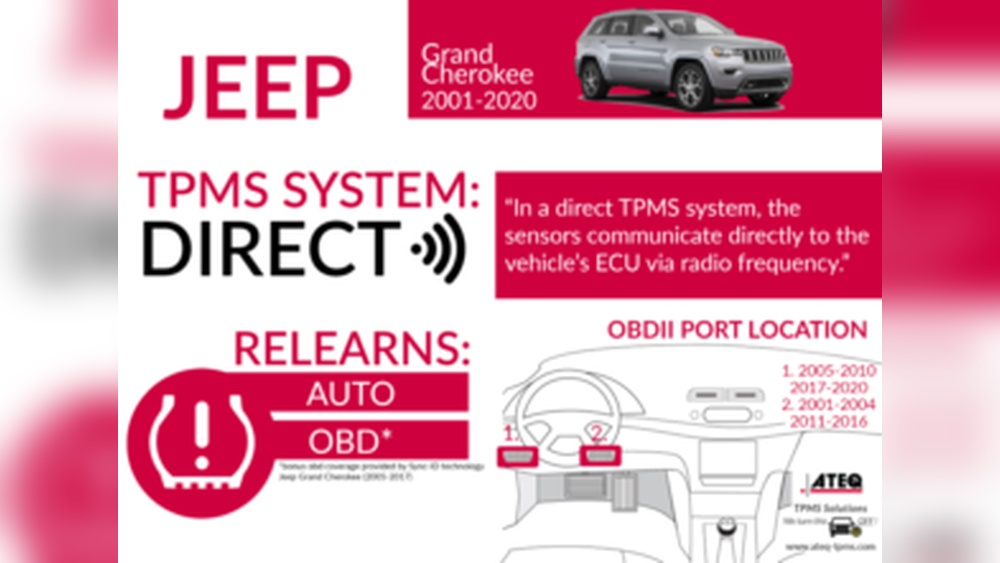
Locating the TPMS reset button is the first step to reset the tire pressure monitoring system on your Jeep Cherokee. This button triggers the system to relearn the correct tire pressure after you adjust it. Finding the button can be quick if you know common locations to check. Some Jeep models may not have a dedicated reset button. In that case, other methods apply to reset the TPMS.
The TPMS reset button is often found under the steering wheel. Check near the lower dashboard area, close to the driver’s left knee. It might also be inside the glove box. Look carefully on the side walls or near the fuse panel. The button is usually small and may say “TPMS” or show a tire icon. Press and hold the button for a few seconds to start the reset process.
Some Jeep Cherokee models do not have a physical reset button. In this case, resetting the TPMS requires a different approach. Inflate all tires to the recommended pressure first. Then, drive the car at 50 mph for about 10 minutes. The system will automatically detect the new tire pressures and reset the warning light. Another option is to disconnect the battery for a few minutes. Reconnect it, then start the car to see if the system resets.
Manual Tpms Reset Steps
Resetting the Tire Pressure Monitoring System (TPMS) on a Jeep Cherokee can be done manually. The process is simple and requires no special tools. Follow these manual TPMS reset steps carefully to ensure the system recalibrates correctly.
Turn Ignition On
Start by turning the ignition key to the ON position. Do not start the engine. This powers up the vehicle’s electrical system and the TPMS sensors.
Locate the TPMS reset button under the steering wheel or near the glove box. Press and hold this button until the TPMS warning light blinks slowly three times.
Wait For Light To Blink
Release the button after the light blinks. The blinking indicates the system is now in reset mode and searching for new sensor data.
Drive To Complete Reset
Drive your Jeep Cherokee at speeds above 20 mph for at least 10 minutes. This allows the TPMS to recognize the tire pressures and complete the reset process.
Using Vehicle Sensors For Reset
Resetting the Tire Pressure Monitoring System (TPMS) on your Jeep Cherokee can be straightforward by using the vehicle’s built-in sensors. These sensors continuously track tire pressure and communicate with your car’s computer. Understanding how to use these sensors for a reset helps keep your Jeep running safely and smoothly. This method relies on the data the vehicle collects automatically, making the process efficient and user-friendly.
Monitor Dashboard Readings
Start by checking the dashboard for TPMS alerts. The system shows the current pressure of each tire. Look for any warning lights or messages. If the pressure is low, inflate the tires to the recommended level. This information is usually found on the driver’s door jamb. Keep an eye on the readings as you adjust the tire pressure. Once the tires reach the correct pressure, the sensor signals the system to update.
Automatic Sensor Relearn Process
After setting the right pressure, the Jeep Cherokee begins an automatic sensor relearn. This process lets the vehicle recognize the new tire pressures without manual input. Drive your Jeep at speeds above 15 mph for about 10 minutes. The sensors send fresh data to the car’s computer during this time. The TPMS warning light should turn off once the system resets. This automatic relearn saves time and avoids complex procedures.
Troubleshooting Persistent Tpms Light
The Tire Pressure Monitoring System (TPMS) light staying on can be frustrating. It often signals a problem with your Jeep Cherokee’s tire sensors or system. Troubleshooting this issue helps avoid unsafe driving conditions. Here are some clear steps to fix the persistent TPMS light.
Follow these simple methods to diagnose and reset the system. Each step targets common reasons why the TPMS light may not turn off.
Check For Sensor Faults
Start by inspecting each tire sensor for damage or failure. Sensors can wear out or get damaged from road debris or tire changes. Use a TPMS diagnostic tool or visit a tire shop to scan for sensor codes. Faulty sensors often cause the light to stay on. Replacing or repairing the sensor solves this issue.
Battery Disconnect Reset
Disconnecting the Jeep’s battery can reset the TPMS system. Turn off the engine and remove the negative battery cable. Wait for about 15 minutes before reconnecting it. This process resets the vehicle’s computer and may clear the TPMS warning. Drive your Jeep afterward to let the system relearn the tire pressures.
Visit Professional Service
Persistent TPMS light problems may need expert help. A professional mechanic or Jeep dealer can use advanced tools to diagnose the system. They can reset, reprogram, or replace sensors as required. Professional service ensures the TPMS works correctly and keeps your Jeep safe on the road.

Maintaining Tpms Sensors
Maintaining the TPMS sensors in your Jeep Cherokee keeps the tire pressure monitoring system accurate. Proper care helps avoid false warnings and improves safety. Regular checks and simple upkeep extend sensor life and performance.
Clean Sensor Tips
Dirt and grime can block sensor signals. Clean the sensor area gently with a soft cloth. Avoid harsh chemicals that might damage the sensor. Regular cleaning prevents errors and helps the system work well.
Replace Faulty Sensors
Old or damaged sensors cause wrong readings. Replace sensors that show consistent errors or fail to reset. Using genuine parts ensures compatibility and reliability. Timely replacement avoids driving with unsafe tire pressure.
Use Proper Tire Inflation Gas
Inflate tires with air or nitrogen as recommended by Jeep. Nitrogen reduces moisture and pressure changes. Proper gas keeps sensor readings stable. Check tire pressure regularly and top off to the correct level.
Conclusion
Resetting the TPMS on your Jeep Cherokee keeps you safe and informed. Regularly check tire pressure to avoid warning lights. Drive your vehicle after adjusting pressure to complete the reset. Remember, sensors may need professional attention if the light stays on.
Following these simple steps helps maintain your Jeep’s performance. Stay alert and drive confidently with properly reset TPMS.