If your Jeep Cherokee’s check engine light just came on, you’re probably wondering what’s going on under the hood. That little warning can feel alarming, but don’t panic just yet.
Your Jeep is trying to tell you something important about its health, and knowing what to look for can save you time, money, and stress. Whether it’s a simple fix like a loose gas cap or something more serious, understanding the reasons behind that light helps you take control and keep your Jeep running smoothly.
Keep reading to learn exactly what your check engine light means and what steps you should take next.
Common Causes
The Check Engine Light on your Jeep Cherokee can turn on for many reasons. It signals the vehicle’s computer has found a problem. Understanding common causes helps you act quickly.
Some issues are simple and easy to fix. Others may need a mechanic’s attention. Here are the most frequent reasons your Check Engine Light might come on.
Loose Gas Cap
A loose gas cap is a common cause of the Check Engine Light. It can let fuel vapors escape. This triggers the vehicle’s emissions system to alert you. Tightening the gas cap often solves the problem.
Faulty Oxygen Sensor
The oxygen sensor measures the oxygen in exhaust gases. It helps control fuel mixture and emissions. A faulty sensor causes poor engine performance and higher fuel use. Replacing it usually turns off the Check Engine Light.
Bad Catalytic Converter
The catalytic converter cleans harmful gases from the exhaust. A failing converter reduces engine power and increases pollution. It often triggers the Check Engine Light. Repair or replacement is necessary to fix this issue.
Worn Spark Plugs
Spark plugs ignite the fuel-air mixture in the engine. Worn or dirty plugs cause misfires and rough running. This can light up the Check Engine Light. Changing spark plugs improves engine performance and fuel efficiency.
Ignition System Issues
The ignition system includes parts like coils and wires. Problems here cause poor starting and engine misfires. These faults can activate the Check Engine Light. Checking and repairing ignition parts restores smooth running.

Symptoms To Watch For
The check engine light on your Jeep Cherokee signals that something needs attention. Recognizing symptoms early helps prevent bigger problems. Watch for signs that show your engine may be struggling. These symptoms often come before the light even turns on.
Engine Stutter
Your engine may hesitate or jerk while driving. This stutter feels like the power drops suddenly. It can happen during acceleration or steady speeds. Engine stutter often points to fuel or ignition issues.
Reduced Fuel Efficiency
You might notice your Jeep needs gas more often. Poor fuel economy can mean the engine is not running right. This symptom is common when the check engine light appears. It may signal problems with sensors or fuel delivery.
Unusual Exhaust Smell
Strange smells from the exhaust indicate engine trouble. A rotten egg or sulfur scent suggests a faulty catalytic converter. Burning smells can mean oil or coolant leaks. These odors deserve immediate attention to avoid damage.
Poor Engine Performance
Your Jeep might feel weak or slow to respond. Acceleration may lag or the engine may misfire. Poor performance can be caused by spark plugs or air flow issues. This symptom often triggers the check engine warning.
Immediate Actions
The Check Engine Light on your Jeep Cherokee signals a problem that needs attention. Acting quickly can prevent bigger issues and costly repairs. Start by performing simple checks to identify easy fixes. Some steps require no tools, while others might need a scanner device. Staying calm and following these actions helps protect your vehicle and safety on the road.
Check And Tighten Gas Cap
A loose or damaged gas cap often triggers the Check Engine Light. Open the fuel door and twist the gas cap until it clicks tightly. Replace the cap if it looks cracked or worn. This simple step can reset the light after a short drive. Avoid ignoring this, as fuel vapors might leak and harm emissions.
Inspect Engine Fluids
Low or dirty engine fluids can cause engine problems and light alerts. Check oil, coolant, and transmission fluid levels using the dipsticks or reservoirs. Add the correct fluids if levels are low. Look for leaks or unusual fluid colors. Keeping fluids in good condition supports engine health and performance.
Avoid Driving If Light Is Solid
A solid Check Engine Light means a steady problem detected by your Jeep’s computer. Driving with a steady light risks damage to engine parts or emissions systems. Stop driving and have your vehicle inspected soon. Ignoring a solid light might lead to expensive repairs or breakdowns.
Use An Obd-ii Scanner
Use an OBD-II scanner to read error codes stored in your Jeep Cherokee. These codes show what triggered the Check Engine Light. You can buy a scanner or visit an auto shop for a quick scan. Understanding the codes helps decide if you can fix the issue or need professional help. Resetting the light without fixing the problem is not recommended.
Diy Fixes
Dealing with a Check Engine Light on your Jeep Cherokee can be stressful. Some problems are simple and can be fixed at home. These DIY fixes save time and money. Basic tools and a bit of effort often solve the issue. Here are some easy methods to try before visiting a mechanic.
Resetting The Check Engine Light
Sometimes, the Check Engine Light stays on after a minor issue is fixed. You can reset it yourself. First, disconnect the car battery for about 15 minutes. This cuts power and clears the error codes. Reconnect the battery and start the engine. The light should turn off if the problem is gone. Use an OBD-II scanner for a quicker reset. It reads and clears codes without disconnecting the battery.
Replacing Spark Plugs
Worn or faulty spark plugs cause engine misfires and trigger the Check Engine Light. Replacing spark plugs is simple and improves engine performance. Locate the spark plugs under the hood. Remove the old plugs with a spark plug socket. Install new plugs that match your Jeep’s specifications. Tighten them securely but avoid over-tightening. Regular replacement prevents engine problems and saves fuel.
Cleaning The Mass Air Flow Sensor
The Mass Air Flow (MAF) sensor measures air entering the engine. Dirt buildup can cause wrong readings and turn on the Check Engine Light. Cleaning the MAF sensor is easy with proper care. Locate the sensor near the air filter box. Remove it carefully and spray MAF sensor cleaner on the sensor wire. Do not touch or scrub the sensor directly. Let it dry completely before reinstalling. A clean sensor improves fuel efficiency and engine response.
When To See A Mechanic
The Check Engine Light on your Jeep Cherokee is a clear sign that the vehicle needs attention. Knowing when to visit a mechanic can save you from costly repairs and keep your car safe. This section explains key signs that require professional help.
Persistent Warning Light
A Check Engine Light that stays on for several days is a concern. It means the issue is not resolving itself. Ignoring this light can lead to bigger problems. A mechanic can identify the cause and fix it quickly.
Engine Performance Issues
If your Jeep Cherokee runs rough, stalls, or loses power, see a mechanic. These symptoms often link to engine troubles. Early repair keeps your vehicle running smoothly and avoids breakdowns on the road.
Failed Emissions Test
Failing an emissions test indicates a problem with your engine or exhaust system. This failure often triggers the Check Engine Light. A mechanic can diagnose and repair the issue to pass the test and reduce pollution.
Diagnostic Trouble Codes
Mechanics use special tools to read codes from your Jeep’s computer. These codes point to specific problems causing the Check Engine Light. Getting a professional diagnosis helps target the exact issue fast and effectively.
Preventive Maintenance Tips
Keeping your Jeep Cherokee’s engine running smoothly helps prevent the check engine light from turning on. Regular care avoids costly repairs and extends your vehicle’s life. Simple steps can keep your engine healthy and alert you to small issues early.
Regular Oil Changes
Changing engine oil on time keeps parts moving smoothly. Old oil can cause engine parts to wear out faster. Check your Jeep Cherokee’s manual for the right oil type and change schedule. Clean oil helps the engine run cooler and reduces damage risk.
Routine Engine Tune-ups
Routine tune-ups improve engine performance and fuel efficiency. Mechanics check spark plugs, ignition wires, and filters during a tune-up. Worn parts can cause misfires that trigger the check engine light. Scheduling tune-ups as recommended prevents these problems.
Timely Sensor Replacements
Sensors monitor engine functions and send data to your vehicle’s computer. Faulty sensors can cause wrong readings and trigger the check engine light. Replace sensors like oxygen or mass airflow sensors promptly. Timely replacement keeps your engine running correctly.
Fuel System Cleaning
Cleaning the fuel system removes deposits that block fuel flow. Dirty fuel injectors reduce engine power and cause rough idling. Use fuel system cleaners or visit a mechanic for professional cleaning. This helps maintain smooth engine operation and avoids warning lights.
Tools And Resources
The Check Engine Light on your Jeep Cherokee signals a potential problem.
Knowing the right tools and resources helps you identify and fix issues fast.
Access to accurate information and reliable support is key for smooth repairs.
Recommended Obd-ii Scanners
OBD-II scanners read trouble codes from your Jeep’s engine control unit.
Basic scanners show error codes, while advanced models offer real-time data.
Popular brands include BlueDriver, Autel, and FIXD. They work well with Jeep.
Choose a scanner with user-friendly software and clear code definitions.
Trusted Repair Shops In Austin, Texas
A skilled mechanic can diagnose and repair complex engine problems.
Austin has several shops specializing in Jeep repairs and diagnostics.
Look for shops with good reviews, certified technicians, and fair prices.
Ask if they offer warranty on repairs and use OEM parts.
Online Forums And Support Groups
Online communities offer advice from Jeep owners and experts.
Forums like JeepForum and Reddit’s r/Jeep provide practical tips.
Post your error codes and symptoms to get quick feedback.
These groups help you understand repairs and avoid common mistakes.
Conclusion
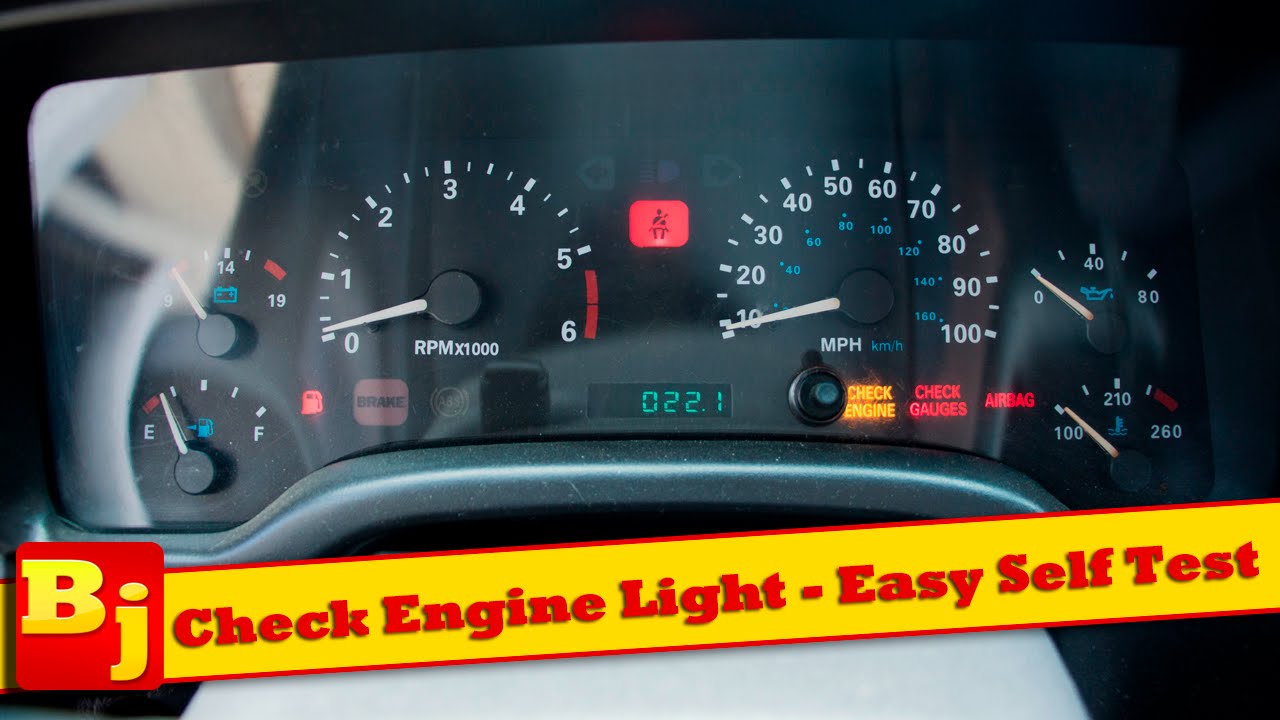
The check engine light on your Jeep Cherokee signals a problem. It could be simple, like a loose gas cap. Or it may need professional attention, such as a faulty sensor. Don’t ignore this warning. Early checks can prevent costly repairs.
Keep your Jeep running smoothly and safely. Regular maintenance helps avoid unexpected issues. Pay attention to the light and act promptly. Your Jeep deserves good care for a long life.