If you’ve seen the P1521 code pop up on your Jeep Grand Cherokee’s dashboard, you’re probably wondering what it means and what you should do next. This code isn’t just a random error—it points to issues with your engine oil’s pressure or temperature sensors, which can affect how your Jeep performs and protects its engine.
Ignoring it could lead to bigger problems, but understanding the cause and the right fix puts you back in control. Keep reading to learn exactly what triggers the P1521 code, how to spot the symptoms, and the simple steps you can take to get your Jeep running smoothly again.
Your ride deserves the best care, and so do you.
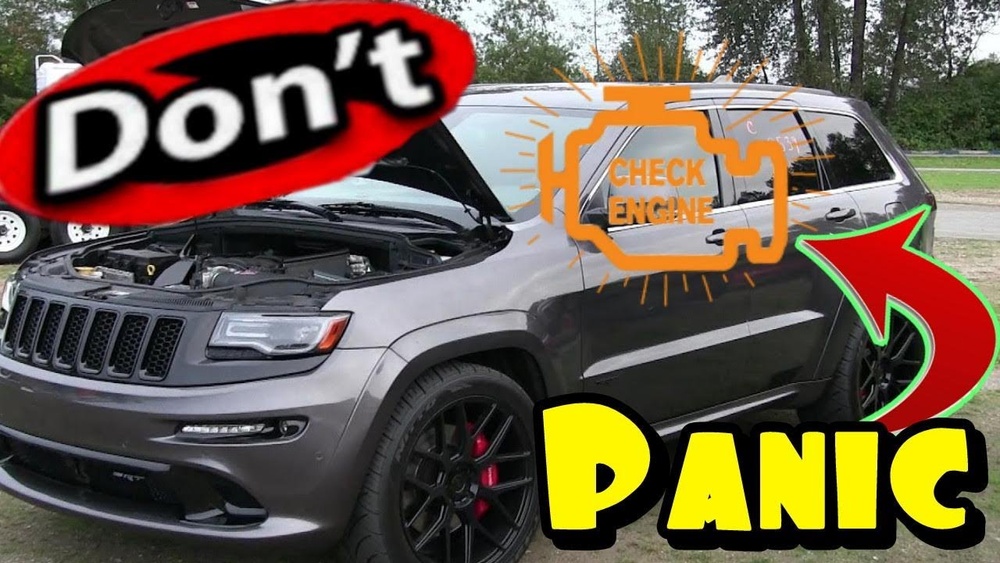
P1521 Code Basics
The P1521 code on a Jeep Grand Cherokee relates to issues with engine oil pressure or viscosity. This code signals that the vehicle’s computer has detected a problem with the oil’s thickness or the sensors monitoring it. Understanding this code helps in diagnosing the issue quickly and accurately.
The engine relies on the correct oil pressure and viscosity for smooth operation. The Powertrain Control Module (PCM) reads data from the oil pressure and temperature sensors. If these readings don’t match the expected values, the P1521 code appears. This code ensures the engine stays protected from damage caused by improper oil conditions.
What Triggers The Code
The P1521 code triggers when the PCM detects oil pressure or viscosity outside factory specs. It uses signals from the oil pressure sensor and oil temperature sensor. Erratic or failed sensor readings can also cause this code. Sometimes, the oil itself may be fine, but faulty sensors cause false alerts.
Other triggers include using the wrong oil type or low oil levels. Engine wear or leaks reducing oil pressure might also set the code. The PCM constantly monitors these values to prevent engine damage.
Symptoms To Watch For
Common symptoms include the check engine light turning on. You might notice rough engine performance or stalling. Low oil pressure warnings on the dashboard can appear. In some cases, the engine may sound louder or run hotter than usual.
Ignoring these symptoms can lead to serious engine damage. Prompt attention to the P1521 code helps maintain engine health and performance.
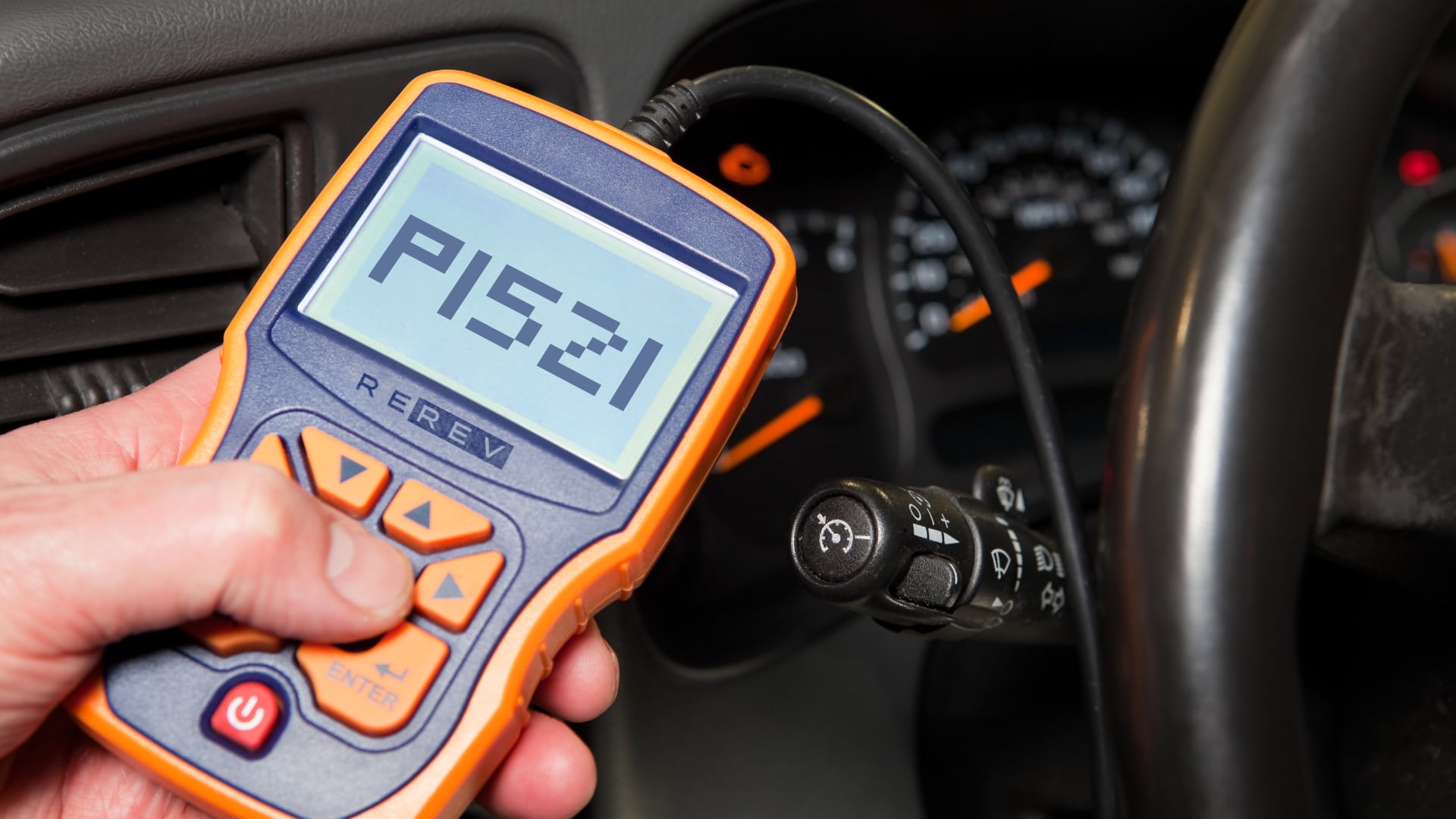
Engine Coolant Sensor Role
The engine coolant sensor plays a vital role in the Jeep Grand Cherokee’s engine system. It monitors the temperature of the engine coolant. This information helps the vehicle’s computer manage engine operations. The sensor ensures the engine stays within the right temperature range. It prevents overheating and promotes efficient performance.
Without a working coolant sensor, the engine may run too hot or too cold. This can cause damage or reduce fuel efficiency. The engine coolant sensor is a small but essential part of the vehicle’s health.
How The Sensor Works
The engine coolant sensor measures the coolant temperature by detecting electrical resistance. This resistance changes as the coolant heats up or cools down. The sensor sends a signal to the Powertrain Control Module (PCM). The PCM uses this data to adjust fuel mixture and ignition timing. This keeps the engine running smoothly and safely.
Impact On Engine Performance
A faulty coolant sensor can cause poor engine performance. The engine may run rough or stall. Fuel consumption can increase because the PCM gets wrong temperature data. Overheating risks rise, which can lead to engine damage. The sensor helps maintain optimal engine conditions. Proper sensor function is key to the Jeep Grand Cherokee’s reliability.
Common Causes
The P1521 code in a Jeep Grand Cherokee points to issues with the engine oil pressure sensor. This sensor plays a key role in monitoring oil pressure and sending data to the vehicle’s computer. Several common problems can trigger this code, each requiring attention to avoid engine damage.
Sensor Malfunction
The oil pressure sensor can fail over time. Dirt, wear, or internal faults cause wrong readings. A faulty sensor may send incorrect signals to the engine control unit. This confusion can trigger the P1521 code. Replacing the sensor often fixes the issue.
Wiring And Connector Issues
Damaged wires or loose connectors disrupt the sensor’s signal. Corrosion or breaks in the wiring harness can cause poor communication. These electrical problems mimic sensor failure symptoms. Inspecting and repairing the wiring restores proper sensor function.
Coolant System Problems
Coolant leaks or overheating affect engine oil pressure. A failing water pump or clogged radiator can cause the engine to run hot. High temperatures thin the oil, lowering pressure and setting off the P1521 code. Maintaining the cooling system helps prevent this issue.

Diagnostic Steps
Diagnosing the P1521 code on a Jeep Grand Cherokee requires a clear and systematic approach. Start by gathering information from the vehicle’s computer. Then, check the sensor and wiring for any visible issues. Lastly, test the coolant temperature to ensure it matches expected values. This step-by-step process helps pinpoint the exact cause of the problem.
Reading Trouble Codes
Use an OBD-II scanner to read the trouble codes stored in the vehicle’s computer. The P1521 code relates to the throttle position sensor and idle control. Note any additional codes that may appear. These codes offer clues about the engine’s condition. Clear the codes after recording them and run the test again to confirm the issue.
Inspecting The Sensor And Wiring
Examine the throttle position sensor and its wiring harness closely. Look for broken wires, loose connections, or corrosion. Damaged wiring can cause false signals and trigger the P1521 code. Gently wiggle the connectors to test for intermittent faults. Replace or repair any damaged parts found during inspection.
Testing Coolant Temperature
Check the engine coolant temperature sensor for proper function. A faulty sensor can send incorrect data to the computer. Use a multimeter to measure the sensor’s resistance and compare it to manufacturer specifications. Verify that the coolant temperature readings match the engine’s actual temperature. Replace the sensor if it fails the test.
Repair And Replacement
Repair and replacement for the P1521 code on the Jeep Grand Cherokee focus on the coolant system. The main parts involved are the coolant sensor, wiring, and the coolant itself. Proper attention to these areas can clear the code and prevent engine damage.
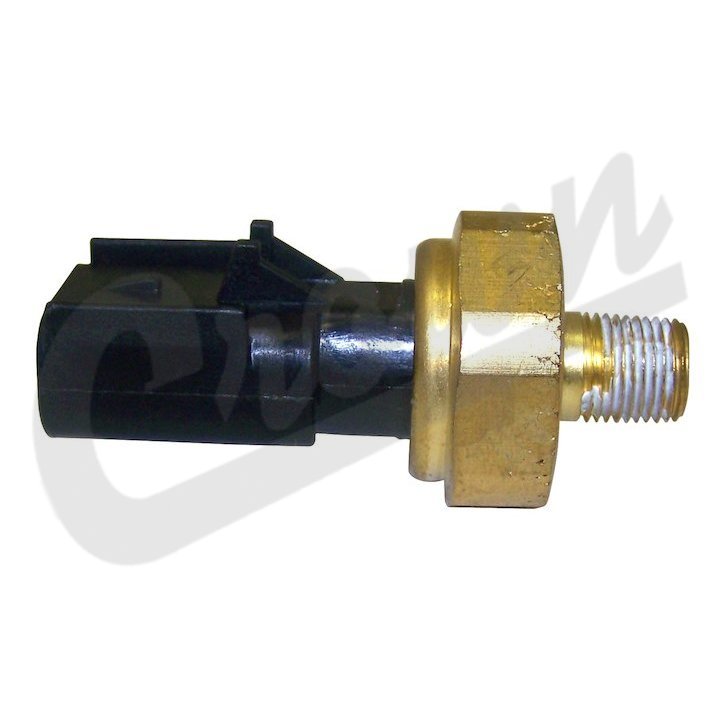
Replacing The Coolant Sensor
Start by locating the coolant temperature sensor. It is usually near the engine block or radiator. Remove the old sensor by unscrewing it carefully. Install a new sensor and tighten it securely. Ensure the electrical connector snaps back in place. This step helps the engine control module get accurate temperature data.
Fixing Wiring And Connectors
Inspect the wiring harness connected to the coolant sensor. Look for broken, frayed, or corroded wires. Use a multimeter to check for continuity. Repair damaged wires by splicing or replacing them. Clean connectors with electrical contact cleaner to remove corrosion. Proper wiring ensures correct sensor signals reach the computer.
Flushing And Refilling Coolant
Drain the old coolant from the radiator and engine block. Flush the system with water or a coolant flush solution. This removes rust and debris that may affect sensor readings. Refill the system with the right type and amount of coolant. Bleed air from the system to prevent overheating. Clean coolant helps keep the engine running smoothly and sensors accurate.
Preventive Maintenance Tips
Preventive maintenance helps keep your Jeep Grand Cherokee running smoothly. It lowers the chance of the P1521 code appearing. Staying ahead with simple steps saves time and money. Regular care protects the engine and sensors.
Regular Coolant Checks
Coolant prevents the engine from overheating. Check the coolant level every month. Look for leaks or dirty fluid. Low or dirty coolant can cause sensor errors. Replace coolant as recommended by the owner’s manual. Use the right type for your Jeep.
Sensor Cleaning And Inspection
Sensors detect important engine conditions. Dust and grime can block sensor signals. Clean sensors carefully with a soft cloth. Avoid harsh chemicals that may damage them. Inspect sensor wiring for cracks or loose connections. Clean sensors help avoid false codes like P1521.
When To Seek Professional Help
Some problems need expert tools and skills. Visit a certified mechanic if the code returns after maintenance. Professionals can test sensors and the cooling system accurately. They can also update your Jeep’s software. Early professional checks stop bigger repairs later.
Conclusion
The P1521 code in a Jeep Grand Cherokee signals an issue with oil pressure or sensor readings. Fixing it quickly helps keep the engine safe and running well. Check the oil type and sensor condition first to find the cause.
Simple steps often solve the problem without much cost. Staying aware of this code helps avoid bigger engine troubles later. Regular maintenance keeps your Jeep driving smoothly and reliably every day.