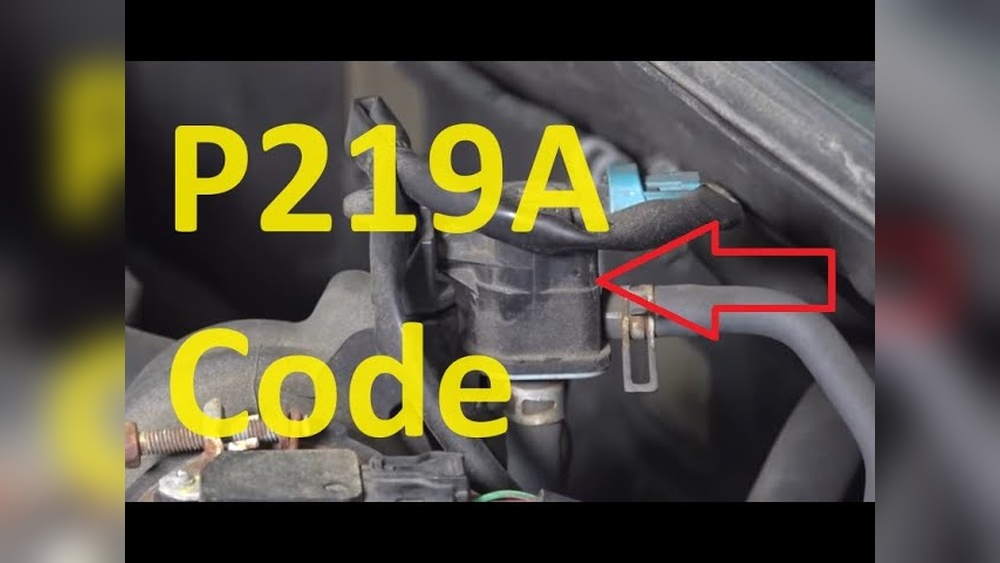
If you drive a Jeep and recently noticed the P219A code popping up, you’re probably wondering what it means and how it affects your ride. This little code isn’t just a random number, it points to a problem with your engine’s air-fuel mixture, which can impact how smoothly your Jeep runs.
Ignoring it could lead to reduced fuel efficiency or even bigger engine issues down the road.
You’ll discover what causes the P219A Jeep code, how to diagnose it, and practical steps you can take to fix it yourself or know what to ask your mechanic.
Keep reading to protect your Jeep and keep it running strong.
P219a Code Basics
The P219A code is a common trouble code for Jeep owners. It points to a problem with the oxygen sensor readings.
Understanding this code helps keep your Jeep running smoothly. It also prevents bigger engine issues down the road.
Knowing what triggers this code can save time and money on repairs. This section breaks down the basics of the P219A code.
Learn what it means, signs to watch for, and why it matters for your Jeep.
What P219a Means
The P219A code means “O2 Sensor Signal Biased/Stuck Lean” on Bank 1 Sensor 1. This sensor measures oxygen levels in the exhaust gases.
It helps the engine control module adjust fuel delivery. The code shows the sensor detects too much oxygen or a lean mixture. This can affect engine performance and emissions.
Symptoms To Watch For
Common symptoms include rough idling and poor acceleration. You might notice the engine hesitates or stumbles.
The check engine light often turns on. Fuel economy may drop as the engine runs inefficiently.
Some Jeep owners report a slight engine misfire. These signs indicate the sensor or related parts need attention.
Why It Matters For Jeeps
Jeep engines rely on precise air-fuel balance for optimal power. The P219A code disrupts this balance.
Ignoring it can lead to damage in the catalytic converter. It also increases harmful emissions.
Fixing this code keeps your Jeep’s engine healthy. It ensures better fuel efficiency and lower repair costs.
Common Causes
The P219A code in Jeep vehicles signals an imbalance in the air-fuel mixture. It does not point to one specific part.
Several issues can cause this problem. Knowing these common causes helps to diagnose and fix the issue faster.
Vacuum Leaks And Intake Issues
Vacuum leaks are a frequent cause of the P219A code. Cracked or loose vacuum hoses let extra air into the engine.
Intake manifold gaskets can also fail, causing similar problems. This extra air makes the engine run lean and triggers the code.
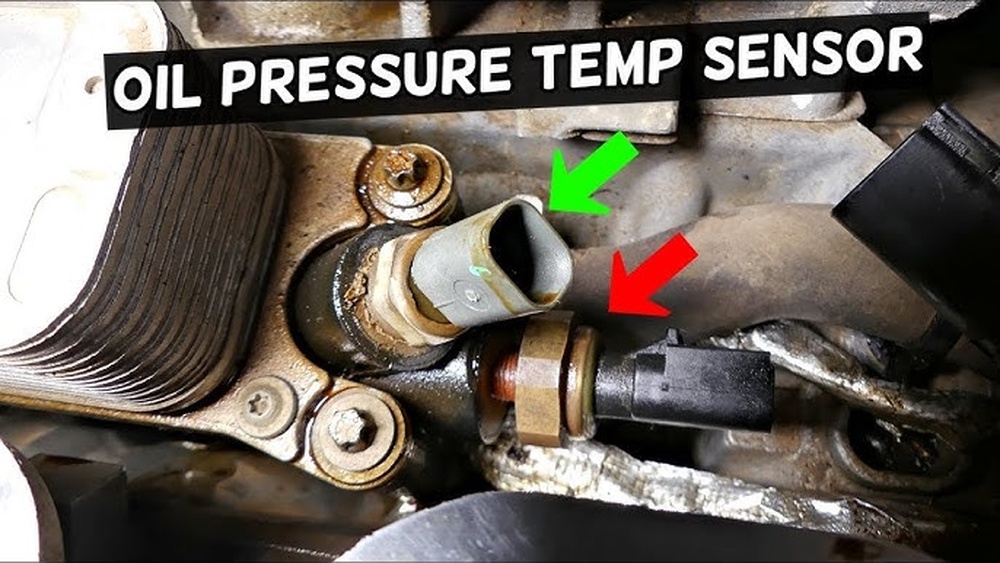
Faulty Oxygen Sensors
Oxygen sensors measure the oxygen level in the exhaust. If they fail or give wrong readings, the engine control unit gets confused.
This can create an imbalance in the air-fuel mixture and cause the P219A code. Sensors usually wear out over time.
Exhaust Leaks And Air Intrusion
Leaks in the exhaust system allow outside air to enter. This false air affects oxygen sensor readings.
Even small leaks near the exhaust manifold can cause the P219A code. Checking for cracks or holes in the exhaust helps identify this issue.
Purge Valve Problems
The purge valve controls fuel vapors sent to the engine for burning. If the valve sticks open or closed, it disrupts the air-fuel balance.
This often triggers the P219A code. Cleaning or replacing a faulty purge valve can fix the problem.
Engine Misfire Without Code
Sometimes, a misfire happens without setting a misfire code. It still affects the air-fuel mixture and can cause P219A.
Using a scan tool to watch real-time misfire data helps spot this hidden issue. Misfires might come from spark plugs or ignition coils.
Diagnosing P219a
Diagnosing the P219A code on a Jeep involves pinpointing the cause of a lean condition in the exhaust system. This code signals an imbalance, often due to air or fuel issues.
Step-by-step checks help identify problems quickly and accurately. The process covers key areas like sensors, vacuum lines, and valves.
Using A Scanner For Active Data
Connect an OBD-II scanner to your Jeep’s diagnostic port. Monitor live data for oxygen sensor readings and fuel trim values. Look for unusual fluctuations or delays in sensor responses. This data reveals if sensors detect lean conditions or misfires. Active data helps narrow down the root cause efficiently.
Inspecting Vacuum Lines And Hoses
Check all vacuum lines for cracks, breaks, or disconnections. Even small leaks can cause unmetered air to enter the engine.
This disturbs the air-fuel mixture and triggers the P219A code. Pay attention to hoses near the intake manifold and brake booster. Replace any damaged or brittle lines immediately.
Checking Oxygen Sensor Performance
Test oxygen sensors for proper voltage and response time using a multimeter or scanner. Sensors that react slowly or show constant lean readings may be faulty.
Clean connectors and wiring to ensure good electrical contact. Faulty sensors often send incorrect signals, causing the engine to run lean.
Detecting Exhaust Leaks
Inspect the exhaust system for leaks at the manifold, gaskets, and pipes. Leaks allow extra air to enter, skewing sensor readings.
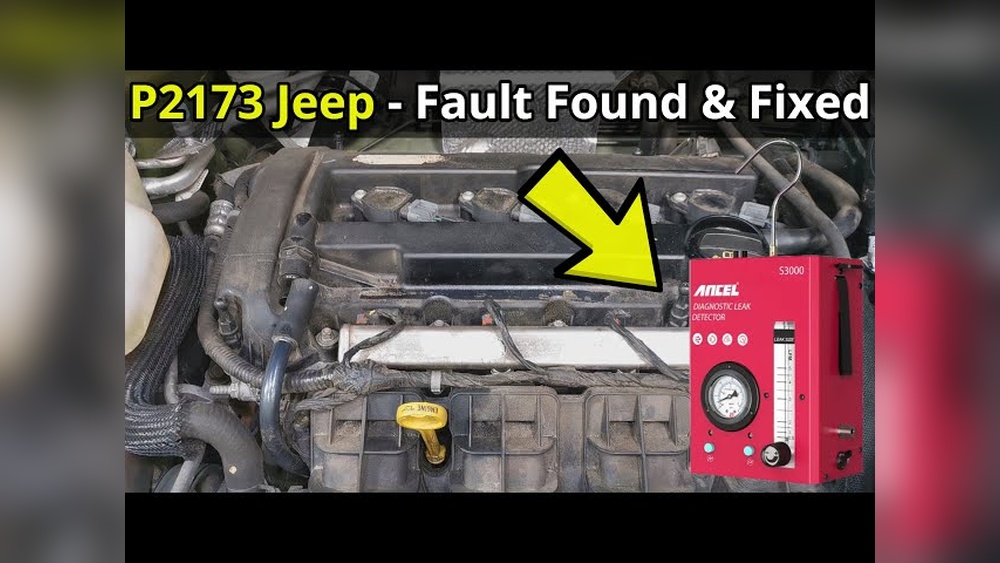
Use a smoke machine or soapy water to find escaping gases. Seal or replace damaged parts to restore correct exhaust flow and sensor accuracy.
Testing The Purge Valve
Check the purge valve for proper operation and sealing. A stuck-open valve can let fuel vapors escape improperly.
This changes the air-fuel ratio and causes lean codes. Apply vacuum to the valve and listen for clicks.
Replace the valve if it fails to open or close correctly.

Fixing P219a
Fixing the P219A code on your Jeep requires careful attention. This code signals a lean condition on both banks of the engine.
It often means air or fuel flow is off balance. Identifying the cause helps restore smooth running and fuel efficiency.
Several repairs can clear this issue. Focus on common trouble spots linked to air and fuel mixture problems.
Each fix targets a specific cause behind the code. Proper diagnosis and repair bring your Jeep back to optimal performance.
Sealing Vacuum Leaks
Vacuum leaks let extra air into the engine. This throws off the fuel mixture, causing the P219A code.
Check hoses, gaskets, and intake manifold for cracks or loose connections. Replace or seal damaged parts to stop leaks.
A smoke test can help find hidden leaks fast.
Replacing Faulty Sensors
Oxygen sensors measure exhaust gases. Faulty sensors send wrong signals to the engine computer.
This can trigger the P219A code. Test sensors with a scanner or multimeter.
Replace any sensor that shows slow response or out-of-range readings. Fresh sensors improve fuel control and emissions.
Repairing Exhaust Leaks
Exhaust leaks let outside air enter before oxygen sensors. This fools sensors into thinking the engine runs lean.
Inspect exhaust manifold, pipes, and gaskets for holes or cracks. Fix leaks by tightening bolts or replacing gaskets.
Proper sealing ensures accurate sensor readings and code clearance.
Servicing The Purge Valve
The purge valve controls fuel vapor flow from the tank to the engine. A stuck or leaking valve disrupts air-fuel balance.
Remove and test the valve for proper opening and closing. Clean or replace it if faulty.
A working purge valve prevents lean conditions and engine codes.
Addressing Engine Misfires
Misfires cause incomplete combustion and lean sensor readings. Check spark plugs, ignition coils, and fuel injectors.
Replace worn plugs and faulty coils. Clean or replace clogged injectors.
Fixing misfires stabilizes engine performance and clears the P219A code.
Conclusion
The P219A code signals an air-fuel imbalance in your Jeep’s engine. Common causes include vacuum leaks, faulty oxygen sensors, or exhaust leaks.
Diagnosing requires checking hoses, gaskets, and sensors carefully. Fixing these issues helps restore engine performance and fuel efficiency.
Regular maintenance prevents this code from appearing again. Keep an eye on your Jeep’s symptoms and act quickly.
A smooth-running engine means a safer, more enjoyable drive every time.