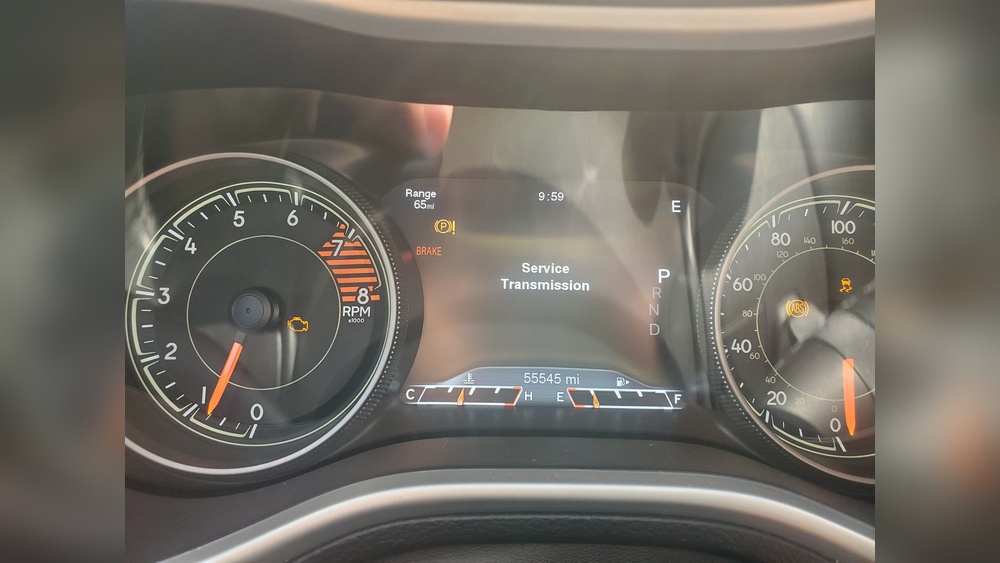
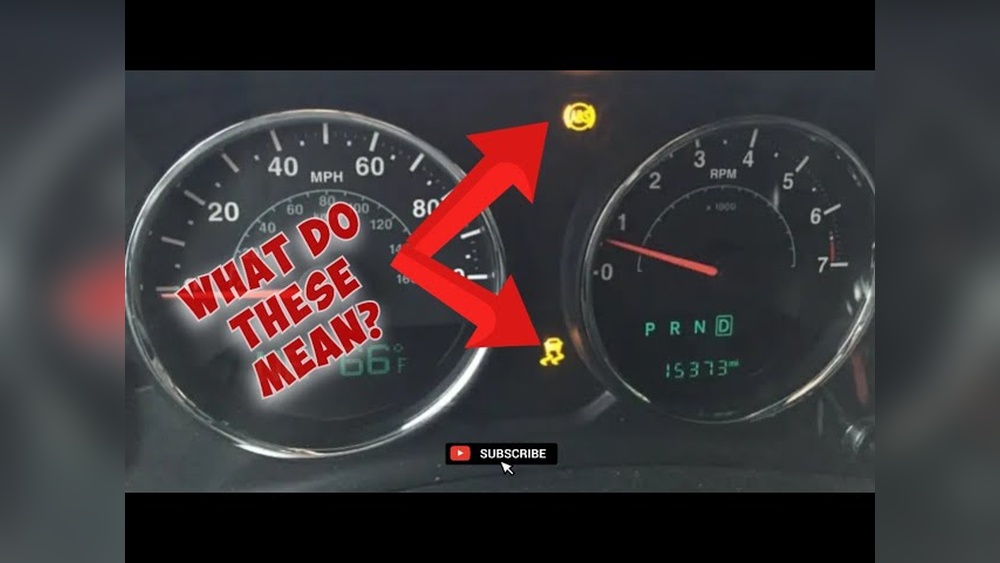
If you’ve ever seen the ABS light pop up on your Jeep Wrangler’s dashboard, you know it can be both confusing and a bit alarming. That little warning light isn’t just a random glow—it’s telling you something important about your vehicle’s anti-lock braking system.
You might be wondering how to turn off the ABS light quickly and safely without risking your Jeep’s performance or your safety. You’ll learn simple, straightforward steps to diagnose why the ABS light is on and how to turn it off.
Whether you want to fix the issue yourself or understand when to seek professional help, this guide has you covered. Keep reading to get your Jeep Wrangler back to full control and peace of mind.
Abs Light Causes
The ABS light on a Jeep Wrangler signals a problem in the anti-lock braking system. This light stays on to warn drivers of safety issues. Understanding the causes helps in fixing the light properly. Different issues can trigger the ABS warning light. Identifying the exact cause saves time and money on repairs.
Wheel Speed Sensor Issues
Wheel speed sensors track each wheel’s rotation speed. Faulty sensors send wrong signals to the ABS system. Dirt, debris, or damage can cause sensor failure. A bad sensor often triggers the ABS light. Cleaning or replacing the sensor usually solves the problem.
Leaking Rear Axle Seal
A leaking rear axle seal can drip grease onto the wheel speed sensor. Grease disrupts the sensor’s ability to read wheel speed. This causes the ABS light to come on. Fixing the leak and cleaning the sensor clears the warning light. Ignoring this can lead to bigger brake problems.
Faulty Abs Pump
The ABS pump controls the brake pressure during hard stops. A pump failure limits the system’s function. This failure triggers the ABS warning light on the dashboard. Replacing or repairing the pump restores proper ABS operation. The vehicle’s safety depends on a working pump.
Electrical Problems
Electrical faults like loose wires or bad connections affect the ABS system. These issues prevent signals from reaching the control module. As a result, the ABS light turns on. Checking and fixing wiring restores system communication. Proper electrical flow keeps the ABS light off.
Quick Diagnostic Steps
Quick diagnostic steps help identify why the ABS light is on in your Jeep Wrangler. These steps give a clear starting point. They guide you through basic checks and tests. Following this process can save time and money. It also helps avoid unnecessary repairs.
Using A Code Reader
A code reader scans your Jeep’s computer for error codes. These codes pinpoint the exact problem. Plug the reader into the OBD-II port, usually under the dashboard. Turn on the ignition and run the scan. Note down any ABS-related codes displayed. These codes guide you to the faulty part or sensor.
Visual Inspection
Check the wheel speed sensors and wiring for damage. Look for dirt, grease, or corrosion on sensors. Inspect the ABS ring for cracks or missing teeth. Also, examine brake fluid levels and leaks near brake lines. Clean any dirty sensors carefully. Replace damaged wires or connectors before testing again.
Test Drive And Observe
Drive your Jeep at various speeds and on different surfaces. Watch for the ABS light turning on or off. Notice unusual brake behavior or noises. Gentle braking helps check if the ABS activates correctly. This step confirms if the issue is fixed or still present.
Resetting The Abs Light
Resetting the ABS light on a Jeep Wrangler can clear minor faults and turn off the warning light. This process helps the vehicle’s computer system to refresh and may solve simple glitches. Here are three straightforward methods to reset the ABS light yourself.
Disconnecting The Battery
Start by turning off the Jeep and opening the hood. Locate the negative battery cable and disconnect it using a wrench. Leave the battery disconnected for about 15 minutes. This pause allows the vehicle’s computer to reset. After the wait, reconnect the cable tightly. Turn on the ignition and check if the ABS light is off.
Ignition Cycling Method
Turn the ignition key to the “on” position without starting the engine. Keep it there for about 10 seconds. Then, turn the key off and wait for 5 seconds. Repeat this cycle three to four times. This method can reset the ABS sensor system. Finally, start the engine and see if the ABS light has cleared.
Steering Wheel Turn Reset
Turn the steering wheel fully to the right and hold it for 10 seconds. Next, turn the wheel fully to the left and hold again for 10 seconds. This action can help reset the ABS sensors connected to the steering system. After this, start the Jeep and observe the dashboard. The ABS light should turn off if the reset worked.
Fixing Common Problems
The ABS light on a Jeep Wrangler signals a problem in the anti-lock braking system. Fixing common issues can help turn off this warning light. Addressing these problems keeps your Jeep safe and running smoothly.
Cleaning Or Replacing Wheel Sensors
Wheel sensors detect wheel speed and send data to the ABS system. Dirt, debris, or damage can cause them to fail. Clean the sensors gently with a soft brush and mild cleaner. If cleaning does not help, replace the faulty sensor. New sensors restore proper function and often clear the ABS light.
Repairing Leaking Seals
Leaking axle seals can spray grease on wheel sensors. This grease interferes with sensor signals, triggering the ABS warning. Inspect seals for leaks around the wheels and axles. Replace any seals that show signs of damage or leaks. Fixing leaks protects sensors and prevents the ABS light from coming on.
Fixing Wiring Issues
Damaged or loose wiring can disrupt signals between sensors and the ABS module. Check wiring harnesses for cuts, corrosion, or loose connections. Repair or replace damaged wires as needed. Secure all connections tightly to ensure reliable communication. Fixing wiring problems often turns off the ABS light and restores system function.
Using Diagnostic Tools
Using diagnostic tools is the best way to turn off the ABS light on a Jeep Wrangler. These tools read error codes from the vehicle’s computer. They help identify the exact problem causing the light to stay on. Once the issue is found, you can clear the codes and reset the light. This method saves time and avoids guesswork.
Scan Tool Options
Several scan tools work well with Jeep Wranglers. Basic OBD2 scanners can read ABS codes but may lack full ABS support. Advanced scan tools offer detailed diagnostics for the ABS system. They connect via the OBD2 port under the dashboard. Choose a scanner that can read and clear ABS codes for best results.
Interpreting Abs Codes
After scanning, the tool shows ABS error codes. Each code points to a specific problem, like a faulty wheel speed sensor or wiring issue. Use the code definitions to understand the cause. Fix the problem before clearing the codes. Clearing codes without repair can cause the light to return quickly.
Jscan For Abs Control
JScan is a popular tool for Jeep ABS control. It connects through a Bluetooth OBD2 adapter and a smartphone app. JScan provides real-time data and advanced diagnostics. It can reset ABS and traction control lights easily. This tool is user-friendly and ideal for Jeep owners wanting precise control over ABS settings.

Disabling Abs And Traction Control
Disabling the ABS and traction control on a Jeep Wrangler is a step some drivers take for specific needs. Both systems help maintain vehicle stability and control, but there are situations where turning them off makes sense. Understanding how and when to disable these features can help avoid problems on the road.
When To Consider Disabling
Disabling ABS and traction control can help during off-road driving. Mud, snow, or loose gravel sometimes confuse these systems, limiting wheel spin. Turning them off allows better control in such conditions. It can also be necessary if the ABS or traction control system malfunctions and cannot be repaired immediately. This allows the vehicle to be driven safely to a service center.
Risks And Warnings
Turning off ABS and traction control increases the chance of wheel lockup during braking. This may cause loss of steering control in slippery conditions. The vehicle can skid more easily on wet or icy roads. Disabling these systems is not recommended for normal driving on paved roads. It also may void warranties or violate local laws. Always check the rules in your area before disabling safety features.
How To Disable Safely
Start by reading the Jeep Wrangler owner’s manual carefully. Some models have buttons to turn off traction control easily. ABS usually cannot be fully disabled without special tools or software. Use diagnostic tools made for Jeep Wranglers if needed. Never disconnect ABS sensors or wires by guessing. Always perform these actions on flat ground and in a safe area. Re-enable the systems as soon as the special driving conditions end.
Preventive Maintenance Tips
Keeping the ABS light off on your Jeep Wrangler helps ensure safe driving. Preventive maintenance stops issues before they start. Simple habits extend the life of your brake system. These tips keep sensors working and avoid warning lights. Regular care means fewer surprises on the road.
Regular Sensor Checks
Wheel speed sensors send signals to the ABS system. Dirt or damage can cause false readings. Inspect sensors often for cracks or loose wires. Use a clean cloth to wipe sensor surfaces. Replace sensors that show signs of wear or failure. Early checks prevent the ABS light from turning on.
Keeping Wheel Areas Clean
Dirt and debris around wheels can block sensors. Mud or grease may cause sensor errors. Clean wheel hubs and sensor areas regularly. Use mild soap and water for washing. Avoid harsh chemicals that may damage parts. Clean wheels help sensors detect wheel speed correctly.
Monitoring Brake Fluid Levels
Brake fluid powers the braking system. Low fluid can trigger the ABS light. Check brake fluid levels every month. Add fluid if the level is below the minimum mark. Use the correct fluid type for your Jeep. Proper fluid levels keep brakes and ABS working well.

Conclusion
Turning off the ABS light on your Jeep Wrangler starts with identifying the problem. Use a scan tool to read error codes quickly. Fix or replace faulty sensors to clear warnings. Reset the system by disconnecting the battery for a few minutes.
Remember, the ABS light signals safety issues, so don’t ignore it. Regular maintenance helps keep your Jeep safe on the road. Follow these simple steps to manage the ABS light effectively. Safe driving depends on a well-functioning braking system. Keep your Jeep ready for any adventure ahead.