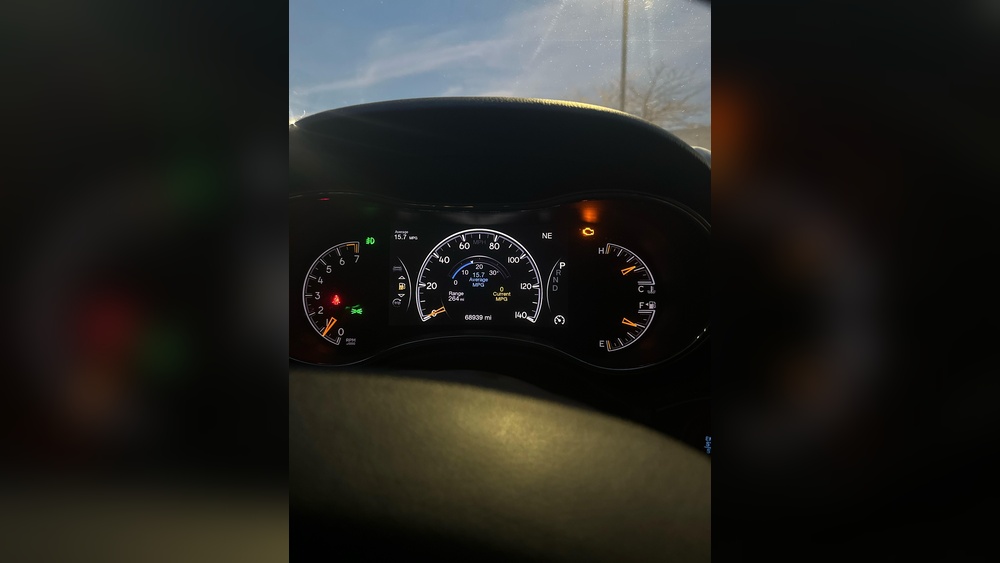
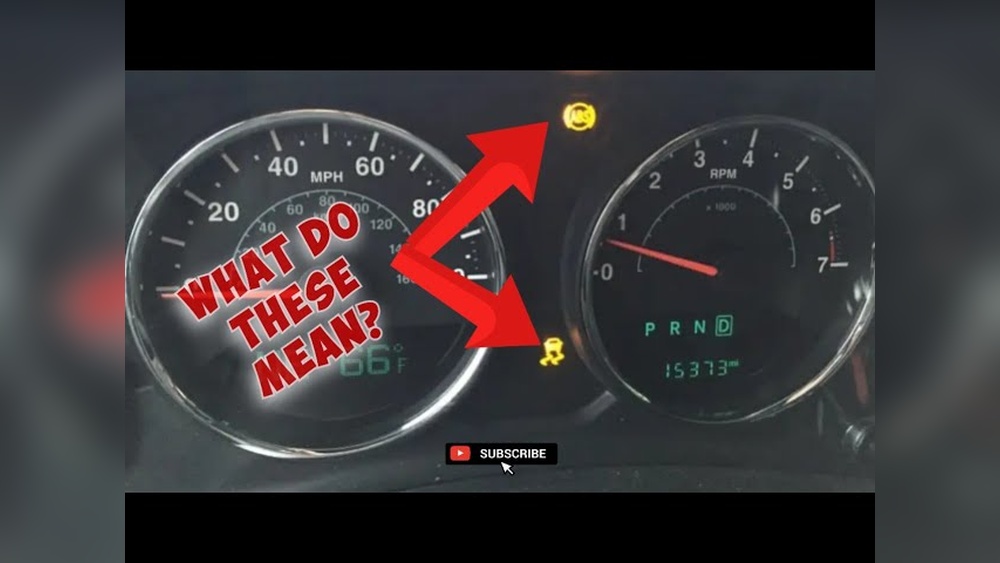
If you’ve recently seen the P0138 code pop up on your Jeep Grand Cherokee’s dashboard, you’re probably wondering what it means and how to fix it. This code points to an issue with your vehicle’s oxygen sensor, which can affect your Jeep’s performance and fuel efficiency.
Understanding the P0138 code is key to getting your Grand Cherokee back to running smoothly. You’ll learn exactly what triggers this code, common causes behind it, and simple steps you can take to diagnose and fix the problem. Keep reading to protect your ride and avoid costly repairs down the road.
What P0138 Means
The P0138 code signals a problem with your Jeep Grand Cherokee’s oxygen sensor. It points to a high voltage issue in the sensor circuit. This sensor plays a key role in your vehicle’s emission control system. It helps your engine run efficiently and keep emissions low.
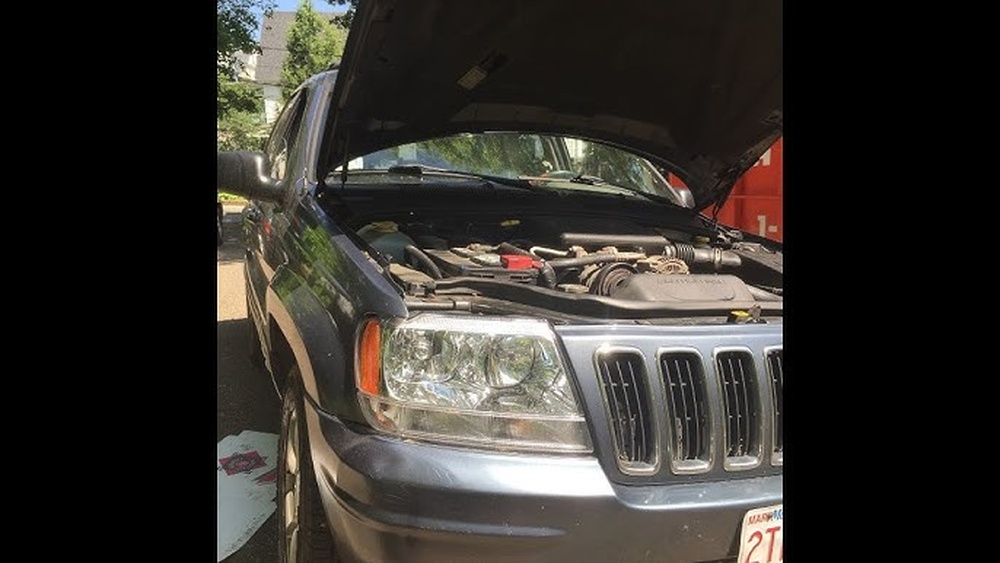
When this code appears, it means the sensor is sending a voltage higher than normal. This can lead to poor fuel economy and increased emissions. Understanding what causes this code helps with effective repairs.
Oxygen Sensor Role
The oxygen sensor measures the oxygen level in the exhaust gases. It sends this data to the engine control module (ECM). The ECM uses this info to adjust the air-fuel mix. A correct mix ensures better fuel efficiency and less pollution.
In the Jeep Grand Cherokee, the sensor sits before the catalytic converter. It constantly monitors exhaust gases to keep the engine running well. If the sensor fails, the engine may run too rich or lean.
High Voltage Signal Explained
The P0138 code means the oxygen sensor’s voltage signal is too high. Normally, the voltage swings between 0.1 and 0.9 volts. High voltage means the sensor is reading very little oxygen. This often means the engine runs rich.
A high voltage signal can result from a faulty sensor or wiring issues. It may also come from exhaust leaks or fuel system problems. The sensor sends false data, confusing the ECM and triggering the code.

Common Causes
The P0138 code in a Jeep Grand Cherokee signals a problem with the oxygen sensor circuit. This code points to high voltage from the oxygen sensor heater circuit. Several issues can cause this code to appear. Understanding these common causes helps in proper diagnosis and repair.
Faulty Oxygen Sensor Heater
The oxygen sensor heater warms the sensor for accurate readings. A faulty heater can cause the sensor to send wrong signals. This failure triggers the P0138 code. Over time, the heater may wear out or short internally. Replacing the oxygen sensor often fixes this issue.
Wiring Issues And Shorts
Damaged wiring can cause false high voltage readings. Worn wires, loose connections, or shorts disrupt the sensor’s signal. This interrupts communication with the engine control module. Inspecting the wiring harness and connectors is essential. Repairing or replacing damaged wires restores proper function.
Exhaust Leaks Impact
Leaks in the exhaust system affect oxygen sensor readings. They allow extra air to enter, causing inaccurate voltage signals. This can trigger the P0138 code. Checking for leaks near the sensor is crucial. Fixing leaks improves sensor performance and avoids false codes.
Diagnosing P0138
Diagnosing the P0138 code on a Jeep Grand Cherokee requires a careful approach. This code signals a high voltage from the oxygen sensor circuit. The issue often lies in the sensor, wiring, or connectors. Pinpointing the exact cause helps avoid unnecessary repairs. Below are key steps to diagnose this problem effectively.
Checking Sensor Voltage
Start by measuring the oxygen sensor voltage with a digital multimeter. The sensor should produce a voltage between 0.1 and 0.9 volts under normal conditions. A reading consistently above 0.9 volts indicates a problem. Monitor the sensor as the engine runs. Sudden spikes or constant high voltage confirms the P0138 code.
Inspecting Wiring And Connectors
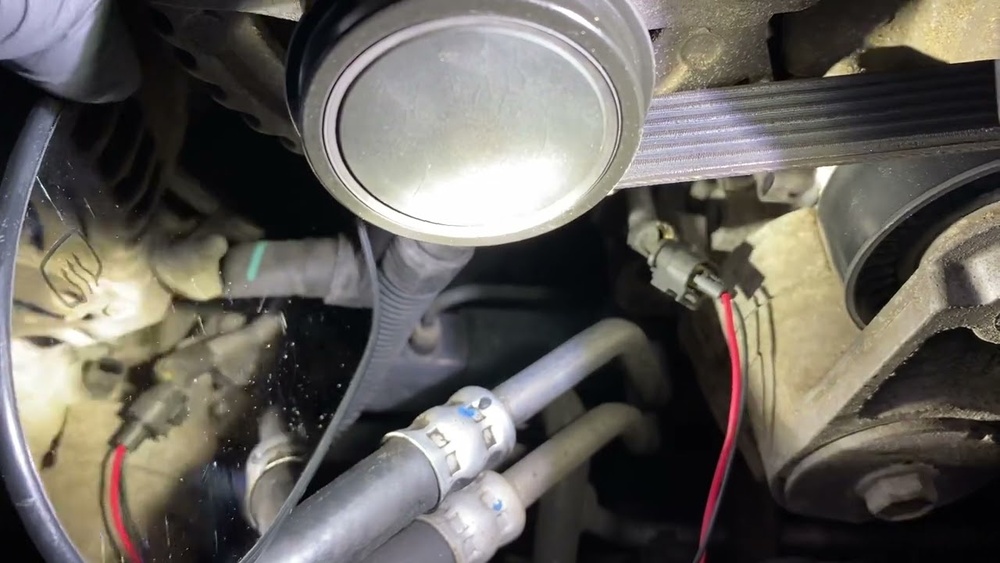
Look for damaged or corroded wires around the oxygen sensor. Check connectors for loose pins or dirt buildup. Use a flashlight to inspect hidden spots. Bent or broken wires cause voltage errors. Secure all connections firmly. Replace any damaged wiring or connectors found during inspection.
Using Diagnostic Tools
A scan tool can read live data from the oxygen sensor. It shows real-time voltage and sensor response speed. Compare these readings to manufacturer specifications. The scan tool can also reset trouble codes after repairs. Use it to verify if the P0138 code returns. This tool helps confirm whether the problem is solved or still present.
Quick Fixes
Dealing with the P0138 code on your Jeep Grand Cherokee can feel tough. Quick fixes often solve the problem without big repairs. These simple steps save time and money. Follow the guide below to fix the issue fast and get back on the road.
Resetting The Code
Start by turning off your Jeep’s engine. Use an OBD-II scanner to clear the error code. This resets the system and may stop the warning light. Sometimes, the code appears due to a temporary glitch. After resetting, drive your Jeep for a while. Check if the code returns before trying other fixes.
Repairing Wiring Faults
Inspect the oxygen sensor wiring for damage. Look for broken or frayed wires near the sensor. Fix any loose connections or corroded terminals. Wiring issues can cause false signals to the engine control unit. Use electrical tape or replace wires to restore good contact. Proper wiring ensures the sensor works correctly.
Cleaning Or Replacing The Sensor
Dirt and deposits can block the oxygen sensor. Remove the sensor carefully using the right tools. Clean it with a sensor-safe cleaner to remove grime. If cleaning does not help, replace the sensor with a new one. A clean, working sensor sends accurate data to your Jeep’s computer. This step often clears the P0138 trouble code.
Sensor Replacement Tips
Replacing the oxygen sensor related to the P0138 code on your Jeep Grand Cherokee can improve engine performance. Proper sensor replacement helps fix faulty readings and restores fuel efficiency. Follow these simple tips to ensure a smooth sensor swap.
Choosing Compatible Parts
Pick an oxygen sensor designed for your Jeep Grand Cherokee model year. Use OEM parts or high-quality aftermarket sensors. Avoid cheap sensors as they may fail quickly. Check the sensor number and connector type before buying. Compatibility ensures accurate readings and longer sensor life.
Tools Needed For Replacement
Gather all tools before starting the replacement. You will need an oxygen sensor socket or a 7/8-inch wrench. A ratchet with an extension helps reach tight spots. Use penetrating oil to loosen stuck sensors. Safety gloves protect your hands from heat and sharp edges.
Step-by-step Sensor Swap
Start by warming up the engine. This loosens the sensor and reduces break risk. Turn off the engine and let it cool slightly. Disconnect the negative battery terminal for safety. Locate the faulty oxygen sensor near the exhaust manifold or pipe. Spray penetrating oil on the sensor threads and wait five minutes.
Use the oxygen sensor socket or wrench to turn the sensor counterclockwise. Remove the old sensor carefully. Compare it with the new sensor to confirm the match. Screw in the new sensor by hand to avoid cross-threading. Tighten it with the wrench until snug but do not over-tighten.
Reconnect the sensor wiring harness. Reattach the battery terminal. Start the engine and check for warning lights. Clear any error codes with an OBD-II scanner if needed. Test drive to ensure proper sensor function.
Preventive Maintenance
Preventive maintenance is key to avoiding the P0138 code in your Jeep Grand Cherokee. This error signals a problem with the oxygen sensor, which affects engine performance and emissions. Taking care of related parts keeps your vehicle running smoothly. Small checks and upkeep save you from costly repairs and breakdowns.
Follow simple steps to extend the life of your oxygen sensor and exhaust system. Keep your Jeep in top shape with regular attention to sensors, exhaust, and electrical parts. This section covers easy ways to maintain these components.
Regular Sensor Checks
Test oxygen sensors often to catch early faults. Use a scanner to monitor sensor voltage and heater function. Replace worn or damaged sensors quickly. Clean sensor connectors to prevent dirt buildup. Healthy sensors improve fuel efficiency and lower emissions.
Avoiding Exhaust Damage
Inspect the exhaust system for leaks or rust. Damage can cause false sensor readings and trigger the P0138 code. Avoid rough driving on rocky roads to protect exhaust pipes. Fix holes or cracks as soon as you spot them. A solid exhaust supports sensor accuracy and engine health.
Maintaining Electrical Connections
Check wiring and plugs linked to the oxygen sensor. Loose or corroded connections cause signal loss and error codes. Use dielectric grease to keep connectors clean and dry. Secure wires to prevent strain or breaks. Good electrical contacts ensure correct sensor data to the computer.
When To Seek Professional Help
Knowing when to seek professional help for a P0138 code on your Jeep Grand Cherokee is important. This code points to issues with the oxygen sensor circuit. Some problems are simple and can be fixed at home. Others involve complex electrical faults that need expert skills. Acting at the right time avoids further damage and keeps your Jeep running smoothly.
Signs Of Complex Electrical Issues
Unusual flickering dashboard lights can signal wiring problems. If the check engine light stays on after replacing parts, the issue may be deeper. Erratic engine performance or poor fuel economy suggests electrical faults. Strange smells or burning wires under the hood need immediate attention. These signs show that a simple fix may not be enough.
Benefits Of Expert Diagnosis
Professional mechanics use advanced tools to find hidden faults. They can test the oxygen sensor and its wiring thoroughly. Experts prevent costly mistakes by pinpointing the exact cause. Proper diagnosis saves time and money in the long run. It also ensures your Jeep meets emissions standards and runs safely.
Finding Trusted Repair Shops
Choose repair shops with good reviews and Jeep experience. Certified technicians understand the specifics of your Grand Cherokee. Ask about warranty on parts and labor for peace of mind. Local shops often offer personalized service and quick turnaround. Visit a trusted shop to get accurate repairs and reliable advice.

Conclusion
The P0138 code in a Jeep Grand Cherokee points to an oxygen sensor issue. This sensor helps control fuel and emissions. Fixing it keeps your engine running well and saves fuel. Check the sensor’s wiring and heater circuit first. Replacing a faulty sensor often solves the problem.
Regular maintenance can prevent this code from returning. Stay alert to warning signs and address them quickly. Your Jeep will perform better and last longer with proper care. Simple steps can avoid costly repairs later.