If you’ve ever noticed the ESP BAS light glowing on your Jeep’s dashboard, you might be wondering what it means and whether you should be concerned. This warning isn’t just a random alert—it’s your Jeep’s way of telling you that its safety systems are working hard or need some attention.
Understanding what ESP BAS stands for and why the light comes on can help you keep control on the road and avoid costly repairs. You’ll learn exactly what ESP BAS means, what causes the light to appear, and what steps you can take to fix it.
Keep reading to ensure your Jeep stays safe and reliable every time you drive.
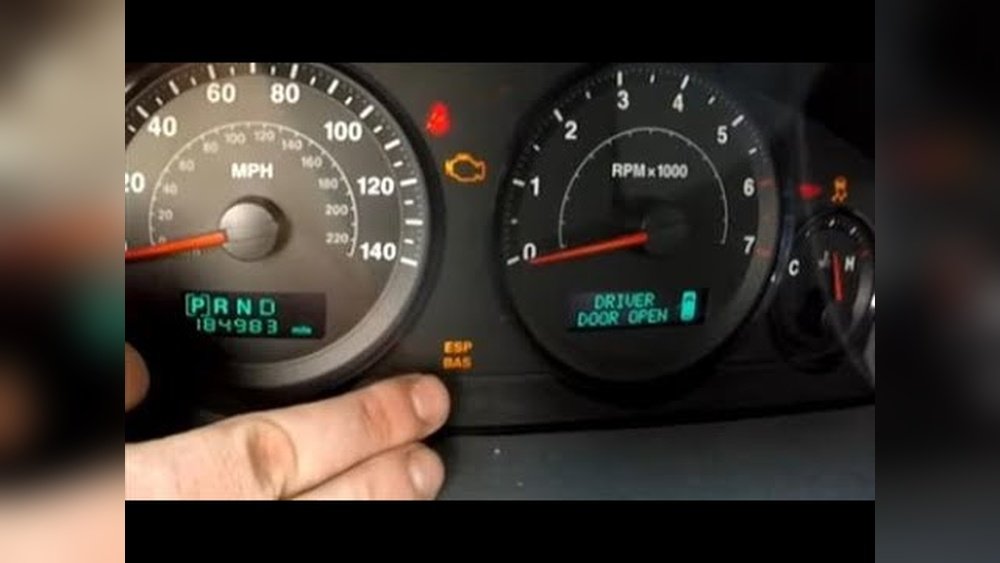
Esp And Bas In Jeeps
The Electronic Stability Program (ESP) in your Jeep helps keep the vehicle steady and safe. It works by checking various signals from the car to detect if it starts to lose control. The system then makes small adjustments to help you stay on track. Understanding how ESP works helps you appreciate its role in your Jeep’s safety features.
Monitoring Traction And Steering
ESP constantly watches the speed of each wheel and the angle of the steering wheel. It compares the direction you want to go with the actual movement of the Jeep. If the system notices the Jeep sliding or not turning as expected, it knows traction is lost. This early detection helps prevent skidding or spinning out.
Automatic Brake Application
Once ESP detects a loss of control, it applies the brakes to specific wheels automatically. This helps guide the Jeep back to the intended path. The system may also reduce engine power to slow down the vehicle gently. These quick actions improve stability without the driver needing to react fast.
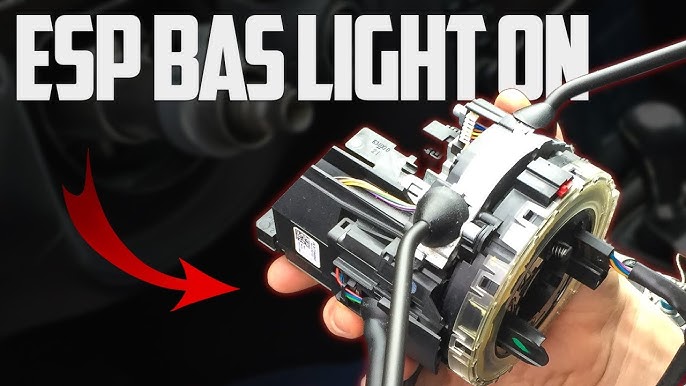
How Esp Works
The ESP BAS light in a Jeep signals an issue with safety systems. This light often appears due to problems in sensors or switches. Understanding common causes helps diagnose the problem quickly. Most issues relate to sensors that monitor wheel speed, steering angle, or the brake system. These components work together to keep your Jeep stable and safe. When one fails, the ESP BAS light will turn on to alert you.
Faulty Wheel Speed Sensors
Wheel speed sensors measure how fast each wheel spins. They send data to the ESP system to detect slipping or loss of traction. A faulty sensor may send wrong signals or no signals at all. Dirt, damage, or wiring issues can cause sensor failure. When this happens, the ESP BAS light turns on. The vehicle may lose traction control or anti-lock braking function.
Steering Angle Sensor Issues
The steering angle sensor tracks the direction of the steering wheel. It tells the ESP system the intended direction of travel. If this sensor malfunctions, the system cannot compare the vehicle’s path to the steering input. Causes include sensor misalignment, damage, or electrical faults. This leads to the ESP BAS light activating. The Jeep might feel unstable or show reduced control in turns.
Brake Light Switch Problems
The brake light switch detects when the brake pedal is pressed. It also signals the BAS to boost braking power in emergencies. A broken or misadjusted switch can confuse the system. This prevents the BAS from working properly. The ESP BAS light will illuminate to warn the driver. Brake response may feel weak or delayed during sudden stops.
How Bas Works
Alongside the ESP BAS warning light, your Jeep displays other important lights related to vehicle safety. These lights help you understand the status of your braking and traction systems. Recognizing these signals can prevent bigger problems and keep you safe on the road.
Abs Light
The ABS light stands for Anti-lock Braking System. It turns on if the system detects an issue. ABS stops your wheels from locking during hard braking. This helps maintain steering control in slippery conditions. If the light stays on, your ABS might not work properly. Drive carefully and get the system checked soon.
Traction Control Light
The traction control light shows the status of your Jeep’s traction control system. This system prevents wheel spin during acceleration. It helps keep your Jeep stable on slippery or uneven roads. The light may blink when the system is active. If it stays on, the traction control system could be faulty. Have it inspected to ensure safe driving.
Common Causes Of Esp Bas Light
Fixing ESP BAS issues in a Jeep is crucial for safe driving. These systems help keep control during slippery roads and sudden stops. When the ESP BAS light appears, it signals a problem with the Electronic Stability Program or Brake Assist System. Addressing these issues quickly prevents further damage and restores safety features.
Diagnosing Sensor Problems
Sensors play a key role in ESP and BAS functions. Faulty wheel speed sensors or steering angle sensors often cause the warning light. Mechanics use diagnostic tools to read error codes from the Jeep’s computer. This helps identify which sensor is malfunctioning. Visual inspections check for damaged wiring or loose connections. Early diagnosis saves time and repair costs.
Replacing Faulty Components
Once the faulty sensor or part is found, replacement is needed. Common parts include wheel speed sensors, brake light switches, and steering angle sensors. Jeep models vary, so it is important to use compatible parts. Replacing components restores proper function to the ESP and BAS systems. After replacement, the vehicle’s system is reset to clear error codes. This step ensures the warning light turns off.
Cost Estimates For Repairs
Repair costs depend on the problem’s complexity and parts needed. Sensor replacements can range from $100 to $300 each. Labor charges vary by location and mechanic rates. Sometimes multiple sensors need replacement, increasing costs. Software updates or system resets may add small fees. Regular maintenance helps avoid expensive repairs later. Getting a repair estimate before work starts is wise.
Preventing the ESP BAS light from turning on helps keep your Jeep safe and reliable. This light signals issues with the Electronic Stability Program or Brake Assist System. Avoiding its activation means you maintain full control over your vehicle’s safety features.
Simple habits can lower the chance of this warning light appearing. Staying proactive with your Jeep’s care is the best way to ensure smooth operation. Two key areas to focus on are regular maintenance and sensor care.
Regular Vehicle Maintenance
Routine checks keep your Jeep’s systems in top condition. Change brake fluid, inspect brake pads, and monitor tire health frequently. Worn brakes or uneven tires can trigger the ESP BAS light. Follow the manufacturer’s recommended service schedule closely. A well-maintained vehicle reduces sensor errors and system faults.
Sensor Cleaning And Checks
Sensors play a vital role in the ESP and BAS functions. Dirt, mud, or corrosion can block sensor signals. Clean wheel speed sensors and steering angle sensors carefully. Check sensor wiring for damage or loose connections. Faulty sensors often cause false warnings or light activation. Regular sensor inspection prevents unexpected system alerts.

Conclusion
ESP BAS in a Jeep helps keep you safe by improving stability and braking. It works by controlling your brakes and engine when driving feels slippery or unstable. When the ESP BAS light turns on, it signals a possible issue with sensors or brake components.
Fixing these problems quickly helps your Jeep perform better and stay safe on the road. Understanding ESP BAS means you know more about your vehicle’s safety features. Always pay attention to warning lights to protect yourself and others while driving.