If you own a Jeep and have encountered the mysterious U140A code, you’re probably wondering what it means and how it affects your vehicle. This code can cause issues that impact your Jeep’s performance and safety, especially related to communication between key systems.
Understanding the U140A Jeep code is crucial to keeping your ride smooth and trouble-free. You’ll learn what triggers this code, common symptoms to watch for, and simple steps you can take to diagnose and fix the problem. Keep reading to protect your Jeep and get back on the road with confidence.

U140a Jeep Code Basics
The U140A code is a common trouble code in Jeep vehicles. It relates to communication errors in the vehicle’s control modules. This code indicates a problem with the data link between the powertrain control module and the vehicle communication network.
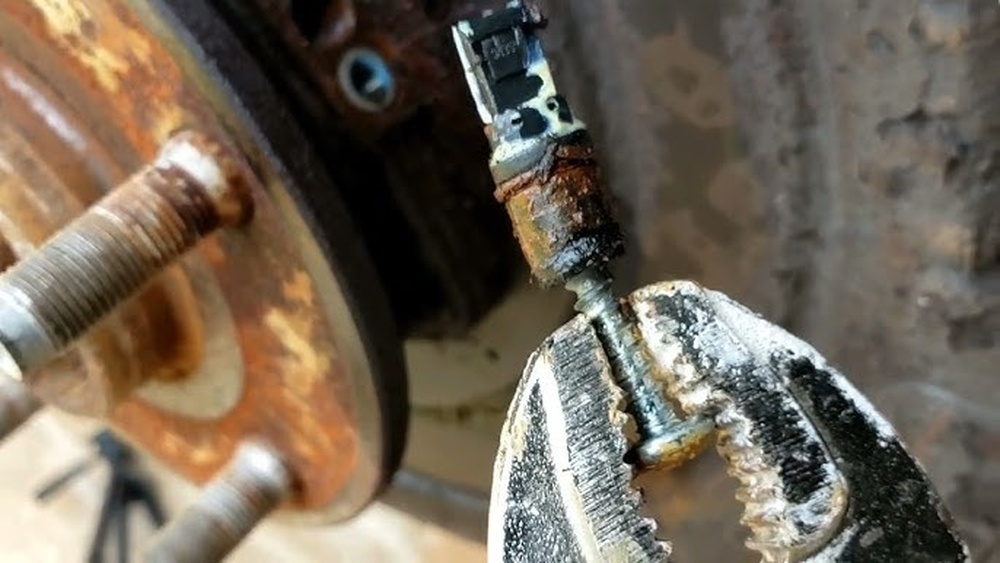
Understanding the U140A code helps in diagnosing Jeep issues quickly. It points to faults that affect vehicle performance and safety systems. Early detection can prevent further damage and costly repairs.
What Triggers U140a Code
The U140A code triggers when the control module loses communication. This can happen due to wiring problems or faulty modules. Damaged connectors or corrosion can disrupt the data signals. Sometimes, software glitches in the control units cause this error.
Common triggers include bad wheel speed sensors, damaged wiring harnesses, and defective ABS modules. Rough driving conditions can worsen these issues. Identifying the cause requires checking all related components.
Symptoms Of U140a Error
Symptoms include jerky acceleration or sudden loss of power. The vehicle may enter limp mode to protect itself. ABS and traction control may stop working properly. You might feel uneven braking or poor handling.
Sometimes, the speedometer might act erratically or stop working. Engine performance issues can also appear. These symptoms affect driving safety and comfort.
The U140A code often triggers multiple warning lights on the dashboard. The ABS light is one of the first to appear. The traction control light may also illuminate. Check engine light can come on as well.
These lights warn drivers about critical system failures. Ignoring them can lead to bigger problems. Always address these warnings promptly to keep your Jeep safe.

Wheel Speed Sensor Role
The wheel speed sensor plays a critical role in the U140A Jeep’s safety and performance systems. It monitors the speed of each wheel and sends this data to the vehicle’s computer. This information helps control systems like ABS and traction control to work effectively. Without accurate signals from these sensors, the Jeep cannot maintain proper stability or braking power.
Sensor Function In Abs And Traction Control
The wheel speed sensor detects how fast each wheel spins. The ABS system uses this data to prevent wheel lock during hard braking. It helps keep control and stop distance short on slippery roads. Traction control relies on the sensor to detect wheel slip. When slip occurs, the system reduces engine power or applies brakes to specific wheels. This keeps the Jeep stable and moving safely on rough terrain.
Common Sensor Issues
Sensors can fail due to dirt, corrosion, or physical damage. Wiring problems from road debris or rubbing against suspension parts also cause failures. A worn wheel bearing can affect the sensor’s tone ring, leading to poor signals. Faulty sensors may cause warning lights on the dashboard. They can also trigger limp mode, limiting vehicle performance for safety.
Impact On Vehicle Performance
Bad wheel speed sensors disrupt ABS and traction control functions. This increases the risk of wheel lock or loss of traction. The Jeep may experience uneven braking or reduced stability. Faulty sensors can cause the transmission to shift improperly. This leads to rough driving and potential damage. Fixing sensor issues restores smooth, safe driving and protects vehicle components.
Diagnosing U140a Issues
The U140A Jeep transmission can show issues that are tricky to diagnose. Many problems relate to wheel speed sensors, wiring, or bearings. Proper diagnosis helps avoid costly repairs and keeps your Jeep running smoothly.
Start with basic checks and follow systematic steps. This approach finds the root cause faster. Below are key steps for diagnosing U140A issues effectively.
Reading And Interpreting Error Codes
Use an OBD-II scanner to read error codes from your Jeep’s computer. These codes give clues about the problem’s location. Codes related to wheel speed sensors or ABS often point to U140A faults.
Write down all codes before clearing them. Some codes may reappear after test drives. Look up each code’s meaning in a repair manual or online database. This step guides your next inspections.
Inspecting Wiring And Connectors
Check wiring harnesses near the affected wheels. Look for broken, frayed, or corroded wires. Dirt and moisture can cause poor connections.
Unplug connectors and inspect their pins. Clean any corrosion with electrical contact cleaner. Reconnect securely to ensure good contact. Damaged wires often cause sensor signal loss or errors.
Testing Wheel Speed Sensors
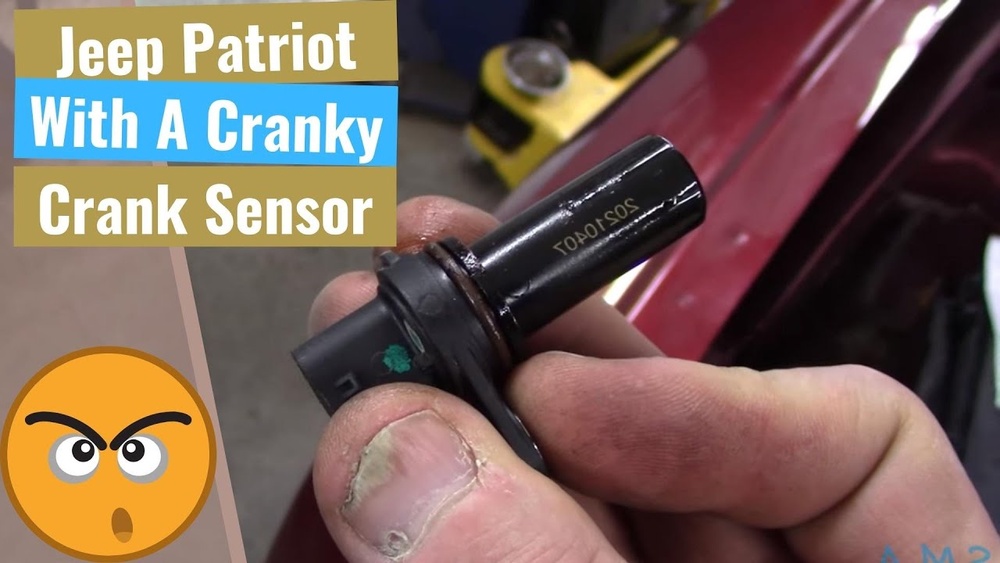
Wheel speed sensors measure rotation and send signals to the computer. Use a multimeter to test sensor resistance. Compare readings to Jeep specifications in the manual.
Spin the wheel and watch sensor output for changes. No signal or erratic readings mean the sensor is faulty. Clean sensors to remove dirt or metal debris that blocks signal.
Checking Wheel Bearings
Bad wheel bearings cause excess wheel movement. This movement can damage the tone ring or sensor. Lift the Jeep and check each wheel for play.
Spin the wheel and listen for grinding noises. Worn bearings affect sensor accuracy and trigger error codes. Replace bearings if you find noise or looseness.
Common Causes Of U140a
The U140A error code is common in Jeep vehicles and points to problems in the ABS and traction control system. Understanding what causes this code helps in quick diagnosis and repair. Several key parts can trigger the U140A code, often related to wheel speed sensing and communication issues.
These problems affect your Jeep’s safety features, such as anti-lock brakes and traction control. Detecting the exact cause saves time and money on repairs. Below are the most common causes of the U140A code in Jeep models.
Faulty Wheel Speed Sensor
The wheel speed sensor measures how fast each wheel spins. A dirty or damaged sensor gives wrong signals to the vehicle’s computer. This confusion causes the U140A code to appear. Sensors can fail due to dirt, corrosion, or impact damage.
Cleaning or replacing the sensor often fixes the problem. Proper sensor function is vital for ABS and traction control to work well.
Damaged Wiring Harness
The wiring harness connects the wheel speed sensor to the vehicle’s computer. Wires may break or fray from road debris or rubbing against suspension parts. Damaged wiring causes signal loss or errors.
Inspecting and repairing the wiring harness ensures proper communication. Fixing broken wires often clears the U140A code and restores system function.
Worn Wheel Bearings And Hubs
Wheel bearings and hubs support the wheel’s rotation. Over time, they wear out and allow too much play. This movement affects the tone ring that the sensor reads.
A wobbling tone ring causes sensor errors and triggers the U140A code. Replacing worn bearings or hubs stops this issue and protects the sensor.
Abs Module Communication Errors
The ABS module controls the anti-lock braking system. Communication errors between the ABS module and other systems can cause the U140A code. These errors may stem from internal faults or wiring issues.
Diagnosing ABS module problems requires scanning and testing. Repairing or replacing the module restores proper system communication and clears the code.
Fixes And Repairs
The U140A Jeep requires regular fixes and repairs to keep running smoothly. Addressing common issues prevents bigger problems. Simple repairs restore safety and performance quickly. This section covers key repairs for sensors, wiring, wheel bearings, and the ABS system.
Cleaning And Replacing Sensors
Wheel speed sensors detect how fast each wheel turns. Dirt or rust on sensors causes wrong readings. Clean sensors with a soft brush and mild cleaner. Replace sensors if cleaning does not fix the issue. Faulty sensors trigger warning lights and affect braking.
Repairing Wiring And Connectors
Wiring connects sensors to the vehicle’s computer. Worn or broken wires cause sensor failure. Check for frayed or damaged wires near wheels. Repair or replace faulty connectors to restore signal flow. Secure loose wires to avoid future damage.
Replacing Wheel Bearings
Wheel bearings allow wheels to spin freely. Worn bearings cause noise and affect sensor signals. Remove the wheel and hub assembly for bearing inspection. Replace bearings if they show play or roughness. Proper bearing function helps the ABS system work correctly.
Resetting The Abs System
The ABS system controls wheel braking to prevent skids. After repairs, reset the ABS system to clear errors. Use an OBD-II scanner to reset the ABS light. Drive the Jeep at low speed to test the system. Resetting ensures the ABS works as intended.
Performance Upgrades
The U140A Jeep benefits greatly from targeted performance upgrades. These enhancements improve reliability and durability, especially for off-road conditions. Upgrading key components ensures smoother drives and better control on tough terrains.
Each upgrade focuses on areas prone to stress and failure. This reduces maintenance and keeps your Jeep performing at its best. Below are some critical performance upgrades that matter most.
Upgraded Sensors For Off-roading
Standard sensors can struggle with mud, water, and vibrations. Upgraded sensors offer improved accuracy and durability. They resist dirt and moisture better, providing reliable data to your vehicle’s systems. This ensures traction control and ABS work effectively in rough environments.
Enhanced Wiring Protection
Wiring damage is common during off-road driving due to rocks and debris. Enhanced wiring protection uses tougher materials and better routing. This prevents shorts and disconnections, maintaining electrical system integrity. Your Jeep stays safe from unexpected electrical failures.
Improved Wheel Bearings
Wheel bearings face heavy loads and rough terrain impacts. Upgraded bearings have stronger seals and higher-quality materials. They reduce friction and heat, extending bearing life. This upgrade lowers the risk of wheel noise and failure during long drives.
Aftermarket Abs Modules
Aftermarket ABS modules offer better resistance to off-road stresses. These modules handle erratic wheel speeds and harsh vibrations more efficiently. They improve braking performance and reduce false ABS warnings. This upgrade enhances safety on slippery or uneven trails.
Preventive Maintenance Tips
Maintaining your U140A Jeep ensures smooth performance and prevents costly repairs. Regular preventive care helps detect issues early and keeps your vehicle reliable. Focus on key areas like sensors, wiring, bearings, and software to avoid unexpected breakdowns.
Regular Sensor Cleaning
Wheel speed sensors collect dirt and debris from the road. This buildup can cause inaccurate readings or sensor failure. Clean sensors gently with a soft brush and mild cleaner every few months. Avoid harsh chemicals that may damage sensor components. Clean sensors help your Jeep’s ABS and traction control work correctly.
Routine Wiring Inspections
Wiring near wheel sensors can wear from road debris or suspension movement. Inspect wires for cracks, frays, or loose connections regularly. Damaged wiring can interrupt sensor signals and cause warning lights. Fix any wire problems quickly to maintain proper sensor function and avoid electrical faults.
Wheel Bearing Checks
Worn wheel bearings cause sensor tone ring wobbling. This leads to false readings or sensor damage. Listen for grinding or humming noises while driving. Check for wheel play by shaking the tire at different angles. Replace bearings showing wear to protect sensors and improve ride quality.
Software Updates And Resets
Jeep manufacturers release software updates for transmission and sensor systems. These updates improve performance and fix bugs. Visit your dealer to check for available updates. Resetting the transmission control module can clear error codes after repairs. Keep software current to optimize your U140A Jeep’s function.
Troubleshooting Limp Mode
Limp mode is a safety feature in the U140A Jeep transmission. It limits the vehicle’s power and speed to protect the engine and transmission. When limp mode activates, the Jeep feels slower and less responsive. This mode helps avoid further damage but can be frustrating. Understanding how limp mode works and how to fix it can save time and money.
Connection Between U140a And Limp Mode
The U140A transmission controls shifting and power delivery. It uses sensors and a computer to monitor performance. If the system detects a fault, it triggers limp mode. Common triggers include faulty sensors, wiring problems, and transmission fluid issues. Limp mode prevents severe damage by forcing the Jeep into a safe state.
Steps To Exit Limp Mode
First, check the transmission fluid level and condition. Low or dirty fluid causes issues. Next, inspect sensor connections for damage or corrosion. Clean or replace parts if needed. Reset the error codes using an OBD-II scanner. Drive the vehicle gently to see if limp mode clears. If limp mode persists, repeat these steps or check for new faults.
When To Seek Professional Help
Persistent limp mode may signal serious problems. If basic fixes do not work, visit a mechanic. Professionals can diagnose complex sensor or transmission faults. They have tools to read detailed error codes. Avoid driving long distances in limp mode. Early repair prevents costly transmission damage and keeps your Jeep safe.
User Experiences And Solutions
The U140A Jeep transmission has earned a reputation for reliability. Still, owners often face common issues that need attention. Many drivers share their experiences online, offering practical solutions. These insights help others maintain and repair their vehicles effectively. User feedback highlights the most frequent problems and the fixes that work best.
This section explores DIY fixes, community advice, and helpful tutorials. These resources empower Jeep owners to tackle challenges confidently. Learning from others saves time and money.
Common Diy Fixes
Many U140A Jeep owners fix minor problems themselves. Fluid leaks often result from worn seals or gaskets. Replacing these parts can prevent damage. Transmission fluid changes are another simple maintenance task. Some drivers report success with flushing the system to improve shifting. Cleaning connectors and sensors also restores proper function. Basic tools and clear instructions make these repairs doable. These fixes keep the Jeep running smoothly without expensive shop visits.
Community Advice And Forums
Online forums are a goldmine for U140A Jeep users. Owners share detailed stories about issues and solutions. Active communities offer quick answers to specific problems. Members often post step-by-step repair guides and part recommendations. Forums also provide updates on common faults and recalls. Reading multiple experiences helps identify reliable fixes. Engaging with these groups builds confidence and skills for vehicle care. Many users praise the friendly and helpful tone in Jeep forums.
Youtube Tutorials And Guides
YouTube hosts numerous videos dedicated to U140A Jeep repairs. Visual guides show every step, from diagnosis to repair. Watching videos helps users understand complex tasks. Many creators focus on transmission-related problems and fixes. Some tutorials cover sensor cleaning, wiring checks, and fluid replacement. Viewers appreciate clear explanations and close-up shots. Tutorials often include tips to avoid common mistakes. Jeep owners find these videos useful for learning at their own pace.
Conclusion
The U140A Jeep offers solid performance and reliability. Its design suits both city streets and rough trails. Regular maintenance keeps it running smoothly. Understanding common issues helps avoid unexpected repairs. Whether daily driving or weekend adventures, it handles well. Investing time in care ensures longer vehicle life.
The U140A remains a practical choice for Jeep fans.