If you own a Jeep and have recently noticed the check engine light flickering on, there’s a good chance the P0365 code is behind it. This code points to an issue with your camshaft position sensor, a small but crucial part that helps your engine run smoothly.
Ignoring this warning can lead to rough starts, engine misfires, or even stalling—problems you don’t want to face on the road. You’ll learn what causes the P0365 code in your Jeep, how to spot the symptoms early, and what simple steps you can take to fix it before it turns into a bigger headache.
Keep reading to protect your Jeep and keep your drives trouble-free.
Symptoms Of P0365 Code
The P0365 code in a Jeep signals a problem with the camshaft position sensor circuit. Recognizing the symptoms early helps prevent further engine damage. These signs often affect the vehicle’s performance and drivability.
Check Engine Light Activation
The most common symptom is the check engine light turning on. This warning alerts you to the P0365 code. The light may stay on steadily or flash, depending on the issue’s severity.
Engine Starting Problems
The Jeep may have trouble starting or take longer to crank. This occurs because the engine control unit gets incorrect signals from the sensor. Starting issues might worsen over time without repair.
Engine Misfires And Stalling
The engine can misfire, run rough, or stall unexpectedly. These problems happen when the camshaft sensor data is inaccurate. Stalling might occur during idle or while driving, creating safety risks.

Causes Of Ignition Coil Issues
Ignition coil issues in a Jeep can cause engine misfires and poor performance. Understanding the causes helps identify problems faster. Several factors can lead to ignition coil failure or erratic behavior. These often involve related engine sensors and wiring problems. Below are some common causes that affect ignition coil function.
Faulty Camshaft Position Sensor
The camshaft position sensor controls ignition timing. It sends signals to the engine control module (ECM). A faulty sensor can send wrong or no signals. This confuses the ignition coil and disrupts spark timing. The result is misfires or the check engine light turning on. Replacing a bad sensor often fixes ignition coil issues.
Wiring And Connector Problems
Damaged wiring or loose connectors cause weak or no signals. Wires may fray from heat, vibration, or age. Corroded connectors block electrical flow. These issues interrupt communication between the sensor and ignition coil. Inspect wiring harnesses and connectors carefully. Repair or replace damaged parts to restore proper ignition function.
Oil Contamination Effects
Oil leaks near the camshaft sensor can cause trouble. Oil can seep into wiring or sensor housing. This creates short circuits or damages internal parts. Contaminated ignition components may fail or send faulty signals. Keeping the engine clean and fixing leaks prevents oil damage. Clean sensors and wiring help maintain ignition coil health.
Diagnosing The P0365 Code
Diagnosing the P0365 code on your Jeep involves pinpointing why the camshaft position sensor circuit is malfunctioning. This error indicates the sensor is not sending the correct signal to the engine control unit (ECU). Proper diagnosis helps avoid unnecessary part replacements and ensures your Jeep runs smoothly.
The process requires careful inspection and testing of the sensor system. Follow these key steps to identify the root cause of the problem.
Using An Obd-ii Scanner
Start by connecting an OBD-II scanner to your Jeep’s diagnostic port. The scanner reads trouble codes stored in the ECU memory. Confirm the presence of the P0365 code.
Some scanners display live data from the camshaft position sensor. Watch the sensor’s signal pattern during engine cranking and running. Erratic or missing signals confirm sensor issues. This tool saves time and improves accuracy in diagnosis.
Inspecting Wiring And Connectors
Next, check the wiring harness and connectors linked to the camshaft sensor. Look for damaged wires, loose pins, or corrosion. These problems can interrupt the sensor’s signal.
Gently wiggle the connectors while monitoring the sensor’s output with the scanner. Signal drops or fluctuations indicate wiring faults. Repair or replace damaged wiring and connectors to restore proper communication.
Checking For Oil Leaks
Oil leaks near the camshaft sensor can cause electrical shorts or sensor damage. Inspect the sensor and surrounding area for signs of oil seepage. Pay attention to the valve cover gasket and seals.
Clean any oil residue and repair leaks immediately. A clean sensor area prevents future failures. Replace the camshaft position sensor if oil contamination has compromised it.
Fixing The Ignition Coil Problem
Fixing the ignition coil problem on a Jeep with the P0365 code involves several key steps. This issue often relates to the camshaft position sensor and its connection to the ignition system. Proper diagnosis and repair can restore engine performance and prevent further damage.
Replacing The Camshaft Position Sensor
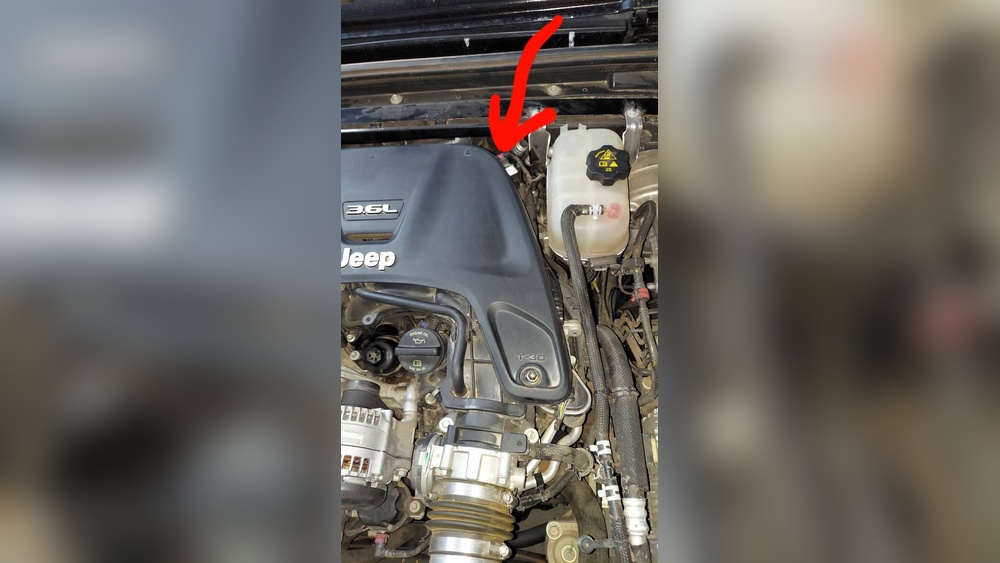
The camshaft position sensor sends crucial signals to the engine control unit. A faulty sensor can cause misfires and poor engine timing. Start by locating the sensor on the engine block. Remove the old sensor carefully and install a new, compatible one. Make sure the connections are secure. Test the vehicle to confirm the issue is resolved.
Repairing Wiring And Connectors
Wiring and connectors can wear out or become damaged over time. Check for frayed wires, corrosion, or loose connections near the camshaft sensor. Repair or replace any faulty wiring. Clean connectors to ensure proper electrical contact. Secure all wires to prevent rubbing against hot engine parts. This step often fixes intermittent sensor signals.
Addressing Oil Leak Issues
Oil leaks can damage the camshaft sensor and its wiring. Inspect the area around the sensor for any signs of oil seepage. Common leak points include valve cover gaskets. Fix the oil leak promptly to avoid sensor contamination. Replace the camshaft sensor if oil exposure has caused damage. Keeping the engine clean helps maintain sensor function.
Preventive Maintenance Tips
Preventive maintenance helps keep your Jeep running smoothly. It reduces the chance of the P0365 error code, which signals a camshaft sensor issue. Taking care of key parts early stops bigger problems. Follow these simple steps to protect your engine and avoid costly repairs.
Regular Sensor Inspections
Check the camshaft position sensor often. Look for dirt, damage, or loose connections. A clean and secure sensor sends accurate signals to your engine’s computer. Early inspection can catch issues before the sensor fails. Use a visual check or a scan tool for best results.
Keeping Engine Components Clean
Keep the engine area free of oil and grime. Dirt can block sensors or cause wrong readings. Clean parts help maintain good electrical connections. Use a soft cloth and proper cleaner to avoid damage. Clean engines run better and last longer.
Timely Oil Leak Repairs
Fix oil leaks quickly. Oil can drip onto sensors and wiring, causing shorts or corrosion. Repair leaks at their source to prevent sensor problems. Check seals, gaskets, and hoses regularly. Timely repairs protect your camshaft sensor and engine health.

Conclusion
The P0365 code signals an issue with the camshaft position sensor in your Jeep. Ignoring this problem may cause engine trouble and poor performance. Checking the sensor and its wiring helps find the root cause. Replacing a faulty sensor often solves the issue quickly.
Also, watch for oil leaks near the sensor area. Fixing these problems keeps your Jeep running smoothly and avoids bigger repairs. Stay alert to symptoms like rough idling or engine stalling. Taking action early saves time and money down the road.