Taking the hardtop off a Jeep is a rite of passage for many owners. It’s about feeling the wind, enjoying the sun, and making your ride more fun.
But if you’ve never done it before, removing the hardtop can seem difficult.
With the right steps and some helpful tips, you can do this safely and without damage. This guide shows you exactly how to take a hardtop off a Jeep, with clear advice for beginners and practical data to help you succeed.
What You Need Before You Start
Preparation makes the job easier and keeps your Jeep safe. Here’s what you’ll need:
- Basic tools: Torx bit set (usually size T40 or T50), ratchet, and screwdriver.
- Storage: A safe space to put the hardtop.
- Helpers: At least one friend to help lift the top.
- Protective items: Soft blankets or foam to prevent scratches.
- Optional hoist: For easier lifting, especially if you’re doing this alone.
Many Jeep owners forget to prepare a storage spot. Hardtops weigh between 120–150 lbs (for a 4-door model). This means you need a sturdy surface and enough room for the top.
Step-by-step: Removing The Hardtop
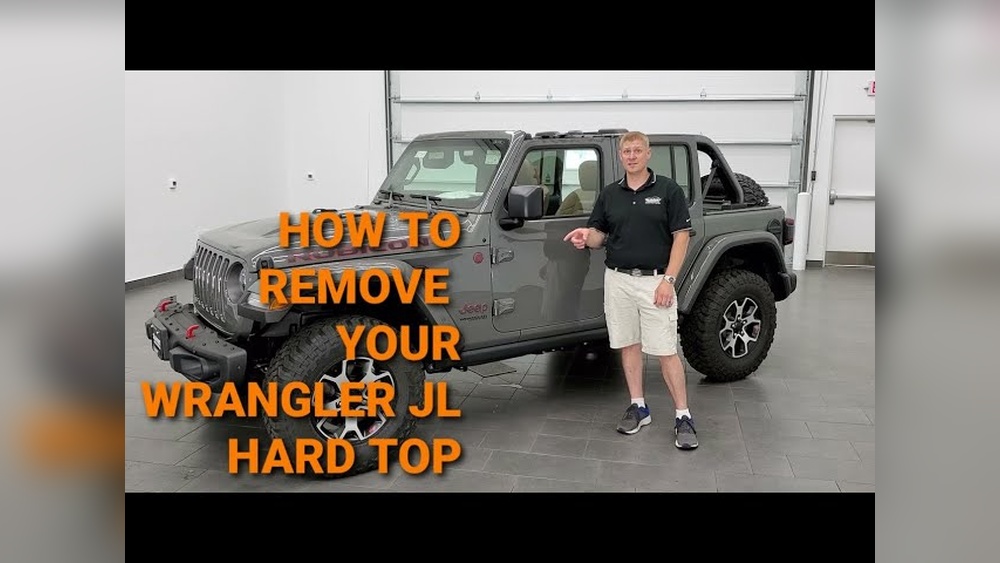
This section covers the basic process. The steps work for most Jeep Wrangler models (JK, JL, and Gladiator).
1. Remove The Freedom Panels
Most modern Jeeps have front panels called Freedom Panels. These are lighter pieces above the driver and passenger. Open the latches inside, then lift them off and set aside.
2. Disconnect Electrical And Washer Connections
If your Jeep has a rear wiper or defroster, unplug the connectors in the back. Look for the wire harness and washer hose near the rear passenger side. Gently pull to disconnect.
3. Unscrew Bolts Holding The Hardtop
Use your Torx bit to remove the bolts. There are usually 6–8 bolts:
- 2 above each rear seat
- 2 behind the rear seats
- 2 near the tailgate
Keep bolts in a small bag or box.
4. Lift The Hardtop Off
With all bolts removed, get your helper. Grip the hardtop at the sides, walk it backward, and lift evenly. Avoid tilting or dragging.
5. Store The Hardtop Safely
Place the top on blankets or foam in a dry area. If using a hoist, attach straps and lift slowly.
Common Mistakes To Avoid
- Forgetting to unplug wires can damage connectors.
- Not using a helper increases the risk of dropping or scratching the top.
- Leaving bolts loose can cause rattling and leaks.
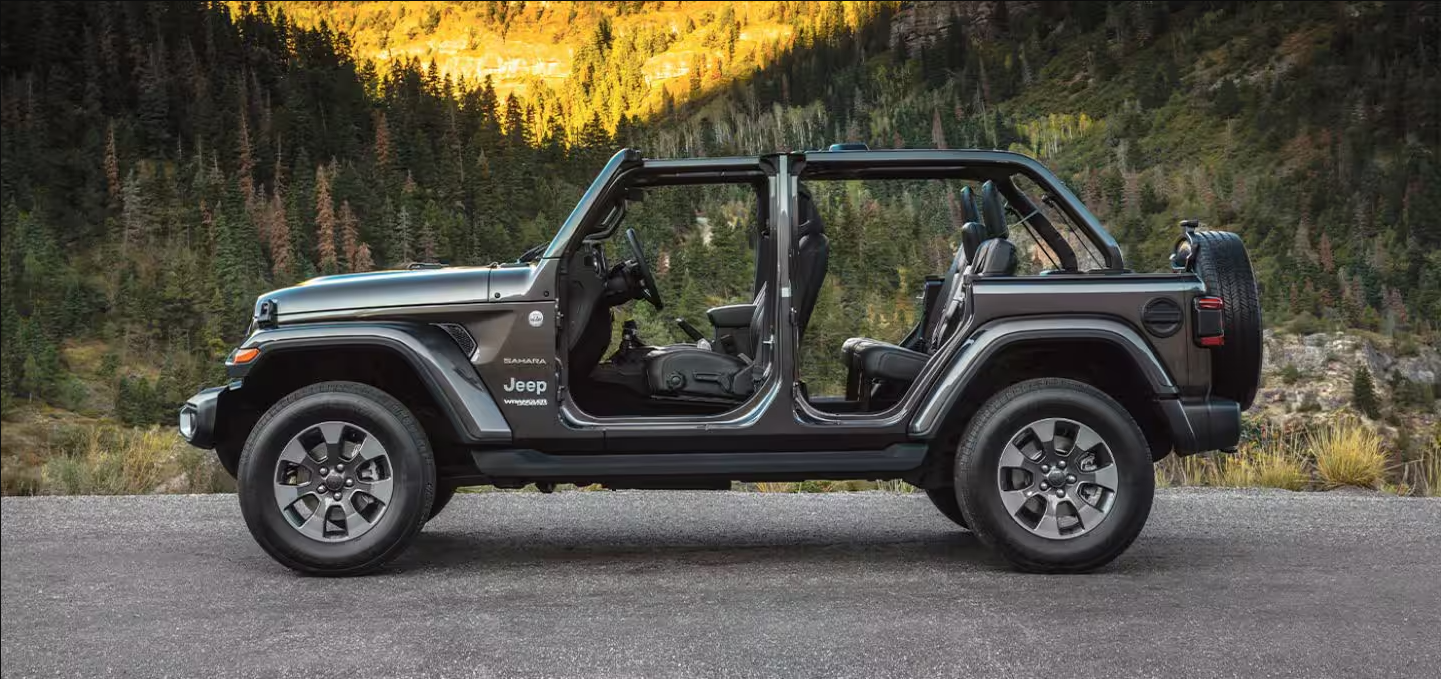
Jeep Hardtop Removal: Data & Comparison
Different Jeep models have unique hardtop weights and bolt locations. Here’s a comparison of popular models:
| Jeep Model | Hardtop Weight (lbs) | Bolt Count |
|---|---|---|
| Wrangler JK 2-door | 120 | 6 |
| Wrangler JK 4-door | 140 | 8 |
| Wrangler JL 2-door | 125 | 6 |
| Gladiator | 150 | 8 |
Many beginners don’t realize that the bolt pattern and top weight vary, making it important to check your Jeep’s manual before starting.
Practical Tips For Easy Removal
Some tips can make the process smoother and safer:
- Label your bolts: Use tape or small bags to mark where each bolt came from.
- Lubricate bolts: If bolts are rusty, use WD-40 to loosen.
- Check weather forecast: Avoid removing the top before rain; sudden storms can damage the interior.
- Use a hardtop hoist: This device lets you lift the hardtop alone. Garage-mounted hoists cost about $150–$350.
- Clean seals: Dirt in the rubber seals can cause leaks later. Wipe down seals before reinstalling.
Here’s a quick comparison of removal methods:
| Removal Method | Ease | Cost | Requires Helper? |
|---|---|---|---|
| Manual Lift | Medium | Free | Yes |
| Hardtop Hoist | Easy | $150–$350 | No |
| Professional Service | Very Easy | $50–$100 | No |
Most people choose manual lift for cost savings, but a hoist is a smart investment if you remove the top often.

Protecting Your Hardtop And Jeep
After removal, the hardtop should be stored in a way that prevents damage. Here’s how:
- Keep it off the ground: Use foam blocks or a stand.
- Cover it: Dust and moisture can cause scratches or mildew.
- Avoid sunlight: UV rays can fade the paint and seals.
Some owners use dedicated storage carts. These cost around $200 but make moving and protecting the top easier.
Reinstalling The Hardtop
Putting the hardtop back on is just as important as removal. Here’s a simple checklist:
- Clean contact points: Dirt or sand can cause leaks.
- Align the top: Place it squarely on the body.
- Reconnect wires and washer hose: Make sure they click firmly.
- Tighten bolts: Use your Torx bit and avoid overtightening.
- Replace Freedom Panels: Snap them back in and secure latches.
Many people forget to check the seals. If you notice water leaks after reinstalling, inspect the rubber for cracks or dirt.

Frequently Asked Questions
How Heavy Is A Jeep Hardtop?
Most Jeep hardtops weigh between 120 and 150 lbs. The weight depends on the model and whether it’s a 2-door or 4-door version.
Can I Remove The Hardtop Alone?
It’s possible, but risky. The top is heavy and bulky. Using a hardtop hoist or getting a friend’s help is much safer.
What Tools Do I Need To Take Off The Hardtop?
You need a Torx bit set (usually T40 or T50), a ratchet, and a screwdriver. Some models require extra bits, so check your manual.
Will Removing The Hardtop Affect My Jeep’s Warranty?
No, but improper removal can cause damage. Always follow instructions and avoid force. For official guidance, see the Jeep owner’s manual or visit the Jeep official site.
How Do I Prevent Leaks After Reinstalling The Hardtop?
Clean the rubber seals and check for cracks. Tighten all bolts firmly, but don’t overtighten. If leaks persist, consider replacing the seal.
Removing a hardtop from your Jeep is easier than it looks when you’re prepared. With the right tools, a helper, and careful steps, you can enjoy open-air driving and protect your vehicle.
Remember to store the hardtop safely and keep your bolts organized.
Following these steps keeps your Jeep looking great and ready for adventure.