If you’ve noticed the acronym “FCW” on your Jeep’s dashboard or in the owner’s manual and wondered what it means, you’re not alone. Understanding this feature is key to making the most of your vehicle’s safety technology.
FCW stands for Forward Collision Warning, a system designed to keep you alert and help prevent accidents before they happen. But how exactly does it work, and what should you do if you see an FCW alert? You’ll learn everything about FCW on your Jeep—how it protects you, how to respond to its warnings, and how to troubleshoot common issues.
Keep reading to ensure you and your Jeep stay safe on every drive.
Fcw Basics
Understanding the basics of FCW is important for Jeep drivers. FCW stands for Forward Collision Warning. This system helps prevent accidents by alerting you to potential crashes. Knowing how FCW works can improve your safety on the road.
What Fcw Means
FCW is a safety feature in many Jeep models. It uses sensors to watch the road ahead. When it detects a risk of collision, it sends warnings. These alerts can be sounds, lights, or vibrations. The goal is to give you time to react and avoid a crash.
How Fcw Works
The system uses cameras and radar sensors placed at the front of the Jeep. These sensors scan the distance and speed of vehicles ahead. If a sudden stop or obstacle is detected, FCW activates. First, it gives an audio or visual alert. If you do not respond, some models apply a slight brake tap. This brake jerk helps grab your attention and reduce impact risk.

Fcw Components
Active safety features in a Jeep help prevent accidents before they happen. These systems watch the road and warn the driver about potential dangers. They work quietly in the background to keep everyone safe. Two key features are Forward Collision Warning with Mitigation and Automatic Braking.
Forward Collision Warning With Mitigation
Forward Collision Warning (FCW) uses sensors to scan the road ahead. It alerts the driver with sounds and visual signals on the dashboard. The system warns if it detects a possible crash with another vehicle or obstacle. If the driver does not react quickly, the mitigation part activates.
Mitigation means the Jeep can apply light braking on its own. This action helps reduce the force of impact or avoid the collision entirely. The system works best in traffic or city driving where sudden stops happen often. It increases safety by giving the driver extra time to respond.
Automatic Braking
Automatic Braking works closely with the Forward Collision Warning system. It applies the brakes automatically if the driver misses the warning. The system can slow down or stop the Jeep to prevent a crash. This feature is especially helpful in emergencies or distracted driving situations.
Automatic Braking uses cameras and radar to measure the distance to the vehicle in front. It activates only when needed to avoid sudden stops while driving normally. This smart system helps keep you and your passengers safer on the road.
Alerts And Warnings
Troubleshooting the Forward Collision Warning (FCW) system on your Jeep is important for safety. The system alerts you to possible collisions ahead. Problems with FCW can cause false alerts or no warnings at all. This section helps identify common issues and simple fixes.
Common Warning Messages
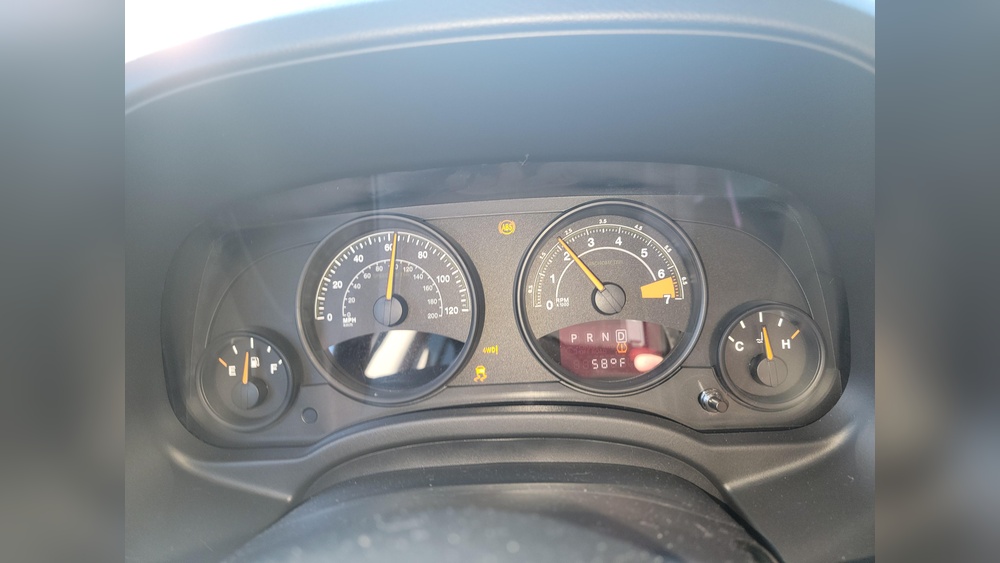
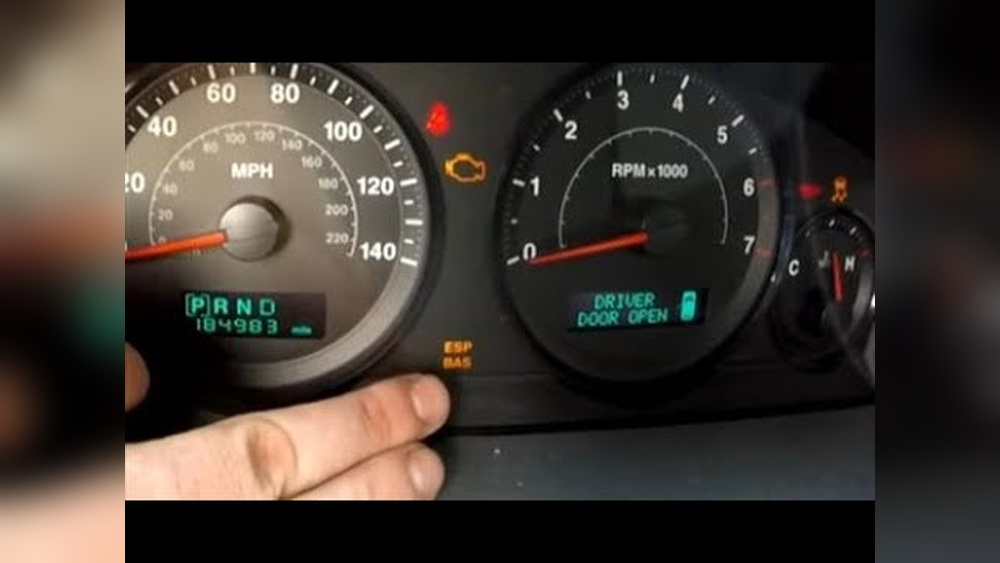
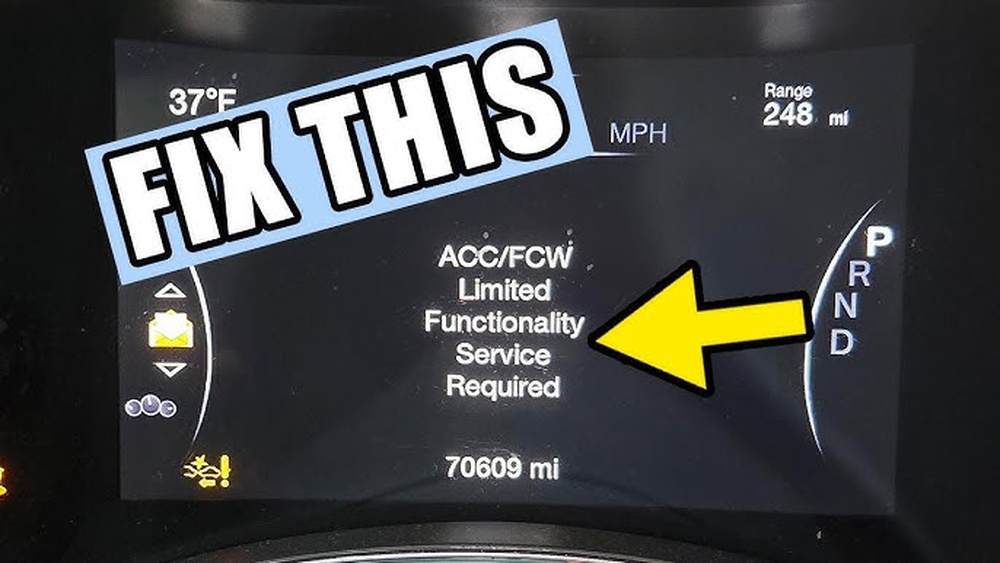
Your Jeep may show messages like “FCW Off” or “Service FCW.” These warnings mean the system has a problem. Sometimes, dirt or ice covers the sensors. Other times, the system needs a reset or repair. Do not ignore these messages. They help keep you safe on the road.
Sensor Cleaning And Maintenance
Sensors are usually located near the front grille or bumper. Dirt, mud, snow, or ice can block them. Clean sensors gently with a soft cloth and mild soap. Avoid using strong chemicals or high-pressure water. Regular cleaning helps the system work properly. Check sensors often, especially after bad weather.
System Resets
Sometimes, a simple reset can fix FCW issues. Turn off your Jeep and open and close the driver’s door. This action can reset some systems. You can also disconnect the battery for a few minutes, then reconnect it. Check your owner’s manual for exact reset steps. If problems continue, visit a Jeep service center for help.
Conclusion
FCW on a Jeep stands for Forward Collision Warning. It helps prevent accidents by alerting drivers to possible front crashes. The system uses sensors to detect obstacles ahead. It gives audible and visual warnings to grab your attention. Some models even apply light braking if needed.
Keep sensors clean for the system to work well. If the FCW light is on, check the system or visit a mechanic. Understanding FCW improves your safety and confidence on the road. Drive smart and stay aware with this helpful Jeep feature.