If you’ve seen the P1494 code pop up on your Jeep’s dashboard, you’re probably wondering what it means and how it affects your ride. This code points to a problem with the EVAP Leak Detection Pump (LDP) pressure switch, a key part of your vehicle’s emissions system.
Ignoring it can lead to poor performance or even prevent your engine from starting. But don’t worry—most causes are simple fixes like cracked hoses or wiring issues. You’ll learn exactly what triggers the P1494 code, how to spot the symptoms, and step-by-step tips to diagnose and fix the problem yourself.
Keep reading to get your Jeep back on the road smoothly and confidently.
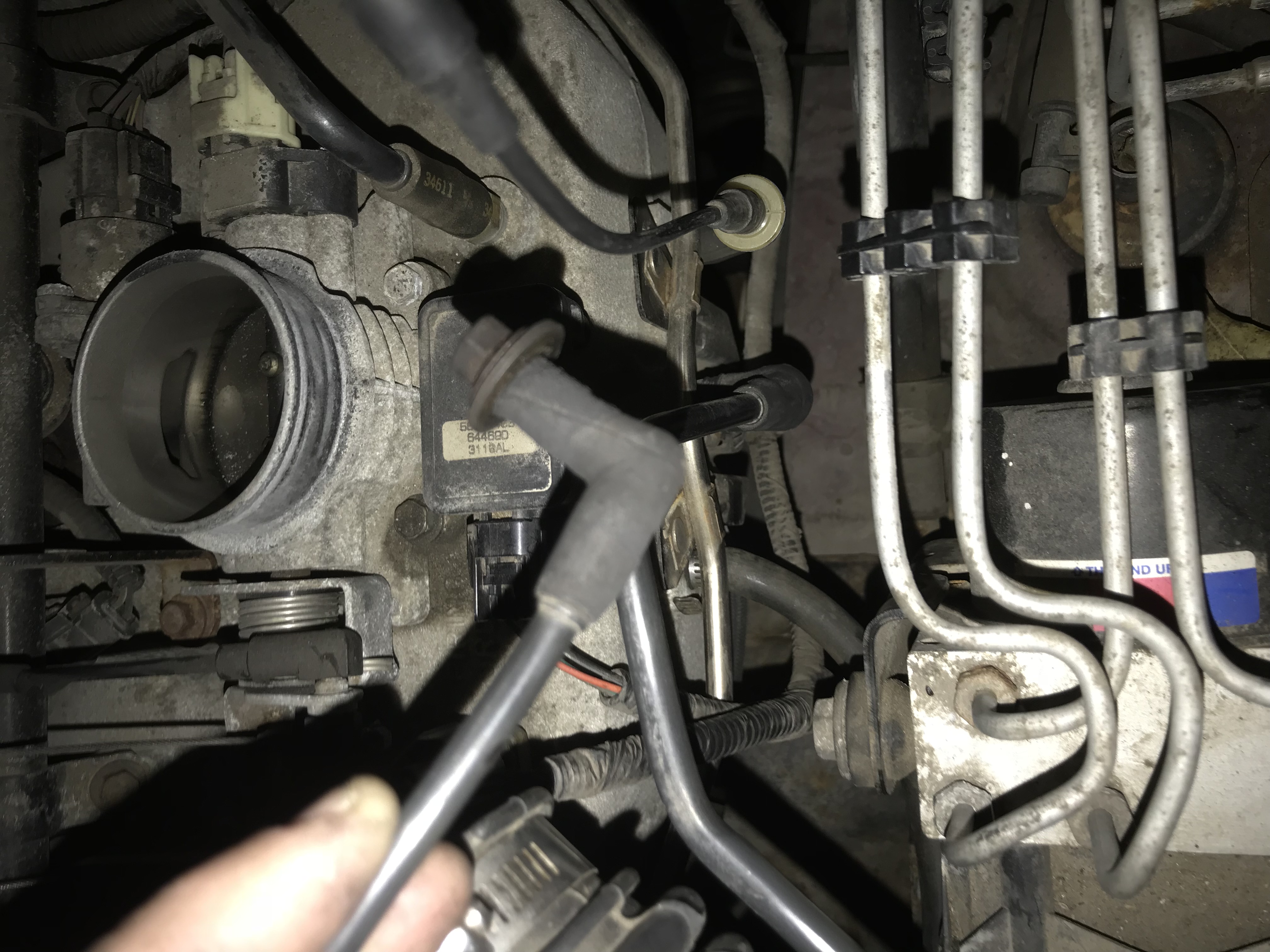
What P1494 Code Means
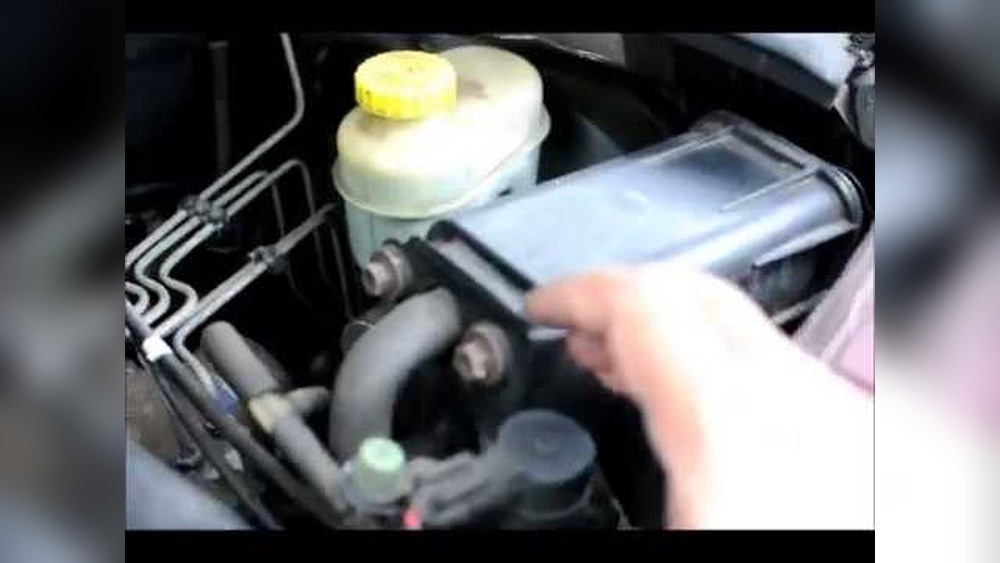
The P1494 code signals a problem with your Jeep’s EVAP system. This system controls fuel vapors and stops them from escaping into the air. The code points to an issue with the Leak Detection Pump (LDP) pressure switch.
The pressure switch helps the LDP check for fuel vapor leaks. When the switch detects a fault, the vehicle’s computer saves the P1494 code. This code means the system cannot properly test for leaks.
What The P1494 Code Indicates
The P1494 code means the Leak Detection Pump pressure switch is not working right. It may not activate or send the correct signals. This stops the EVAP system from running its leak test.
Without the test, fuel vapors can escape. This causes pollution and wastes fuel. The vehicle may also run rough or fail an emissions test.
Common Causes Of P1494 Code
- Cracked or loose vacuum hoses near the LDP
- Corroded or damaged wiring to the pressure switch
- Faulty Leak Detection Pump or pressure switch
Most problems are small and easy to fix. Major engine damage rarely causes this code.
How The P1494 Code Affects Your Jeep
When this code appears, the Check Engine Light turns on. The EVAP system cannot check for fuel leaks. This may reduce fuel efficiency and increase emissions.
Ignoring the code can lead to more serious issues. It is best to address it soon to keep your Jeep running clean and smooth.

Common Causes
Preventive maintenance is key to keeping the P1494 Jeep running smoothly. It helps catch small issues before they become costly repairs. Regular care extends your Jeep’s life and improves safety on the road.
Simple checks and routine upkeep save money and stress over time. Focus on core areas like inspections, battery health, and avoiding common mistakes. This approach keeps your Jeep reliable and ready for any adventure.
Regular Inspections
Check your Jeep often for signs of wear or damage. Look under the hood for loose hoses or cracked wires. Inspect vacuum hoses connected to the EVAP system carefully. Small cracks can cause the P1494 code to appear.
Listen for unusual noises or smells during driving. Keep an eye on dashboard warning lights. Early detection of issues helps you fix them before serious problems develop. Schedule inspections every few thousand miles or as recommended by Jeep.
Battery Care
A weak or corroded battery can trigger the P1494 code. Clean battery terminals to remove any rust or buildup. Tighten the cable connections securely to maintain good contact. Test the battery voltage regularly to ensure it holds a full charge.
Replace the battery every few years or if it fails to charge properly. A strong battery supports all electrical parts, including the leak detection pump. Proper battery care reduces the risk of electrical faults and error codes.
Avoiding Common Pitfalls
Avoid ignoring small warning signs like check engine lights or rough idling. Do not use low-quality fuel, which can clog the EVAP system. Replace worn vacuum hoses promptly to prevent leaks. Keep wiring harnesses dry and free from corrosion.
Follow Jeep’s maintenance schedule strictly. Skipping routine service increases the chance of P1494 issues. Use OEM parts for repairs to ensure compatibility and durability. These steps prevent common errors and keep your Jeep running well.

Conclusion
The P1494 Jeep code usually points to a small issue with the EVAP system. Checking hoses and wiring first saves time and money. Fixing cracked hoses or cleaning connectors often solves the problem. Replacing the leak detection pump may be needed if damage is found.
Regular inspection helps keep your Jeep running smoothly. Don’t ignore warning signs; early action prevents bigger repairs. Stay calm and follow simple steps to diagnose and fix this code. Your Jeep will thank you with better performance and fewer emissions problems.