If you’ve seen the P0132 code pop up on your Jeep’s dashboard, you’re probably wondering what it means and how it affects your ride. This code points to a problem with your vehicle’s oxygen sensor, which can impact your engine’s performance and fuel efficiency.
Ignoring it could lead to bigger issues down the road, but don’t worry—understanding what causes P0132 and how to fix it will help you get your Jeep back on track quickly. Keep reading to learn exactly what this code means for your Jeep and what steps you can take to solve the problem.
P0132 Code Basics
The P0132 code is a common trouble code for Jeep owners. It signals an issue in the oxygen sensor circuit. Understanding this code helps keep your Jeep running smoothly. Ignoring it can lead to bigger problems. This section explains the basics of the P0132 code.
What P0132 Means
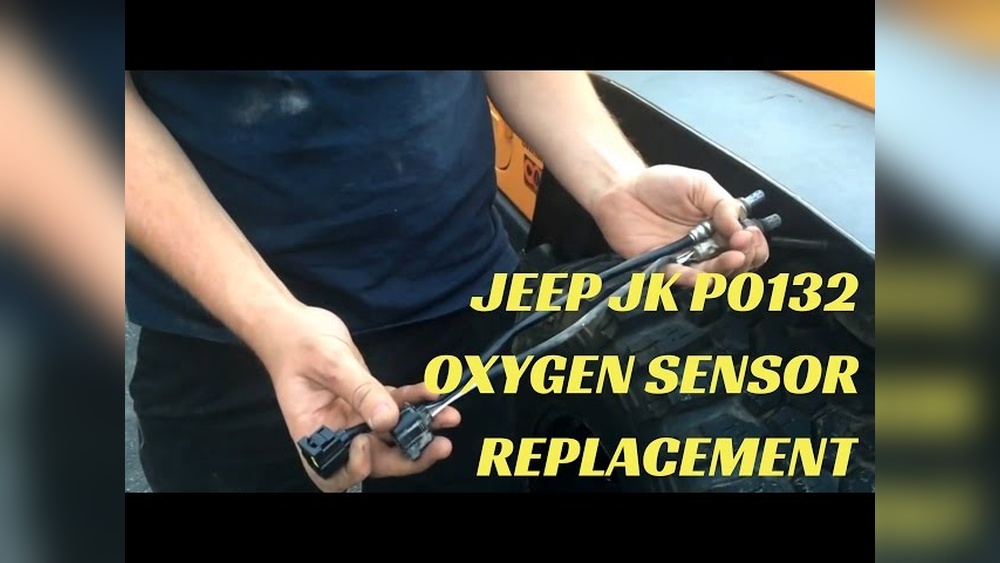
The P0132 code means the oxygen sensor voltage is too high. This sensor is in the exhaust system. It sends signals to the engine control unit (ECU). The ECU uses these signals to adjust the air-fuel mixture. High voltage means the sensor detects too much fuel. This can be caused by a faulty sensor or wiring problems.
How It Affects Your Jeep
The P0132 code can cause poor engine performance. Your Jeep may hesitate or run roughly. Fuel economy will likely decrease. The engine might produce more emissions. The check engine light will stay on. Fixing this code soon prevents damage to other parts. It keeps your Jeep safe and efficient.

Common Symptoms
The P0132 code in a Jeep signals an issue with the oxygen sensor circuit. This fault causes noticeable changes in vehicle behavior. Recognizing common symptoms can help spot the problem early. Here are some signs Jeep owners often notice with this code.
Check Engine Light Behavior
The check engine light stays on continuously. It does not blink but remains steady. This alerts drivers to a sensor problem. Ignoring the light can lead to more damage.
Fuel Economy Issues
Fuel consumption increases without obvious reason. The engine burns more fuel than usual. This happens because the oxygen sensor sends wrong data. Expect to stop at gas stations more often.
Engine Performance Problems
The engine may run rough or hesitate. Acceleration feels weaker or uneven. Idling can become jumpy or unstable. These issues reduce driving comfort and control.
Typical Causes
The P0132 code on a Jeep signals a problem with the oxygen sensor circuit. This code often points to a high voltage reading from the sensor. Many factors can cause this issue, affecting your Jeep’s performance and fuel efficiency. Understanding typical causes helps diagnose and fix the problem quickly.
Faulty O2 Sensor
The oxygen sensor measures oxygen levels in the exhaust. A faulty O2 sensor can send incorrect signals to the engine control unit. This causes the P0132 code to trigger. Sensors wear out over time or get contaminated by dirt or fuel additives. Replacing a bad sensor usually fixes the issue.
Wiring And Connection Issues
Damaged wiring or poor connections can disrupt the sensor’s signal. Corroded plugs, broken wires, or loose connectors cause high voltage readings. Heat and vibration under the hood often damage sensor wiring. Checking and repairing the wiring can restore proper sensor function.
Fuel Injector Problems
Leaking or stuck fuel injectors can affect the air-fuel mixture. This may cause the oxygen sensor to read high voltage values. Fuel injectors that dump too much fuel create rich conditions. Fixing injector issues often clears the P0132 trouble code and improves engine running.
Quick Fixes
Fixing the P0132 code on your Jeep does not require a professional mechanic. Many Jeep owners can handle this repair themselves with some basic tools and clear instructions. This DIY guide will help you replace the faulty oxygen sensor and reset the check engine light. Taking care of this issue early improves your Jeep’s fuel efficiency and engine performance.
Tools You’ll Need
Gather these tools before starting the repair:
- Socket wrench set
- Oxygen sensor socket or open-ended wrench
- Jack and jack stands
- Safety gloves and glasses
- Anti-seize lubricant
- OBD-II scanner or code reader
Having the right tools makes the job faster and safer.
Step-by-step Sensor Replacement
Park your Jeep on a flat surface and turn off the engine. Use the jack to lift the front of the vehicle. Secure it with jack stands for safety.
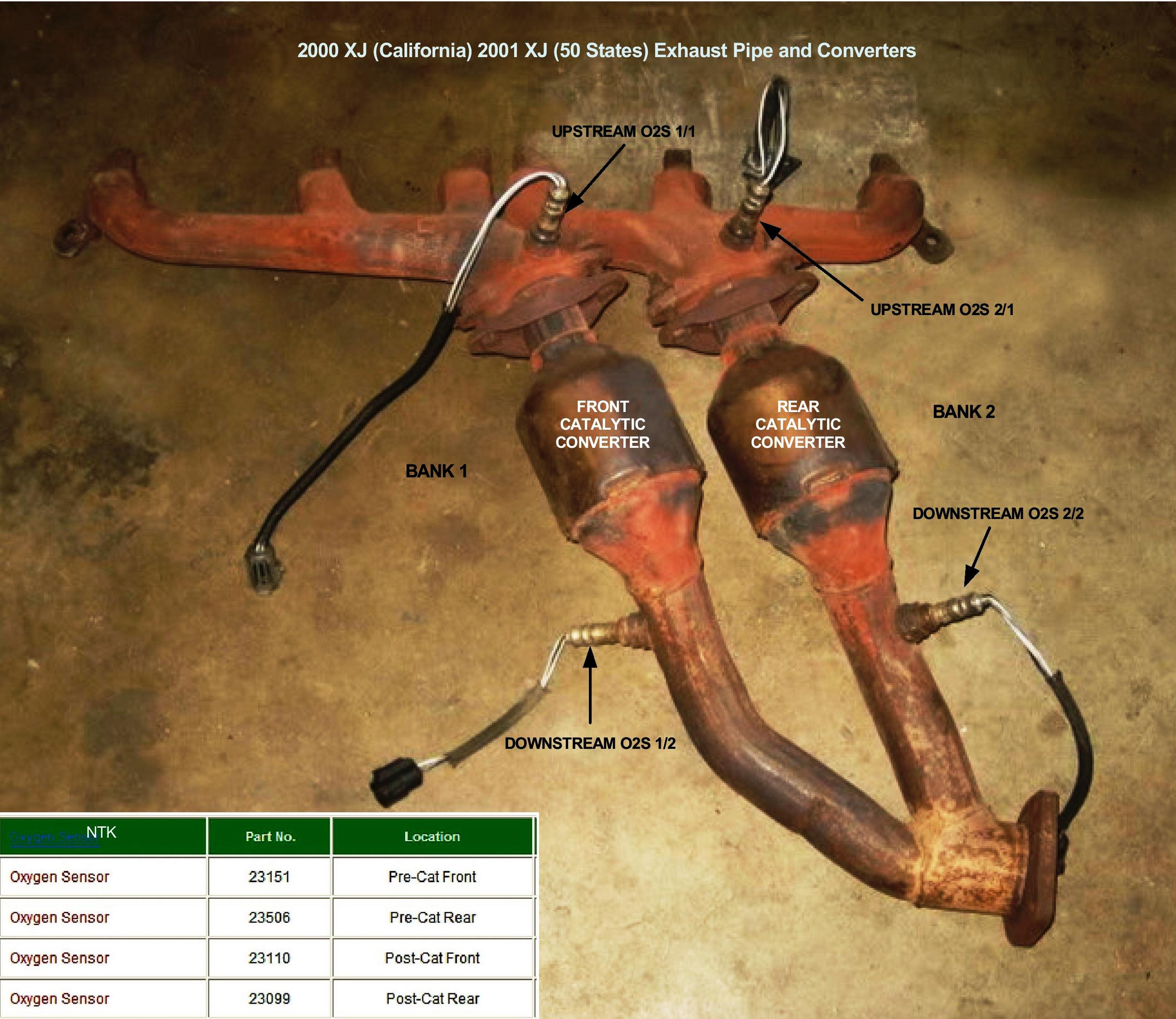
Locate the oxygen sensor on the exhaust manifold or pipe. It usually has a wire connected to it. Disconnect the sensor’s electrical connector carefully.
Use the oxygen sensor socket or wrench to unscrew the old sensor. Turn it counterclockwise until it comes free. Clean the sensor hole to remove dirt and rust.
Apply a small amount of anti-seize lubricant to the threads of the new sensor. Screw it into place by hand to avoid cross-threading. Tighten it firmly with the wrench.
Reconnect the sensor’s electrical plug. Lower your Jeep carefully and remove the jack stands.
Resetting The Check Engine Light
Connect your OBD-II scanner to the Jeep’s diagnostic port, usually under the dashboard. Turn the ignition key to the “on” position but do not start the engine.
Follow the scanner’s instructions to read and clear trouble codes. Clearing the codes will reset the check engine light.
If you do not have a scanner, disconnect the vehicle’s battery for about 15 minutes. Reconnect it to reset the vehicle’s computer system.
Start your Jeep and check if the check engine light stays off. If it comes back on, double-check your work or seek professional help.
Conclusion
The P0132 code signals a problem with your Jeep’s oxygen sensor. Ignoring it can lead to poor fuel economy and engine trouble. Fixing this issue keeps your Jeep running smoothly and saves money. Regular checks help catch problems early. Stay aware of warning signs like the check engine light.
Taking care of your Jeep ensures better performance and reliability.