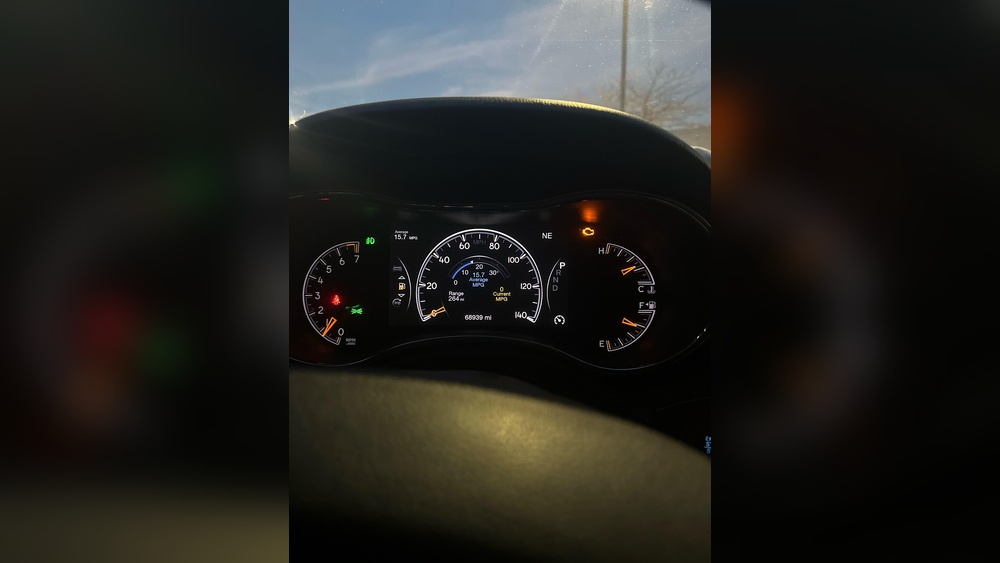
If your Jeep Wrangler’s check engine light starts blinking, you need to pay close attention—and act fast. This isn’t just a warning; it’s your vehicle’s way of telling you there’s a serious problem, often related to engine misfires that can damage your car if ignored.
You might wonder what’s causing it or whether it’s safe to keep driving. The truth is, a blinking check engine light means you shouldn’t take any chances. You’ll learn exactly what a blinking check engine light means, the most common reasons behind it, and the important steps you need to take right now to protect your Jeep and your safety.
Keep reading to avoid costly repairs and keep your Wrangler running smoothly.
Check Engine Light Signals
The check engine light on your Jeep Wrangler acts as a warning system. It tells you when the vehicle detects an issue. The way the light signals can help identify the problem’s urgency. Understanding these signals helps protect your engine and avoid costly repairs.
The check engine light may stay solid or blink. Each pattern means something different. Knowing what these signals represent is key to keeping your Jeep running well.
Blinking Vs Solid Light
A solid check engine light means a problem exists but is not urgent. You can drive but should check the issue soon. It may be a minor fault or an emission control problem.
A blinking check engine light means a serious problem. It often signals a severe engine misfire. This condition can damage the catalytic converter. Driving with a blinking light can cause more harm.
What A Flashing Light Means
A flashing check engine light means the engine is misfiring. Misfires cause unburned fuel to enter the exhaust. This can harm the emission system and reduce performance. Immediate action is needed to prevent damage.
When the light flashes, stop driving as soon as safe. Turn off the engine and have your Jeep inspected. A quick response can save your vehicle from costly repairs.
Common Causes
The blinking check engine light in a Jeep Wrangler signals urgent engine trouble. This warning usually points to an engine misfire. Several common causes trigger this issue. Understanding these can help you act fast and avoid costly damage.
Faulty Spark Plugs Or Wires
Worn or damaged spark plugs fail to ignite the fuel-air mixture properly. Old spark plug wires can also cause weak sparks. Moisture or dirt in the engine bay worsens the problem. Faulty plugs or wires often lead to rough engine running and misfires.
Ignition Coil Failure
The ignition coil transforms battery power into high voltage for the spark plugs. A failing coil means no spark reaches the cylinder. This causes the engine to misfire and the check engine light to blink. Ignition coil issues reduce engine power and efficiency.
Fuel Injector Problems
Fuel injectors spray fuel into the engine cylinders. Clogged or malfunctioning injectors fail to deliver fuel correctly. This leads to uneven combustion and engine misfires. Fuel injector problems can cause poor fuel economy and rough idling.
Engine Misfire Effects
An engine misfire dumps unburned fuel into the exhaust system. This can damage the catalytic converter over time. Misfires cause shaking, hesitation, and loss of power. A blinking check engine light warns that the misfire is severe and needs quick repair.
Immediate Actions
The Jeep Wrangler’s check engine light blinking signals an urgent problem. Immediate action can prevent severe damage and costly repairs. Follow these steps right away to protect your vehicle and ensure safety on the road.
Ignoring a blinking check engine light risks engine failure and unsafe driving conditions. Act fast to diagnose and address the issue properly.
Pull Over And Shut Down
Find a safe spot to pull over as soon as possible. Turn off the engine immediately. Let the vehicle rest for a few minutes. This helps prevent further damage and allows the engine to cool down. Avoid restarting the engine until you understand the problem.
Avoid Driving
Do not continue driving with a blinking check engine light. This often means a serious engine misfire. Driving can cause unburned fuel to enter the exhaust system. This harms the catalytic converter and other parts. Wait for professional help or a proper diagnosis before driving again.
Check For Warning Codes
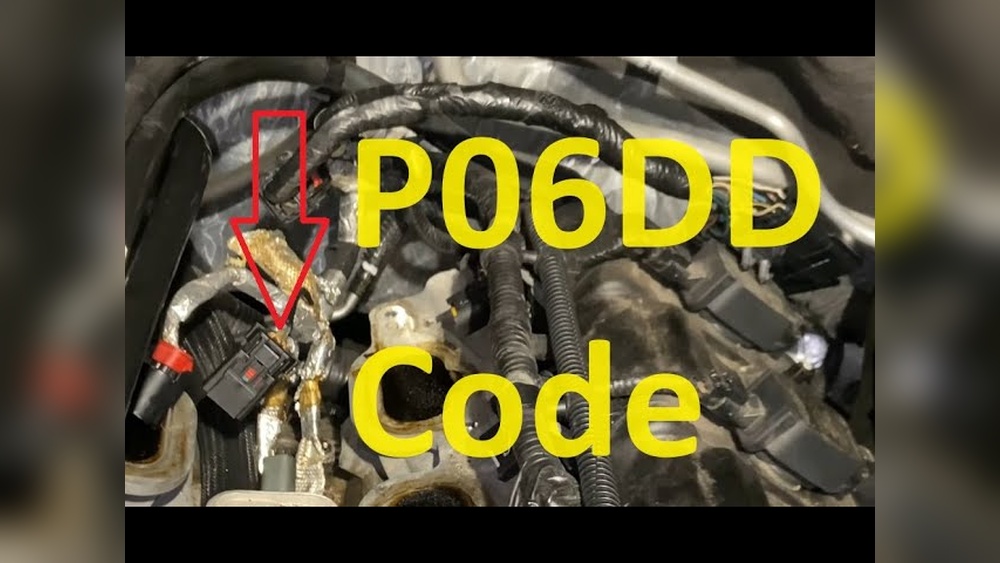
Use an OBD-II scanner to read the warning codes. These codes identify the exact problem triggering the light. Many auto parts stores offer free code reading. Knowing the code helps decide the next steps. Share the codes with a mechanic for accurate repair advice.

Diagnosing The Problem
The blinking check engine light on your Jeep Wrangler signals a serious engine issue. Diagnosing the problem quickly helps avoid costly damage. You can start the diagnosis by using tools and reading error codes. These steps reveal the exact cause of the misfire or fault. Understanding the codes guides you to fix the problem effectively.
Using An Obd-ii Scanner
An OBD-II scanner connects to your Jeep’s diagnostic port. This tool reads data from the engine control unit. It gives real-time information about engine performance. Scanners show if the engine misfires or has other faults. They are affordable and easy to use for beginners.
Reading Diagnostic Trouble Codes
Diagnostic Trouble Codes (DTCs) explain the problem detected by the scanner. Each code points to a specific engine issue. Codes start with letters like P or B, followed by numbers. For example, P0300 means random misfire in the engine. Check the code meanings in the scanner manual or online.
Typical Codes For Misfires
Common misfire codes include P0300 to P0308. P0300 indicates random misfires across cylinders. P0301 to P0308 specify misfires in individual cylinders. These codes help isolate the faulty cylinder. Fixing the misfire often clears the blinking check engine light.
Quick Fixes
The Jeep Wrangler’s check engine light blinking signals a serious engine issue. Quick fixes can help stop the problem before it worsens. These fixes often involve basic parts that wear out or get dirty over time. Tackling them early saves time and money. Here are some common quick fixes to try.
Replacing Spark Plugs And Wires
Worn spark plugs can cause engine misfires and blinking lights. Replacing old plugs improves engine performance. Check the wires too. Damaged wires stop sparks from reaching the plugs. Swap them out if cracked or frayed. This fix often clears the blinking check engine light.
Fixing Or Replacing Ignition Coils
Ignition coils power the spark plugs. A bad coil causes weak or no spark. This leads to engine misfires and blinking lights. Test coils for damage or failure. Replace any that are faulty. Fixing ignition coils restores smooth engine running and stops the warning light.
Fuel Injector Cleaning Or Replacement
Dirty fuel injectors spray less fuel into the engine. This causes rough running and misfires. Clean the injectors to remove buildup. If cleaning fails, replace them. Good fuel flow helps the engine run well and prevents the check engine light from blinking.
Inspecting And Repairing Hoses
Hoses carry air and fluids essential for engine health. Cracked or loose hoses cause leaks and poor engine performance. Inspect all hoses for damage. Tighten connections or replace broken hoses. Fixing hoses stops engine issues that trigger the blinking check engine light.

Preventive Maintenance Tips
Keeping your Jeep Wrangler in top shape helps prevent the check engine light from blinking. Regular care stops small issues from turning into costly repairs. Follow these simple maintenance tips to keep your engine running smoothly and avoid urgent problems.
Regular Engine Tune-ups
Schedule engine tune-ups every 10,000 to 15,000 miles. Replace spark plugs and inspect ignition coils to ensure proper firing. Clean or change air filters to improve airflow. A well-tuned engine runs efficiently and reduces misfires that cause the check engine light to blink.
Fuel System Care
Use high-quality fuel to keep injectors clean. Add fuel system cleaner occasionally to remove deposits. Check fuel filters and replace them if clogged. A clean fuel system improves combustion and prevents engine misfires that trigger the warning light.
Avoiding Engine Overheating
Check coolant levels regularly and refill as needed. Inspect hoses and radiator for leaks or damage. Replace the thermostat if the engine heats up too fast. Avoid driving in stop-and-go traffic during hot weather to reduce overheating risk. Keeping the engine cool prevents damage and flashing warning lights.
When To See A Mechanic
The Jeep Wrangler’s check engine light blinking signals a serious issue. This warning should not be ignored. Knowing when to see a mechanic helps protect your vehicle and safety. Some problems need immediate attention, while others might wait a little. Understanding the signs can prevent costly repairs and breakdowns.
Persistent Blinking Light
A blinking check engine light that does not stop is a red flag. It usually means an engine misfire is happening. This can damage the catalytic converter quickly. Avoid driving your Jeep with a persistent blinking light. Schedule a mechanic visit as soon as possible to diagnose the issue.
Multiple Trouble Codes
When a scan reveals more than one trouble code, the problem is complex. Multiple codes can point to several failing parts or systems. A qualified mechanic can interpret these codes correctly. They will recommend the best repair strategy to fix all issues effectively.
Performance Issues
Noticeable drops in power or rough running often accompany the blinking light. Your Jeep may hesitate, stall, or emit strange noises. These symptoms mean the engine is struggling. A mechanic should inspect the vehicle to avoid further damage or unsafe driving conditions.
Frequently Asked Questions
What Does A Flashing Check Engine Light Mean In A Jeep Wrangler?
A flashing check engine light in a Jeep Wrangler signals a severe engine misfire. It requires immediate attention to prevent damage. Stop driving and get your vehicle inspected promptly to avoid costly repairs.
Is It Okay To Drive With A Flashing Check Engine Light?
A flashing check engine light signals a severe engine misfire. Stop driving immediately to prevent damage. Have your Jeep inspected by a mechanic right away.
What Is The Most Common Cause Of Flashing A Check Engine Light?
The most common cause of a flashing check engine light is a severe engine misfire. It allows unburned fuel into the exhaust, risking damage. Bad spark plugs, ignition coils, or fuel injectors often trigger this. Stop driving and get your vehicle serviced immediately to prevent costly repairs.
Can I Drive $1000 Miles With The Check Engine Light On?
Driving 1,000 miles with the check engine light on risks severe engine damage. Stop immediately if it flashes. Have your vehicle inspected promptly.
Conclusion
A blinking check engine light signals a serious Jeep problem. Act quickly to avoid engine damage. Pull over safely and turn off the engine. Use a scanner to find the trouble code. Common causes include bad spark plugs or ignition coils.
Fixing the issue early saves time and money. Don’t ignore the warning or keep driving. Your Jeep’s health depends on prompt action. Stay safe and get professional help if unsure. Taking these steps protects your Jeep and your journey.