If you own a Jeep and have recently seen the P161B code pop up on your dashboard, you’re probably wondering what it means and how it might affect your ride. This warning can feel confusing and even a bit alarming, but understanding it is the first step to keeping your Jeep running smoothly.
You’ll discover exactly what the P161B code stands for, the common reasons it appears, and simple steps you can take to fix it. Stay with me, and you’ll gain the knowledge to tackle this issue confidently—saving yourself time, money, and stress on the road.
P161b Code Basics
The P161B code on a Jeep signals a problem with the Transmission Control Module (TCM) or electrical system. Recognizing the symptoms early helps prevent further damage. Watch for warning signs that your Jeep may be experiencing issues related to this code.
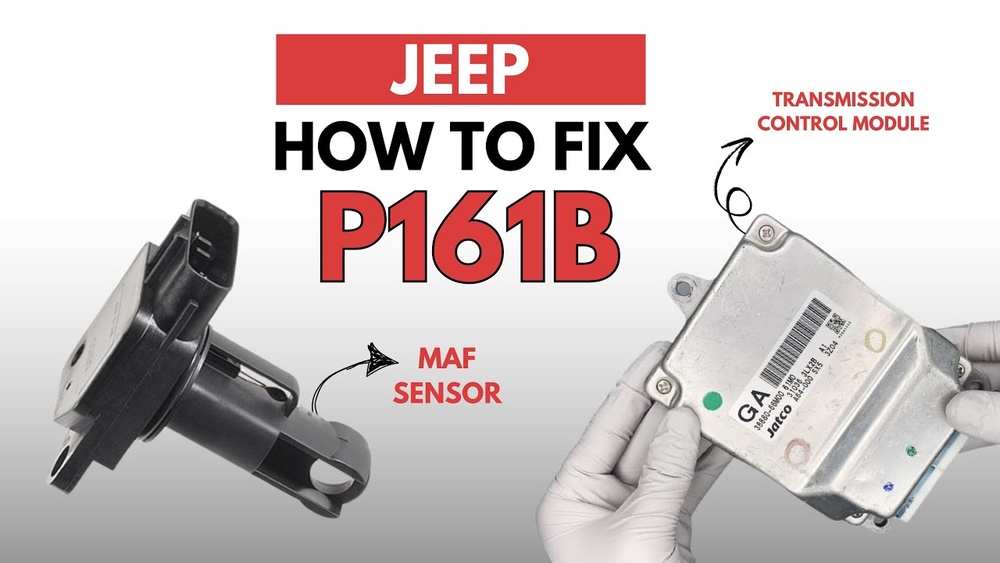
Pay close attention to changes in dashboard lights, transmission function, and electrical system behavior. These clues guide you to what might be wrong.
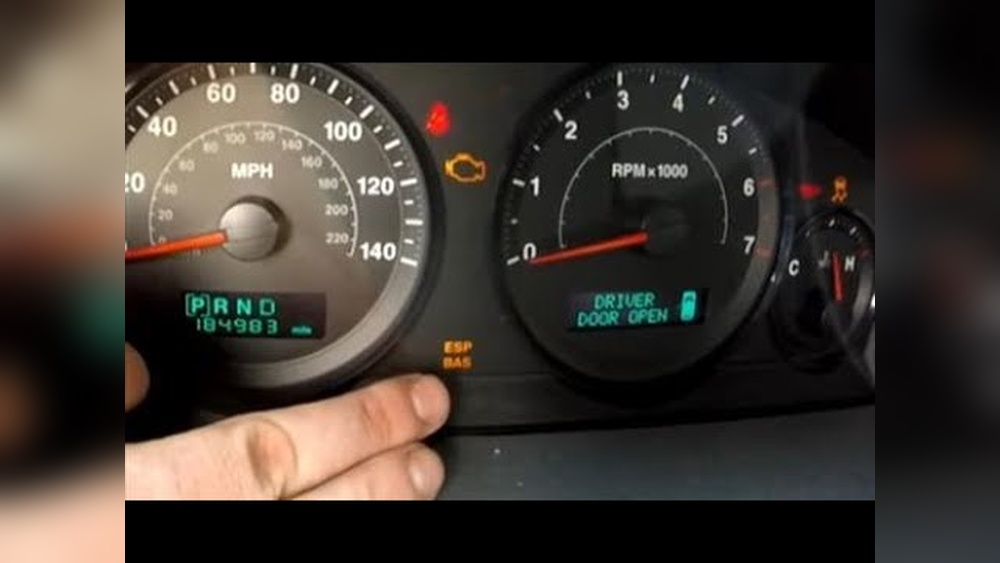
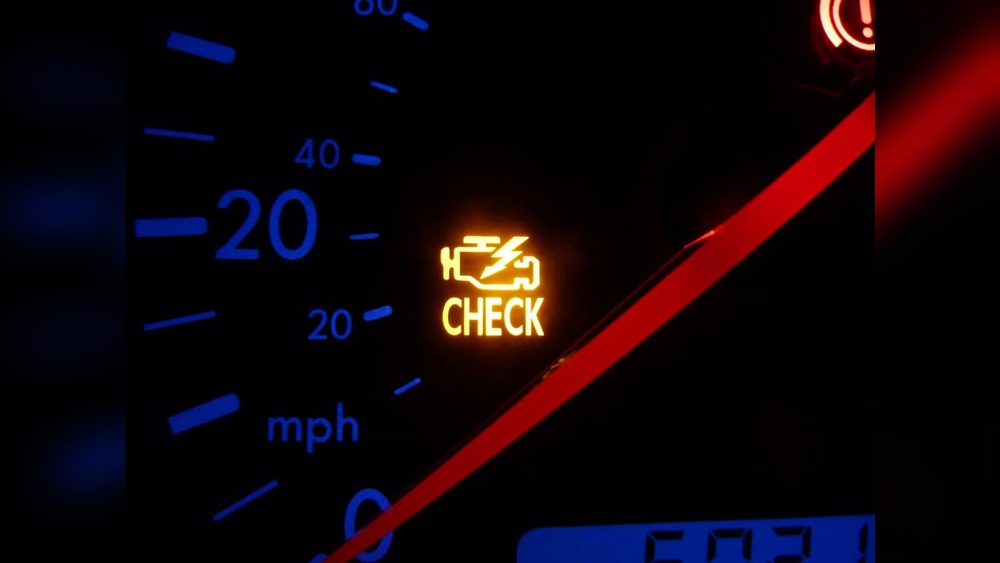
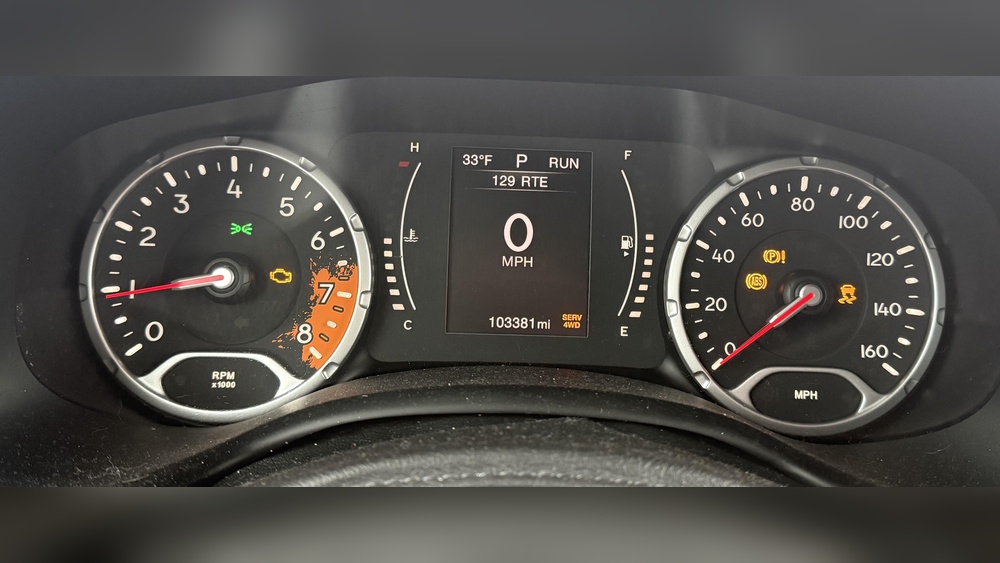
Check Engine Light Indicators
The check engine light often comes on with code P161B. It may blink or stay solid. This light signals the car’s computer detected a fault. Ignoring it can lead to more serious problems. Use an OBD-II scanner to confirm the code and diagnose the issue.
Transmission Behavior Issues
Hard shifting between gears or the transmission stuck in one gear are common symptoms. The Jeep may enter “limp mode,” limiting speed to protect the transmission. You might notice delayed or rough gear changes. These signs indicate the TCM might not be communicating properly with the transmission.
Electrical System Signs
Electrical problems can cause the P161B code. Look for dimming lights or flickering dashboard indicators. Battery voltage issues or loose battery cables often trigger this code. Corroded connectors and water damage near the TCM can also cause errors. These electrical faults disrupt communication between modules.

Symptoms To Watch For
Using an OBD-II scanner is essential for diagnosing and fixing the P161B code on your Jeep. These scanners read the error codes stored in your vehicle’s computer. They help identify the exact problem quickly, saving time and money. Understanding how to use an OBD-II scanner can make your Jeep maintenance easier and more effective.
Clearing The P161b Code
After repairing the issue causing the P161B code, use an OBD-II scanner to clear it. Connect the scanner to the Jeep’s diagnostic port, usually under the dashboard. Follow the scanner’s instructions to erase the code from the system. Clearing the code resets the Check Engine light. If the problem is fixed, the code will not return.
Monitoring For Code Recurrence
After clearing the P161B code, monitor your Jeep for any signs of trouble. Use the OBD-II scanner regularly to check for new or recurring codes. Catching issues early can prevent bigger problems. Keep an eye on your transmission’s behavior and the Check Engine light. This simple habit helps maintain your Jeep’s health.
Recommended Scan Tools
Choose an OBD-II scanner that supports Jeep-specific codes like P161B. Basic models can read and clear codes but may miss detailed info. Mid-range scanners offer live data and freeze frame data useful for deeper diagnosis. Brands like Autel, BlueDriver, and Innova provide reliable options. Ensure the tool is easy to use and updates regularly for best results.
Conclusion
The P161B code in a Jeep signals transmission or battery issues. Check your battery and connections first for loose or corroded parts. Clearing the code with a scanner might solve temporary problems. Persistent errors need a closer look at the Transmission Control Module (TCM).
Sometimes, professional help is required to fix or replace faulty parts. Staying aware of these steps can keep your Jeep running smoothly. Regular maintenance helps avoid unexpected breakdowns. Simple care goes a long way in Jeep reliability.