If you own a Jeep and have come across the Po6Dd code, you’re probably wondering what it means and how it affects your vehicle. This code points to an issue with your engine’s oil pressure system — a critical part that keeps your engine running smoothly.
Ignoring this warning could lead to serious damage and costly repairs. You’ll discover what causes the Po6Dd code, how to spot the symptoms, and the best steps to fix it quickly. Keep reading to protect your Jeep and get back on the road with confidence.

Po6dd Code Basics
Diagnosing the P06DD code in a Jeep requires a careful and methodical approach. This code points to an issue in the oil pressure control system. Finding the root cause helps prevent further engine damage. The process involves checking oil pressure, inspecting wiring, and using diagnostic tools.
Checking Oil Pressure Readings
Start by measuring the actual oil pressure in the engine. Use a mechanical gauge for an accurate reading. Compare these readings to the Jeep’s specifications. Low or erratic oil pressure can confirm a problem. Clean or replace the oil filter if pressure is low. Also, check the oil level and quality. Dirty or thin oil affects the system’s performance.
Inspecting Wiring And Connections
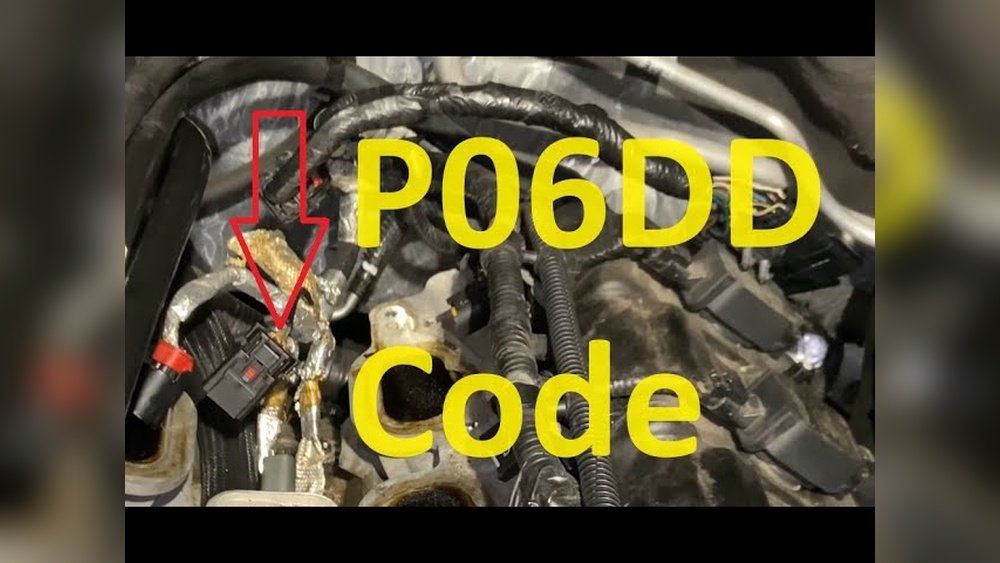
Examine the wiring harness connected to the oil pressure sensor and pump. Look for broken, brittle, or corroded wires. Loose connections can cause false readings or sensor failure. Check for oil leaks near electrical connectors. Clean the connectors and secure any loose wires. Proper wiring ensures reliable sensor signals and pump control.
Using Diagnostic Tools
Use an OBD-II scanner to read live data from the engine control module. Check for any related fault codes besides P06DD. Monitor oil pressure sensor outputs during engine operation. Advanced diagnostic tools can test the solenoid controlling the oil pump. These tools help pinpoint electrical or sensor faults quickly.
Common Causes
Advanced repairs on Jeep models with the Po6Dd code require precise steps. These repairs address issues in the oil pressure system. The engine’s performance depends on proper oil flow and pressure. Fixing these parts ensures the vehicle runs smoothly and safely. Below are key repair processes for this issue.
Replacing Oil Pump Solenoid
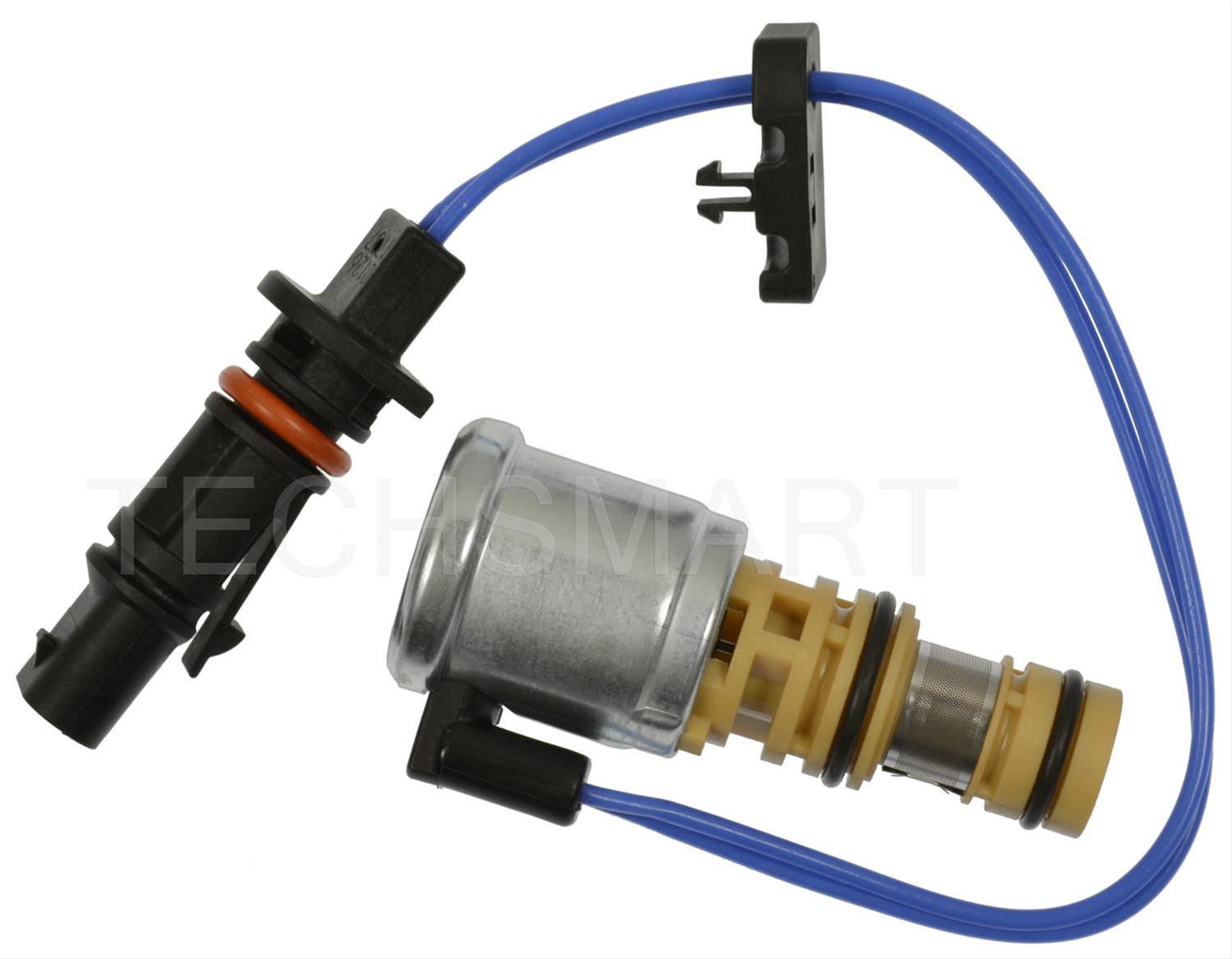
The oil pump solenoid controls oil flow in the engine. A faulty solenoid can cause low oil pressure. Replacement involves disconnecting the electrical connector and removing the solenoid carefully. Installing a new solenoid restores correct oil flow regulation. This fix often resolves oil pressure warning lights and engine codes.
Oil Pump Replacement
Replacing the oil pump is necessary if the pump fails or wears out. The process requires draining engine oil and removing the pump from the engine block. A new pump must match the model specifications exactly. After installation, check for leaks and proper oil pressure. This repair improves engine lubrication and prevents damage.
Ecu Reset And Calibration
The Engine Control Unit (ECU) manages oil pump operations. After repairs, resetting the ECU clears error codes. Calibration ensures the ECU reads new sensor data correctly. This step may require a scan tool or specialized equipment. Proper ECU setup helps maintain optimal engine performance and prevents false alerts.

Conclusion
Understanding the Po6Dd code helps keep your Jeep running well. Check oil quality and sensor condition first. Fixing wiring or replacing the oil pressure sensor often solves the problem. Regular maintenance prevents engine issues and saves money. Stay alert to warning signs and act quickly.
Your Jeep will perform better and last longer. Simple steps make a big difference in Jeep care.