If your Jeep’s check engine light just popped on and you spotted the code P2173, it’s natural to feel a bit uneasy. You might be wondering what this code means and how it could affect your Jeep’s performance.
Simply put, P2173 points to an issue with the throttle actuator control system, often related to high airflow or a vacuum leak. But don’t worry—understanding what’s behind this code can help you get your Jeep running smoothly again. You’ll discover the common causes of P2173, simple steps you can take to diagnose it, and practical fixes to get back on the road with confidence.
Keep reading—your Jeep’s health depends on it.
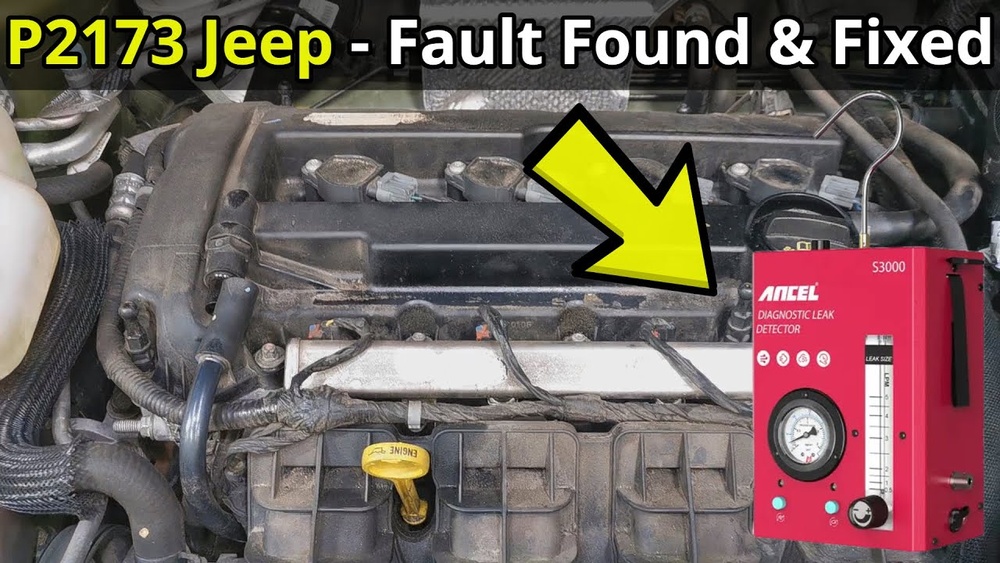
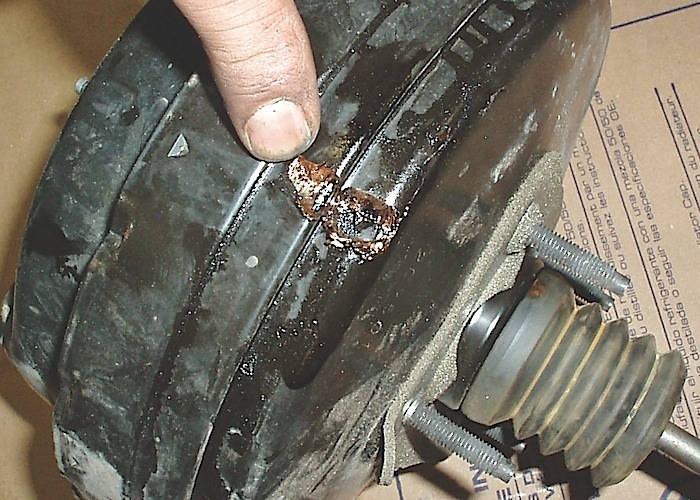
Jeep P2173 Code Basics
The Jeep P2173 code signals a problem within the vehicle’s throttle control system. It points to an issue where the engine detects a high airflow or vacuum leak. This code often appears slowly, meaning the problem builds up over time before triggering the warning. Understanding the basics of this code helps Jeep owners identify potential causes and impacts early.
Knowing what the P2173 code means and how it affects your Jeep can save you from costly repairs. This section breaks down the meaning and consequences of the P2173 code for your vehicle.
What P2173 Means
The P2173 code stands for “Throttle Actuator Control System – High Airflow / Vacuum Leak Detected (Slow Accumulation).” This means the engine’s computer senses more air entering the engine than expected. Usually, this happens because of a vacuum leak or a problem with the throttle system. The slow accumulation part means the issue develops gradually. It does not cause immediate engine failure but can lead to poor performance.
How It Affects Your Jeep
The P2173 code can cause your Jeep to run rough or stall. You may notice the engine idles unevenly or has trouble accelerating. Fuel efficiency often drops, and the check engine light stays on. Ignoring this code can lead to more serious engine damage. Early repairs help maintain your Jeep’s power and reliability. Addressing vacuum leaks or throttle issues restores smooth engine operation.

Common Causes
The Jeep P2173 code signals a problem with air or vacuum flow in the engine. This code often appears when the engine control unit detects abnormal air intake. Several common causes trigger this issue, each affecting engine performance and fuel efficiency. Understanding these causes helps with faster diagnosis and repair.
Vacuum Leaks
Vacuum leaks are the most frequent cause of the P2173 code. Cracked, loose, or disconnected vacuum hoses let extra air enter the engine. The brake booster hose and PCV lines are common leak points. These leaks disrupt the air-fuel mixture, causing rough idling and poor acceleration.
Intake Manifold Gasket Issues
The intake manifold gasket seals the manifold to the engine block. Over time, this gasket can become brittle or crack. A damaged gasket allows unmetered air into the engine, leading to the P2173 code. This issue reduces engine power and increases emissions.
Throttle Body Problems
The throttle body controls airflow into the engine. Carbon buildup or a sticking throttle plate can block proper airflow. A failing throttle body sensor may send wrong signals to the engine control unit. These problems cause inconsistent engine speed and trigger the P2173 code.
Map Sensor Failures
The Manifold Absolute Pressure (MAP) sensor measures air pressure inside the intake manifold. A faulty or dirty MAP sensor may give incorrect readings. This error confuses the engine control unit about air volume and vacuum levels. It results in poor engine performance and the P2173 error code.
Symptoms To Watch For
Diagnosing the Jeep P2173 code requires a clear and methodical approach. This code points to issues with the throttle actuator control system, often linked to vacuum leaks or airflow problems. Proper diagnostics help pinpoint the exact cause and avoid unnecessary repairs. Use these tips to guide your inspection and testing process.
Visual Inspection
Start with a close look under the hood. Check all hoses for cracks, looseness, or disconnections. Pay special attention to the brake booster hose and PCV lines. Look for signs of wear or damage on the intake manifold gasket. Inspect the throttle body for dirt buildup or stuck parts. A thorough visual check can reveal obvious problems causing the code.
Smoke Testing For Leaks
Smoke testing helps find hidden vacuum leaks. Introduce smoke into the intake system and watch for where it escapes. Leaks often occur around the oil cap, intake manifold, or vacuum hoses. This test is very effective for spotting small cracks or loose fittings that are hard to see. Many repair shops offer smoke testing if you do not have the tool.
Using A Scan Tool
A scan tool reads stored trouble codes and live data from your Jeep’s computer. Check for the P2173 code and related codes that may appear. Monitor throttle position, airflow, and sensor readings in real-time. This data helps confirm if sensors or the throttle body act incorrectly. The scan tool also resets codes after repairs to verify fixes.
Testing Sensors
Focus on the MAP (Manifold Absolute Pressure) sensor and throttle position sensor. Use a multimeter to check sensor voltage and resistance. Compare readings to factory specifications. Dirty or failing sensors often send wrong signals, causing the P2173 code. Clean sensors carefully or replace them if tests show faults. Accurate sensor function is key to proper throttle control.
Diagnostic Tips
Fixing the Jeep P2173 code does not always mean expensive repairs. Many simple steps can help solve the issue. These easy fixes focus on common causes like vacuum leaks and sensor problems. Each one can save time and money.
Tightening Or Replacing Hoses
Loose or cracked hoses often cause the P2173 code. Check all vacuum and PCV hoses for damage. Tighten any loose clamps and replace cracked hoses. This stops unmetered air from entering the engine. It also helps restore proper airflow and sensor readings.
Cleaning Or Replacing Throttle Body
A dirty throttle body can trigger airflow problems. Carbon buildup blocks smooth air passage. Clean the throttle body gently with a throttle cleaner spray. If cleaning does not help, consider replacing the throttle body. This ensures the throttle plate moves freely and sensors work correctly.
Replacing Intake Manifold Gasket
The intake manifold gasket seals air entry points. Over time, it can crack or become brittle. This causes vacuum leaks and wrong air measurements. Replace the gasket with a new one to stop leaks. Proper sealing improves engine performance and stops the P2173 code.
Checking Oil Cap And Dipstick Seal
Leaks from the oil cap or dipstick seal can cause vacuum problems. Make sure the oil cap is tight and clean from debris. Inspect the dipstick tube seal for cracks or loose fitting. Replace any damaged seals to prevent air leaks. This small fix often clears the P2173 error code quickly.

Frequently Asked Questions
How Do I Fix Error Code P2173?
Fix error code P2173 by checking for vacuum leaks, inspecting the throttle body, and testing the MAP sensor. Tighten the oil cap and replace faulty gaskets. Clean carbon buildup and repair or replace malfunctioning sensors to restore proper airflow and engine performance.
How Serious Is A P2173 Error Code?
A P2173 error code signals a high airflow or vacuum leak in the throttle actuator system. It can cause poor engine performance and should be fixed promptly to avoid damage.
What Is The Code P2173 High Airflow Vacuum Leak Detected?
Code P2173 indicates a high airflow vacuum leak in the throttle actuator control system. It often means a cracked hose, faulty throttle body, or intake gasket leak. Check for loose or damaged vacuum lines, throttle body issues, or a failing MAP sensor to fix the problem.
What Is The Difference Between P0507 And P2173?
P0507 signals high idle speed caused by throttle or vacuum leaks. P2173 indicates a lean fuel mixture from air-fuel imbalance. Both affect engine performance but involve different systems.
Conclusion
The Jeep P2173 code points to airflow or vacuum leaks. Check hoses, gaskets, and the throttle body first. Simple fixes like tightening the oil cap can help. Clean sensors and replace faulty parts if needed. Regular maintenance keeps your Jeep running smoothly.
Stay alert to warning signs for safe driving. Address issues quickly to avoid bigger problems. Understanding this code saves time and money.