The Jeep Cherokee XJ is well-known for its off-road capability and rugged design. But one challenge many XJ owners face is finding a practical solution for carrying a spare wheel, especially after upgrading to larger tires or removing the stock rear bumper. A spare wheel carrier is a must-have for anyone who spends time on rough trails or long trips, providing both safety and convenience. This guide explains everything you need to know about Jeep Cherokee XJ spare wheel carriers, including types, installation tips, and real-world comparisons.
Why A Spare Wheel Carrier Matters
The factory location for the XJ’s spare tire is inside the cargo area. While this works for daily driving, it quickly becomes a problem for off-roaders and those who need more storage space. A spare wheel carrier moves the tire outside, freeing up room and protecting your gear from dirt and damage. This is especially important if you run larger tires, which simply don’t fit in the original spot.
Two non-obvious benefits: first, relocating the tire can improve weight distribution, helping your XJ handle better on rough terrain. Second, a strong carrier protects your tailgate and bumper, reducing long-term wear from heavy tires.
Types Of Spare Wheel Carriers
Choosing the right carrier depends on your needs, budget, and how you use your Jeep. Here are the main types:
1. Bumper-mounted Carriers
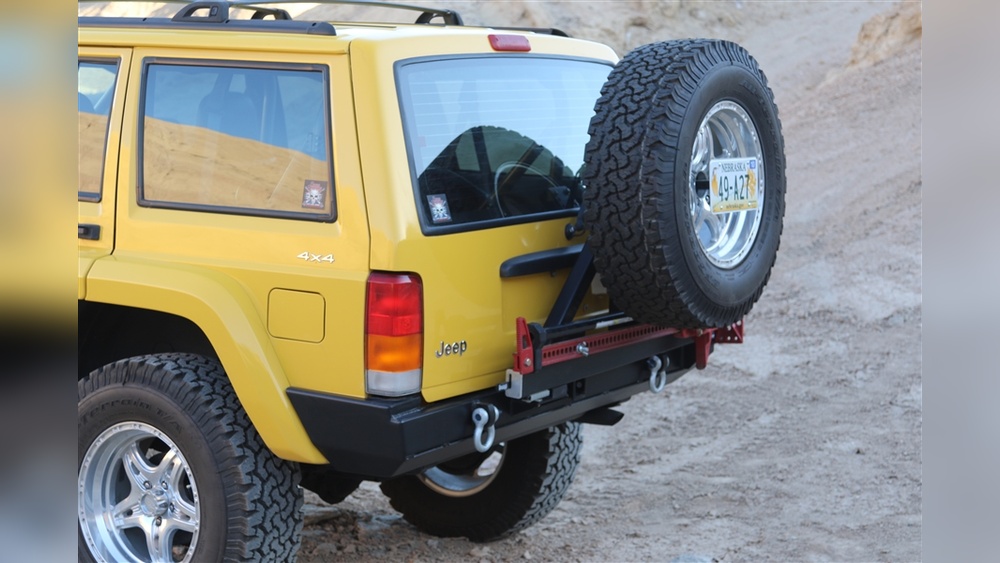
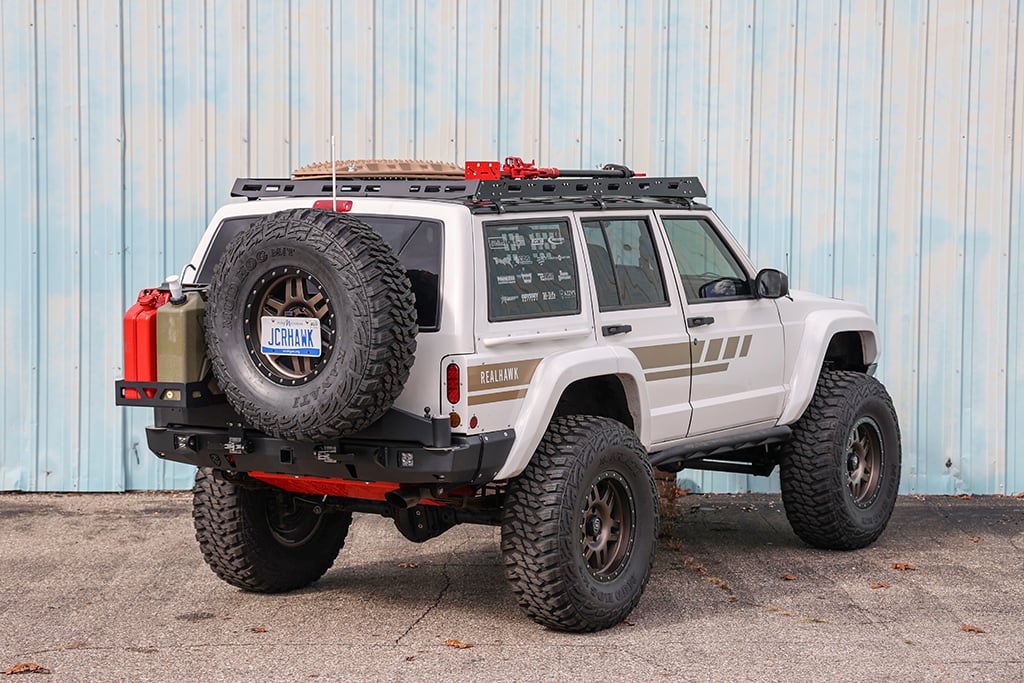
These attach directly to a reinforced rear bumper. They’re strong, can handle oversized tires, and often have swing-away arms for easy access. Some models include mounts for jacks or fuel cans.
2. Hatch-mounted Carriers
These bolt onto the tailgate or hatch itself. They’re easier to install but may stress the sheet metal if used with heavy tires. Good for stock or slightly oversized wheels.
3. Roof-mounted Carriers
Rare for XJs, but useful if you need to carry more than one spare or want to keep the rear clear. They raise the center of gravity, so only use if you have no other option.
Below is a comparison of the main carrier types:
| Carrier Type | Strength | Ease of Installation | Best For |
|---|---|---|---|
| Bumper-mounted | High | Medium | Large tires, off-road use |
| Hatch-mounted | Medium | Easy | Stock tires, daily driving |
| Roof-mounted | Low | Hard | Multiple spares, space-saving |
Key Features To Look For
When shopping for a Jeep Cherokee XJ spare wheel carrier, keep these features in mind:
- Tire size capacity: Make sure the carrier can handle your tire’s diameter and weight.
- Swing-away design: Allows easy access to the cargo area.
- Build material: Look for steel with rust-resistant coatings.
- Latch mechanism: A secure latch prevents rattling and keeps the tire safe.
- Accessory mounts: Some carriers offer spots for fuel cans, hi-lift jacks, or recovery gear.
A common mistake is choosing a carrier based only on price. Cheap carriers often rust quickly or fail under heavy loads, leading to costly repairs.
Here’s a quick table showing typical tire size compatibility:
| Carrier Model | Max Tire Size | Weight Limit (lbs) |
|---|---|---|
| Heavy Duty Bumper Swing-Away | Up to 35″ | 120 |
| Tailgate Bolt-On | Up to 31″ | 75 |
| Roof Rack Carrier | Up to 33″ | 80 |
Installation Tips And Real-world Advice
Installing a spare wheel carrier on the XJ is a straightforward job for most DIYers. However, there are some key things to watch out for:
- Check bumper strength: If installing a bumper-mounted carrier, confirm your bumper is designed to handle the extra weight.
- Rust prevention: Use anti-corrosion paint on mounting holes and bolts. Moisture can quickly eat away at exposed metal.
- Proper alignment: Make sure the carrier sits level and doesn’t block tail lights or the license plate.
- Torque bolts correctly: Loose bolts cause rattling and can damage the mounting points.
- Test swing mechanism: Before final tightening, swing the carrier open and closed to check for smooth movement.
A non-obvious tip: after installation, drive over rough terrain for 15–20 miles and recheck all bolts. The carrier may settle and need retightening.
For more details on proper installation, you can visit the official Jeep forums at JeepForum.

Comparing Popular Spare Wheel Carrier Brands
There are several trusted brands making carriers for the Jeep Cherokee XJ. Here’s a comparison of three well-known options:
| Brand | Price (USD) | Warranty | Extra Features |
|---|---|---|---|
| Detours Backbone | $450 | Limited Lifetime | Hi-lift mount, fuel can holder |
| JCR Offroad | $530 | 1 Year | Heavy-duty latch, powder coat |
| Rock Hard 4×4 | $600 | Lifetime | Integrated bumper, swing-away |
Detours Backbone is popular for its easy installation and extra mounts. JCR Offroad offers strong build quality and a smooth latch. Rock Hard 4×4 is ideal for those who want a full bumper replacement.
Common Mistakes To Avoid
Many beginners make these errors when picking or installing a spare wheel carrier:
- Forgetting to check fitment with aftermarket bumpers
- Ignoring carrier weight and how it affects suspension
- Not protecting new drill holes against rust
- Choosing carriers without a secure lock
Always double-check compatibility, especially if your XJ has custom upgrades.

Frequently Asked Questions
How Much Does A Jeep Cherokee Xj Spare Wheel Carrier Weigh?
Most bumper-mounted carriers weigh between 40–70 pounds. Tailgate-mounted options are lighter, usually 20–35 pounds. Always check your Jeep’s payload rating before installing.
Can I Use A Spare Wheel Carrier With Oversized Tires?
Yes, but you must choose a carrier rated for your tire size. Carriers for the XJ often handle tires up to 35 inches in diameter. Make sure the carrier’s weight limit matches your tire.
Do Spare Wheel Carriers Affect Fuel Economy?
A carrier adds weight and can change the Jeep’s aerodynamics. On average, expect a 1–2 mpg decrease if you carry a large tire outside. This is minor, but worth considering for daily drivers.
Is Drilling Required For Installation?
Most bumper-mounted carriers require some drilling for secure attachment. Hatch-mounted models can sometimes use existing holes, but drilling is usually needed for strength and alignment.
Are Spare Wheel Carriers Legal In All States?
Generally yes, as long as the carrier doesn’t block tail lights or license plates. Always check local regulations to avoid fines or safety issues.
A well-chosen spare wheel carrier will make your Jeep Cherokee XJ more capable and safer, whether you’re hitting the trails or just want extra cargo space. By focusing on build quality and proper installation, you’ll enjoy years of reliable use and peace of mind.