If the off-road warning light on your Jeep Liberty has suddenly turned on, you’re probably wondering what it means and if you should be worried. This little light might seem harmless, but ignoring it could lead to bigger problems down the road.
Whether you’re cruising through city streets or tackling rugged trails, understanding why this warning light appears is key to keeping your Jeep running smoothly and safely. You’ll discover the common reasons behind that off-road warning light and what steps you can take to fix it before it turns into a costly repair.
Keep reading to learn how to protect your Jeep Liberty and enjoy every adventure with confidence.
Common Causes
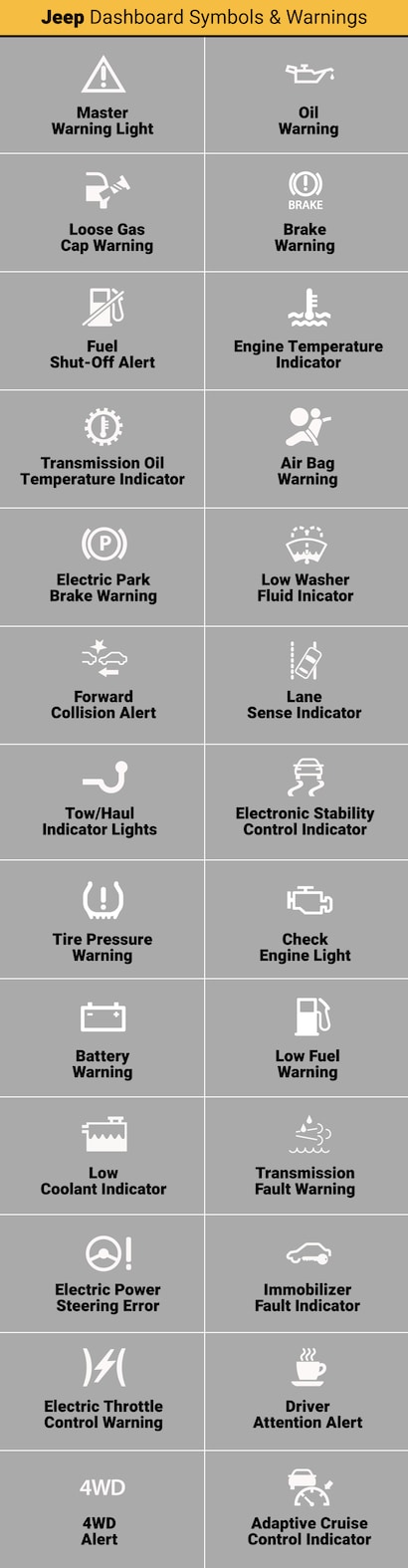
The off-road warning light on a Jeep Liberty signals a problem with the vehicle’s control systems. Understanding common causes helps owners identify issues early. These issues often relate to wheel sensors, braking systems, or electrical faults. Each cause affects safety and vehicle performance differently.
Wheel Speed Sensor Issues
Wheel speed sensors monitor each wheel’s rotation. Faulty sensors send incorrect data to the vehicle’s computer. This can trigger the off-road warning light. Dirt, damage, or wear often cause sensor problems. A bad sensor affects ABS and traction control functions.
Abs System Problems
The Anti-lock Braking System (ABS) prevents wheel lock during braking. Malfunctions in the ABS can turn on the warning light. Common issues include damaged ABS modules or broken wiring. Faulty ABS reduces braking efficiency and safety on rough terrain.
Traction Control Malfunctions
Traction control helps maintain grip on slippery surfaces. If the system detects a failure, the warning light activates. Problems may stem from faulty sensors or control modules. A malfunctioning traction control system can cause loss of stability off-road.
Faulty Wheel Bearings
Wheel bearings allow smooth wheel rotation. Worn or damaged bearings cause noise and vibration. They can also trigger warning lights related to wheel speed. Faulty bearings compromise vehicle handling and should be inspected promptly.
Electrical And Sensor Faults
Electrical faults often cause warning lights to appear. Loose connections, damaged wiring, or failing sensors disrupt system communication. These faults can confuse the vehicle’s control units. Diagnosing electrical issues requires a thorough inspection with specialized tools.
Diagnosing The Warning Light
The off-road warning light on a Jeep Liberty signals a potential issue with the vehicle’s traction or brake system. Diagnosing this warning light involves a series of steps to pinpoint the exact cause. Early diagnosis helps prevent further damage and keeps your Jeep safe on rough terrain.
Start by gathering information from the vehicle’s computer system. Next, check physical parts for visible damage. Testing sensors and components ensures all systems operate correctly. Each step narrows down the possible problems effectively.
Reading Error Codes
Use an OBD-II scanner to read the Jeep’s error codes. These codes reveal specific faults triggering the warning light. Connect the scanner to the diagnostic port under the dashboard. Note the codes displayed and look them up in the Jeep manual or online. This step provides a clear starting point for repairs.
Visual Inspections
Inspect the wheels and undercarriage for visible damage or wear. Check for broken wires, loose connectors, or damaged sensors near the wheels. Look for fluid leaks around brake components. Ensure tire pressure is correct and tires are not excessively worn. Visual checks can often reveal obvious issues causing the light.
Testing Wheel Sensors
Wheel speed sensors play a key role in traction control and ABS systems. Use a multimeter to test sensor resistance and signal output. Sensors with faulty readings need replacement. Clean sensor surfaces if dirty or covered in debris. Accurate sensor data is crucial for system performance.
Checking Abs Components
Examine the ABS module and wiring for corrosion or damage. Inspect the ABS pump and control unit for proper function. Test the brake fluid level and quality, topping up or replacing if needed. Faulty ABS parts often cause the warning light to activate. Addressing these components restores safe braking control.
Fixes And Repairs
The off-road warning light on a Jeep Liberty signals a problem in its control systems. Fixing this issue requires checking key parts that affect vehicle safety and performance. Many causes involve sensors and components related to the wheels and braking system. Proper repairs restore full function and keep your Jeep safe on any terrain.
Replacing Wheel Speed Sensors
Wheel speed sensors track how fast each wheel turns. A faulty sensor can trigger the off-road warning light. Replace the damaged sensor to restore accurate readings. New sensors help the system control braking and traction properly. This fix often clears the warning light quickly.
Repairing Abs System Components
The ABS system prevents wheel lock during braking. Problems in ABS parts cause warning lights to appear. Inspect the ABS module, wiring, and fuses for faults. Repair or replace broken components to fix the issue. A working ABS system improves vehicle control and safety.
Addressing Traction Control Errors
Traction control stops wheel slip on slippery surfaces. Errors in this system can cause warning lights to turn on. Check the traction control sensors and related wiring. Fix any damaged parts or loose connections. Proper traction control helps maintain stability off-road.
Fixing Wheel Bearings
Wheel bearings allow smooth wheel rotation. Worn or damaged bearings create noise and sensor errors. Replace faulty bearings to stop warning lights and improve ride quality. Good bearings ensure correct sensor data and safe driving.
Resetting The Warning Light
After repairs, the off-road warning light may stay on. Use a diagnostic tool to reset the system. This step clears stored error codes and turns off the light. Resetting confirms the problem is solved and the Jeep is ready to go.

Preventive Maintenance
Preventive maintenance helps keep your Jeep Liberty running smoothly. It reduces the chance of the off-road warning light turning on. Regular care prevents costly repairs and improves safety. Proper maintenance ensures all systems work well on and off the road.
Regular Sensor Checks
Sensors monitor wheel speed and traction. Dirt or damage can cause false warnings. Checking sensors regularly keeps readings accurate. Clean sensors gently and replace if faulty. This helps prevent the off-road light from coming on.
Tire And Wheel Maintenance
Tires and wheels affect traction and sensor signals. Uneven wear or wrong pressure may trigger warnings. Rotate tires often and keep them inflated correctly. Inspect wheels for damage or looseness. Proper tire care supports the ABS and traction systems.
Electrical System Upkeep
Wiring and connections power sensors and warning lights. Corrosion or loose wires cause errors and light alerts. Inspect electrical parts regularly for damage. Secure and clean connections to maintain system health. Good electrical upkeep stops false off-road warnings.
Scheduled Abs System Inspections
The ABS system controls braking and traction. Regular inspections find issues before they worsen. Mechanics check sensors, wiring, and brake parts. Timely repairs keep the system reliable. Scheduled ABS care reduces the chance of warning lights.
Driving With The Warning Light On
Seeing the off-road warning light on your Jeep Liberty can cause concern. This light signals potential issues with your vehicle’s off-road systems. Driving with this warning light on requires caution. It means some features might not work properly. Understanding when to stop and when you can keep driving helps protect you and your Jeep.
Safety Considerations
Driving with the off-road warning light on can reduce your Jeep’s stability. Systems like traction control or ABS may not function correctly. This increases the risk of slipping or losing control, especially on rough terrain. Drive slower and avoid sudden turns or stops. Keep extra distance from other vehicles. Always prioritize safety over convenience.
When To Seek Immediate Repair
If the warning light stays on after restarting your Jeep, get it checked quickly. Strange noises, loss of power, or difficulty steering are urgent signs. Also, if the light flashes or other warning lights appear, stop driving. Continuing to drive might cause more damage or lead to an accident. Visit a mechanic or Jeep service center as soon as possible.
Temporary Driving Tips
Sometimes, you may need to drive short distances with the warning light on. Keep speeds low and avoid off-road trails. Use smooth acceleration and gentle braking. Avoid steep hills and slippery surfaces. Check your tires and brakes before driving. If possible, ask someone to ride with you for extra help. Plan your route to stay on paved or well-maintained roads.
Frequently Asked Questions
Can I Still Drive With My Traction Control Light On?
You can drive with the traction control light on, but it signals a system issue. Get it checked soon.
What Year To Stay Away From Jeep Liberty?
Avoid Jeep Liberty models from 2008 and 2009 due to frequent transmission and electrical issues reported by owners.
Will The Traction Control Light Reset Itself?
The traction control light may reset itself after the issue clears or the vehicle restarts. Persistent lights need professional diagnosis.
Is It Okay To Drive A Jeep With Abs And Traction Control Light On?
Driving a Jeep with ABS and traction control lights on is risky. These lights indicate system malfunctions, reducing safety. Get your vehicle inspected and repaired promptly to ensure proper braking and stability control. Avoid driving in hazardous conditions until the issue is fixed.
Conclusion
The off-road warning light on your Jeep Liberty signals a need to check your vehicle. It often points to issues with traction control, ABS, or sensors. Ignoring this light can lead to unsafe driving conditions. Simple fixes like cleaning sensors or checking tires may solve the problem.
Regular maintenance keeps your Jeep ready for any terrain. Always address warning lights quickly to protect your vehicle and yourself. Stay safe and enjoy your off-road adventures with confidence.