If you drive a 2021 Jeep Grand Cherokee L, you’ve probably noticed the Forward Collision Warning light on your dashboard. Maybe it’s on when you don’t expect it, or you’re wondering what it really means for your safety.
Understanding this warning light is crucial because it’s designed to keep you and your passengers safe by alerting you to potential front-end collisions. But what should you do if the light stays on or won’t turn off? You’ll learn exactly what the Forward Collision Warning light means, why it might stay on, and simple steps you can take to fix or adjust it.
Keep reading to make sure your Jeep’s safety features are working as they should—and to drive with confidence every time you get behind the wheel.
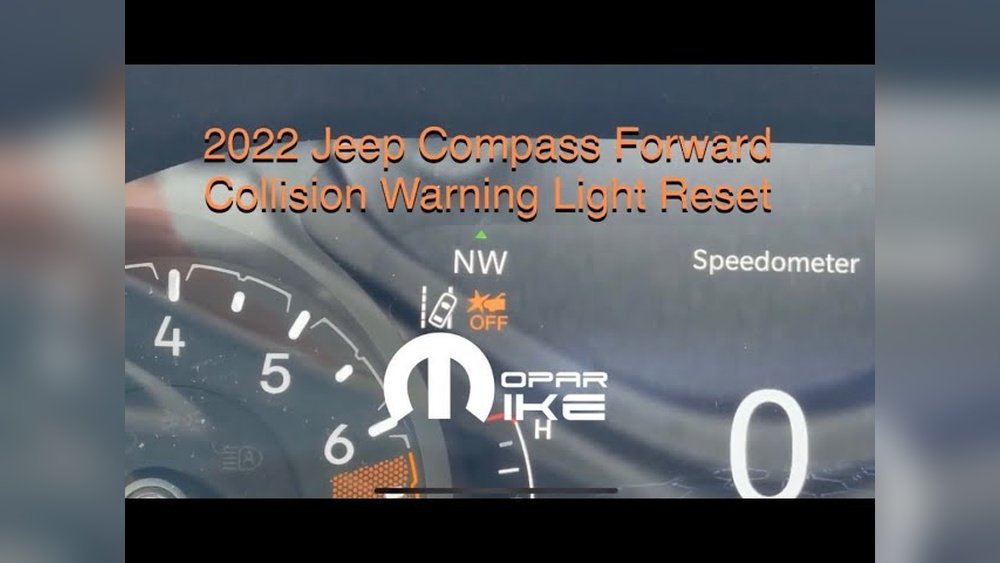
Forward Collision Warning Light Basics
The Forward Collision Warning Light in the 2021 Jeep Grand Cherokee L helps keep you safe. It alerts you if a front collision might happen. This system uses sensors to watch the road ahead. It gives warnings to help you avoid crashes.
Understanding how this light works can improve your driving experience. It also helps you know what to do if the light turns on.
Purpose Of The Light
The Forward Collision Warning Light warns the driver about possible front-end collisions. It shows up on the dashboard with a clear symbol. This alert helps you react quickly to slow down or stop. The light reduces the risk of accidents. It acts as an early warning to keep you and others safe on the road.
How The System Works
The system uses radar and cameras to monitor traffic ahead. It measures the distance between your Jeep and the vehicle in front. If it detects a risk of collision, it triggers the warning light. The system also gives a sound alert to get your attention. Some models even apply brakes automatically to reduce impact. This technology supports safer driving in busy or sudden-stop situations.
Common Reasons For The Warning Light
The forward collision warning light in the 2021 Jeep Grand Cherokee L alerts drivers about potential front-end collisions. This light activates due to various reasons related to the vehicle’s safety system. Understanding common causes helps address the issue quickly and keeps the system working properly.
Some causes are simple, like dirt on sensors. Others involve software updates or changes in system settings. Each reason affects the warning light differently.
Sensor Obstruction Or Misalignment
The warning system relies on sensors placed at the front of the vehicle. Dirt, mud, or snow can block these sensors. Obstructed sensors cannot detect obstacles well, triggering the warning light. Misaligned sensors from a minor collision or bump also cause false alerts. Cleaning the sensors or realigning them often fixes the problem.
System Software Updates
Jeep regularly updates software to improve safety features. Sometimes, these updates change how the forward collision system works. After an update, the warning light might stay on until the system resets. At times, glitches during updates cause the light to activate incorrectly. Performing a system reboot or visiting a dealer can resolve these software issues.
Settings And Sensitivity Changes
The forward collision warning allows drivers to adjust sensitivity levels. Settings include far, medium, or near detection distances. Changing these settings can trigger the warning light if the system detects new parameters. Disabling or enabling the feature also affects the light status. Checking and adjusting the settings in the vehicle’s menu helps control when the warning light appears.
Troubleshooting The Warning Light
The 2021 Jeep Grand Cherokee L features a Forward Collision Warning (FCW) system designed to alert drivers of potential frontal collisions. When the FCW warning light turns on, it signals that the system detected an issue. Troubleshooting this light helps keep your safety features working properly and ensures peace of mind on the road.
Checking And Cleaning Sensors
The FCW system relies on sensors located around the front of your Jeep. Dirt, mud, or snow can block these sensors and cause false warnings. Start by inspecting the front bumper and grille area for any debris. Gently clean the sensors with a soft cloth and mild soap if needed. Avoid using harsh chemicals or pressure washers directly on the sensors. Keeping sensors clean helps the system detect obstacles accurately.
Resetting System Settings
Sometimes, the warning light stays on due to system glitches or after changes in settings. Resetting the FCW system can clear minor errors. To reset, turn the ignition off and then back on. Access your vehicle’s settings menu via the touchscreen, navigate to safety features, and find the Forward Collision Warning option. Turn the system off and then back on. This simple reset often resolves warning light issues.
Using Diagnostic Tools
If the warning light remains after cleaning and resetting, diagnostic tools can help. Auto scanners connect to your Jeep’s onboard computer and read error codes. These codes explain the cause of the warning light. Some scanners also allow you to clear codes after fixing the problem. Visiting a dealership or mechanic with the right diagnostic tools ensures proper system checks and repairs.

Turning Off Or Adjusting The Warning
The Forward Collision Warning (FCW) light on the 2021 Jeep Grand Cherokee L is crucial for your safety. It alerts you to potential front-end collisions. Sometimes, this warning light may act up or stay on unexpectedly. Knowing when to seek professional help can save you time and ensure your vehicle remains safe on the road.
Persistent Warning Light Issues
If the FCW light stays on continuously, it signals a deeper problem. Turning the vehicle off and on again does not clear the warning. The light may flash or remain solid without reason. These persistent issues require a trained technician to diagnose the root cause. Ignoring the light can lead to system failure and increased crash risk.
Sensor Calibration And Repairs
The FCW system relies on sensors that detect obstacles ahead. These sensors can become misaligned or dirty from normal driving. Accidents or off-road use may damage sensor alignment. A professional can calibrate or repair sensors properly. Accurate sensor function is essential for the FCW system to work correctly.
Software Updates And Recalls
Jeep often releases software updates to improve the FCW system. Sometimes, recalls address known issues affecting warning lights. A dealer can check for updates or recall notices specific to your vehicle. Installing official updates can fix bugs and prevent false warnings. Professionals have the tools needed for safe and correct software installation.

Frequently Asked Questions
Why Is My Forward Collision Warning Light Staying On?
The forward collision warning light stays on due to sensor misalignment, dirt blocking sensors, system glitches, or disabled settings. Check and clean sensors, then verify warning settings. A software update or professional reset may also resolve the issue.
How To Turn Off Forward Collision Warning On Jeep Grand Cherokee?
Access the vehicle’s touchscreen menu. Select Settings > Safety & Driving Assistance. Choose Forward Collision Warning and toggle it off.
How To Fix Forward Collision Warning Light?
Clean the front sensors and camera to remove obstructions. Check vehicle settings to enable or adjust the forward collision warning system. If the light stays on, reset the system or visit a mechanic for sensor calibration or software updates.
What Are Common Problems With The 2021 Grand Cherokee L?
Common problems with the 2021 Grand Cherokee L include forward collision warning system errors, sensor misalignment, and software glitches affecting alerts. Some owners report stuck warning lights and difficulty toggling safety features. Regular sensor cleaning and software updates often resolve these issues.
Conclusion
The 2021 Jeep Grand Cherokee L Forward Collision Warning light helps keep drivers alert. It warns you of potential crashes ahead. Sometimes, the light stays on due to sensor issues or settings changes. Checking your vehicle’s sensors and settings often fixes the problem.
Regular maintenance ensures the system works properly. Staying informed about this feature enhances your driving safety. Always address warning lights promptly to avoid risks. This system supports safer journeys every time you drive.