If you’ve seen the P2110 code pop up on your Jeep’s dashboard, you’re likely wondering what it means and how it affects your ride. This code points to an issue with your vehicle’s throttle actuator control system, which can cause your Jeep to go into “limp mode” and limit engine power.
You don’t want to ignore it — driving with this problem can be frustrating and even risky. You’ll learn what triggers the P2110 code, how to spot the signs, and the steps you can take to fix it. Keep reading to get your Jeep running smoothly again and avoid costly repairs down the road.

P2110 Code Basics
The P2110 code is an important diagnostic trouble code for Jeep owners. It signals an issue with the throttle actuator control system. This code often points to problems that limit the engine’s RPM to protect the vehicle. Understanding the basics of P2110 helps Jeep drivers recognize and address these issues quickly.
What Triggers P2110
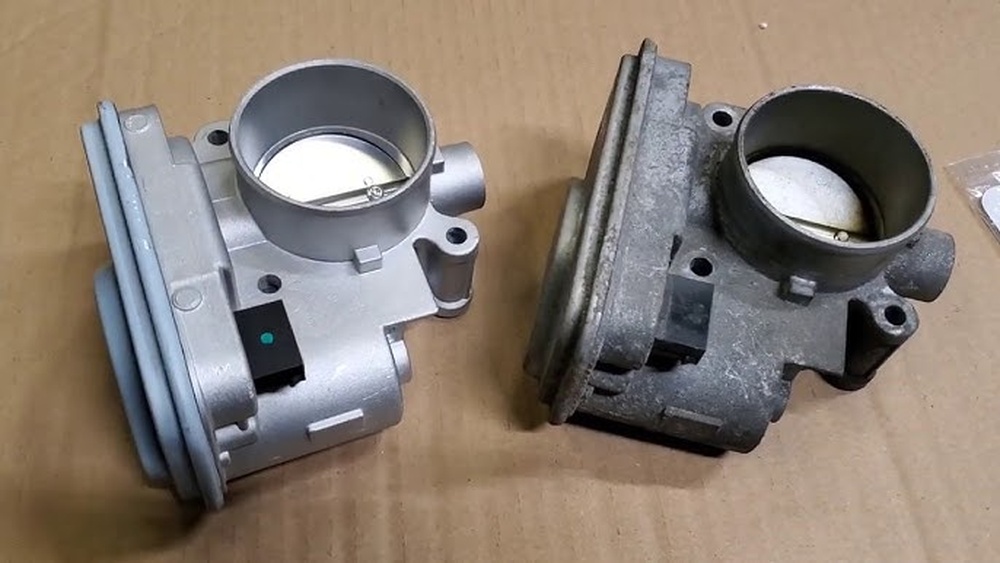
The P2110 code triggers when the engine control module detects a forced limited RPM. This usually happens if the electronic throttle body malfunctions. Causes include a faulty throttle actuator, carbon buildup inside the throttle body, or wiring problems. These faults stop the throttle from opening or closing properly.
Symptoms To Watch For
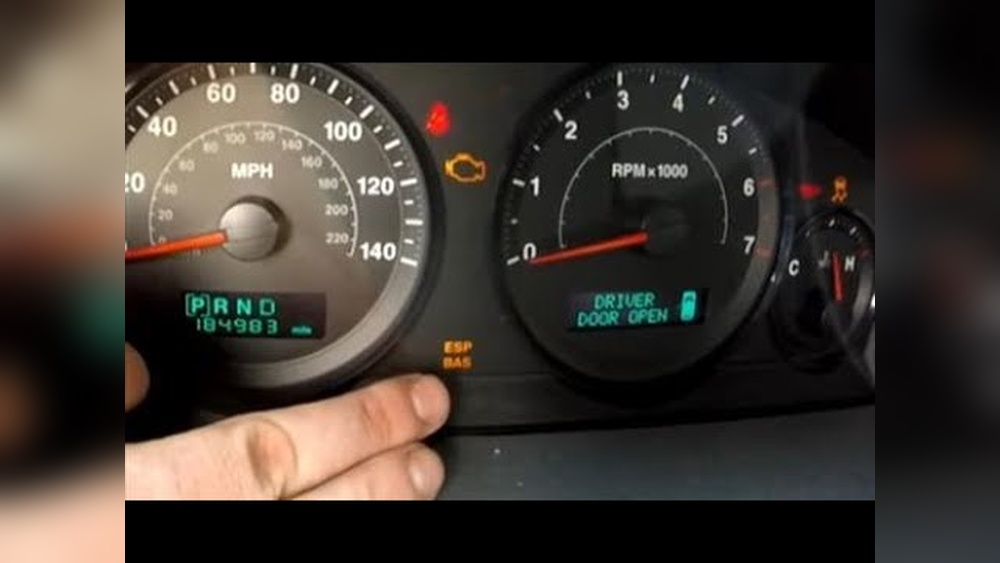
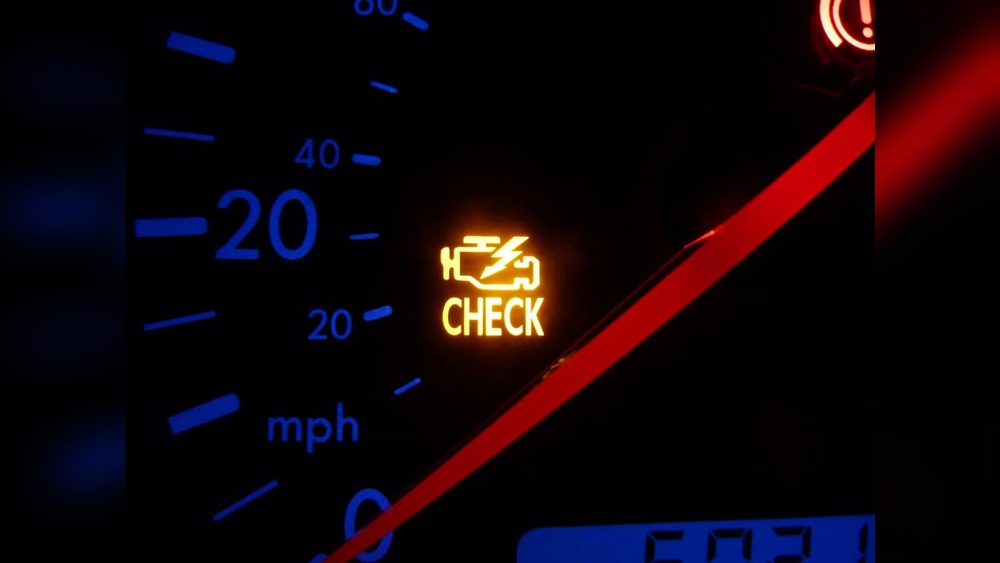
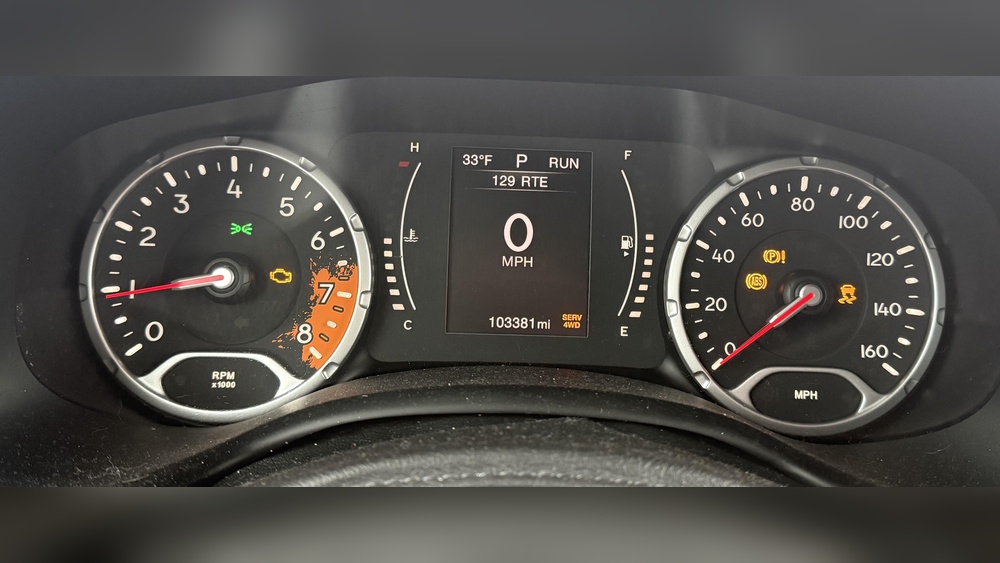
Common symptoms include reduced engine power and hesitation during acceleration. The Jeep may enter “limp mode,” limiting speed for safety. Drivers might see the electronic throttle control warning light on the dashboard. Engine stalling or rough idling can also occur with this code.
Impact On Jeep Performance
The P2110 code causes the Jeep to run with limited power. Acceleration slows down noticeably, making driving difficult. The engine may not respond well to gas pedal input. This safety feature protects the engine but reduces overall performance and drivability.
Throttle Body Role
The throttle body relearn is a key step after cleaning or replacing the throttle body on a Jeep with the P2110 code. It allows the engine control module (ECM) to recalibrate the throttle position for smooth operation. Without this relearn, the engine may run rough or enter limp mode.
This process helps the vehicle adjust to changes in air intake and throttle response. It ensures proper idle speed and prevents stalling. Throttle body relearn is simple but important for proper engine performance.
When Relearn Is Necessary
A throttle body relearn is needed after cleaning the throttle body. It is also required if the throttle body or sensor is replaced. After disconnecting the battery or clearing engine codes, relearn helps restore correct throttle settings.
Anytime the P2110 code appears, relearn should be done. It resets the throttle actuator control system. Skipping this step can cause drivability issues and poor engine response.
Relearn Procedures Without A Scanner
Some Jeep models allow throttle body relearn without a scanner. Start by turning the ignition to the ON position without starting the engine. Wait about 10 seconds for the system to activate.
Next, fully press the accelerator pedal slowly and release it. Repeat this process two to three times. Turn off the ignition and wait 30 seconds before starting the engine. This lets the ECM relearn the throttle position.
Using A Diagnostic Tool For Relearn
A diagnostic scanner makes throttle body relearn easier and more precise. Connect the scanner to the vehicle’s OBD-II port. Use the tool’s menu to find the throttle body relearn or idle relearn option.
Follow the on-screen prompts to complete the relearn process. The scanner communicates directly with the ECM. This method ensures the throttle body is calibrated correctly and clears related trouble codes.
Top Causes Of P2110
Driving with a P2110 code in your Jeep means the vehicle’s throttle system is not working properly. This code signals a problem in the electronic throttle control system. It affects how your Jeep accelerates and performs. You will notice changes as the vehicle enters a protective mode. Understanding these effects helps you stay safe and know when to get repairs.
Limp Mode Effects
The P2110 code causes the Jeep to enter limp mode. Limp mode limits engine power and speed. You may feel weak acceleration or hesitation. The engine may run rough or stall at low speeds. This mode protects the engine from damage. It allows you to drive to a repair shop safely. Expect reduced fuel efficiency and less smooth driving.
Safety Considerations
Driving with P2110 requires caution. The throttle may not respond as expected. Avoid sudden acceleration or high speeds. Be prepared for the Jeep to lose power unexpectedly. Keep a safe distance from other vehicles. Use extra care in traffic and on highways. If the engine stalls, steer safely to the side. Always keep your emergency signals ready.
When To Seek Immediate Repair
Seek immediate repair if the Jeep stalls while driving. If limp mode activates frequently or lasts long, do not delay. Sudden power loss in traffic or on highways is dangerous. Strange noises or smells from the engine need quick checks. If warning lights keep flashing, stop driving soon. Early repair can prevent costly damage and keep you safe.

Conclusion
The P2110 code in your Jeep signals a throttle control issue needing attention. Fixing it quickly helps avoid engine problems and poor performance. Regular checks and cleaning can prevent this error. Always inspect wiring and throttle components for damage or dirt.
Proper maintenance keeps your Jeep running smoothly and safely. Stay alert to warning lights and act promptly to protect your vehicle.