If you’ve ever seen that gas cap light come on in your Jeep Wrangler, you know how frustrating it can be. You check the cap, it’s on tight, but the warning won’t go away.
So why does your Jeep keep telling you there’s a problem with the gas cap? More often than not, this light isn’t just about the cap itself—it’s a signal that something might be wrong with your vehicle’s evaporative emissions system.
Ignoring it could lead to bigger issues down the road, but the good news is, many fixes are simple and quick. You’ll discover exactly why your gas cap light is on, how to troubleshoot it step-by-step, and what you can do to get your Jeep back to running smoothly. Keep reading—you’ll want to know how to handle this common Jeep Wrangler warning before it becomes a real headache.


Gas Cap Light Basics
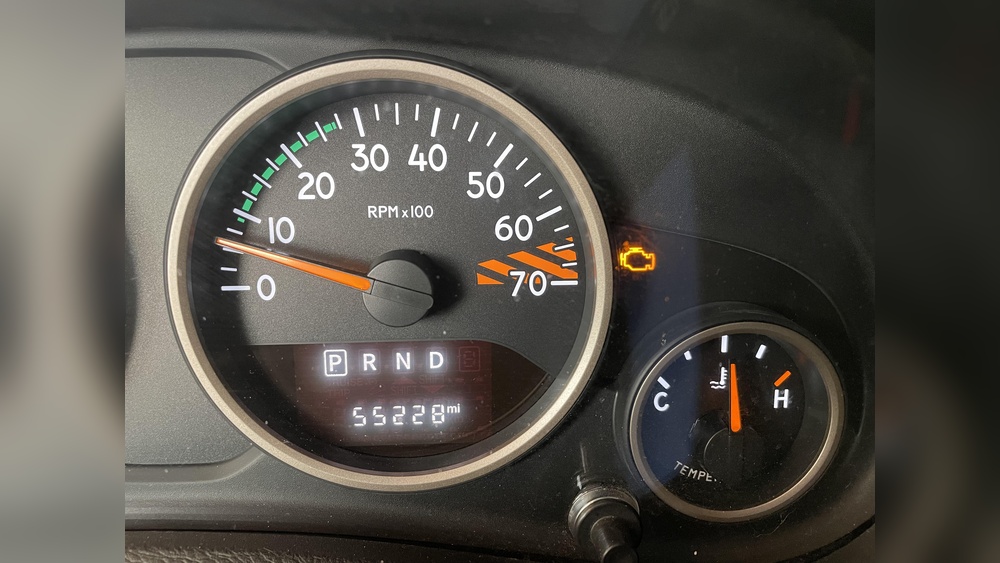
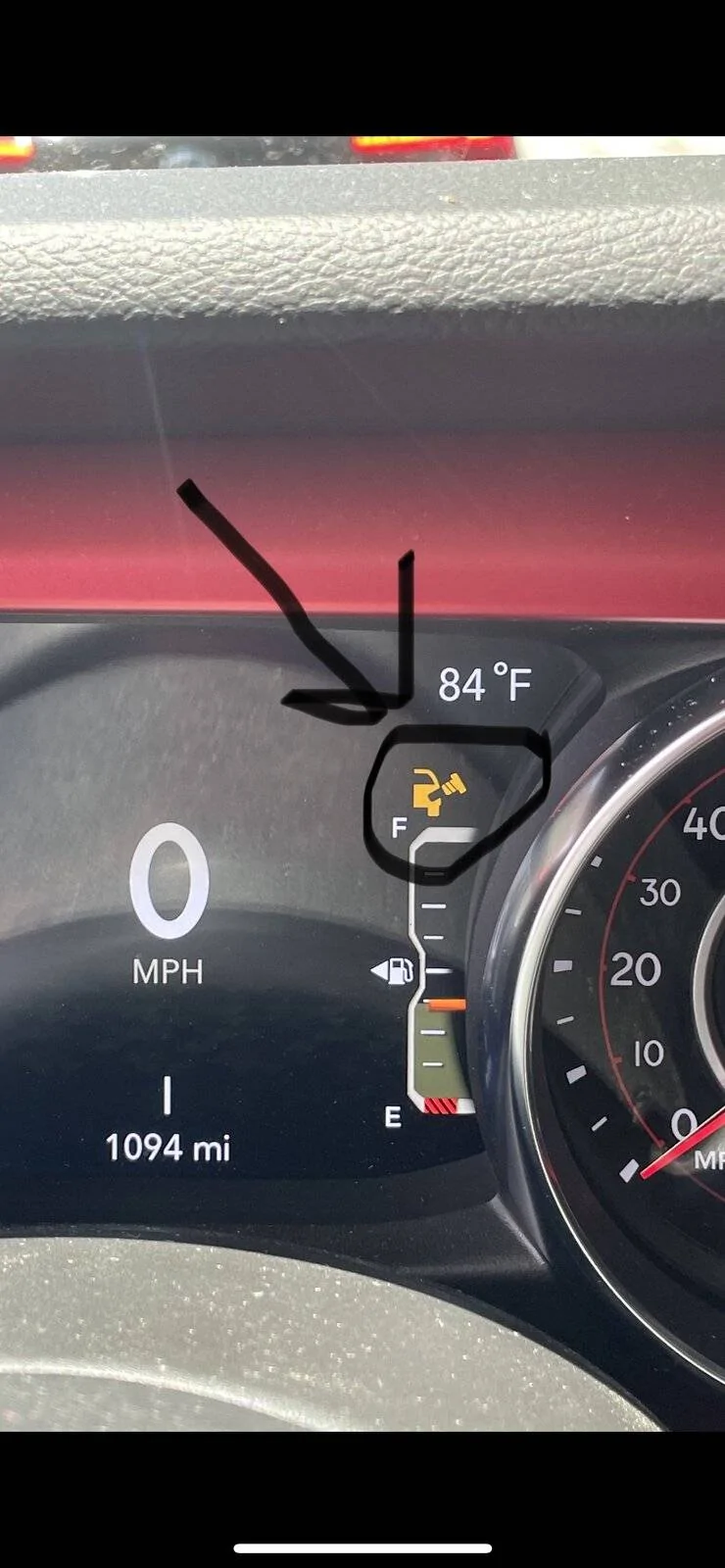
The gas cap light on your Jeep Wrangler is a warning signal. It alerts you to issues related to the vehicle’s fuel system. This light often appears on the dashboard as a small gas pump icon or a message about the gas cap.
Understanding why this light comes on helps you fix the problem quickly. It is usually linked to the gas cap or the emissions system. Ignoring this light can cause your Jeep to fail emissions tests and waste fuel.
What Triggers The Light
The gas cap light turns on when the vehicle detects a problem with the fuel system seal. A loose or damaged gas cap is the most common cause. Dirt or debris on the gas cap seal can also trigger the warning.
When the gas cap is not tightened properly, fuel vapors escape. This escape causes a drop in pressure inside the fuel tank. The Jeep’s computer senses this change and turns on the gas cap light.
Role Of The Evap System
The EVAP system stops fuel vapors from escaping into the air. It captures these vapors and sends them back to the engine to burn. The gas cap is part of this sealed system.
If there is a leak in the EVAP system, the gas cap light will come on. Problems like cracked hoses or a faulty purge valve affect the system’s seal. This triggers the warning light even if the gas cap is fine.
Simple Gas Cap Fixes
Many Jeep Wrangler owners choose aftermarket gas caps as a cheaper alternative to OEM parts. These caps may look the same but often differ in quality and fit. Using an aftermarket gas cap can lead to issues that trigger the gas cap light. Understanding these concerns helps you avoid unnecessary warnings and keeps your Jeep running smoothly.
Seal Quality Issues
Aftermarket gas caps may have lower seal quality than original parts. The sealing material might be thin or uneven. This causes tiny gaps that let vapors escape. The vehicle’s system senses this leak and turns on the gas cap light. Poor seal quality is a common reason for false alarms.
Gasket Wear And Tear
The gasket is the rubber ring that seals the cap to the fuel tank. Aftermarket caps often use cheaper rubber. This rubber cracks or wears out faster. Over time, the gasket loses its tight fit. A worn gasket fails to stop vapor leaks, causing the warning light to come on.
Tips For Better Sealing
Choose a gas cap made with high-quality materials. Look for caps designed specifically for Jeep Wranglers. Always check the gasket before installing a new cap. Replace the cap if the rubber feels dry or cracked. Tighten the cap firmly until it clicks three times. This ensures a secure seal to prevent leaks.
Common Evap System Issues
The gas cap light on your Jeep Wrangler signals an issue with the fuel system seal. Resetting this light often solves the problem quickly. It involves simple steps you can follow at home. This process helps the vehicle’s system recognize the gas cap is secure.
Resetting the gas cap light can clear the warning if the cap is properly tightened. If the light stays on, further checks may be necessary. Understanding how to reset the light saves time and avoids unnecessary repairs.
Steps To Reset
- Turn off your Jeep and open the fuel door.
- Remove the gas cap carefully.
- Check the cap’s rubber seal for cracks or dirt.
- Clean the threads and seal with a cloth if needed.
- Replace the gas cap and turn it until you hear three clicks.
- Start the engine and drive for a few miles.
- The gas cap light should turn off after the system resets.
When To Seek Professional Help
If the light remains on after resetting, the problem might be deeper. Issues could include cracked hoses or a faulty purge valve. Damage to the charcoal canister can also trigger the warning.
Persistent gas cap light means the EVAP system needs inspection. Professional mechanics have the tools to diagnose and fix these faults. Avoid driving long distances with this warning active to prevent further damage.
Inspecting Fuel Filler Components
The gas cap light on your Jeep Wrangler signals a problem in the fuel system. It does not mean the engine is about to fail immediately. Many drivers continue to drive with the light on without serious issues. Still, it is important to understand the risks involved. Ignoring the light for a long time can cause further damage. Knowing when to stop and fix the problem helps protect your vehicle.
Potential Risks
Driving with the gas cap light on may cause fuel to evaporate. This can reduce fuel efficiency and waste gas. The evaporative emissions system may leak harmful vapors into the air. It can also lead to a failed emissions test. Over time, small leaks can grow into larger problems. The fuel system may lose pressure, affecting engine performance. In rare cases, the engine may stall or run poorly.
When Immediate Repair Is Needed
Fix the gas cap light right away if the light blinks or flashes. This blinking often means a serious issue in the fuel system. Also, stop driving if you notice a strong fuel smell. This smell shows a possible fuel leak, which is dangerous. If your Jeep runs rough or stalls, repair it immediately. These signs show the problem affects engine safety. Quick repair avoids costly damage and keeps you safe on the road.
Conclusion
The gas cap light on your Jeep Wrangler signals a possible EVAP system leak. Start by tightening or replacing the gas cap with a genuine Mopar OEM part. Check for cracks or damage on the cap’s seal to ensure a proper fit.
If the light stays on, inspect hoses, the purge valve, and the charcoal canister for issues. Regular checks keep your Jeep running smoothly and help avoid costly repairs. Stay alert, and don’t ignore the warning—it protects your vehicle and the environment.