If your Jeep’s check engine light just came on and you’ve seen the P0171 code pop up, you’re probably wondering what’s wrong and how to fix it. This code means your engine is running too lean—that is, there’s too much air and not enough fuel in the mix.
It can cause rough idling, poor performance, and even damage if left unchecked. But don’t worry, understanding the P0171 code and knowing the common causes can help you get your Jeep back to running smoothly. Keep reading to find out what might be triggering this issue and how you can troubleshoot it step-by-step.
Your Jeep deserves the best care, and you deserve the peace of mind that comes with knowing what’s going on under the hood.
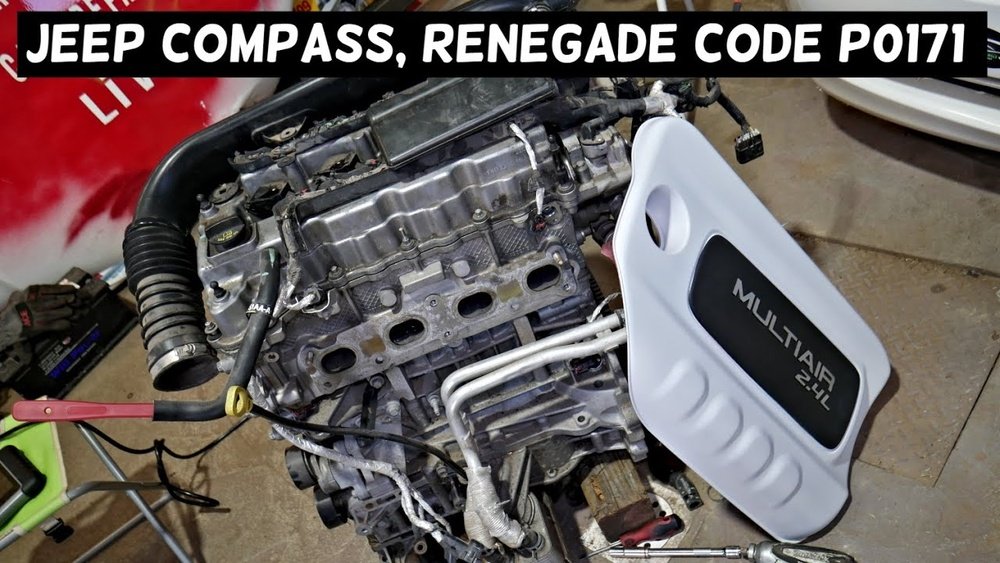
Po171 Code Basics
The PO171 code is a common error found in Jeep vehicles. It points to an issue with the engine’s air-fuel mixture. This code signals the engine is running too lean on bank one.
Bank one refers to the side of the engine with cylinder one. Running lean means there is too much air or too little fuel in the mix. This affects engine performance and emissions.
What Po171 Means
The PO171 code means the oxygen sensor detected a lean condition. The sensor monitors exhaust gases to check fuel mixture. If the sensor finds more oxygen than expected, it triggers the code.
This can happen due to vacuum leaks, fuel delivery problems, or sensor faults. The engine control unit uses this code to adjust fuel delivery and protect the engine.
Symptoms Of Po171 Code
Common symptoms include rough idling and poor acceleration. The engine might hesitate or stall during driving. Fuel economy often drops noticeably.
The check engine light will turn on and stay lit. In some cases, the engine may run hotter than normal. These signs suggest the air-fuel mixture needs attention.
Common Causes
The P0171 code on a Jeep means the engine is running too lean. This means there is too much air and not enough fuel in the engine. Many parts can cause this problem. Knowing the common causes helps fix the issue fast and avoid damage to the engine.
Vacuum Leaks
Vacuum leaks let extra air into the engine without measuring it. This unmetered air changes the air-fuel ratio. Common places for leaks are cracked intake manifolds, torn intake boots, or bad PCV hoses. These leaks cause the engine to run lean and trigger the P0171 code.
Fuel Delivery Problems
Fuel delivery issues reduce the fuel reaching the engine. A weak fuel pump cannot push enough fuel. A clogged fuel filter blocks the flow. Dirty or failing fuel injectors spray less fuel. All these problems cause a lean mixture and set off the P0171 code.
Sensor Malfunctions
Sensors tell the engine control unit how much air and fuel to use. A faulty mass airflow sensor or manifold absolute pressure sensor gives wrong data. This causes poor fuel control and a lean condition. Dirty sensors or wiring problems can also trigger the P0171 code.
Fuel System Issues
The P0171 code in a Jeep points to fuel system issues. This means the engine is running too lean. It does not get enough fuel compared to air. Fuel system problems often cause this imbalance. Identifying and fixing these problems can improve engine performance and fuel efficiency.
Weak Fuel Pump
The fuel pump pushes fuel from the tank to the engine. A weak fuel pump cannot supply enough fuel. This causes a lean fuel mixture and triggers the P0171 code. Symptoms include engine sputtering, stalling, or loss of power. Testing fuel pressure helps determine if the pump is weak.
Clogged Fuel Filter
The fuel filter removes dirt and debris from the fuel. Over time, it can get clogged. A clogged fuel filter restricts fuel flow to the engine. This leads to a lean mixture and sets off the P0171 code. Regular filter replacement keeps fuel flowing smoothly.
Failing Fuel Injectors
Fuel injectors spray fuel into the engine’s combustion chamber. Dirty or failing injectors do not deliver fuel properly. This causes uneven fuel distribution and a lean condition. The P0171 code appears when injectors cannot meet fuel demands. Cleaning or replacing injectors can fix this issue.

Sensor Cleaning And Testing
Cleaning and testing sensors play a vital role in diagnosing the P0171 code on a Jeep. This error often relates to a lean fuel mixture, where the engine gets too much air or too little fuel. Sensors like the MAP and MAF help control this balance. Dirt, dust, or faulty readings can cause wrong air-fuel data. Regular cleaning and testing ensure these sensors work properly and help keep your Jeep running smoothly.
Cleaning Map Sensors
The MAP sensor measures air pressure in the intake manifold. It tells the engine how much air enters the system. Dirt and oil can cover the sensor, causing wrong signals. Use a special sensor cleaner, not regular spray or water. Remove the sensor carefully. Spray the cleaner gently on the sensor element. Let it dry fully before reinstalling. Clean sensors give accurate readings and help fix the P0171 code.
Checking Maf Sensors
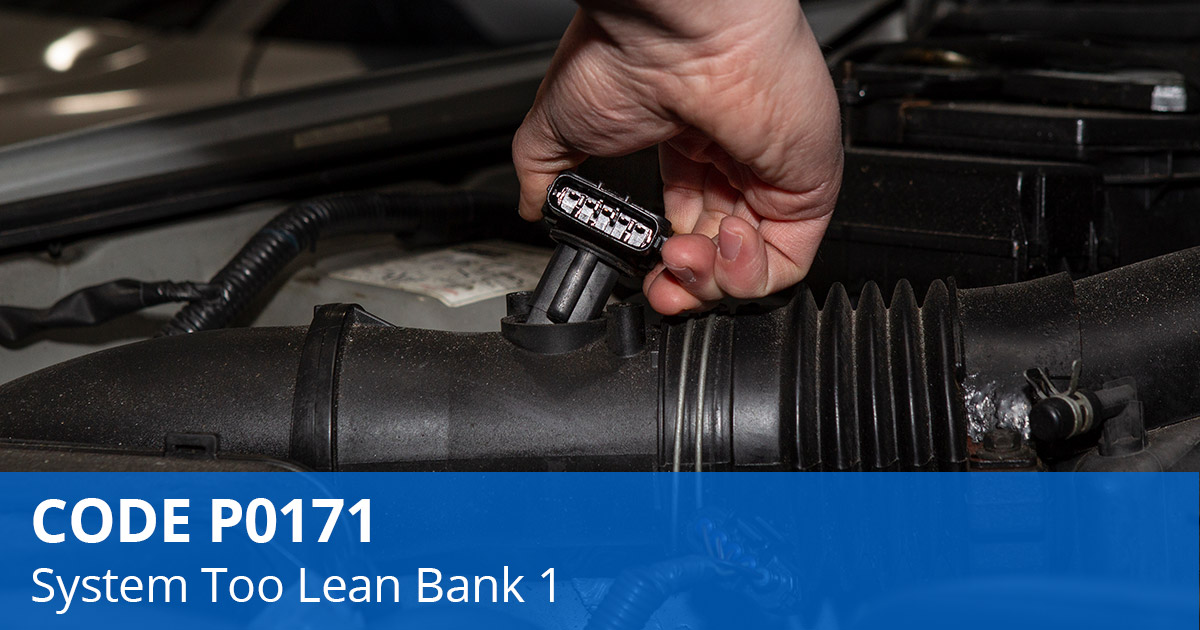
The MAF sensor measures the amount of air coming into the engine. It works with the air filter and intake system. Dust or oil buildup on the sensor wires can cause errors. Inspect the sensor for dirt or damage. Use a MAF sensor cleaner spray to remove grime. Avoid touching the sensor wires directly. After cleaning, test the sensor with a multimeter or scan tool. Proper function of the MAF sensor prevents lean conditions and engine issues.
Fuel Pressure Testing
Fuel pressure affects how much fuel reaches the engine. Low fuel pressure can cause a lean mixture and trigger the P0171 code. Use a fuel pressure gauge connected to the fuel rail. Turn the ignition on but don’t start the engine. Check the pressure against the Jeep’s specifications. If pressure is low, the fuel pump or filter might be faulty. Fixing fuel pressure problems restores the proper air-fuel ratio and engine performance.
Detecting Air Leaks
Detecting air leaks is essential when diagnosing the P0171 code on a Jeep. This code means the engine is running too lean. Too much air and not enough fuel cause this. Air leaks let unmetered air enter the engine. This disturbs the air-fuel mix. Finding these leaks helps fix the problem quickly. You can check several parts where leaks often happen.
Inspecting Intake Manifold
Start by checking the intake manifold for cracks or damage. The manifold seals the air entering the engine. Cracks or loose bolts cause leaks. Look closely at the gasket area. Use a flashlight to see hidden cracks. Spray carb cleaner near the manifold while the engine runs. If the engine speed changes, you found a leak.
Checking Pcv Hoses
Next, inspect the PCV hoses for holes or cracks. These hoses move gases from the engine to the intake. Over time, they dry out and crack. Squeeze the hoses gently. If they feel brittle or soft, replace them. Listen for hissing sounds while the engine runs. Hissing often means air is escaping through a hole.
Testing Intake Boots
Intake boots connect the air filter to the throttle body. Check these rubber parts for tears or splits. Use your hands to feel for leaks while the engine runs. A smoke test can also help find leaks here. Smoke enters the intake system and escapes where there is a leak. Replace any damaged boots immediately to stop leaks.
Fuel-air Mixture Adjustments
The PO171 code on a Jeep signals issues with the fuel-air mixture. This mix is vital for engine health and performance. Adjusting it helps fix running problems and reduces emissions. Understanding how to check and adjust the mixture saves time and money.
Air-to-fuel Ratio Issues
The air-to-fuel ratio means how much air mixes with fuel in the engine. The ideal ratio is about 14.7 parts air to 1 part fuel. Too much air creates a lean mixture. Too much fuel creates a rich mixture. A lean mixture causes poor engine power and rough running. It also raises the chance of engine damage over time.
Common causes of ratio problems include vacuum leaks, dirty sensors, or failing fuel injectors. These parts affect how the engine measures and adds fuel. Detecting air leaks or sensor faults is key to fixing the ratio.
Correcting Lean Mixtures
Lean mixtures occur when the engine gets too much air or not enough fuel. Fixing this starts with checking for vacuum leaks. Replace cracked hoses or faulty gaskets. Clean or replace the MAP or MAF sensor to ensure proper readings. Test fuel pressure to confirm the pump and injectors work well.
Adjusting or replacing faulty parts helps restore the right fuel flow. After repairs, clear the code and test drive the Jeep. The engine should run smoother with better power. The PO171 code will clear if the mixture balances properly.
Tools And Resources
Diagnosing and fixing the P0171 code on your Jeep requires the right tools and reliable resources. These help you understand the problem clearly and act quickly. Using proper tools saves time and prevents guesswork. Trusted resources offer step-by-step guidance. This section covers essential tools and places to find helpful information.
Using Diagnostic Scanners
Diagnostic scanners read trouble codes from your Jeep’s computer. They provide exact code details, like P0171, indicating a lean fuel condition. Basic OBD-II scanners are affordable and easy to use. Advanced scanners show live data like oxygen sensor readings and fuel trims. This data helps pinpoint issues such as vacuum leaks or fuel delivery problems. Regular use of a scanner keeps your Jeep running smoothly.
Helpful Online Forums
Online forums have large communities of Jeep owners and experts. Members share advice on fixing P0171 and other codes. You can ask questions and get answers from people with similar Jeep models. Forums often include detailed guides, photos, and parts recommendations. Popular Jeep forums are free and updated daily. They provide real-world solutions based on experience.
Video Tutorials
Video tutorials show step-by-step repairs for P0171 code issues. Watching someone perform the repair makes it easier to understand. Videos often cover cleaning sensors, checking for leaks, and replacing parts. Many tutorials focus on specific Jeep models and engines. They help you avoid mistakes and save money on repairs. Use videos alongside manuals and forums for best results.
Preventive Maintenance Tips
Preventing the P0171 code on your Jeep starts with good maintenance. This code often means the engine is running too lean. Dirt and wear can cause sensors and fuel parts to fail. Regular care keeps your Jeep running smooth. It lowers repair costs and avoids breakdowns.
Regular Sensor Cleaning
Sensors like the MAP or MAF measure air flow into the engine. Dust and oil can coat these sensors. This causes wrong readings and poor engine performance. Use a special sensor cleaner to remove buildup. Clean sensors help your Jeep run correctly and prevent code P0171.
Fuel System Upkeep
The fuel system must deliver the right amount of fuel. Check the fuel filter often. Replace it if it is clogged. Dirty fuel injectors can cause lean conditions. Use fuel injector cleaner to keep them clear. Ensure the fuel pump works well and supplies enough fuel pressure.
Routine Inspections
Inspect your Jeep regularly for air leaks. Cracks in hoses or the intake manifold let unmetered air in. This causes a lean mix and triggers the P0171 code. Check vacuum lines and the PCV valve for damage. Fix any leaks quickly to maintain engine balance and performance.
Conclusion
The P0171 code in Jeep vehicles signals a lean air-fuel mixture. Common causes include vacuum leaks or fuel delivery problems. Regular checks of sensors and fuel pressure help spot issues early. Addressing these problems keeps your Jeep running smoothly. Stay attentive to warning signs to avoid costly repairs.
Proper maintenance ensures better performance and fuel efficiency. Taking care of your Jeep protects your investment and driving experience.