If you’ve spotted the code Jeep U0401 00 on your dashboard, you’re likely wondering what it means and how it affects your vehicle. This error code signals that your Jeep’s system is receiving invalid data from key control modules like the Engine Control Module (ECM) or Powertrain Control Module (PCM).
When this happens, your Jeep might not perform as smoothly as it should—you could notice issues like poor acceleration or warning lights flashing. But don’t worry; understanding what triggers this code and how to fix it can save you time, money, and stress.
Keep reading, and you’ll discover simple steps to diagnose the problem and get your Jeep back on the road with confidence.


Error Code U0401 Explained
The Jeep error code U0401 indicates a communication problem between control modules. It means the Engine Control Module (ECM) or Powertrain Control Module (PCM) is sending invalid data. This error affects your vehicle’s performance and triggers warning lights on the dashboard.
Understanding this code helps you identify issues and take action. It often points to wiring problems, sensor faults, or software glitches. Early detection can prevent more serious damage to your Jeep’s systems.
What Triggers U0401
Several causes can trigger the U0401 code in your Jeep. A weak or faulty battery may cause voltage drops. This interrupts communication between control modules. Outdated software on the Transmission Control Module (TCM) can also cause errors.
Faulty sensors such as the throttle position sensor or mass airflow sensor send wrong data. Wiring issues like corroded pins, damaged wires, or moisture in connectors disrupt signals. These problems confuse the ECM or PCM, causing the error code to appear.
Symptoms To Watch For
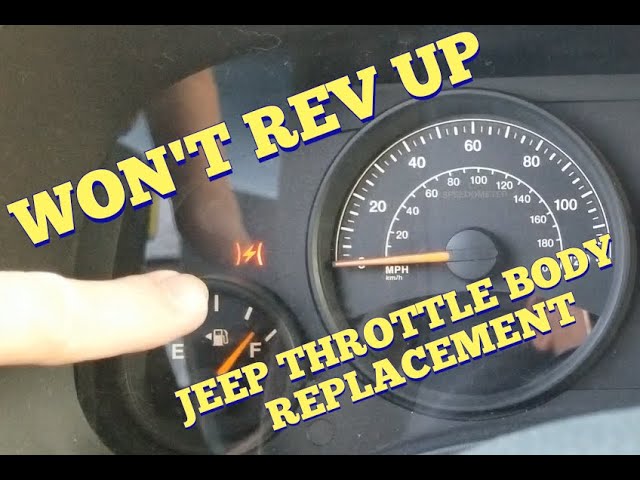
Watch for a check engine light on your dashboard. Your Jeep might have reduced power or poor throttle response. The engine may hesitate, stall, or run unevenly. You could also notice the lightning bolt symbol above the gas gauge.
Other signs include difficulty starting the vehicle or unusual engine noises. These symptoms indicate module communication problems. Addressing them quickly helps maintain safe and reliable driving.
Common Causes Of U0401
The Jeep U0401 00 error code points to communication issues between control modules. This problem often causes poor engine performance or warning lights. Understanding the common causes helps in quick diagnosis and repair.
Several factors can disrupt data exchange in the vehicle’s electronic system. Identifying these causes is key to restoring proper function.
Battery And Voltage Issues
Jeep electrical systems need stable voltage to operate correctly. A weak or dying battery can cause voltage drops. These drops affect module communication and trigger the U0401 code. Loose or corroded battery terminals also create poor connections. Regular battery testing and maintenance help avoid these issues.
Outdated Control Module Software
Control modules rely on up-to-date software to communicate well. Old or buggy software in the Transmission Control Module (TCM) or Engine Control Module (ECM) causes errors. Jeep manufacturers release updates to fix bugs and improve stability. Without these updates, modules may send invalid data.
Faulty Engine Sensors
Engine sensors like the throttle position sensor or mass airflow sensor send vital information to control modules. Faulty sensors send wrong or erratic signals. This confuses the modules and triggers the U0401 code. Sensor failure often results in rough engine running or poor fuel economy.
Wiring And Can Bus Problems
Wiring harnesses connect all control modules through the CAN bus network. Damage like frayed wires, moisture, or corrosion interrupts signals. Loose or corroded connectors also cause communication errors. Inspecting wiring and connectors prevents these common faults.
Testing The Battery System
Testing the battery system is essential for diagnosing the Jeep U0401 00 error. This error often relates to communication issues between the Engine Control Module and other parts. Battery health directly affects these electronic modules. A weak or failing battery can cause voltage drops, leading to signal errors. Checking the battery system ensures stable power delivery and proper module function.
Main Battery Inspection
Start by checking the main battery’s voltage with a multimeter. A fully charged battery should read around 12.6 volts. Measure voltage with the engine off and running to see charging performance. Inspect battery terminals for corrosion or loose connections. Clean and tighten terminals to ensure good contact. Look for physical damage or swelling on the battery case. Replace the battery if voltage or condition is poor.
Auxiliary Battery Checks
Some Jeep models include an auxiliary battery to support start/stop systems. Test this battery like the main one, checking voltage and condition. Auxiliary batteries often fail unnoticed but cause communication errors. Confirm cables and connectors are secure and free from corrosion. Replace the auxiliary battery if it shows low voltage or damage. Proper function of both batteries prevents power interruptions.
Alternator Performance
The alternator charges the batteries and powers the electrical system. Test alternator output voltage with the engine running; it should be between 13.5 and 14.5 volts. Check for unusual noises or belt wear affecting performance. A failing alternator can cause battery drain and module errors. Inspect the alternator connections and wiring for damage. Repair or replace the alternator if output is low or unstable.
Inspecting Wiring And Connectors
Inspecting wiring and connectors plays a vital role in diagnosing the Jeep U0401 00 error. This error often stems from communication issues between control modules. Faulty wiring or poor connections can disrupt signals, causing the engine control module (ECM) or powertrain control module (PCM) to receive invalid data. Careful inspection helps identify hidden problems like corrosion, damage, or loose contacts. Proper checks ensure electrical signals flow smoothly, preventing module miscommunication and improving vehicle performance.
Checking For Corrosion And Damage
Examine wiring and connectors for signs of corrosion. Rust or green deposits indicate corrosion that blocks electrical flow. Look for cracked insulation or broken wires. Damaged wiring causes signal loss and errors. Use a flashlight to see inside connectors. Clean corroded areas carefully with electrical contact cleaner. Replace wires or connectors that show severe damage. Keeping connections clean prevents communication errors in your Jeep.
Securing Loose Connections
Loose connectors cause intermittent signals and error codes. Gently wiggle each connector to check for tightness. Re-seat any loose plugs to ensure full contact. Use dielectric grease to protect connections and improve conductivity. Secure wiring harnesses with zip ties to avoid vibration damage. A firm connection stops signals from dropping and reduces the chance of U0401 00 errors. Tight connections maintain steady communication between modules.
Moisture And Pin Corrosion Effects
Moisture inside connectors leads to pin corrosion and electrical shorts. Water trapped in wiring harnesses corrodes metal pins. Corroded pins weaken or block signals, causing module errors. Check for dampness or water stains near connectors. Dry connectors thoroughly before reassembling. Use silicone spray or dielectric grease to repel moisture. Protecting pins from moisture keeps electrical paths clear. This helps prevent invalid data errors in the Jeep’s control system.
Diagnosing Faulty Sensors
Diagnosing faulty sensors is key to fixing the U0401 00 Jeep error. Sensors send data to the Engine Control Module (ECM) or Powertrain Control Module (PCM). Bad sensor readings cause the modules to misinterpret engine conditions. This leads to poor performance and warning lights. Testing sensors helps find the problem fast. Focus on the most common sensors that fail.
Throttle Position Sensor
The throttle position sensor (TPS) measures how far the gas pedal is pressed. It sends this info to the ECM for fuel and air control. A faulty TPS can cause rough idling and stalling. Test the sensor with a multimeter to check voltage changes as you move the throttle. Replace the sensor if the reading is erratic or out of range.
Mass Airflow Sensor
The mass airflow sensor (MAF) monitors the air entering the engine. It helps the ECM balance fuel delivery. Dirt or damage can cause the MAF to send wrong data. This triggers the U0401 00 code. Clean the sensor with a special spray or test it with a scan tool. Replace it if cleaning does not fix the issue.
Other Critical Sensors
Other sensors also affect engine control and can cause errors. These include the crankshaft position sensor and camshaft position sensor. They provide engine timing data to the PCM. Faulty sensors here cause misfires and poor fuel economy. Test sensor resistance and signal output. Repair wiring or replace sensors as needed to clear the fault code.

Updating Control Module Software
Updating the control module software is a key step to fix the Jeep U0401 00 error. This error signals communication issues between the Transmission Control Module (TCM) and other vehicle systems. Modern vehicles use software to control various parts. If this software is outdated or has bugs, it can cause problems like this error code.
Refreshing the software ensures the modules work well together. It can improve vehicle performance and prevent future errors. The process involves checking the current software version and installing any available updates from the manufacturer. This update often clears the error and restores proper function.
Role Of Transmission Control Module
The Transmission Control Module manages the automatic transmission. It sends and receives data from the engine and other systems. This helps the transmission shift gears smoothly. The TCM relies on accurate software to interpret signals correctly. Faulty or outdated software can cause miscommunication, leading to error codes like U0401 00.
Finding Software Updates
Software updates come from Jeep or its authorized dealers. Manufacturers release updates to fix bugs and improve module performance. These updates are often specific to the vehicle’s model and year. You can check for updates by entering your vehicle’s VIN on Jeep’s website. Another way is to visit a dealership or use diagnostic tools that connect to the vehicle’s computer.
Dealership Vs. Diy Updates
Dealership updates ensure the latest software is installed correctly. Trained technicians use official tools and follow precise procedures. This reduces the risk of errors during the update. However, dealership updates may cost more and require an appointment.
DIY updates can save money but carry risks. You need proper diagnostic equipment and the correct software files. Mistakes during a DIY update can cause more problems. For most Jeep owners, dealership updates offer the safest and most reliable option.
Throttle Body Inspection And Replacement
The throttle body plays a key role in your Jeep’s engine performance. It controls the airflow into the engine, affecting power and fuel efficiency. Inspecting and replacing the throttle body can fix issues linked to the Jeep U0401 00 error code. This section helps you understand throttle body problems, removal, and installation.
Symptoms Of Throttle Body Failure
A failing throttle body causes several noticeable symptoms. The engine may stall or idle roughly. You might notice poor acceleration or hesitation during driving. The check engine light often turns on. Sometimes, the Jeep struggles to start or runs unevenly. These signs suggest it is time to inspect the throttle body.
Step-by-step Removal Guide
Begin by disconnecting the negative battery cable to ensure safety. Locate the throttle body attached to the intake manifold. Remove the air intake duct connected to the throttle body. Disconnect the electrical connector carefully to avoid damage. Unscrew the bolts holding the throttle body in place. Gently remove the throttle body from the engine bay. Keep track of all screws and parts for reinstallation.
Installing A New Throttle Body
Start by placing the new throttle body on the intake manifold. Align it properly and tighten the mounting bolts evenly. Reconnect the electrical connector to the new throttle body. Attach the air intake duct securely. Reconnect the negative battery cable last. Turn the ignition on and let the engine run for a few minutes. This step allows the new throttle body to calibrate correctly.
Using Diagnostic Tools
Using diagnostic tools is essential for identifying and fixing the Jeep U0401 00 error. These tools connect to your vehicle’s computer system and provide valuable information. They help you understand what is wrong with the Engine Control Module (ECM) or Powertrain Control Module (PCM). Proper use of these tools saves time and money by guiding repairs accurately.
Obd-ii Scanner Tips
Use an OBD-II scanner to read trouble codes from your Jeep’s computer. Plug the scanner into the port under the dashboard. Turn on the ignition but don’t start the engine. The scanner will communicate with the vehicle’s modules and show fault codes. Choose a scanner that supports Jeep-specific codes for better results. Keep the scanner’s software updated for accurate readings.
Reading Module Data
After connecting the scanner, access the module data screen. This shows live information from the ECM and PCM. Look for irregular data such as unusual sensor values or communication errors. Compare readings to normal ranges found in your Jeep’s manual. Spotting abnormal data helps pinpoint faulty sensors or wiring problems. This step is key to diagnosing the U0401 00 error correctly.
Clearing Error Codes
Once repairs are done, use the scanner to clear error codes. This resets the vehicle’s computer and turns off warning lights. Make sure the issue is fully fixed before clearing codes. Otherwise, the codes will return quickly. After clearing, drive your Jeep for a short time. Check if the error stays off and if the vehicle runs smoothly. This confirms the problem is resolved.
Preventive Measures
Preventing the Jeep U0401 00 error saves time and money. Taking simple steps can keep your vehicle’s control modules working well. Regular care avoids electrical issues and sensor problems. Follow these easy measures to maintain smooth communication between your Jeep’s systems.
Regular Battery Maintenance
Check the battery voltage often. Low battery power causes module errors. Clean battery terminals to stop corrosion. Replace weak batteries quickly to prevent voltage drops. Test the alternator to ensure it charges properly. A strong battery keeps all systems running smoothly.
Keeping Wiring Harnesses Clean
Inspect wiring harnesses for dirt and moisture. Clean connectors to avoid corrosion and poor contacts. Look for damaged or frayed wires. Secure loose wiring to prevent wear from vibrations. Dry any wet areas to stop short circuits. Clean wiring supports clear signals between modules.
Routine Sensor Checks
Test engine sensors regularly for correct readings. Replace faulty sensors like throttle position or mass airflow sensors. Clean sensor connectors to avoid signal errors. Check sensors after harsh weather or off-road trips. Healthy sensors ensure accurate data for the ECM and PCM. Routine checks prevent unexpected faults and error codes.
Conclusion
The Jeep U0401 00 code points to communication problems between control modules. Checking your battery and wiring can often resolve this issue. Faulty sensors or outdated software might also cause errors. Regular maintenance helps prevent these faults. Addressing the problem early keeps your Jeep running smoothly.
Stay attentive to warning lights and unusual behavior. This approach saves time and money in the long run.