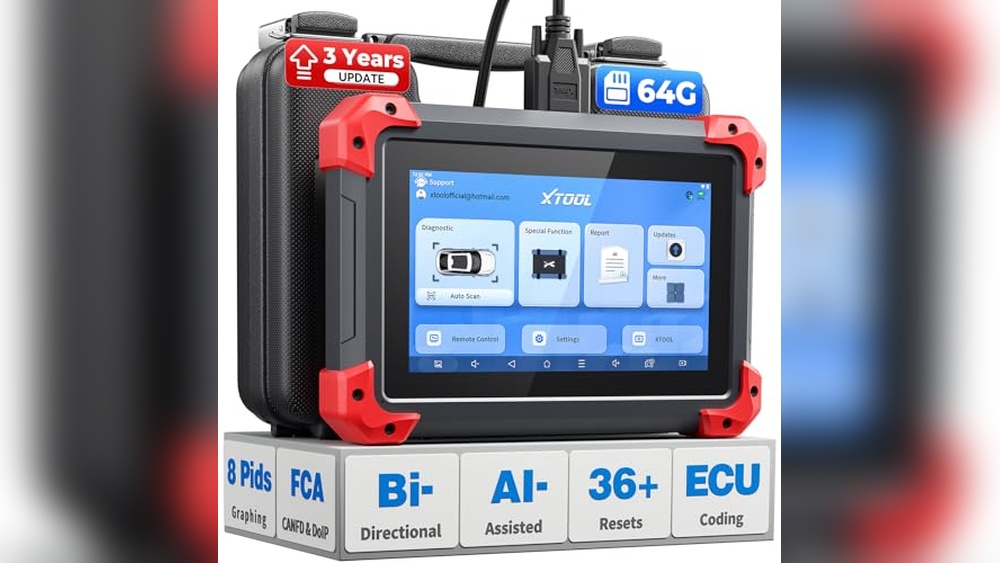
Choosing between the Xtool D7 and D8 can feel confusing if you’re new to vehicle diagnostics. Both scanners promise fast results, but their features, price, and ease of use differ in ways that matter for buyers.
This article breaks down every key aspect so you can confidently decide which tool fits your needs. We’ll cover the seven main comparison points: design, compatibility, features, performance, user interface, price/value, and after-sales support.
You’ll also find practical advice, real examples, and answers to common questions.
Design And Build Quality
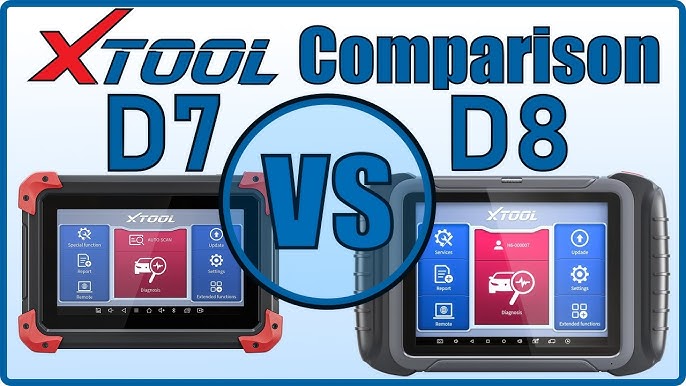
The first thing many buyers notice is the look and feel of the device. Xtool D7 and D8 both have sturdy housings, but the details set them apart.
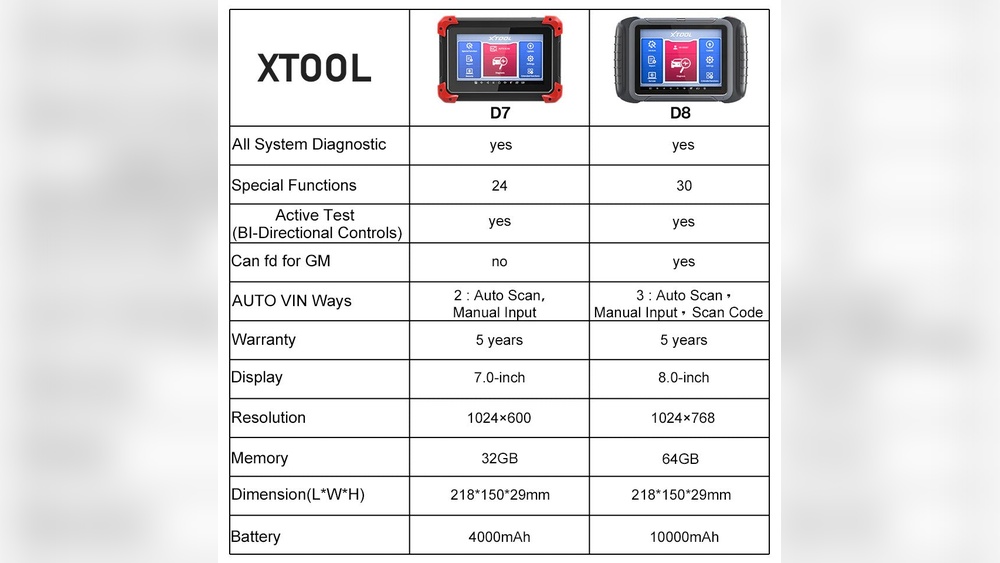
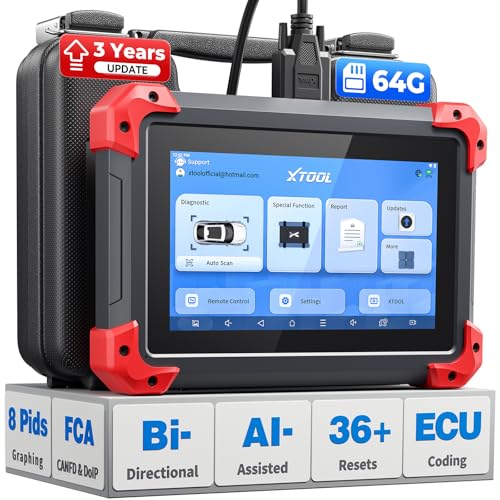
- Xtool D7 is compact and lightweight, weighing about 1.5 lbs. It’s easy to hold and carry, even for long periods. The casing uses a tough, rubberized plastic, which helps protect it from drops and bumps.
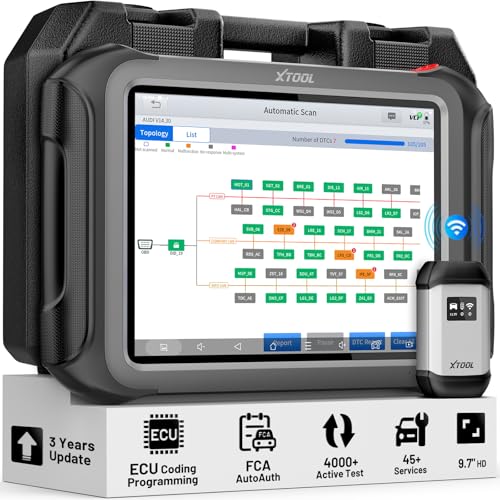
- Xtool D8 is larger and heavier, closer to 2.2 lbs. Its design feels more professional, with a thicker shell and a bigger screen. The 8-inch touchscreen is clear and bright, making it easier to read codes in sunlight or workshops.
Build quality matters if you work in busy garages or need a tool that won’t break easily. The D8’s extra size means more durability, but the D7’s smaller frame is better for mobile mechanics or DIY users who want portability.
Vehicle Compatibility
When buying a scanner, it’s crucial to know which vehicles it supports. Both models cover a wide range, but there are differences.
- Xtool D7 works with most US, European, and Asian brands from 1996 onward. It covers OBD2 protocols and supports more than 85 manufacturers. For example, you can scan Ford, GM, Toyota, BMW, Honda, Nissan, and many others.
- Xtool D8 expands compatibility further. It supports over 100 brands, including some luxury and commercial vehicles not covered by D7. The D8 also reads both OBD1 and OBD2 systems, which means it can diagnose older cars (pre-1996) that the D7 cannot.
If you regularly work on a variety of cars—including trucks or rare brands—the D8 has the edge. However, for most common vehicles, the D7’s coverage is enough.
Features And Functions
Features are where these tools really start to differ. Let’s look at what each scanner offers.
- Basic Diagnostics: Both D7 and D8 can read and clear codes, view live data, and perform standard OBD2 tests (like emissions readiness and freeze frame).
- Advanced Functions:
- D7 offers special functions such as oil reset, ABS bleed, EPB reset, and throttle relearn. It can also perform battery registration and DPF regeneration for select brands.
- D8 takes it further with more than 38 service functions. This includes key programming, injector coding, TPMS reset, and airbag reset. The D8 supports bi-directional control, meaning it can activate components (like fans or pumps) directly from the tool—a feature the D7 lacks.
- Updates: Both scanners come with free software updates for at least two years. Updates add new vehicle coverage and fix bugs.
- Remote Diagnosis: The D8 allows remote diagnosis through Wi-Fi, so you can help clients or friends from anywhere. The D7 doesn’t offer this feature.
Here’s a quick comparison:
| Feature | Xtool D7 | Xtool D8 |
|---|---|---|
| Oil Reset | Yes | Yes |
| ABS Bleed | Yes | Yes |
| Key Programming | No | Yes |
| Bi-directional Control | No | Yes |
| Remote Diagnosis | No | Yes |
| TPMS Reset | Limited | Full |
The D8 stands out for advanced diagnostics and special functions, making it better for professional use.
Performance And Speed
How quickly and reliably a scanner works can save time and prevent mistakes.
- Xtool D7 boots up in about 20 seconds. It scans most cars in 1-2 minutes. Data refreshes fast, but with very complex vehicles, it might lag slightly. The device uses a quad-core processor and 2GB RAM, which handles basic tasks well.
- Xtool D8 is faster, thanks to an octa-core processor and 4GB RAM. It boots in under 10 seconds and scans most vehicles in less than a minute. Live data streams smoothly, even for advanced tests. The D8 rarely lags, even with multiple systems open.
One overlooked insight: the D8’s faster processing means fewer misreads or incomplete scans—a hidden benefit when diagnosing tricky issues.
Here’s another performance comparison:
| Performance Metric | Xtool D7 | Xtool D8 |
|---|---|---|
| Boot Time | 20 sec | 10 sec |
| Scan Time (avg) | 1-2 min | <1 min |
| RAM | 2GB | 4GB |
| Processor | Quad-core | Octa-core |
If speed matters—such as in a busy shop or when diagnosing multiple cars per day—the D8 is the better choice.
User Interface And Experience
Ease-of-use can make or break your experience with a diagnostic tool. Let’s compare the interfaces.
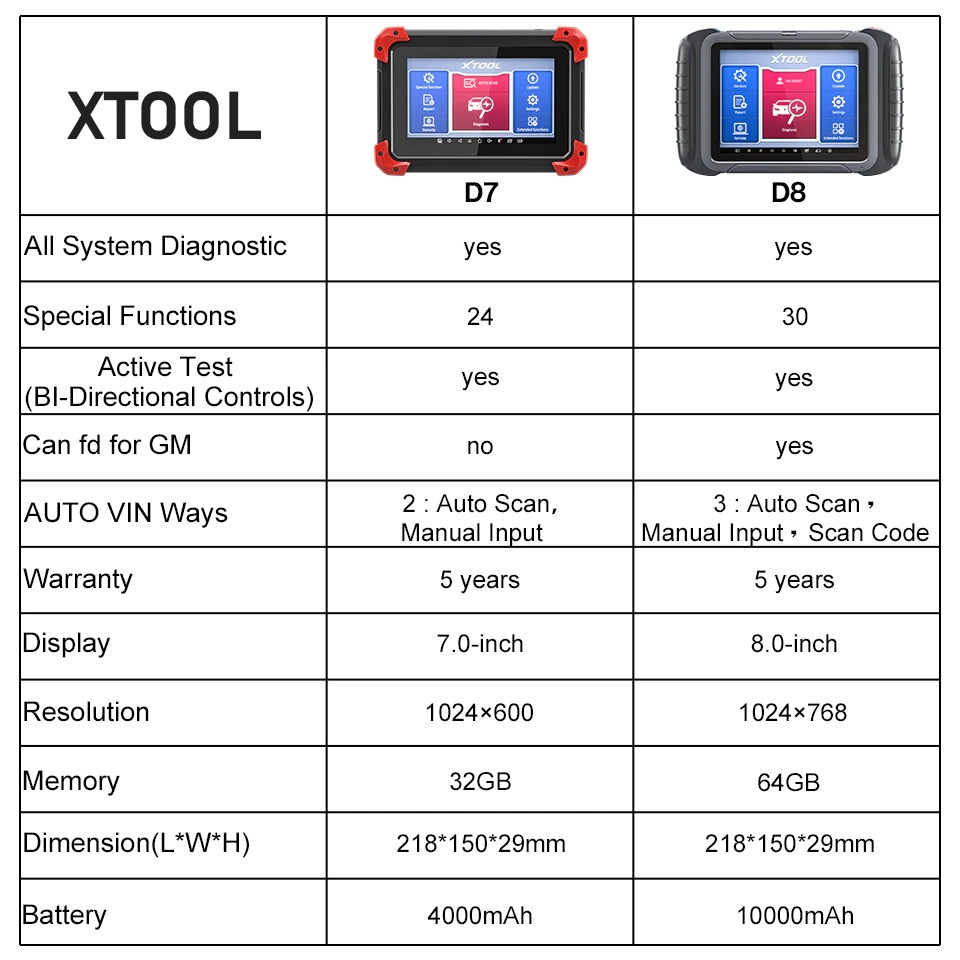
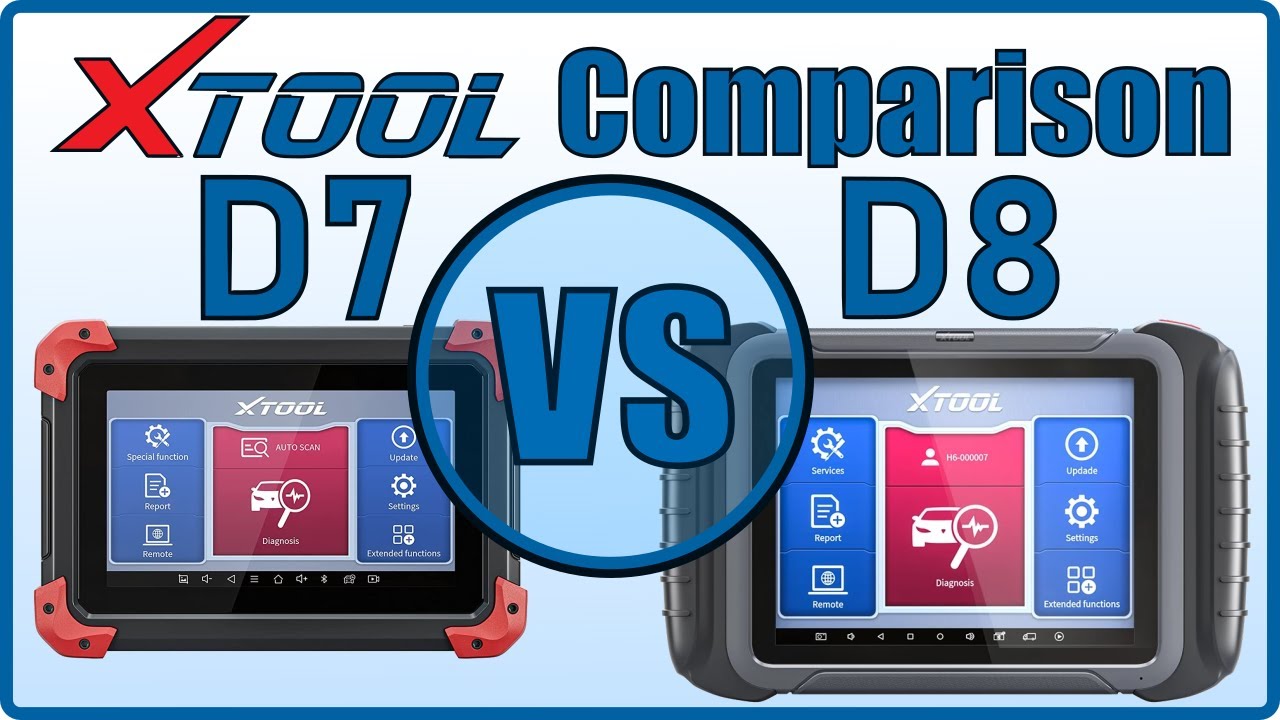
- Xtool D7 has a simple menu system. The 7-inch touchscreen is responsive, but some icons are small and menus can feel crowded. There’s a learning curve, but once familiar, navigation is quick.
- Xtool D8 uses an 8-inch touchscreen with larger icons and a cleaner layout. Menus are organized by car brand and function. The D8 also supports voice commands and custom shortcuts. For beginners, the setup guides are clearer and easier to follow.
One insight many users miss: the D8’s screen is not just bigger—it’s also higher resolution, making graphs and live data easier to analyze. This matters when watching sensor data or troubleshooting intermittent faults.
Price And Value For Money
Price is a major factor for most buyers, but value depends on how you use the tool.
- Xtool D7 sells for about $350-$500, depending on region and retailer.
- Xtool D8 costs around $700-$850. The higher price reflects its advanced features and more robust hardware.
If you only need basic diagnostics and a few special functions, the D7 offers excellent value. For professionals, the D8’s extra capabilities justify the cost.
Here’s a quick cost overview:
| Device | Average Price (USD) | Warranty |
|---|---|---|
| Xtool D7 | $400 | 1 year |
| Xtool D8 | $800 | 2 years |
A hidden value point: the D8’s longer warranty and free software updates mean fewer future expenses.
After-sales Support And Updates
Support after purchase is often overlooked but can save headaches.
- Xtool D7 comes with a one-year warranty and two years of free updates. Support is available via email and live chat, but response times can vary.
- Xtool D8 offers a two-year warranty and lifetime technical support. Updates are more frequent, adding new brands and features every few months. Users can access online tutorials and a dedicated customer portal.
One practical tip: registering your device immediately unlocks extra support options, including firmware fixes and direct help for tricky problems.
For reliable, ongoing support, the D8 is clearly ahead.
Last update on 2026-07-08 / Affiliate links / Images from Amazon Product Advertising API