Choosing between the Jeep Gladiator and the Ford F150 can feel like picking between two different worlds. Both are popular trucks in the US, but they serve very different needs.
If you’re looking for adventure, off-road capability, and something unique, the Gladiator stands out. If you want maximum towing, payload, and a classic American pickup, the F150 is hard to beat.
But what do these differences really mean for you? Let’s break it all down, step by step, so you can make the best choice for your life and budget.
What Makes Each Truck Special?
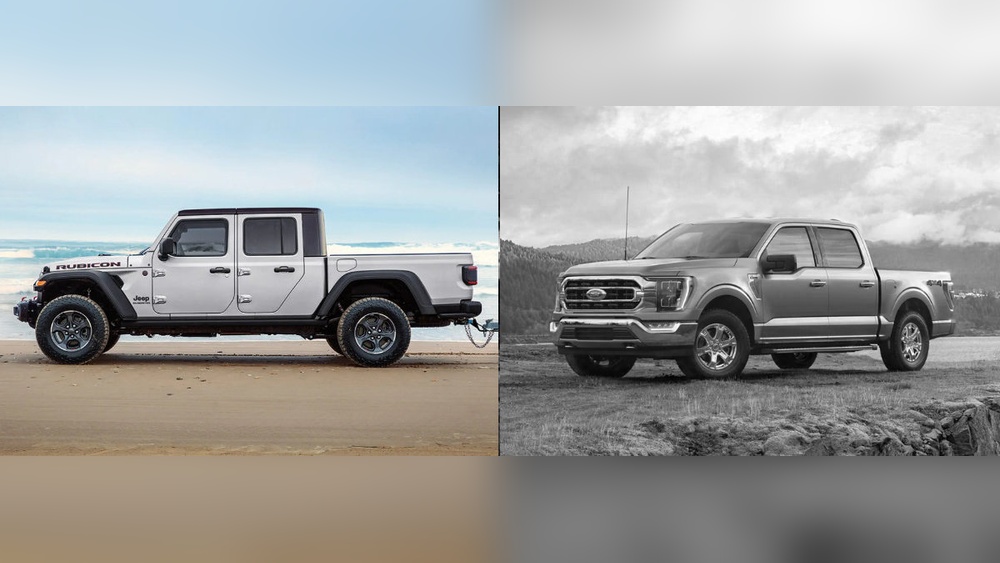
The Jeep Gladiator is the only pickup that offers true open-air driving. It’s basically a Jeep Wrangler with a truck bed. That means you get removable doors, a convertible roof, and great off-road skills. The Gladiator is made for people who love to explore, camp, and go places regular trucks can’t reach.
The Ford F150 is America’s best-selling truck for a reason. It’s strong, comfortable, and comes in many styles.
From basic work models to luxury versions, the F150 can be almost anything you want. Its engine choices are wide, and it’s famous for towing and hauling heavy loads.
Size And Dimensions
Let’s start with the basics: how big are these trucks? Size affects parking, handling, and what you can carry.
| Truck | Length | Width | Height | Bed Length |
|---|---|---|---|---|
| Jeep Gladiator | 218 inches | 73.8 inches | 76.1 inches | 60.3 inches |
| Ford F150 (Crew Cab) | 231.7 inches | 79.9 inches | 77.2 inches | 67.1–78.9 inches |
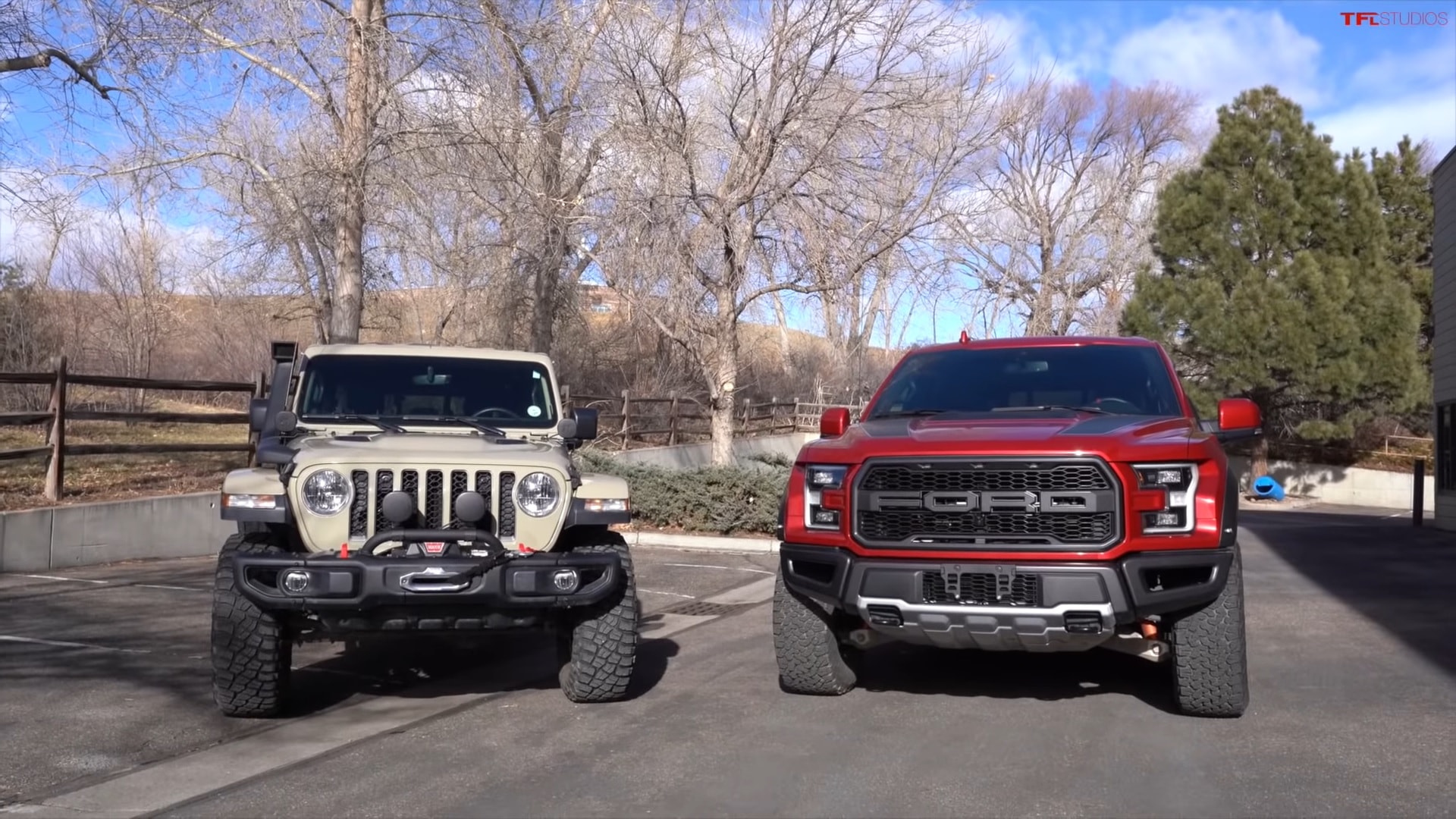
The F150 is bigger in almost every way. This gives it more cargo space, but also makes it harder to park in tight spots. The Gladiator’s smaller size is easier for city driving and off-road trails.
Engine Choices And Performance
Both trucks offer several engines, but their focus is different. The Gladiator sticks to a V6 for most models, while the F150 offers a wider range—from fuel-saving V6s to powerful V8s and even a hybrid.
| Truck | Engine Options | Horsepower | Torque | Fuel Economy (Combined) |
|---|---|---|---|---|
| Jeep Gladiator | 3.6L V6, 3.0L Diesel V6 | 285–260 hp | 260–442 lb-ft | 19–24 mpg |
| Ford F150 | 2.7L V6, 3.5L V6, 5.0L V8, 3.5L Hybrid | 290–450 hp | 265–510 lb-ft | 20–25 mpg |
Non-obvious insight: The F150’s hybrid engine is not just about saving gas—it also boosts low-speed power, making towing smoother. Many buyers miss that hybrids can tow and haul, not just save fuel.
Towing And Payload
If you plan to pull a trailer, boat, or carry heavy tools, these numbers matter most.
| Truck | Max Towing Capacity | Max Payload |
|---|---|---|
| Jeep Gladiator | 7,700 lbs | 1,700 lbs |
| Ford F150 | 14,000 lbs | 3,325 lbs |
The F150 nearly doubles the Gladiator’s towing and payload. If you need to move heavy stuff often, the F150 is the clear winner.
Off-road Capability
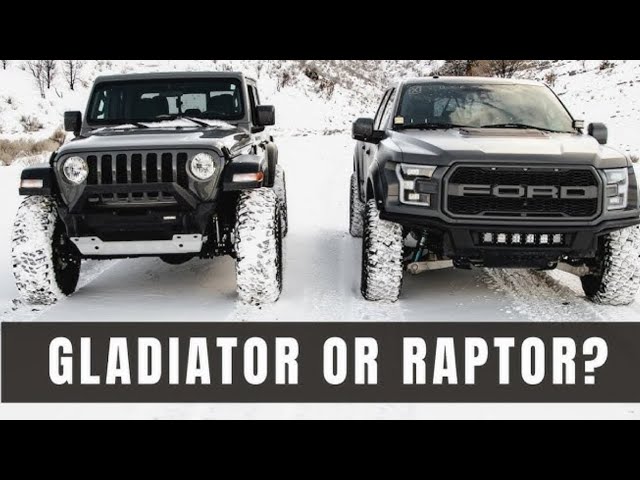
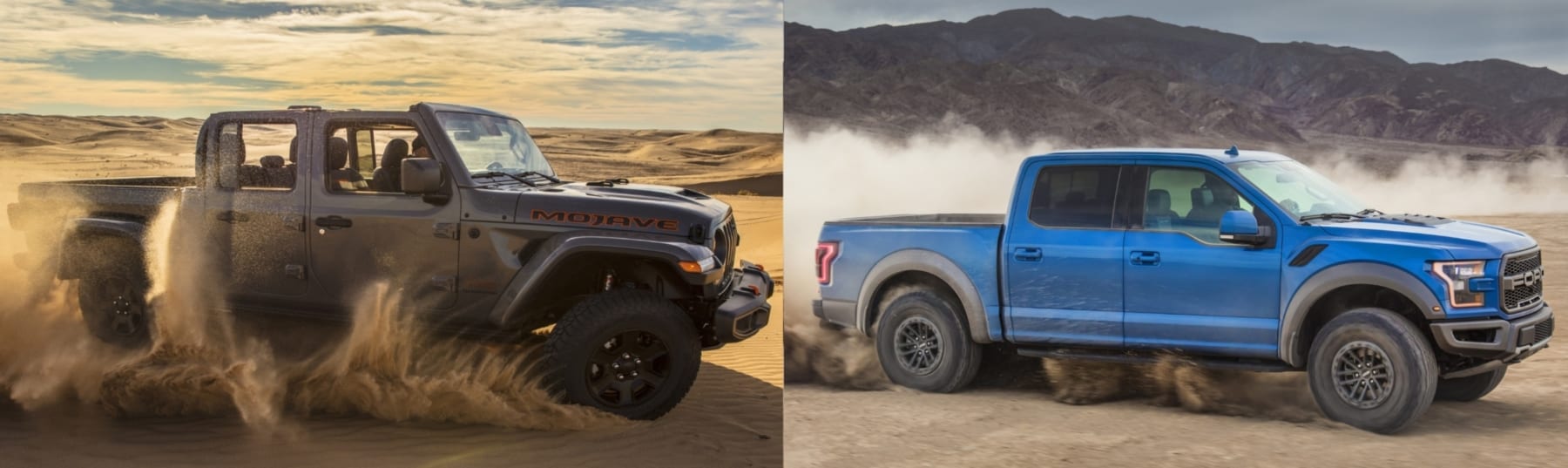
Here is where the Gladiator shines. It’s built for rocks, mud, and sand. You get solid axles, high ground clearance, and 4WD as standard. The Gladiator Rubicon model adds locking differentials, disconnecting sway bars, and special tires.
The F150 also offers off-road versions, like the Raptor and Tremor. These are fast and tough, but not as nimble as the Gladiator on tight trails. The Raptor is more about speed and jumping over rough terrain, while the Gladiator is about climbing and crawling.
Practical tip: If you plan to go off-roading every weekend, the Gladiator’s design makes repairs easier. Parts are cheaper, and the Jeep community is huge for sharing advice.
Interior Comfort And Features
Both trucks have improved a lot in recent years. The Gladiator’s interior is rugged but comfortable, with waterproof surfaces and removable carpets.
The F150 is more refined, with options for heated/ventilated seats, big touchscreens, and luxury trims.
Gladiator Interior Highlights
- Removable roof and doors
- Uconnect infotainment system (7–8.4 inches)
- Simple controls for muddy hands
- Durable, easy-to-clean surfaces
F150 Interior Highlights
- 8–12-inch touchscreen (SYNC 4)
- Optional leather seats
- Advanced driver aids (adaptive cruise, lane keep)
- Spacious rear seats
Non-obvious insight: The Gladiator’s interior is designed for easy cleaning. If you get dirty often (dogs, kids, outdoor gear), you’ll appreciate this more than you think.
Safety And Technology
Safety is important for every driver. Both trucks offer modern safety features, but the F150 goes further with some advanced options.
Gladiator Safety
- Standard airbags
- Blind spot monitoring (optional)
- Rear backup camera
- Basic driver aids
F150 Safety
- Standard airbags
- Automatic emergency braking
- Adaptive cruise control
- Lane keeping assist
- Ford Co-Pilot360 system
The F150’s tech is more advanced, especially for highway driving. If you spend lots of time on the road, this can make a big difference.
Price And Value
Truck prices vary a lot by trim and options. Here’s a look at typical starting prices in 2026:
- Jeep Gladiator: Starts at $39,080 (Sport), goes up to $53,000+ (Rubicon, Mojave)
- Ford F150: Starts at $36,570 (XL), goes up to $77,000+ (Raptor, Limited)
Both trucks can get expensive with options. The F150 offers more ways to customize, while the Gladiator’s price reflects its unique features.
Common mistake: Buyers often forget to factor in insurance and maintenance. The Gladiator’s parts are cheaper, but repairs may need special Jeep knowledge. F150 parts are everywhere, but advanced tech can cost more to fix.
Real-world Use Cases
Let’s look at who each truck suits best.
Jeep Gladiator
- Outdoor enthusiasts: Camping, fishing, trail riding
- Urban drivers: Easier to park, good for small families
- Style seekers: Stand out in traffic, unique look
Ford F150
- Workers: Construction, farming, heavy equipment
- Families: Roomy cabins, smooth rides
- Towing/hauling: Boats, trailers, RVs
Experience-based advice: If you live in snowy or muddy areas, the Gladiator’s 4WD and ground clearance pay off. But if you need to tow big loads or want maximum comfort, the F150 is better.
Ownership Costs
Truck ownership is not just about buying the vehicle. Gas, insurance, maintenance, and resale value all matter.
- Fuel: Gladiator is less efficient, especially off-road. F150’s hybrid option saves money.
- Insurance: F150 often costs less to insure, thanks to safety ratings.
- Resale: Both hold value well, but F150 is easier to sell due to its popularity.
- Maintenance: Gladiator is cheaper for basic repairs, but rare parts can be costly. F150 has more mechanics familiar with it.
Customization And Aftermarket Options
Both trucks have strong aftermarket support, but the Gladiator is the king of custom mods. You can find endless lift kits, bumpers, lights, and racks. The F150 has lots of accessories too, especially for work and towing.
Pro tip: Gladiator owners often add winches and bigger tires. F150 owners focus on bed covers, toolboxes, and towing upgrades.
Environmental Impact
If you care about the planet, truck choice matters. The F150’s hybrid version is unique, lowering emissions without losing power.
The Gladiator’s diesel engine is efficient, but not as clean as modern hybrids.
For more data on environmental performance, you can check the official EPA ratings at fueleconomy.gov.
Which Truck Should You Choose?
It all comes down to your lifestyle:
- Pick the Jeep Gladiator if you want adventure, off-road fun, and a unique look.
- Pick the Ford F150 if you need to tow, haul, drive long distances, or want more comfort.
Most buyers make their decision based on needs, not just looks. Take a test drive, compare trims, and think about your daily routine.
Is The Jeep Gladiator Good For Towing?
Yes, the Gladiator can tow up to 7,700 pounds, which is enough for small trailers, boats, or campers. However, it’s not as strong as the F150, which can tow much heavier loads.
How Does The F150 Compare In Off-road Driving?
The F150 offers off-road models like the Raptor and Tremor. They are fast and tough, but the Gladiator is better for slow, technical trails and rock crawling. If you need speed and power, pick the F150. If you want nimble off-roading, pick the Gladiator.
Are Both Trucks Suitable For Families?
Yes, both trucks have four-door versions with roomy back seats. The F150 offers more space and luxury features.
The Gladiator is more basic but comfortable enough for most families.
Which Truck Has Better Gas Mileage?
The Ford F150, especially the hybrid model, offers better fuel economy. It can get up to 25 mpg combined, while the Gladiator gets around 19–24 mpg, depending on the engine.
What Is The Main Difference In Repair Costs?
The Gladiator’s basic repairs are usually cheaper, but specialized Jeep parts can cost more and may need a Jeep-trained mechanic. The F150 is easier for most shops to fix, but high-tech models can be expensive if something breaks.
Making the right choice means looking beyond the surface. Think about how you’ll use the truck, what matters most, and what you’re willing to spend.
Both the Jeep Gladiator and Ford F150 are excellent vehicles—but only one is perfect for you.