If your Jeep Wrangler starts to overheat or shows odd engine behavior, the coolant temperature sensor might be the cause. This small part has a big job: it tells your car’s computer how hot the engine is.
If you ignore a faulty sensor, you risk engine damage and poor performance. Here, you’ll learn what this sensor does, signs of problems, how to fix them, and tips for keeping your Wrangler running smoothly.
Whether you drive off-road or just around town, knowing about the coolant temperature sensor can save you time and money.
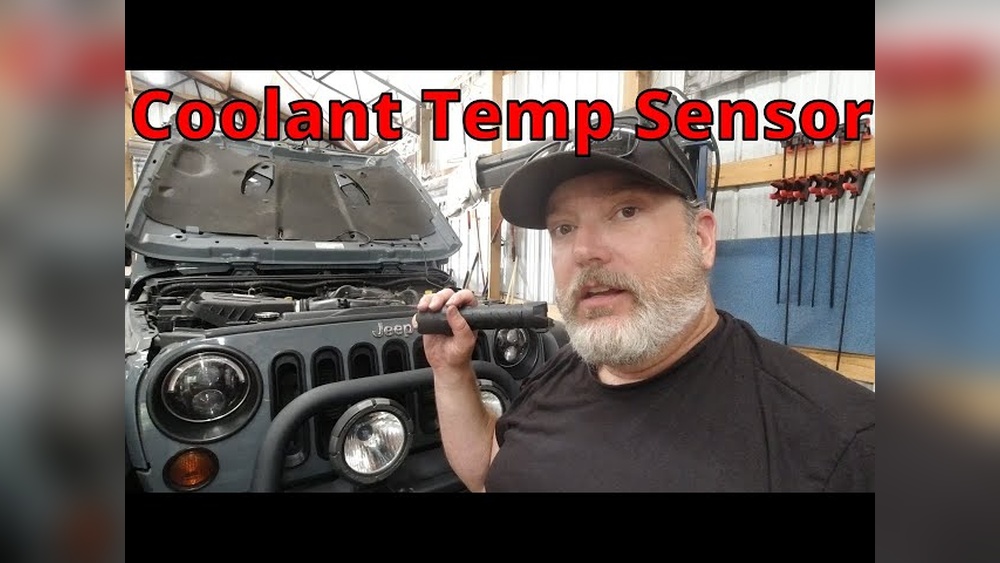
What Is A Coolant Temperature Sensor?
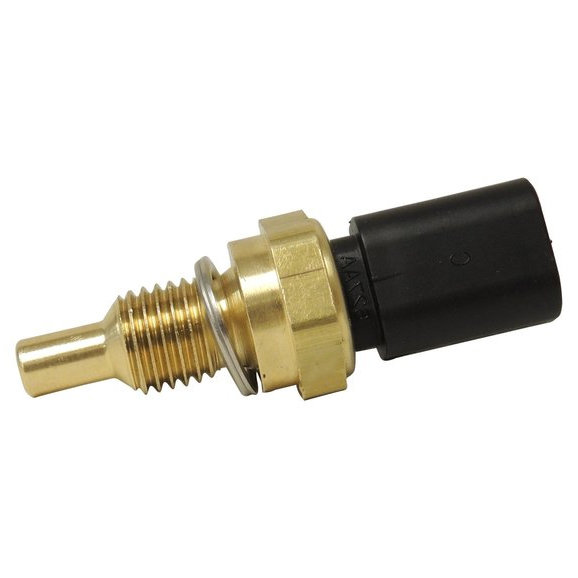
The coolant temperature sensor measures how hot the engine coolant is. It sends this information to the Jeep Wrangler’s ECU (Engine Control Unit). The ECU uses the data to adjust fuel injection, ignition timing, and other important engine functions. In simple words, the sensor helps the engine run at the right temperature.
Most Jeep Wranglers use a sensor called a thermistor. This type changes its electrical resistance as the temperature changes. When coolant gets hotter, resistance drops; when it gets cooler, resistance rises. The ECU reads these changes and decides how to adjust the engine.
Why Is It Important?
- Prevents overheating: The sensor warns the system if the engine gets too hot.
- Improves fuel efficiency: Correct temperature means better fuel combustion.
- Protects engine parts: Keeps the engine running smoothly and avoids damage.
- Controls fan operation: Turns the radiator fan on and off at the right time.
Without a working sensor, your Jeep could use too much fuel or even overheat.
Where Is The Sensor Located In A Jeep Wrangler?
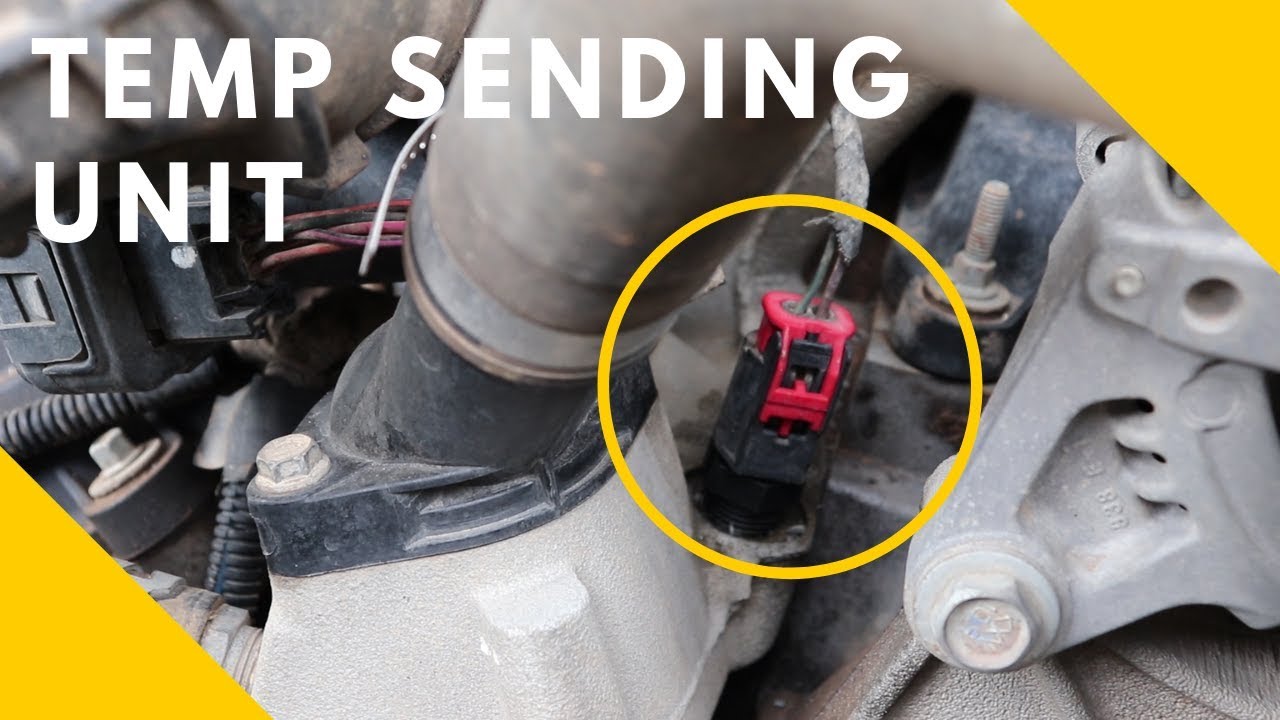
Most Jeep Wrangler models have the coolant temperature sensor near the thermostat housing or in the cylinder head. On newer models (like the JK and JL), it’s usually screwed into the engine block right by the thermostat.
If you look under the hood, find the upper radiator hose. Follow it toward the engine, and you’ll see the thermostat housing.
The sensor is often there—a small plug with a wire connected.
For older Jeep Wranglers (like the TJ), the sensor may be in slightly different locations, but always near the coolant flow. If you’re unsure, check your owner’s manual or a repair guide for your specific model year.
How Does The Coolant Temperature Sensor Work?
The sensor uses a variable resistor (thermistor) inside. As the coolant temperature changes, the resistance changes. The ECU sends a small voltage through the sensor and measures how much comes back. Based on that reading, the ECU knows the coolant temperature.
Here’s a simple process:
- Coolant heats up during engine use.
- Sensor’s resistance drops as temperature rises.
- ECU reads the change and adjusts fuel, timing, and fan operation.
The sensor works all the time, not just when the engine is hot. It helps with cold starts, emissions, and even air conditioning.
Example: Cold Start
When you start your Wrangler in cold weather, the sensor tells the ECU the engine is cold. The ECU adds more fuel for a smoother start.
As the engine warms up, the sensor signals the ECU to reduce extra fuel, saving gas.
Signs Of A Faulty Coolant Temperature Sensor
A bad coolant temperature sensor can cause many issues. Here are the most common signs:
- Check Engine Light: The most obvious warning. If the sensor fails, the ECU triggers the light.
- Poor Fuel Economy: Wrong readings can make the engine use too much fuel.
- Engine Overheating: The radiator fan may not turn on, or the engine won’t cool properly.
- Hard Starting: Trouble starting, especially in cold weather.
- Rough Idling: Engine may run unevenly or stall.
- Temperature Gauge Problems: The dashboard gauge may show wrong temperatures or stop working.
Sometimes, these symptoms are mild and easy to miss. For example, you might notice your Wrangler uses more gas than normal, but not realize it’s the sensor. Over time, these problems get worse.
How To Diagnose Sensor Problems
Diagnosing a coolant temperature sensor issue is easier with some tools. Here’s a step-by-step approach:
- Visual Inspection: Check for broken wires, corroded connectors, or leaks around the sensor.
- Scan Tool: Plug an OBD-II scanner into your Jeep’s diagnostic port. Look for codes like P0115, P0116, P0117, or P0118—all related to coolant temperature sensor issues.
- Temperature Gauge: Watch your dashboard gauge. If it’s stuck, jumps around, or doesn’t move, the sensor could be the problem.
- Multimeter Test: Remove the sensor and test resistance with a multimeter. Compare readings to your Jeep’s service manual specs.
If you see any trouble codes or unusual readings, the sensor probably needs replacement.
Replacing The Coolant Temperature Sensor
Changing the sensor is a simple DIY job for most Jeep Wrangler owners. Here’s a general guide:
Tools And Parts Needed
- New coolant temperature sensor (check fit for your model)
- Wrench set (usually 19mm or 21mm)
- Coolant catch pan
- Clean rags
- Multimeter (optional)
Steps To Replace
- Let the engine cool completely.
- Disconnect the battery (safety first).
- Locate the sensor near the thermostat housing.
- Remove the electrical connector from the sensor.
- Use the wrench to unscrew the sensor.
- Let any coolant drain into the pan.
- Install the new sensor. Tighten carefully—don’t over-torque.
- Reconnect the wiring.
- Refill any lost coolant. Check levels.
- Reconnect the battery and start the engine. Watch for leaks and check the dashboard gauge.
Most jobs take about 30–45 minutes. If you’re unsure, a mechanic can help.
Practical Tips
- Always use the correct sensor for your Jeep’s year and engine.
- Replace the sensor’s sealing washer if included.
- Double-check for leaks after installation.
Cost Comparison: Oem Vs Aftermarket Sensors
Choosing between OEM (Original Equipment Manufacturer) and aftermarket sensors matters. Here’s a quick comparison:
| Sensor Type | Average Cost | Warranty | Quality |
|---|---|---|---|
| OEM | $40-$80 | 12-24 months | High, matches factory specs |
| Aftermarket | $15-$35 | 6-12 months | Variable, sometimes lower |
OEM sensors are more reliable and last longer. Aftermarket options are cheaper but may not fit perfectly or last as long.
Jeep Wrangler Models: Sensor Differences
Not every Jeep Wrangler uses the same sensor. Here’s how they differ by generation:
| Model | Sensor Location | Sensor Type | Notes |
|---|---|---|---|
| TJ (1997–2006) | Cylinder head | Single-wire thermistor | Easy access |
| JK (2007–2018) | Thermostat housing | 2-wire thermistor | More accurate |
| JL (2018+) | Engine block | 2-wire thermistor | Improved reliability |
Always check the sensor type and location for your Wrangler before buying a replacement.
Common Mistakes When Replacing The Sensor
Many beginners make errors when working on their Jeep’s coolant temperature sensor. Here are mistakes to avoid:
- Not letting the engine cool: This can cause burns and spills.
- Using the wrong sensor: Each model needs a specific type.
- Over-tightening: Too much force can crack the housing or strip threads.
- Ignoring leaks: Even a small leak can lead to overheating.
- Skipping battery disconnect: This can cause electrical shorts.
Take your time, follow instructions, and double-check your work.
How The Sensor Affects Engine Performance
A working coolant temperature sensor helps the engine:
- Use the right amount of fuel
- Start easily in all weather
- Run smoothly at idle
- Avoid overheating
If the sensor fails, your Jeep might run rich (too much fuel), idle rough, or even stall. Overheating can cause serious engine damage, including warped heads and blown gaskets.
That’s why keeping the sensor in good shape is crucial for long-term performance.
Real-world Example
A Jeep Wrangler owner noticed poor gas mileage and rough starts. After scanning for error codes, they found a P0118 (coolant temperature sensor circuit high).
Replacing the sensor fixed both issues. This shows how one small part can make a big difference.
Tips For Maintaining Your Coolant Temperature Sensor
Taking care of the sensor can prevent problems:
- Check coolant levels often. Low coolant can cause false readings.
- Inspect wiring for damage or corrosion.
- Flush coolant system every 2–3 years to prevent buildup.
- Use quality sensors—cheap ones may fail quickly.
- Watch for warning lights and address them fast.
If your Jeep spends time off-road or in harsh conditions, check the sensor more often. Mud, water, and vibration can affect wiring and connectors.
Coolant Temperature Sensor Vs. Other Sensors
Some drivers confuse the coolant temperature sensor with other sensors. Here’s a quick comparison:
| Sensor | Function | Location |
|---|---|---|
| Coolant Temperature Sensor | Measures coolant temp | Engine block/thermostat housing |
| Intake Air Temperature Sensor | Measures air temp | Air intake |
| Oil Temperature Sensor | Measures oil temp | Oil pan/engine block |
The coolant temperature sensor is the most critical for engine cooling and performance.
When To Seek Professional Help
Most sensor replacements are easy, but some situations need a mechanic:
- Repeated overheating: Even after replacing the sensor.
- Electrical issues: Broken wires or connectors.
- Multiple error codes: Pointing to deeper engine problems.
- Coolant leaks: Hard to reach or fix.
If you’re unsure, ask a Jeep specialist for advice.
Non-obvious Insights For Jeep Owners
Many beginners overlook these points:
- Sensor affects AC performance: The ECU uses coolant temperature data to adjust air conditioning output. If the sensor fails, AC may not work well.
- Sensor impacts emission tests: A faulty sensor can cause higher emissions. If your Jeep fails a test, check the sensor.
These details show how the sensor does more than just cool the engine.
What Happens If I Drive With A Bad Coolant Temperature Sensor?
Driving with a faulty sensor can cause engine overheating, poor fuel economy, and rough running. It may also lead to engine damage if not fixed quickly.
How Often Should I Replace The Coolant Temperature Sensor?
Most sensors last 80,000–100,000 miles. Replace if you notice symptoms or during major cooling system service. Follow your Jeep’s maintenance schedule.
Can I Test The Sensor Without Special Tools?
You can check for visible damage or leaks. For proper testing, use a multimeter or OBD-II scanner.
Some symptoms, like a stuck gauge, can be spotted without tools.
Will A Bad Sensor Cause The Radiator Fan To Stop?
Yes. The sensor tells the ECU when to turn the radiator fan on and off.
If it fails, the fan may not operate, leading to overheating.
Where Can I Find More Information About Jeep Wrangler Cooling Systems?
The official Jeep website and repair guides offer detailed info. For deeper technical data, visit Wikipedia.nTaking care of your Jeep Wrangler’s coolant temperature sensor is smart maintenance.
It’s a small part, but it protects your engine and saves money in the long run.nnnnWatch for warning signs, use quality replacements, and keep your cooling system in good shape.nWith a healthy sensor, your Wrangler is ready for any adventure.