The Jeep Wrangler is one of the most iconic off-road vehicles in the world. Known for its rugged design and adventurous spirit, the Wrangler has built a loyal fan base over the years.
However, even the toughest vehicles can face problems. In recent years, a significant issue has emerged: water leaks.
This problem became so serious that it led to a major recall, affecting thousands of Jeep Wranglers. Many owners were surprised to find water pooling inside their vehicles after rain or car washes, leading to frustration and costly repairs.
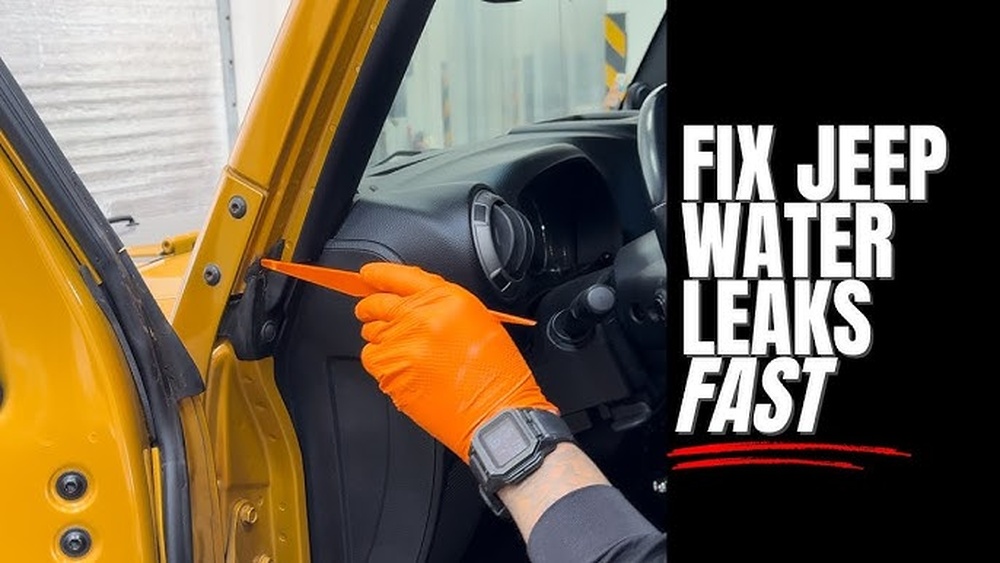
Understanding why this recall happened, which models are affected, and what owners should do is crucial for anyone who drives a Jeep Wrangler or is considering buying one. Water leaks may seem minor, but they can lead to bigger issues like electrical failures, mold, and rust.
This article will explain everything you need to know about the Jeep Wrangler water leak recall, including causes, repair options, and how it affects the value of your vehicle.
What Caused The Jeep Wrangler Water Leak Recall?
The main reason for the water leak recall in Jeep Wranglers is poor sealing in certain areas of the vehicle. Wranglers are designed with removable tops and doors, making them unique but also more vulnerable to leaks. In some models, the seals around the windshield, doors, or roof panels were not correctly installed or were made from faulty materials.
Common Leak Points
- Freedom Panels: These removable roof panels can let water in if not properly seated or if the seals degrade.
- Door Seals: Gaps or worn-out rubber around doors can allow rainwater to enter the cabin.
- Windshield Frame: The connection between the windshield and body is another weak spot, especially after repairs or accidents.
- Cowl Area: Water can leak through the air intake cowl if drainage holes are blocked or the seal is compromised.
Why Did This Happen?
The Wrangler’s modular design makes it more challenging to create a perfect seal everywhere. Some vehicles left the factory with misaligned parts or defective weatherstripping. Over time, exposure to sun and weather can also cause rubber seals to shrink or crack, making leaks worse.
Models And Years Affected By The Recall
Not every Jeep Wrangler is part of the recall. The main focus has been on the JL generation (introduced in 2018), though some earlier and later models have also seen complaints.
Here’s a quick look at which Wranglers were affected:
| Model Year | Recall Status | Notes |
|---|---|---|
| 2018 | Yes | First year of JL, high number of reports |
| 2019 | Yes | Recall extended to more vehicles |
| 2020 | Yes | Problems continued in early builds |
| 2026+ | Sometimes | Fewer cases, mostly isolated |
Older JK Wranglers (2007-2017) also have some water leak complaints, but these were usually not part of the official recall. Always check your vehicle’s VIN on the official Jeep recall website to see if your Wrangler is included.
How Water Leaks Impact Your Jeep
A water leak in a vehicle is more than just an annoyance. It can cause serious long-term damage if not fixed quickly.
Main Risks
- Electrical Problems: Water can reach wiring under the dashboard or carpet, leading to shorts or failures.
- Mold and Bad Odors: Moisture trapped under carpets or seats creates a perfect environment for mold.
- Rust: Exposed metal parts inside the vehicle can rust over time, especially in hidden areas.
- Resale Value: Evidence of water leaks or damage can lower your Jeep’s value significantly.
Even a small leak can become a big issue if ignored. Many owners don’t notice a problem until they smell mildew or find their electronics acting strangely.
How To Spot A Water Leak In Your Wrangler
Catching a leak early can save you money and stress. Here are some clear signs to watch for:
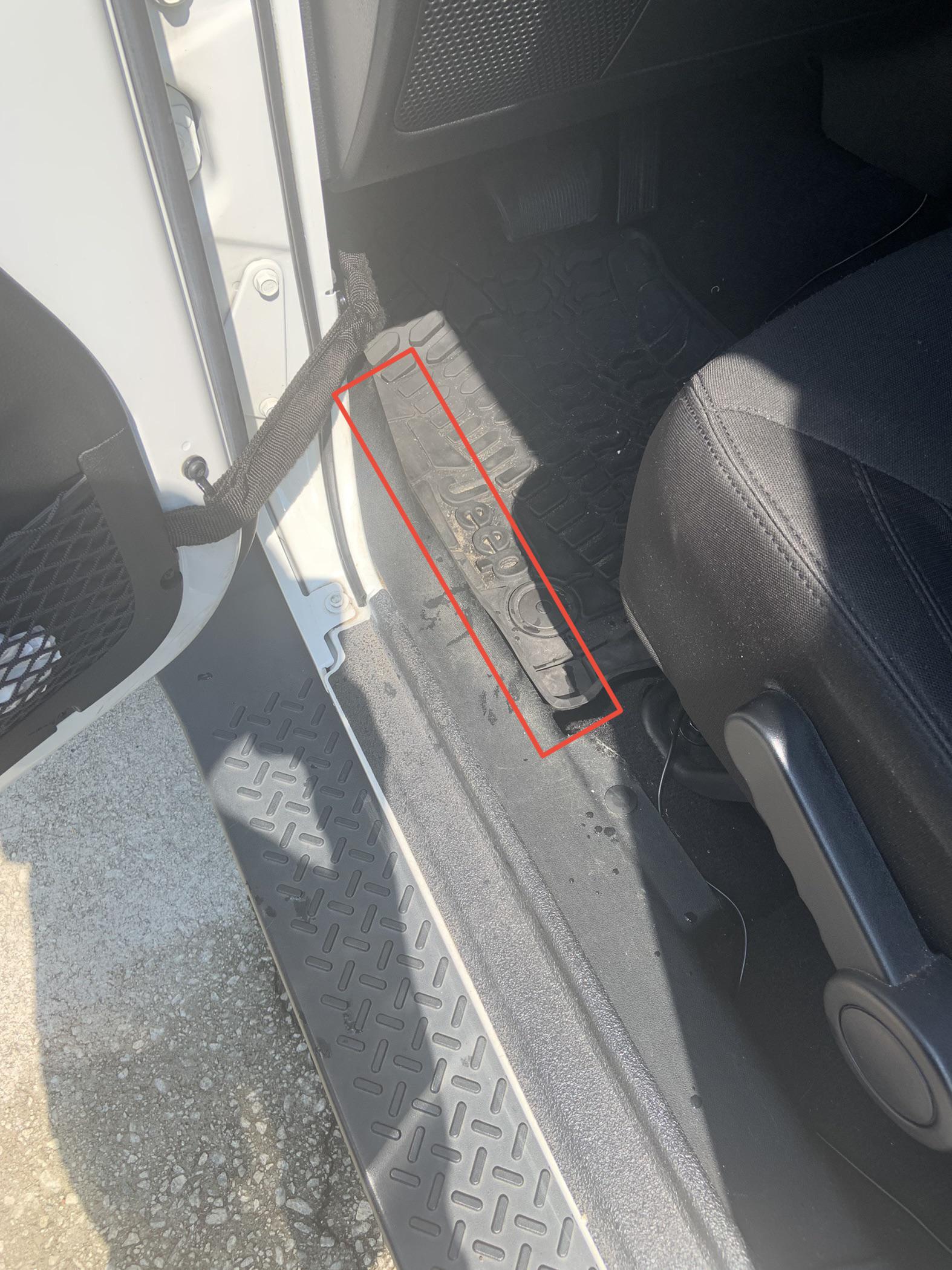
- Wet carpets or mats after rain or washing your car
- Water stains on the headliner or door trim
- Musty smells inside the cabin
- Foggy windows that don’t clear up easily
- Dripping sounds inside the vehicle
Try pouring water over the roof or doors while someone sits inside to spot leaks. Use a flashlight to check under seats and in the trunk area for moisture.
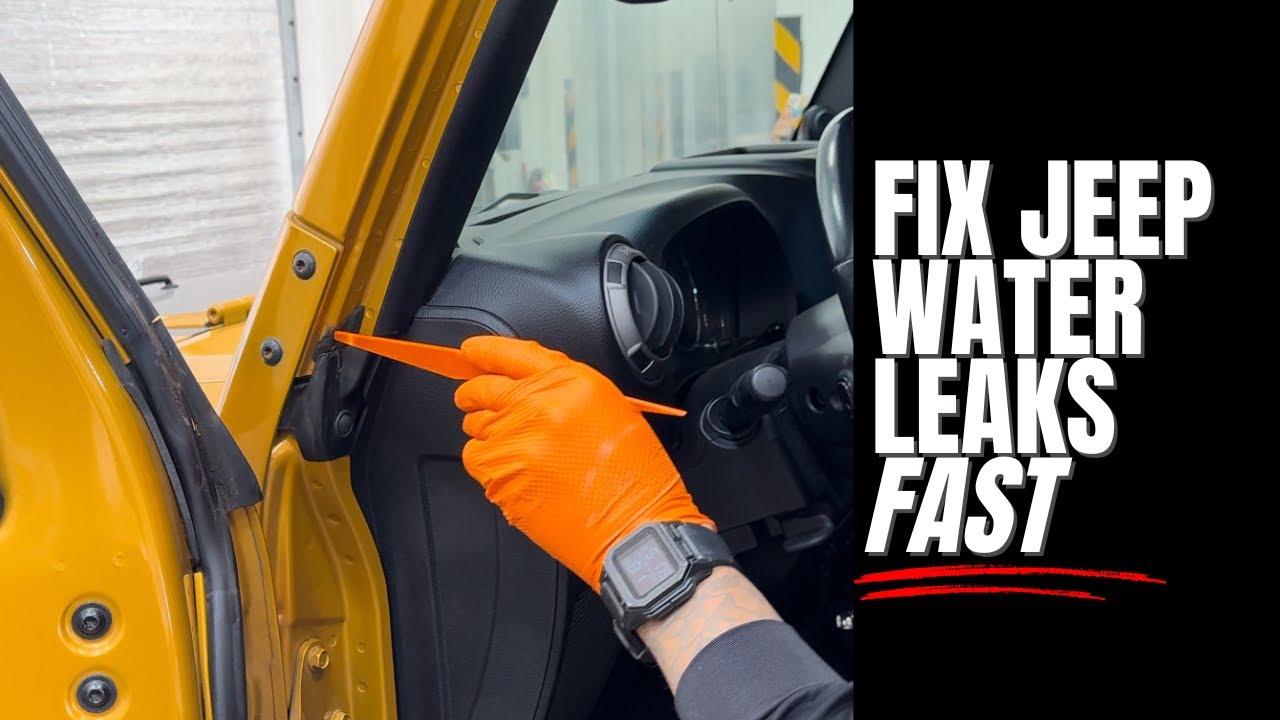
Recall Process: What Owners Need To Do
If your Jeep Wrangler is part of the recall, the repair process is designed to be simple and at no cost to you.
Steps To Take
- Check Your VIN: Use the official Jeep recall site or contact your dealer to confirm if your vehicle is included.
- Schedule a Service Appointment: If your Wrangler is affected, book a visit to an authorized Jeep dealer.
- Inspection and Repair: The dealer will inspect seals, replace faulty weatherstripping, and ensure all parts fit correctly.
- Documentation: Keep records of the recall work for future reference or if you decide to sell your Jeep.
Jeep will cover the cost of repairs related to this recall. However, any damage caused by leaks before the recall work (like mold or ruined electronics) may not be covered, so early action is important.
What Is Fixed During The Recall?
The recall repair focuses on sealing and weatherproofing. Here’s what dealers typically do:
| Repair Action | Description |
|---|---|
| Seal Replacement | Change out old or defective door, roof, and windshield seals |
| Panel Realignment | Adjust roof panels or doors for a better fit |
| Drain Clearing | Ensure cowl and door drains are open and working |
| Leak Testing | Simulate rain to check repairs before returning your Jeep |
Some owners report that more than one visit is needed to fully fix the problem, especially if leaks continue after the first repair. If you still notice water after a recall repair, return to your dealer as soon as possible.
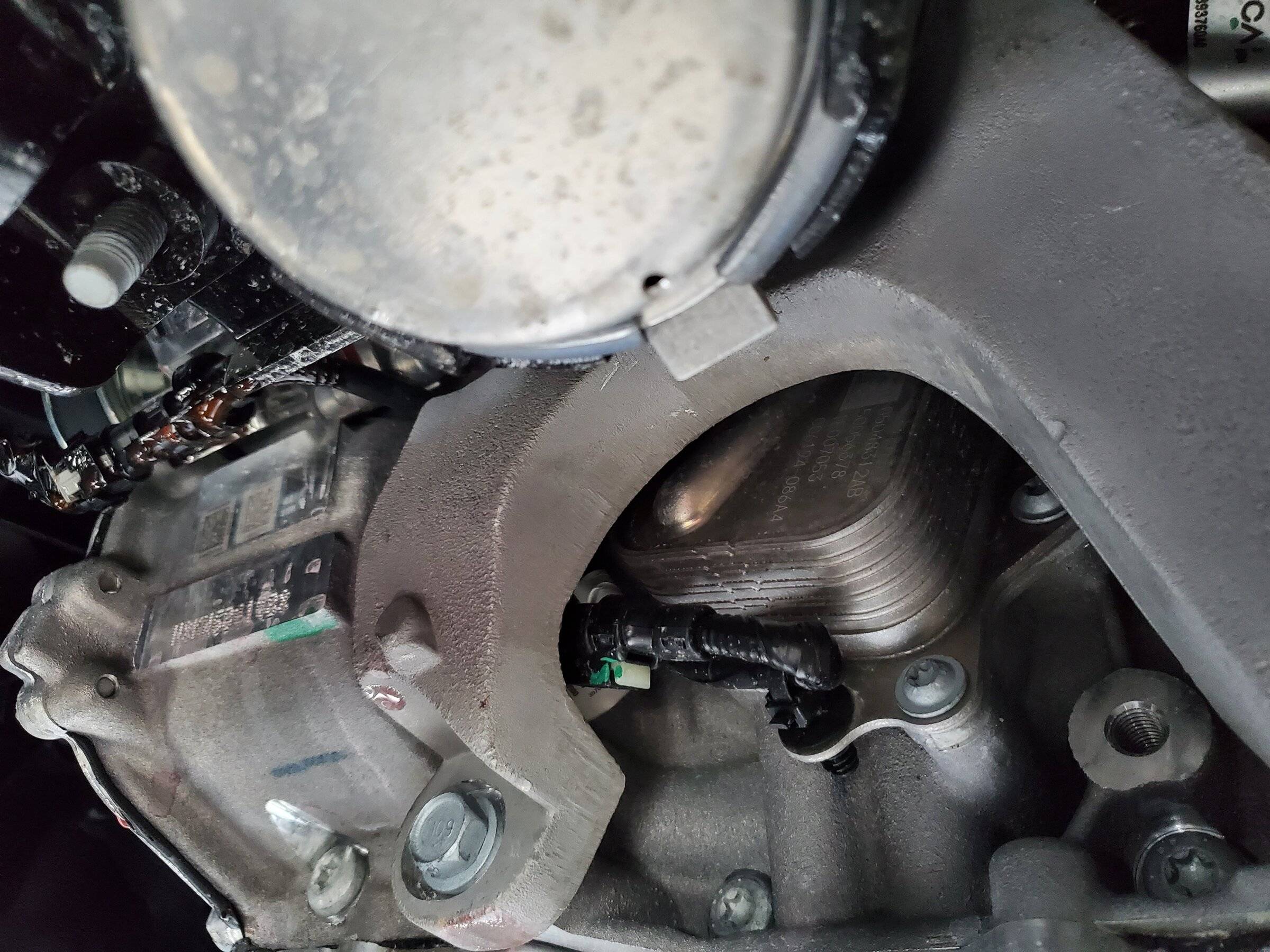
Can You Fix A Jeep Wrangler Water Leak Yourself?
Some minor leaks can be fixed at home, but be careful. Factory recalls are handled best by professionals, especially if your Jeep is still under warranty.
Diy Leak Fixes
- Clean and inspect seals regularly, especially after off-roading.
- Apply weatherproof grease to rubber seals to keep them flexible.
- Replace worn weatherstripping if you see cracks or gaps.
- Clear drain holes under the cowl and doors using compressed air.
While these steps can help, they may not solve deeper issues caused by poor factory installation. If you try a DIY fix and the leak continues, always consult a Jeep dealer.
How The Recall Affects Jeep Wrangler Value
Water leaks and recalls can impact how much your Jeep is worth, especially if you plan to sell or trade it in.
Resale Effects
- Repaired Vehicles: If your Wrangler had the recall work done, keep all receipts and paperwork. Many buyers feel more confident buying a vehicle with documented repairs.
- Unrepaired Vehicles: If the leak remains or there is visible water damage, expect lower offers from dealers or private buyers.
- Full Disclosure: Always be honest about past leaks and repairs when selling. Trying to hide damage can lead to bigger problems later.
In most cases, a properly repaired Wrangler holds its value well. However, repeated leaks or signs of mold and rust can scare off buyers.
Lessons For Jeep Owners And Buyers
The Wrangler’s unique design will always come with some risk of leaks, especially as the vehicle ages. Here are some smart habits for all owners:
- Inspect seals at least twice a year.
- Clean drains after trips on muddy or dusty roads.
- Check for TSBs (Technical Service Bulletins) as well as recalls, since TSBs can cover related problems that don’t lead to full recalls.
- Ask for a leak test if you buy a used Wrangler, especially from humid or rainy regions.
If you’re shopping for a used Jeep Wrangler, ask the seller about the recall. Request service records and check carpets, headliner, and trunk for water stains or smells.
Jeep’s Response And What It Means For The Brand
Jeep’s approach to this problem has been mixed. Some owners say their dealers were quick and helpful, while others faced delays or repeat repairs. Jeep has promised to keep improving quality control on the factory line to reduce leaks in future models.
This recall is a reminder that even tough vehicles like the Wrangler can face unexpected issues. Still, the fact that Jeep recognized and addressed the problem helps protect its reputation. Owners who follow up on recalls and keep their Wranglers maintained should have fewer problems in the future.