If you drive a Jeep Wrangler, you know it’s built for adventure. But even tough vehicles need care—especially when it comes to engine cooling.
The oil cooler is a small part with a big job: keeping engine oil at the right temperature. When it fails, your engine can overheat, causing expensive damage.
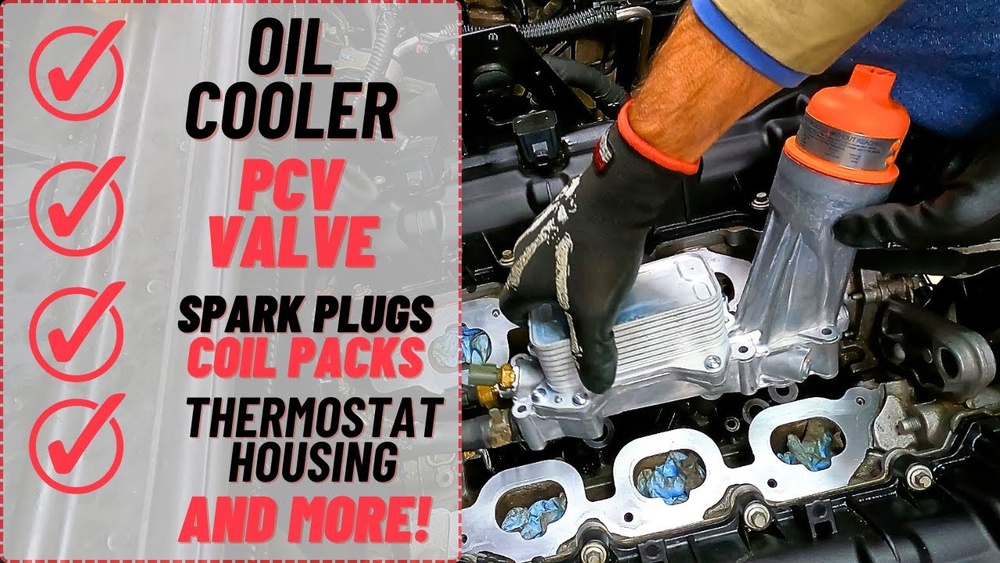
Replacing the oil cooler isn’t just a fix; it’s a way to keep your Jeep running strong for years. This guide will explain everything you need to know about Jeep Wrangler oil cooler replacement—from symptoms and costs to step-by-step instructions and practical tips.
If you’re new to car maintenance, you’ll find clear advice to help you avoid mistakes and make confident choices.
Why The Oil Cooler Matters
The oil cooler helps control engine oil temperature. When you drive your Jeep hard—on highways, trails, or in hot weather—the engine oil gets hot. If it overheats, the oil loses its ability to lubricate and protect the engine parts. The oil cooler uses air or coolant to absorb heat from the oil, keeping it safe for the engine.
A damaged oil cooler can cause:
- Oil leaks under the Jeep
- Overheated engine, especially in summer or heavy use
- Low oil pressure warning
- Engine knocking or noisy operation
Ignoring these problems can lead to engine failure. That’s why replacing a faulty oil cooler is important for every Jeep Wrangler owner.
Common Oil Cooler Problems In Jeep Wranglers
Jeep Wranglers, especially models from 2012–2020, are known for oil cooler issues. Here are some reasons:
- Plastic housing cracks: Many Wranglers use plastic oil cooler housings. Heat and age cause cracks, leading to leaks.
- Bad gaskets: Gaskets seal the cooler. If they fail, oil escapes.
- Coolant contamination: Some coolers use engine coolant. If the internal seal breaks, coolant mixes with oil.
- Poor design: Early models had design flaws, making leaks common.
If your Jeep Wrangler has over 60,000 miles or shows oil stains under the engine, check the oil cooler. Regular inspection is a smart move, especially after off-road trips.
Symptoms Of A Faulty Oil Cooler
Knowing the signs can save you from big repairs. Watch for:
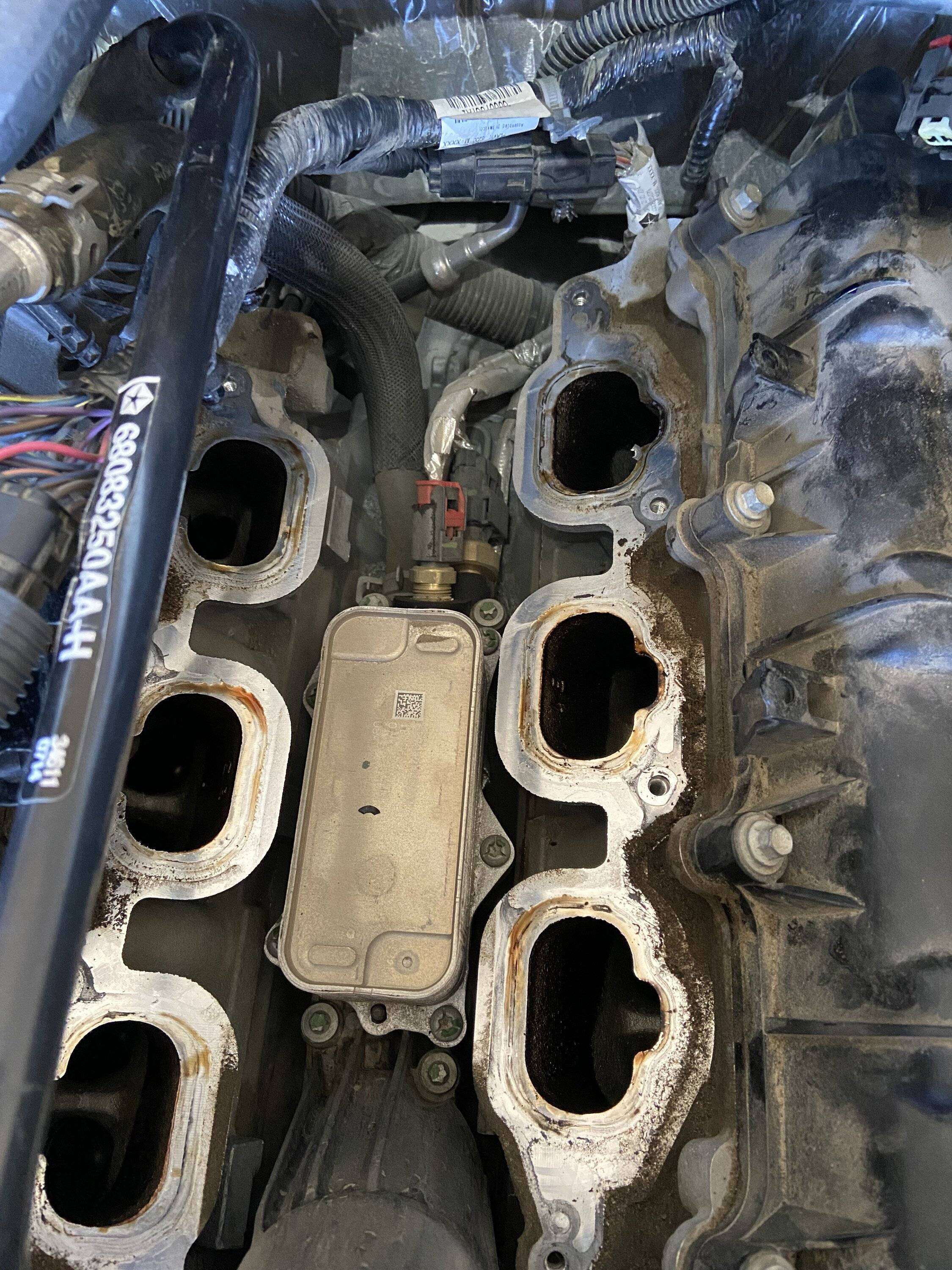
- Visible oil leaks near the filter or cooler area
- Oil in coolant (milky coolant in the radiator)
- Low oil pressure light on dashboard
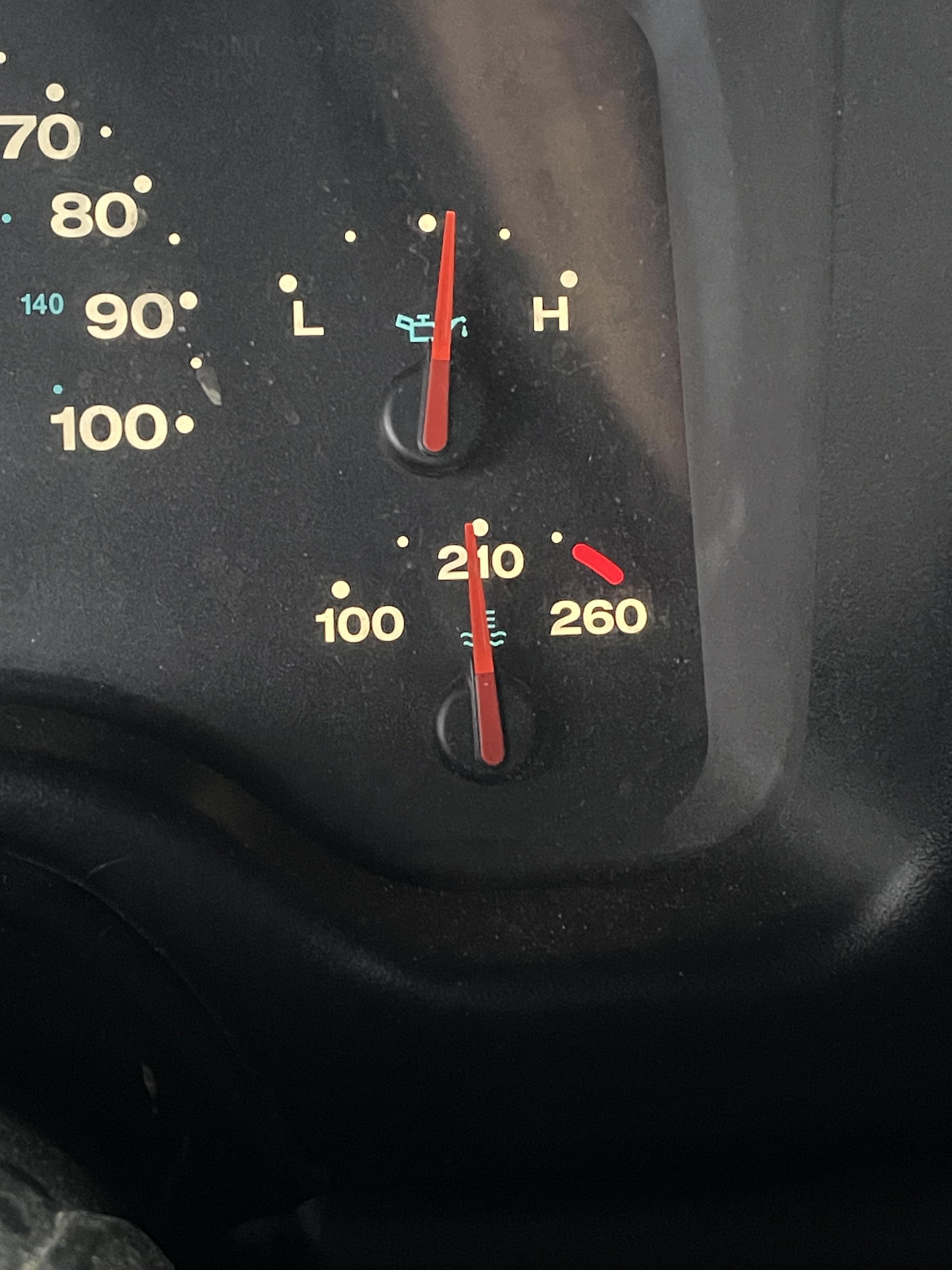
- Overheating engine, even in normal driving
- Burning oil smell from the engine bay
Jeep mechanics say oil cooler leaks are one of the top reasons for engine oil loss. Some beginners miss the difference between oil filter leaks and oil cooler leaks. A leak under the oil filter may come from the cooler itself.
Preparing For Oil Cooler Replacement
Before you start, gather the right tools and parts. Here’s what you’ll need:
- Replacement oil cooler (OEM or quality aftermarket)
- New gaskets and seals
- Socket set (metric sizes)
- Torque wrench
- Oil drain pan
- New engine oil (check your Jeep’s manual for type)
- Coolant (if your cooler uses it)
- Shop towels and gloves
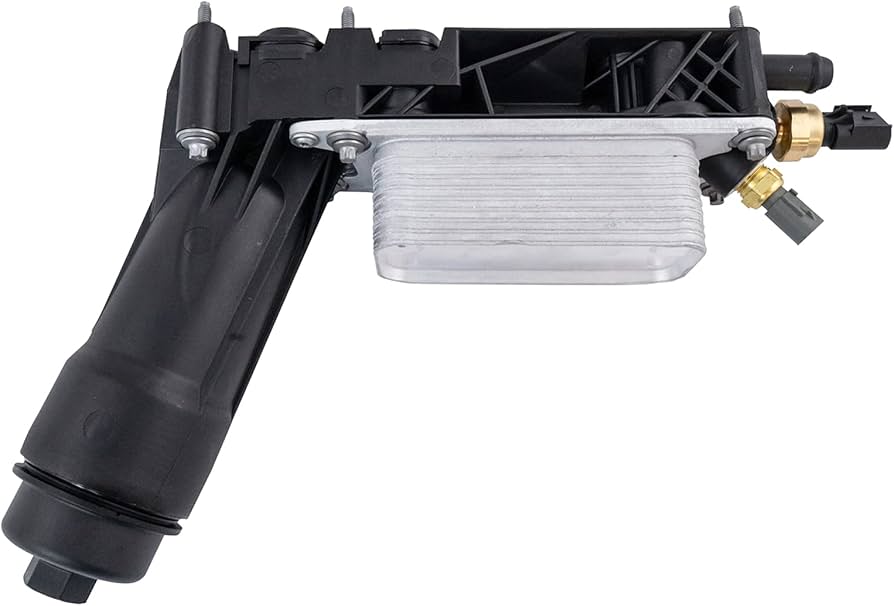
Always check if your oil cooler is part of a larger assembly (like the oil filter housing). Some Wranglers require full assembly replacement, not just the cooler.
Oil Cooler Types: Oem Vs Aftermarket
Choosing the right replacement matters. Here’s a quick comparison:
| Type | Material | Warranty | Price | Common Issues |
|---|---|---|---|---|
| OEM (Original) | Plastic/Aluminum | 12–24 months | $150–$350 | Plastic cracks |
| Aftermarket | Aluminum | 12–36 months | $80–$250 | Varies by brand |
Aluminum coolers last longer and resist cracking. Many Jeep owners upgrade to all-aluminum aftermarket coolers for durability.
Step-by-step Jeep Wrangler Oil Cooler Replacement
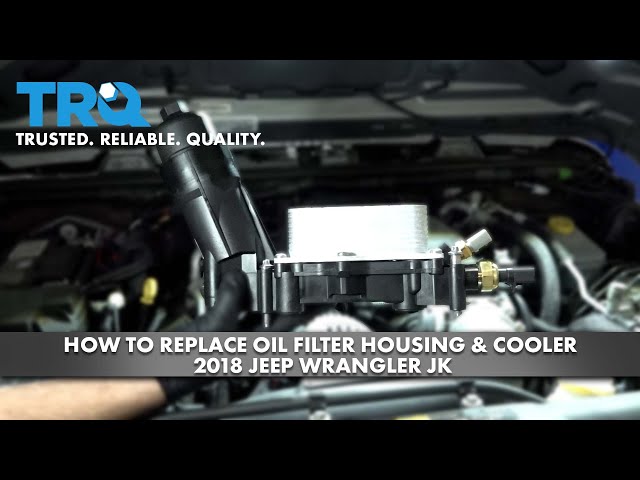
Replacing the oil cooler takes 2–4 hours for a beginner. Here’s a clear guide:
- Park the Jeep safely. Let the engine cool. Open the hood and disconnect the negative battery cable.
- Drain the engine oil. Place the oil drain pan under the engine and remove the drain plug.
- Remove the air intake. Take out the air filter housing for better access.
- Remove the oil filter. Unscrew it and set aside.
- Disconnect coolant lines (if your cooler uses coolant). Use shop towels to catch spills.
- Remove the oil cooler assembly. Loosen mounting bolts with a socket set. Carefully lift out the assembly.
- Clean mounting surfaces. Wipe away old oil and debris. Check for cracks or damage.
- Install new gaskets/seals. Always use fresh gaskets to prevent leaks.
- Install the new oil cooler. Place it carefully, tighten bolts to the recommended torque (check manual for exact specs).
- Reconnect coolant lines. Secure them tightly.
- Install oil filter and air intake. Put everything back in order.
- Refill engine oil. Use the right oil type and quantity. Check for leaks.
- Top off coolant. If needed, add new coolant.
- Reconnect battery. Start the engine and let it run for 5–10 minutes. Check for leaks and monitor oil pressure.
Always use a torque wrench for bolts. Overtightening causes cracks, while loose bolts lead to leaks. Beginners often forget to clean the mounting surface, which can cause new leaks.
Quick Reference: Common Jeep Wrangler Oil Cooler Torque Specs
| Year | Model | Torque (ft-lb) |
|---|---|---|
| 2012–2018 | Wrangler JK | 20–22 |
| 2018–2026 | Wrangler JL | 18–20 |
| 2010–2012 | Wrangler JKU | 22–24 |
Check your Jeep’s manual for exact numbers.
Cost Of Oil Cooler Replacement
The cost depends on parts and labor. Here’s what most Jeep owners pay:
- Parts: $80–$350 (depending on cooler type)
- Labor: $200–$400 (mechanic rates vary)
- Total: $280–$750
DIY replacement saves labor costs. Many Jeep owners do it themselves with basic tools. If you go to a shop, ask for a breakdown of parts and labor. Some mechanics mark up OEM parts, so compare prices.
Cost Comparison: Diy Vs Mechanic
| Method | Parts | Labor | Total Cost | Time Required |
|---|---|---|---|---|
| DIY | $80–$350 | $0 | $80–$350 | 2–4 hours |
| Mechanic | $150–$350 | $200–$400 | $350–$750 | 1–2 hours |
DIY is cheaper but takes longer. If you’re new, allow extra time for mistakes and cleanup.
Practical Tips And Common Mistakes
Many first-time Jeep owners make simple mistakes. Here’s how to avoid them:
- Don’t reuse old gaskets. Always use new seals to prevent leaks.
- Clean all surfaces. Leftover oil or debris causes leaks.
- Check oil filter housing. Sometimes leaks are from the housing, not just the cooler.
- Use correct torque. Overtightening or undertightening creates problems.
- Inspect for other leaks. After replacing the cooler, check oil pan, valve cover, and hoses.
- Don’t overfill oil. Too much oil can cause pressure problems.
- Monitor oil pressure after replacement. If the warning light stays on, stop and check for leaks.
A non-obvious tip: upgrade to an aluminum oil cooler if you drive in extreme heat or off-road. It lasts longer and resists cracking. Another insight: check for recalls. Some Jeep Wranglers had oil cooler recall notices—call your dealer to see if your model qualifies.
How Long Does A Replacement Last?
A new oil cooler, especially aluminum, can last 60,000–100,000 miles. If you use quality parts and follow proper steps, leaks are rare. Regularly check oil and coolant levels after replacement. Early detection of leaks saves money and stress.
Environmental And Safety Considerations
Oil and coolant spills are harmful to the environment. Always dispose of old oil and coolant at certified recycling centers. Never pour them down drains or on the ground. Wear gloves and goggles during replacement to protect your skin and eyes.
Where To Buy Jeep Wrangler Oil Coolers
You can find oil coolers at:
- Authorized Jeep dealers
- Online auto stores (RockAuto, Summit Racing)
- Local auto parts stores
Look for brands with good reviews and warranties. Compare OEM and aftermarket options. For reliable info, visit the official Jeep website or check Jeep’s official support.
What Is The Oil Cooler’s Main Job In A Jeep Wrangler?
The oil cooler keeps engine oil at a safe temperature. It absorbs heat, so the oil can protect and lubricate the engine. Without it, the engine can overheat and get damaged.
How Can I Tell If My Oil Cooler Is Leaking?
Watch for oil spots under your Jeep, low oil pressure warnings, burning oil smells, and overheating. Sometimes, you’ll see oil around the oil filter area. If you see milky coolant, oil may be mixing with coolant due to a failed cooler.
Can I Drive With A Leaking Oil Cooler?
It’s risky. Driving with a leaking oil cooler can cause engine overheating and oil loss. This may lead to engine damage. It’s best to fix the problem before driving far.
Should I Use Oem Or Aftermarket Oil Coolers?
OEM coolers fit exactly but may have the same design flaws as the original. Aftermarket aluminum coolers are stronger and resist cracking. Choose a brand with good reviews and a strong warranty.
How Often Should I Check My Oil Cooler?
Check your oil cooler every oil change or after rough driving. Look for leaks, cracks, and signs of wear. Early checks can prevent big repairs later.
Taking care of your Jeep Wrangler’s oil cooler is a smart move, whether you love off-roading or just daily driving. With the right parts and careful steps, you’ll keep your Jeep running strong and avoid expensive engine repairs. If you’re unsure, ask a trusted mechanic or Jeep community for advice—Wrangler owners are always ready to help.