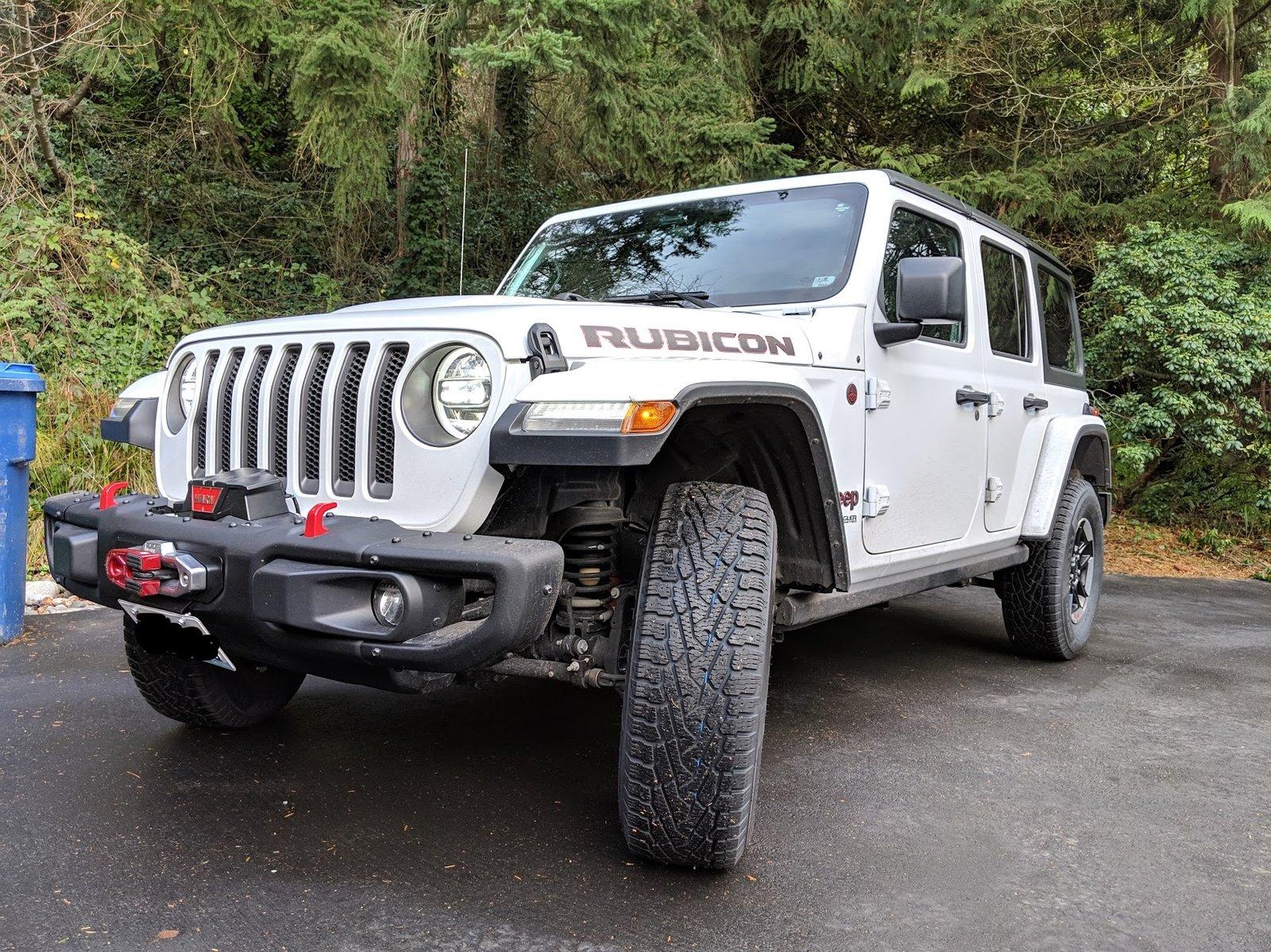
When winter rolls in and snow covers the roads, driving can feel risky—even for owners of tough vehicles like the Jeep Wrangler. While this legendary 4×4 is built to handle rough terrain, snow and ice present unique challenges.
The right snow tires can make all the difference between a safe, confident drive and a white-knuckle struggle. This article will guide you through everything you need to know about Jeep Wrangler snow tires: why they matter, how to choose the right set, and which options stand out.
Whether you’re a winter adventurer or just need to get to work on icy mornings, you’ll find practical advice and clear answers here.
Why Snow Tires Matter For Your Jeep Wrangler
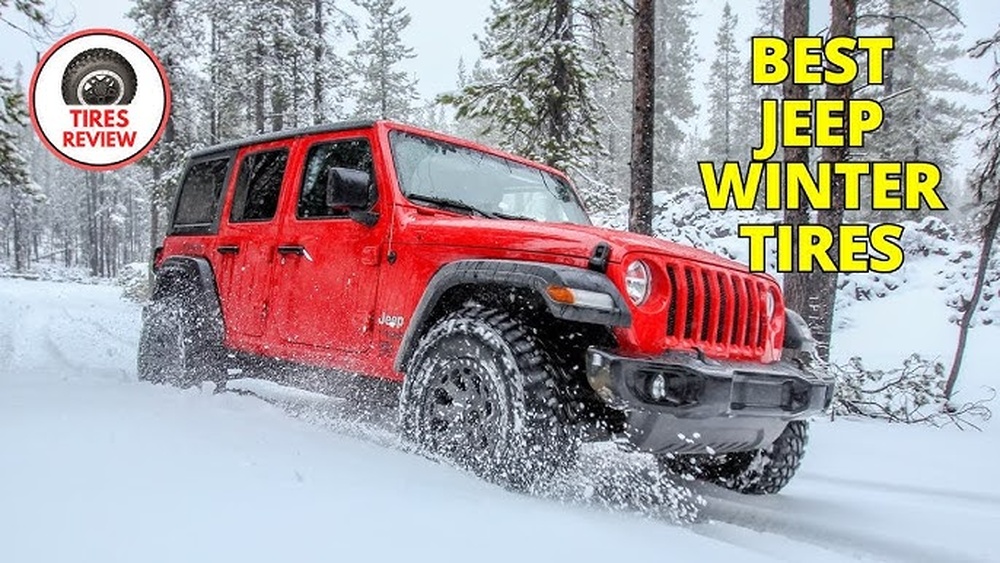
Many Jeep Wrangler owners trust their vehicle’s 4WD system to handle winter roads. But even the best drivetrain can’t do much if the tires lose grip. Regular all-season or mud-terrain tires often become hard and slick in cold weather, reducing traction. Snow tires (also called winter tires) are specially designed to stay soft in low temperatures. This flexibility, along with unique tread patterns, helps them grip snow and ice far better.
According to the National Highway Traffic Safety Administration, vehicles with proper winter tires stop up to 30% shorter on snowy roads compared to all-season tires. For a heavy SUV like the Wrangler, that can mean the difference between stopping in time and sliding through an intersection.
Some Jeep owners think that big, aggressive mud tires are just as good in snow. However, these are actually less effective on ice, since their rubber gets stiff in the cold and their treads can’t bite into packed snow. Dedicated snow tires provide better handling, shorter stopping distances, and a safer drive all winter.
Key Features Of Jeep Wrangler Snow Tires
Not all winter tires are created equal. Here are the most important features to look for:
1. Rubber Compound
Snow tires use a softer rubber compound that remains flexible below 45°F (7°C). This flexibility helps the tire maintain contact with the road, improving grip. All-season or mud tires become stiff in cold weather, making them more likely to slide.
2. Tread Pattern
Look for tires with deep grooves and many small slits, called sipes. These features improve traction by channeling snow and slush away and letting the rubber edges grip the surface. Some snow tires have a “V-shaped” or directional tread for extra control.
3. Studdable Options
Some Jeep Wrangler snow tires can be fitted with metal studs for extra grip on ice. However, studded tires are not legal everywhere and can be noisy on dry roads. Check your state’s laws before buying.
4. Load And Speed Rating
Jeep Wranglers are heavy vehicles, especially if you carry gear or add modifications. Make sure your snow tires have the right load rating to handle the weight. Also, check the speed rating—most snow tires are rated for lower speeds due to their softer rubber.
5. Three-peak Mountain Snowflake (3pmsf) Certification
Look for the 3PMSF symbol on the tire’s sidewall. This mark means the tire meets official performance standards for snow traction in North America.
Top Jeep Wrangler Snow Tire Choices
Here’s a look at some of the most popular snow tires for Jeep Wrangler, with a quick comparison of their key specs:
| Tire Model | Tread Type | Studdable | 3PMSF Certified | Common Sizes |
|---|---|---|---|---|
| Bridgestone Blizzak DM-V2 | Directional | No | Yes | 16–20 inch |
| BFGoodrich Winter T/A KSI | Asymmetric | Yes | Yes | 15–20 inch |
| Michelin X-Ice Snow SUV | Directional | No | Yes | 17–20 inch |
| General Grabber Arctic | Symmetric | Yes | Yes | 15–20 inch |
| Goodyear Ultra Grip Ice WRT | Directional | No | Yes | 16–20 inch |
Each of these tires has a strong reputation for winter performance, but they differ in price, ride comfort, and road noise. Always check which sizes fit your specific Wrangler model before buying.
How To Choose The Best Snow Tires For Your Jeep Wrangler
With so many options, picking the right snow tires can feel confusing. Here’s a step-by-step guide to help you decide:
1. Know Your Driving Conditions
- City driving: Prioritize tires with low road noise and good wet braking.
- Rural or mountain driving: Look for deep tread patterns, possibly studdable models for ice.
- Off-roading in snow: Some snow tires work well off-road, but most are designed for paved roads. If you need to go off the beaten path, choose a tire with reinforced sidewalls.
2. Check Your Wrangler’s Tire Size
Check the tire size on your current tires or in your owner’s manual. Most Jeep Wranglers use sizes like P255/75R17, but this can vary. Buying the wrong size is a common mistake and can affect both safety and vehicle performance.
3. Set Your Budget
Snow tires for Jeep Wranglers cost between $150 and $300 per tire. Remember to factor in the cost of mounting, balancing, and possibly a second set of wheels for easy swapping each season.
4. Decide On Studs
Studded tires offer great grip on ice but are noisy and can damage roads. Many drivers find modern studless snow tires perform well enough for most conditions, especially if you don’t drive on glare ice.
5. Read Reviews And Test Reports
Independent tests from trusted sources like Consumer Reports or Tire Rack often provide real-world performance data. Pay attention to braking distances, cornering grip, and noise ratings.
Installing And Maintaining Snow Tires On Your Wrangler
Once you’ve chosen your snow tires, installing and caring for them properly will ensure you get the best performance and value.
Mounting And Swapping
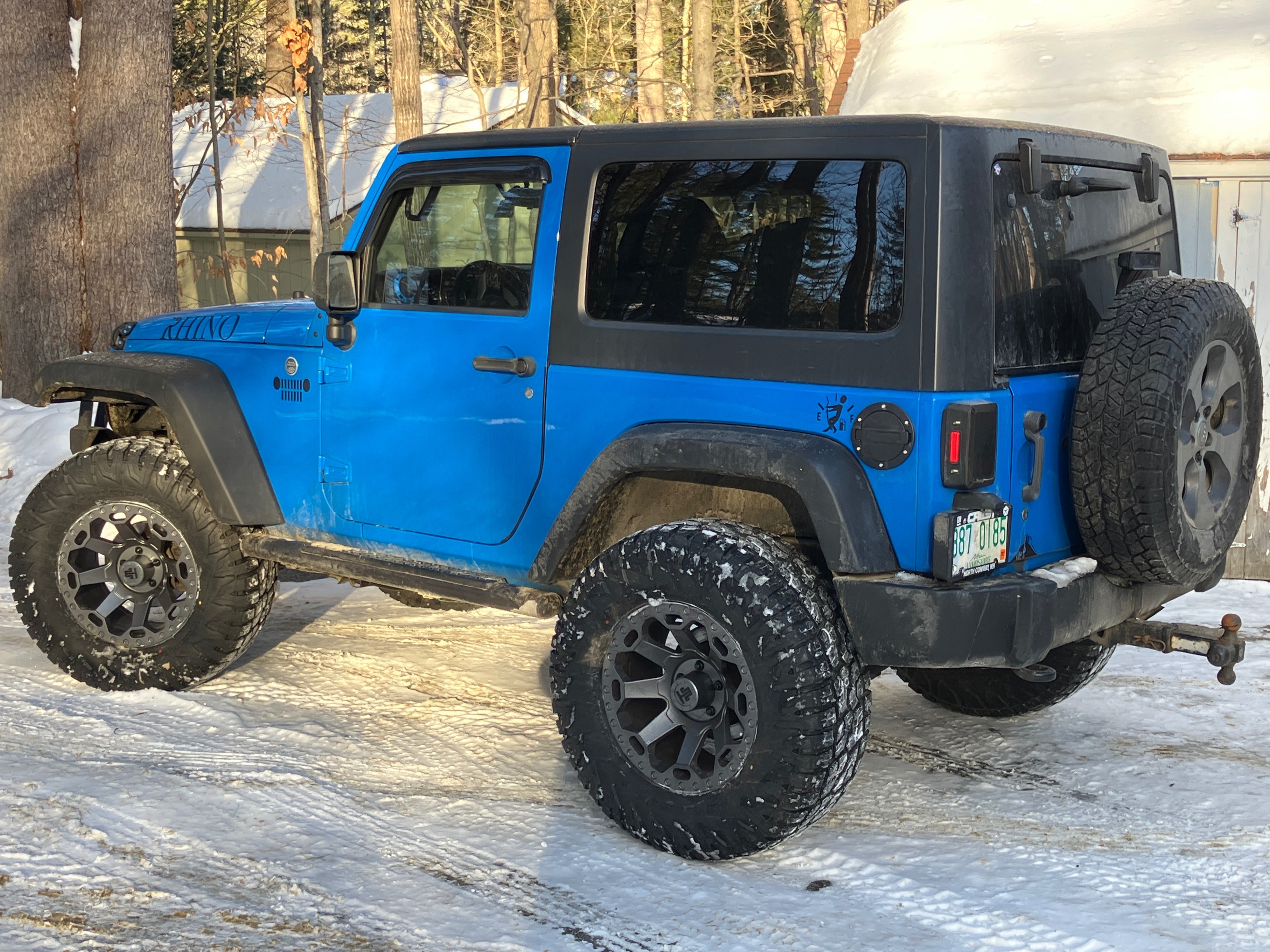
Many Jeep owners buy a separate set of wheels for their snow tires. This makes it easy to swap them at home and avoids wear from repeated tire mounting. Always install winter tires in sets of four. Mixing tire types can reduce stability and traction.
Proper Tire Pressure
Cold air reduces tire pressure, so check and adjust your pressure every couple of weeks. Under-inflated tires wear faster and don’t grip as well. The correct pressure is listed in your Wrangler’s manual or on a sticker inside the driver’s door.
Rotating And Balancing
Rotate your snow tires every 5,000 to 7,000 miles to ensure even wear. Balancing is also important for a smooth ride, especially since winter tires have deeper treads.
Storing Your Tires
When winter ends, store your snow tires in a cool, dry place away from sunlight. Clean them before storage and keep them in tire bags or stacked horizontally. This helps prevent flat spots and extends their life.
How Snow Tires Affect Wrangler Performance
Switching to snow tires changes how your Jeep feels on the road. Here’s what you can expect:
- Better stopping power: On snow and ice, snow tires can shorten stopping distances by 20–30%.
- More control: You’ll notice better steering response and less sliding in corners.
- Slightly softer ride: Snow tires often feel more cushioned due to their soft compound.
- More road noise: Some models are noisier than all-season tires, though newer designs are much quieter than older winter tires.
- Lower fuel economy: The extra grip and softer rubber can reduce fuel efficiency by about 2–5% compared to summer tires.
For most Wrangler owners, the safety benefits outweigh these small trade-offs. You’ll feel more confident, whether driving through a blizzard or just cold, wet streets.
Common Mistakes When Buying Jeep Wrangler Snow Tires
Even experienced drivers can make errors when choosing winter tires. Avoid these pitfalls:
- Buying the wrong size: Always double-check your vehicle’s requirements.
- Mixing tire types: Using snow tires only on the front or rear can reduce stability.
- Choosing mud tires for snow: Mud-terrain tires look tough but perform poorly on ice.
- Ignoring the 3PMSF symbol: Some “all-weather” tires are not true winter tires.
- Waiting too long: Don’t wait until the first snowstorm—dealers often sell out early in the season.
Are All-terrain Tires Good Enough For Winter?
Many Jeep Wrangler owners use all-terrain (A/T) tires year-round. Some modern A/T tires carry the 3PMSF symbol and offer decent winter grip. However, even the best all-terrains fall short of real snow tires when temperatures drop below freezing or when roads are icy.
Here’s a quick comparison:
| Feature | All-Terrain Tire | Snow Tire |
|---|---|---|
| Winter Rubber Compound | No | Yes |
| 3PMSF Certification | Sometimes | Always |
| Stopping Distance on Ice | Longer | Shorter |
| Road Noise | Moderate | Moderate–High |
| Off-Road in Deep Snow | Good | Good (but varies) |
If you drive mainly on plowed city roads, the extra grip from real snow tires is worth it. For occasional light snow, a top-rated all-terrain tire with the 3PMSF symbol may be enough.
Non-obvious Tips For Wrangler Owners
- Smaller wheels, taller tires: Many Jeep Wranglers come with large wheels and low-profile tires for looks. But switching to a smaller wheel with a taller snow tire (more sidewall) can improve winter traction and ride comfort.
- Keep your tire pressure a bit higher: Some drivers lower tire pressure for off-roading, but on icy roads, stick to the manufacturer’s recommended pressure for best grip and control.
- Don’t forget the spare: If you get a flat in winter, you’ll want your spare tire to match your winter tires in size and tread.