The spare tire carrier on your Jeep Wrangler is more than just a piece of metal holding the extra wheel. It’s an essential part for safety, convenience, and protecting your tire investment. Over time, this carrier can wear out, corrode, or even break—especially if you drive off-road or upgrade to bigger tires.
Replacing it isn’t just about looks; it’s about keeping your Wrangler ready for any adventure. This guide will walk you through everything you need to know, from recognizing when it’s time to swap the carrier, to choosing the right replacement and installing it correctly.
Whether you’re a beginner or a seasoned Jeep owner, you’ll find practical advice, clear examples, and tips to avoid common mistakes.
Why Spare Tire Carriers Matter On Jeep Wranglers
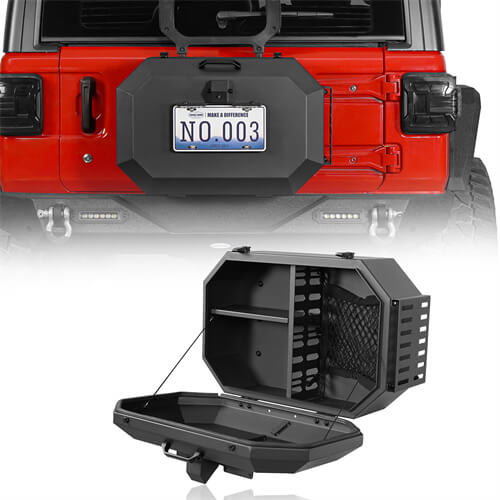
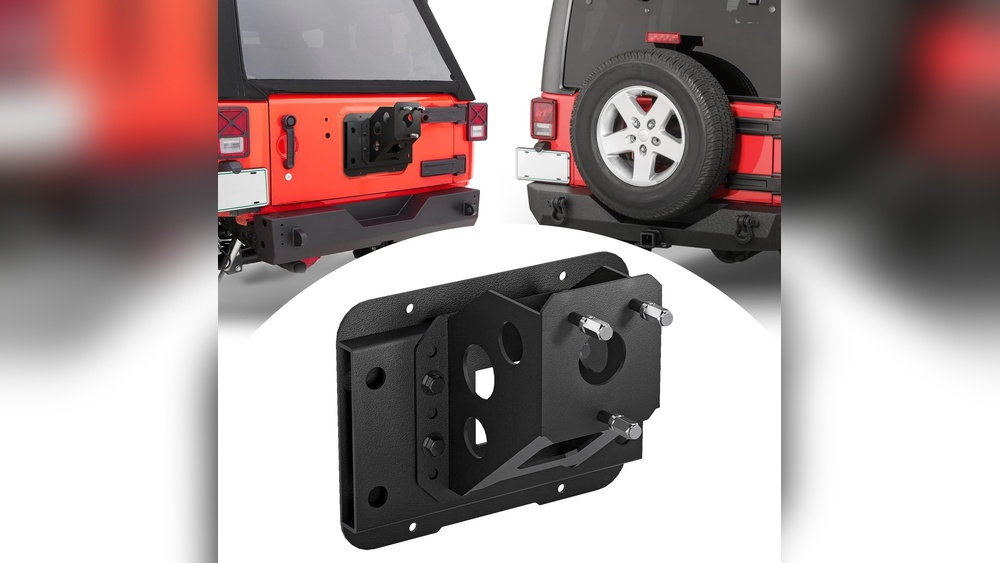
Most Jeep Wranglers carry the spare tire on the rear tailgate. The spare tire carrier holds the tire securely, ensuring easy access if you get a flat. If the carrier fails, the spare can fall off or damage your tailgate. This is especially true with heavier tires, which are common upgrades for off-road enthusiasts.
A worn or rusted carrier can cause:
- Rattling noises
- Tailgate alignment issues
- Increased risk of tire loss
- Damage to the tailgate hinges
Upgrading or replacing the carrier is not just for aesthetics. It’s a smart move for reliability and safety.
Signs You Need A Spare Tire Carrier Replacement
Knowing when to replace your Jeep Wrangler spare tire carrier is key. Here are the main signs:
- Rust and Corrosion: Look for brown or flaky spots, especially around bolts and welds.
- Visible Cracks: Check for cracks in the metal, especially near mounting points.
- Loose Fit: If the tire wobbles or moves easily, the carrier may be failing.
- Tailgate Stress: Notice if your tailgate sags, struggles to close, or seems misaligned.
- Noise: Listen for metal rattling, especially on rough roads.
Non-obvious insight: Many owners ignore small rattles, thinking it’s normal for Wranglers. However, these noises often point to early carrier failure.

Choosing The Right Spare Tire Carrier For Your Wrangler
Not all tire carriers are equal. Picking the best option depends on your Wrangler model, tire size, and driving habits. Here are key factors to consider:
Tire Size Compatibility
Larger, heavier tires put more stress on the carrier and tailgate. Standard carriers may handle up to 33-inch tires. If you use 35-inch or bigger tires, choose a reinforced carrier or a tailgate-mounted carrier.
Carrier Types
There are three main types:
- Factory Replacement: Matches original design, good for stock tires.
- Heavy-Duty Carrier: Stronger materials, handles bigger tires, often includes tailgate reinforcement.
- Bumper-Mounted Carrier: Mounts to rear bumper, bypasses tailgate strain, ideal for extreme off-road use.
Material And Build Quality
Most carriers are made from steel or aluminum. Steel is stronger but heavier and can rust. Aluminum is lighter and resists corrosion, but is usually more expensive.
Compatibility With Accessories
Some carriers support extra features like backup cameras, bike racks, or high-lift jacks. Make sure your new carrier fits your needs.
Price And Warranty
Budget matters, but avoid the cheapest options. Look for a carrier with at least a 1-year warranty. Quality carriers range from $100 (simple steel) to $600+ (heavy-duty, bumper-mounted).
Comparing Carrier Types
Here’s a quick comparison to help you pick:
| Carrier Type | Max Tire Size | Price Range | Best For |
|---|---|---|---|
| Factory Replacement | Up to 33″ | $100–$200 | Stock tires, daily drivers |
| Heavy-Duty Carrier | Up to 37″ | $250–$600 | Off-roading, larger tires |
| Bumper-Mounted Carrier | Up to 40″ | $500–$1200 | Extreme off-road, heavy tires |
Non-obvious insight: Some aftermarket carriers adjust for bolt pattern differences, allowing you to fit wheels from other vehicles.
Preparation Before Replacement
Before starting the replacement, get your tools and workspace ready. Here’s what you’ll need:
- Socket wrench set
- Screwdriver
- Torque wrench
- Jack (for heavy tires)
- Safety gloves and glasses
- Replacement carrier (matched to your Wrangler model)
- Anti-seize lubricant
Check your Jeep’s manual for any specific instructions. If your carrier has wiring for backup cameras or sensors, prepare to disconnect and reconnect these.
Step-by-step Guide: Replacing Your Spare Tire Carrier
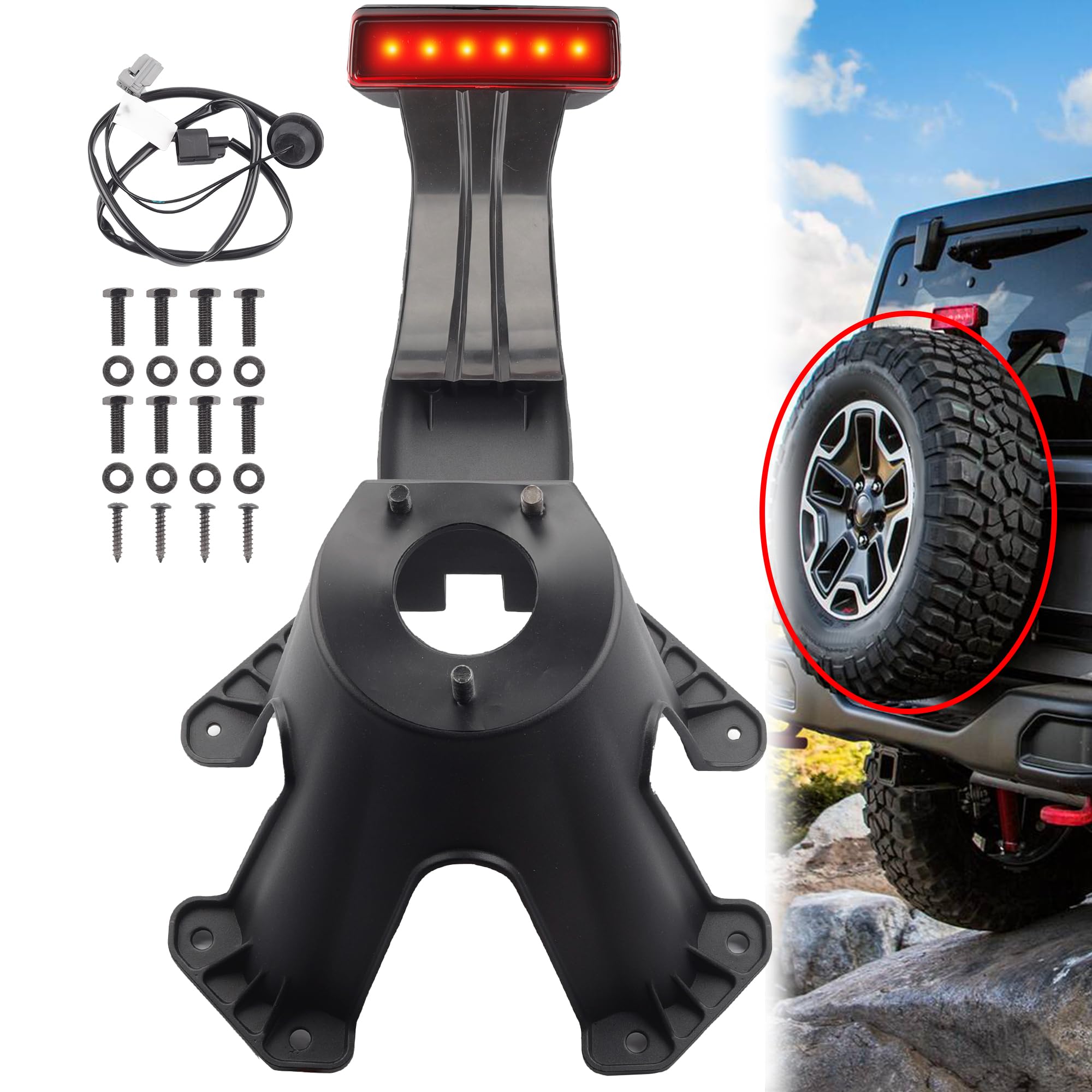
Replacing the spare tire carrier can be done at home in about 1–2 hours. Here’s how:
1. Remove The Spare Tire
Use a socket wrench to remove the lug nuts, then take off the tire. Place it on a soft surface to avoid scratches.
2. Remove The Old Carrier
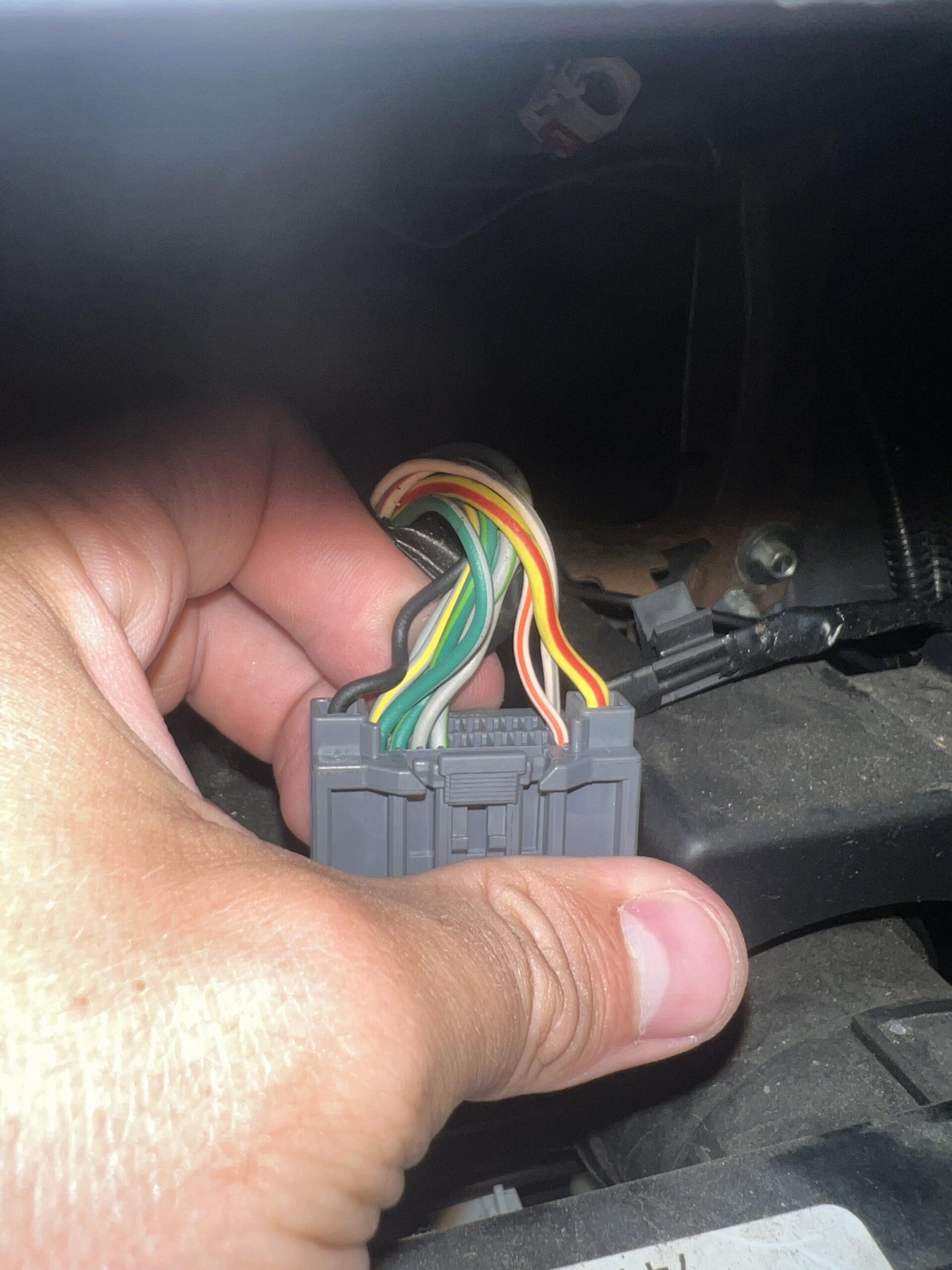
Unscrew all bolts holding the carrier to the tailgate. If it’s stuck, use lubricant and tap gently with a rubber mallet. Carefully disconnect any wiring for cameras or sensors.
3. Inspect The Tailgate
Check for rust, cracks, or damage. Clean the area thoroughly. If you see rust, use a wire brush and rust inhibitor.
4. Install The New Carrier
Align the new carrier with the mounting holes. Insert bolts and tighten by hand first, then use a torque wrench to secure them. Follow the recommended torque specs from your carrier or Jeep manual.
5. Reconnect Wiring And Accessories
If your carrier has camera mounts or other features, reconnect the wiring. Test the camera before reattaching the tire.
6. Mount The Spare Tire
Place the tire onto the new carrier. Tighten lug nuts in a star pattern for even pressure.
7. Final Check
Open and close the tailgate to ensure smooth movement. Check for rattles or loose parts. Drive around the block and listen for abnormal sounds.
Common Mistakes To Avoid
- Over-tightening bolts: Can strip threads or damage the tailgate.
- Ignoring alignment: Carrier must be centered to prevent uneven stress.
- Skipping rust treatment: Rust spreads quickly and weakens mounting points.
Tips For Long-term Spare Tire Carrier Care
After installation, keep your carrier in top shape with these tips:
- Wash regularly, especially after off-roading.
- Apply rust inhibitor spray every few months.
- Check bolts and connections every oil change.
- Inspect for cracks or paint chips after heavy use.
- If you upgrade tires, re-check carrier specs.
Example: Many Jeep owners forget to re-torque bolts after a few weeks. This can cause loosening and rattling over time.
Real-world Data: How Carrier Upgrades Affect Performance
Upgrading your carrier isn’t just about strength. It also affects your Wrangler’s handling and tailgate life. Here’s some real-world data:
| Carrier Type | Avg. Tailgate Lifespan | Handling Impact | Owner Satisfaction |
|---|---|---|---|
| Factory Replacement | 60,000 miles | Minimal | Good |
| Heavy-Duty Carrier | 90,000 miles | Better stability | Very good |
| Bumper-Mounted Carrier | 110,000 miles | Best for off-roading | Excellent |
Statistic: According to a Jeep owner survey, 78% reported fewer tailgate issues after switching to a heavy-duty carrier.
Cost Breakdown: What To Expect
Replacing a spare tire carrier is an investment. Here’s what you can expect for costs:
- Factory replacement carrier: $100–$200
- Heavy-duty carrier: $250–$600
- Bumper-mounted carrier: $500–$1200
- Professional installation: $100–$250 (optional)
DIY installation can save money, but be sure you’re comfortable with basic tools. For more details on Jeep parts pricing, check the official Jeep website.
Comparing Diy Vs Professional Installation
Which is right for you? Here’s a comparison:
| Method | Cost | Time Needed | Skill Level | Warranty |
|---|---|---|---|---|
| DIY | $0 (plus tools) | 1–2 hours | Basic to Moderate | Carrier Only |
| Professional | $100–$250 | 1 hour | None | Carrier + Labor |
If you’re new to tools or unsure about wiring, professional installation is a smart choice. However, most Jeep owners can handle the swap with patience and care.
How Often Should I Check My Spare Tire Carrier For Damage?
Check your carrier every oil change, or after heavy off-roading. Look for rust, loose bolts, and cracks. Early detection can prevent bigger problems.
Can I Use A Carrier From Another Jeep Model?
It depends. Some carriers fit multiple models, but check bolt patterns and tire size limits. Using the wrong carrier can cause alignment or safety issues.
Will Upgrading My Carrier Affect My Jeep’s Warranty?
If you use an approved aftermarket carrier and install correctly, your main warranty should not be affected. However, damage from improper installation may void some coverage.
Is A Bumper-mounted Carrier Better Than A Tailgate-mounted One?
Bumper-mounted carriers handle bigger tires and reduce tailgate stress. They’re best for extreme off-roading or oversized tires, but cost more and require more installation.
What’s The Best Way To Prevent Rust On My Carrier?
Use rust inhibitor sprays, wash your Jeep often, and fix paint chips quickly. Aluminum carriers resist rust but are more expensive.
Replacing your Jeep Wrangler’s spare tire carrier isn’t just a repair—it’s a chance to upgrade your vehicle for durability, safety, and style. With the right information and a careful approach, you can make a smart choice that protects your Jeep for years to come.
Whether you tackle the job yourself or choose professional help, a sturdy carrier means you’re ready for any road, trail, or adventure.