If you own a Jeep, you know the feeling: the freedom of the open road, rugged trails, and the confidence that your vehicle can handle almost anything. But Jeeps are also known for their quirks, unexpected issues, and sometimes stubborn problems.
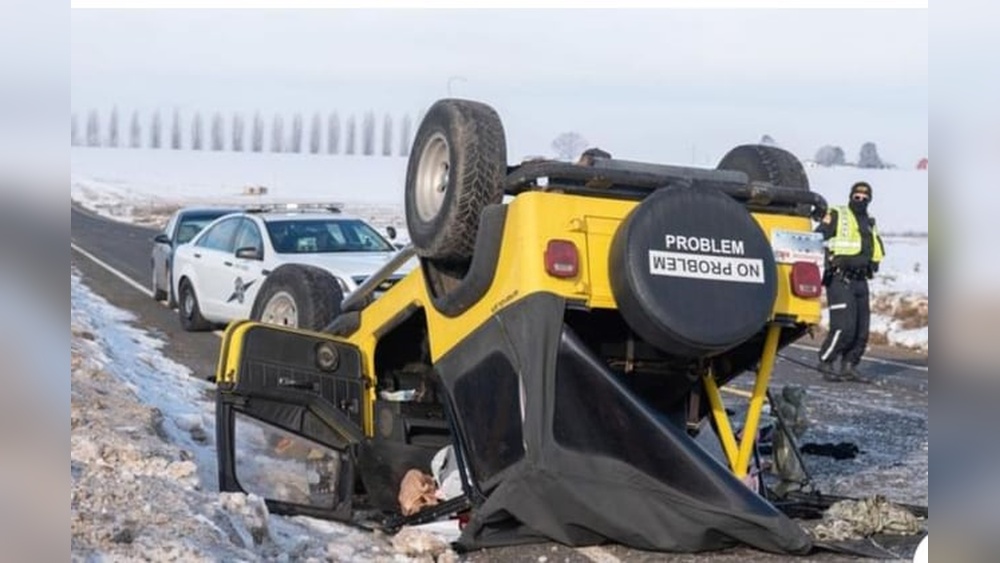
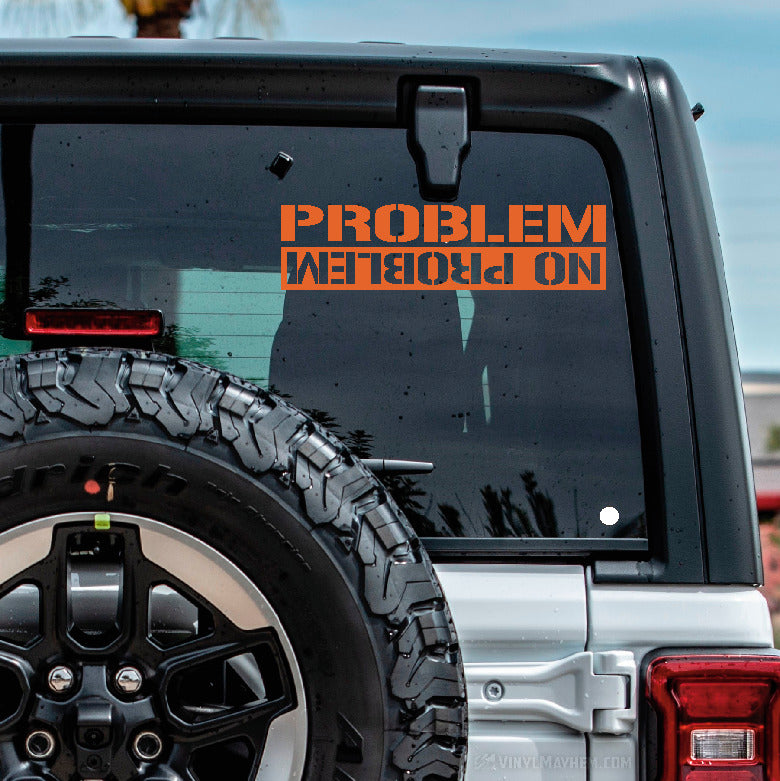
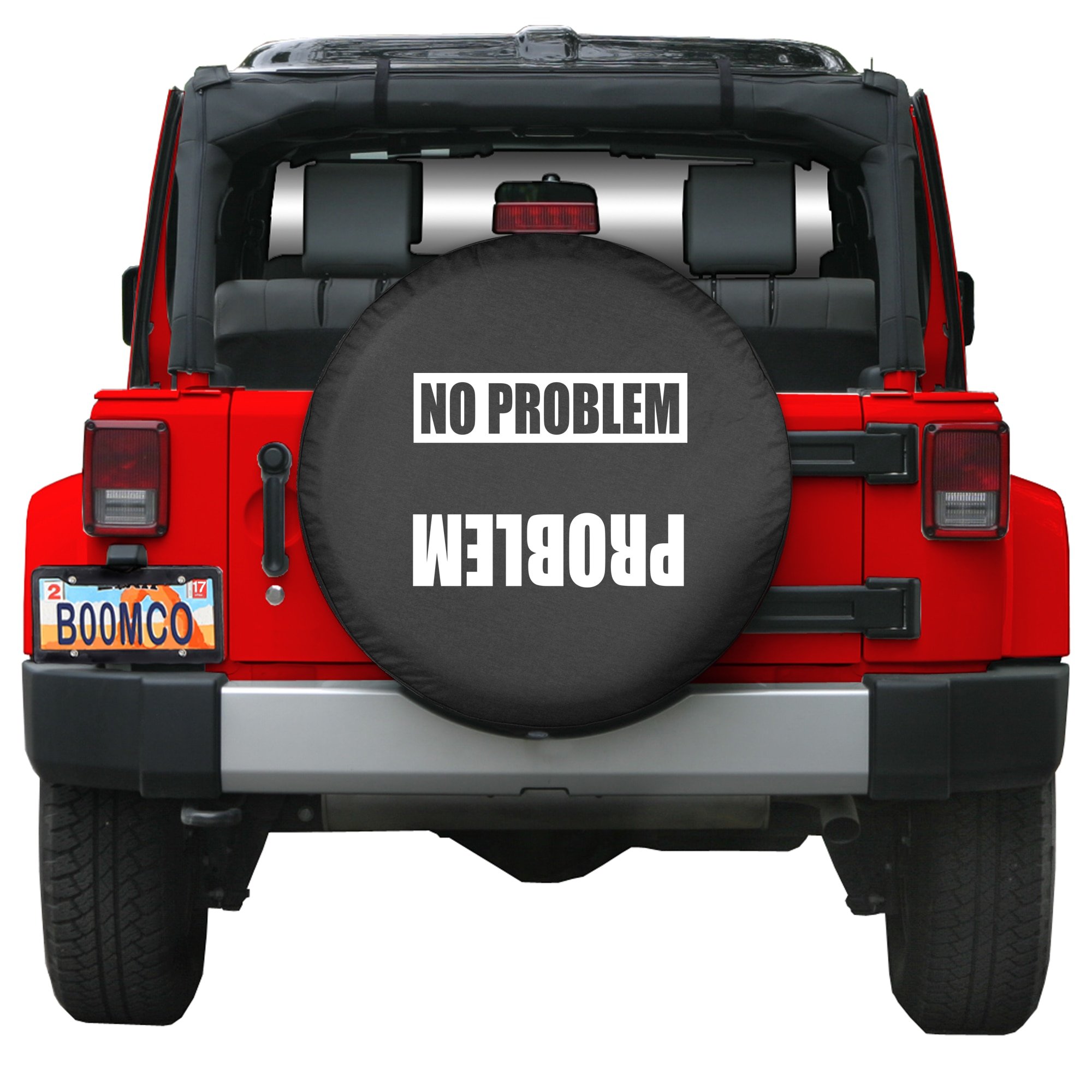
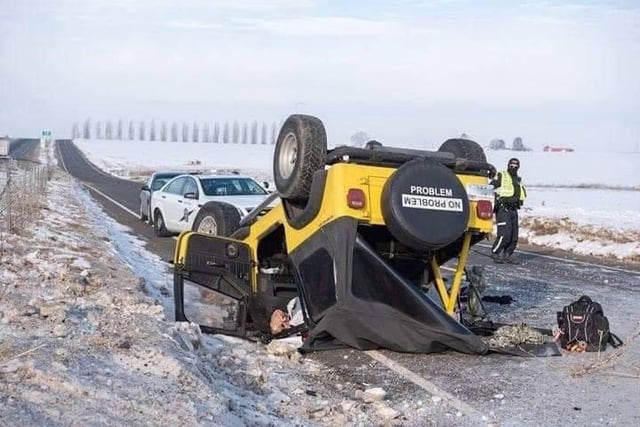
Still, Jeep drivers have a saying—Jeep problem, no problem. Why?
Because every challenge is just another adventure. This article will help you understand common Jeep problems, practical fixes, and expert advice to make sure your Jeep stays ready for anything.
Whether you’re a new owner or a long-time enthusiast, you’ll find clear, simple guidance here.
Why Jeep Problems Are Different
Jeep vehicles are designed for off-road adventures. Their unique build means they face tougher conditions than most cars. Mud, rocks, water, and steep hills are normal for Jeeps. Because of this, problems can appear sooner and look more serious. But many Jeep issues are easy to solve once you know what to look for.
Experienced Jeep owners rarely panic. They know that a strange noise or warning light is often a small fix. They also prepare with basic tools and knowledge, making the phrase “Jeep problem, no problem” true in everyday life.
Common Jeep Problems And Solutions
Many Jeep problems happen again and again, especially with popular models like the Wrangler, Cherokee, and Grand Cherokee. Below are some of the most frequent issues and how to handle them.
1. Death Wobble
The death wobble is a scary vibration that happens when driving at higher speeds, often after hitting a bump. The steering wheel shakes violently, and it feels unsafe.
Solution: Usually, the problem is worn suspension parts, like track bars, ball joints, or tie rods. Check these parts for wear and replace if needed. Professional alignment helps prevent this. Always use quality parts—cheap replacements can cause more trouble.
2. Transmission Troubles
Some Jeep models, especially older ones, suffer from transmission slipping or hard shifting.
Solution: First, check the transmission fluid. Low or dirty fluid can cause many issues. If the fluid is fine, a mechanic should check sensors and solenoids. Sometimes, a software update solves shifting problems in newer Jeeps.
3. Electrical Gremlins
Jeep’s electrical systems can act up: lights flicker, dashboard warnings appear, or windows stop working.
Solution: Begin by checking battery connections and fuses. Loose cables are a common cause. If problems continue, scan for error codes using an OBD-II tool. Many issues are simple fixes, like replacing a fuse or cleaning a connector.
4. Water Leaks
Many Jeep owners face water leaks in the cabin, especially after rain or car washes.
Solution: Check door seals and removable roof panels (like the Wrangler’s hard/soft top). Replace damaged seals. Make sure drain holes aren’t blocked. Some leaks come from clogged AC drains—clear them out to fix the issue.
5. Engine Overheating
Jeeps are built for tough conditions, but engine overheating can happen, especially in hot climates or slow off-road driving.
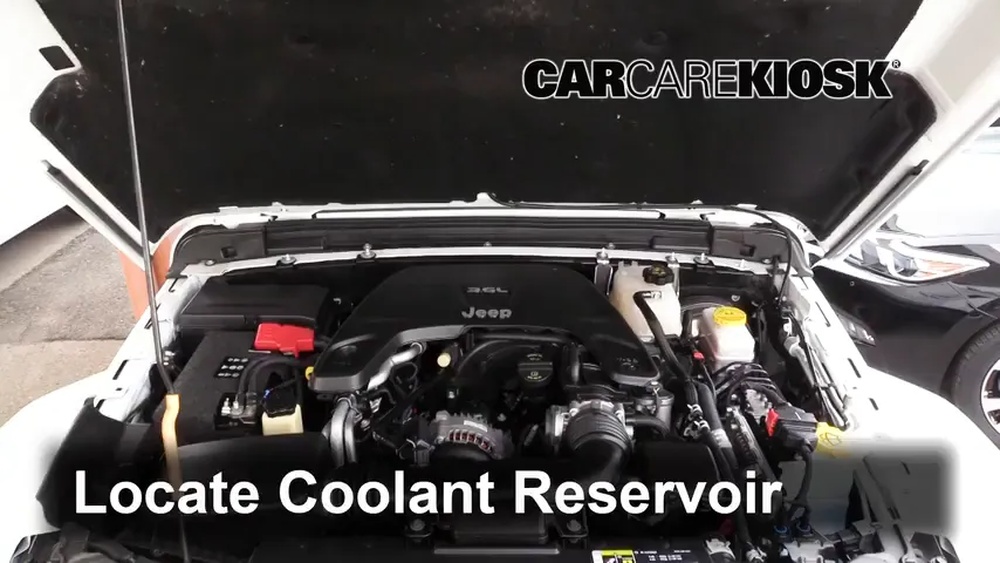
Solution: Check coolant levels and radiator condition. Old radiators can get blocked with dirt. Replace the thermostat if it’s stuck. Clean mud from the front grill to improve airflow.
6. Suspension Wear
Off-roading puts extra stress on suspension parts. Shocks, bushings, and springs wear faster.
Solution: Inspect suspension regularly. Replace worn parts with heavy-duty versions designed for off-road use. Upgrading can prevent repeat problems.
7. Brake Issues
Brakes can squeak, feel soft, or lose power after water crossings.
Solution: Dry brakes after driving through water. Check pads and rotors for wear. Use Jeep-specific brake parts for best performance.
8. Rust And Corrosion
Jeeps see more mud, water, and salt than most vehicles, so rust can appear quickly.
Solution: Wash your Jeep after muddy or salty drives. Treat rust spots early with rust converter and touch-up paint. Use undercoating for extra protection.
9. Faulty Sensors
Modern Jeeps rely on sensors for engine, brakes, and stability. A bad sensor can cause warning lights and poor performance.
Solution: Use an OBD-II scanner to find the faulty sensor. Replace with OEM parts for reliability. Don’t ignore warning lights—small sensor issues can become bigger problems.
10. Hard Top/soft Top Problems
Wrangler owners know that roof panels can rattle, leak, or be hard to remove.
Solution: Lubricate locks and hinges. Tighten bolts carefully—too tight can cause leaks. Replace old seals to reduce noise and water entry.
Jeep Model Comparison: Reliability And Common Issues
Choosing the right Jeep model makes a big difference. Here’s a comparison of three popular Jeep models and their known problems.
| Model | Reliability Score (1-10) | Common Issues |
|---|---|---|
| Wrangler | 7 | Death wobble, leaks, sensor faults |
| Cherokee | 6 | Transmission, electrical, overheating |
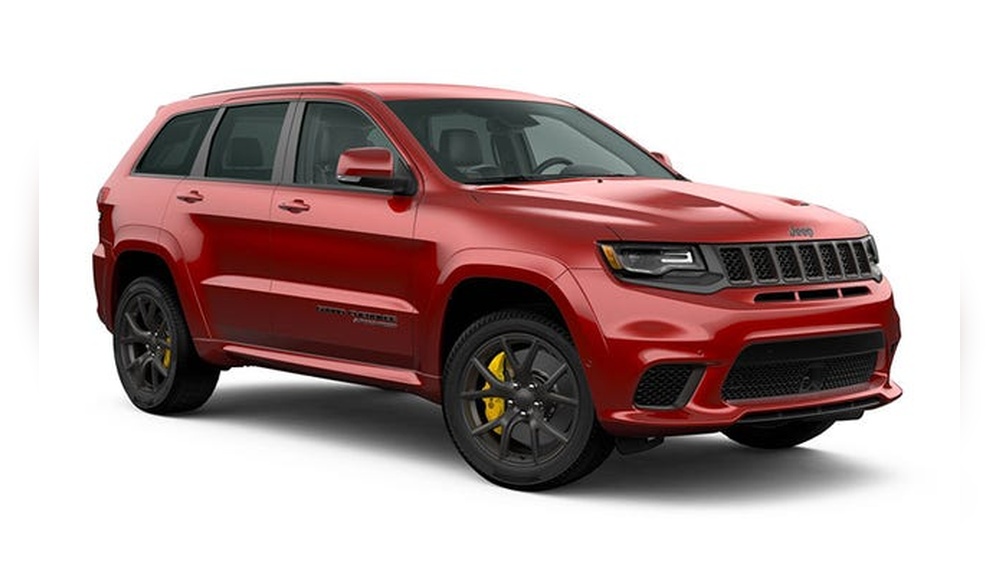
| Grand Cherokee | 8 | Electrical, suspension, brake issues |
Wrangler is famous for off-road ability but often faces death wobble and leaks. Cherokee offers comfort but has more transmission and electrical problems. Grand Cherokee is the most reliable of the three, with fewer serious issues.
Essential Jeep Maintenance Tips
Keeping your Jeep in top shape is easier than many think. Here are practical tips that prevent most problems:
- Regular oil changes: Use high-quality oil and change it every 3,000–5,000 miles.
- Check fluids: Transmission, brake, coolant, and differential fluids should be checked monthly.
- Inspect tires: Off-road driving wears tires faster. Look for cracks, cuts, and uneven wear.
- Wash after off-roading: Mud and salt cause rust. Clean undercarriage and wheels.
- Test battery: Off-road shaking can loosen connections. Check terminals often.
- Lubricate moving parts: Hinges, locks, and joints need regular lubrication.
- Look for leaks: Check under the Jeep after parking. Small leaks can become big repairs.
Non-obvious tip: Don’t ignore small noises or changes. Catching a problem early can save hundreds of dollars. Also, learn how to use an OBD-II scanner—you can spot issues before they become serious.
Jeep Vs Other 4×4 Brands: Durability & Problem Frequency
Many Jeep owners wonder how their vehicle compares to other 4×4 brands. Here’s a quick look.
| Brand | Average Years Before Major Repairs | Common Problems |
|---|---|---|
| Jeep | 6 | Suspension, leaks, sensors |
| Toyota | 8 | Rust, electronics |
| Ford | 7 | Transmission, brakes |
Jeeps need major repairs a bit sooner, but their problems are usually easier and cheaper to fix. Toyota lasts longer, but rust is a big issue. Ford’s main problem is the transmission.
Insight: Jeep parts are widely available, and DIY fixes are popular. If you like learning and working on your own vehicle, Jeep is a great choice.
Upgrades And Modifications: Problem Prevention
Many Jeep owners upgrade their vehicles to make them tougher and prevent problems. Here are smart upgrades to consider:
- Heavy-duty suspension: Reduces wear and handles rough terrain.
- All-terrain tires: Prevents punctures and improves grip.
- Waterproof seat covers: Protects against leaks and mud.
- LED headlights: Better visibility and fewer electrical faults.
- Winch and recovery gear: Essential for off-road rescue.
Non-obvious tip: Upgrading doesn’t just prevent problems—it can also improve resale value. Buyers look for well-maintained and upgraded Jeeps.
The Jeep Community: Support And Resources
One of the best things about owning a Jeep is the strong community. Jeep clubs, online forums, and local groups offer advice, help, and friendship. If you face a problem, chances are someone has solved it before.
Examples of popular resources:
- Jeep Wrangler Forum
- R/Jeep on Reddit
- Local Jeep clubs in most US cities
You can find repair guides, upgrade tips, and event information. For advanced help, try the official Jeep website for manuals and recalls.
Real Jeep Owner Stories
Many Jeep owners learn from experience. Here are two real stories:
Story 1: Mark, a Wrangler owner, faced the death wobble on his first highway trip. He researched, replaced the track bar, and fixed it himself in a weekend. Now, he checks suspension after every off-road trip.
Story 2: Lisa, driving a Grand Cherokee, noticed water in her footwell after heavy rain. She joined a Jeep forum, found the cause (blocked drain), and fixed it with a $2 piece of wire. She says the community made her feel confident as a new owner.
Frequently Asked Questions
<!– wp:rank-math/faq-block {"questions":[{"id":"faq-question-587bd8e06c46","title":"How Often Should I Service My Jeep?","content":"You should service your Jeep every 3,000–5,000 miles. Regular maintenance keeps it reliable and prevents common problems.
“,”visible”:true},{“id”:”faq-question-9815fde8d4af”,”title”:”Is The Death Wobble Dangerous?”,”content”:”Yes, the death wobble feels scary and can make your Jeep hard to control. Fix it quickly by checking suspension parts and getting a professional alignment.
“,”visible”:true},{“id”:”faq-question-b04e670d8470″,”title”:”Can I Fix Jeep Problems Myself?”,”content”:”Many Jeep problems are easy to fix with basic tools. Battery issues, leaks, and simple sensor replacements can be handled at home. For bigger issues, see a mechanic.
“,”visible”:true},{“id”:”faq-question-a73a450386cf”,”title”:”What Is The Best Jeep Model For Reliability?”,”content”:”The Grand Cherokee is often rated as the most reliable Jeep. It has fewer major issues and lasts longer with good care.
“,”visible”:true},{“id”:”faq-question-564838bcdf22″,”title”:”Are Jeep Parts Expensive?”,”content”:”Jeep parts are usually affordable and easy to find. Upgrading with quality parts can save money by preventing repeat problems.
Owning a Jeep is about enjoying the ride and facing challenges head-on. With the right knowledge and a little patience, “Jeep problem, no problem” is more than a saying—it’s a way of life. Whether you’re fixing a leak or upgrading for your next adventure, remember that most problems are just part of the journey.
“,”visible”:true}]} –>How Often Should I Service My Jeep?
You should service your Jeep every 3,000–5,000 miles. Regular maintenance keeps it reliable and prevents common problems.
Is The Death Wobble Dangerous?
Yes, the death wobble feels scary and can make your Jeep hard to control. Fix it quickly by checking suspension parts and getting a professional alignment.
Can I Fix Jeep Problems Myself?
Many Jeep problems are easy to fix with basic tools. Battery issues, leaks, and simple sensor replacements can be handled at home. For bigger issues, see a mechanic.
What Is The Best Jeep Model For Reliability?
The Grand Cherokee is often rated as the most reliable Jeep. It has fewer major issues and lasts longer with good care.
Are Jeep Parts Expensive?
Jeep parts are usually affordable and easy to find. Upgrading with quality parts can save money by preventing repeat problems.
Owning a Jeep is about enjoying the ride and facing challenges head-on. With the right knowledge and a little patience, “Jeep problem, no problem” is more than a saying—it’s a way of life. Whether you’re fixing a leak or upgrading for your next adventure, remember that most problems are just part of the journey.