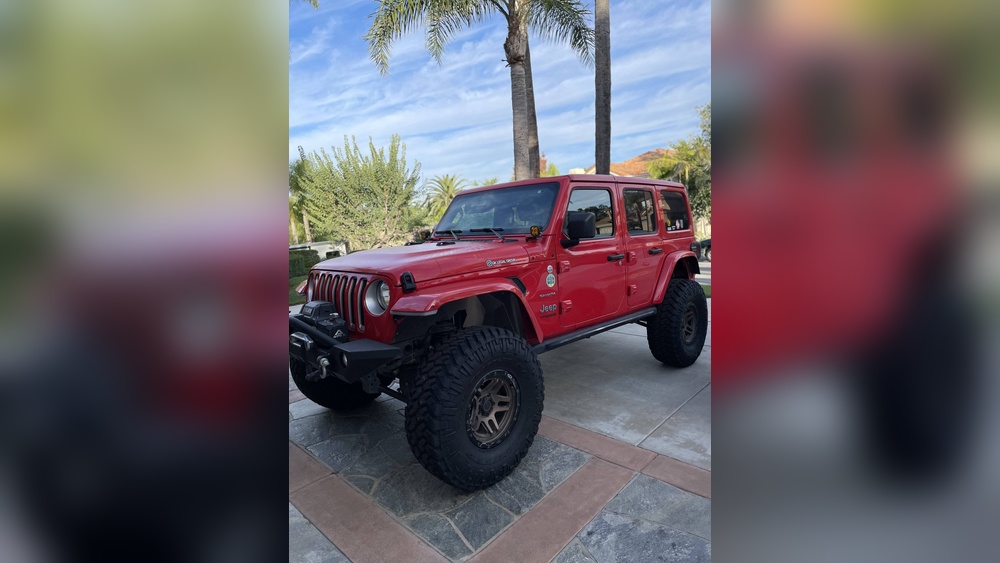
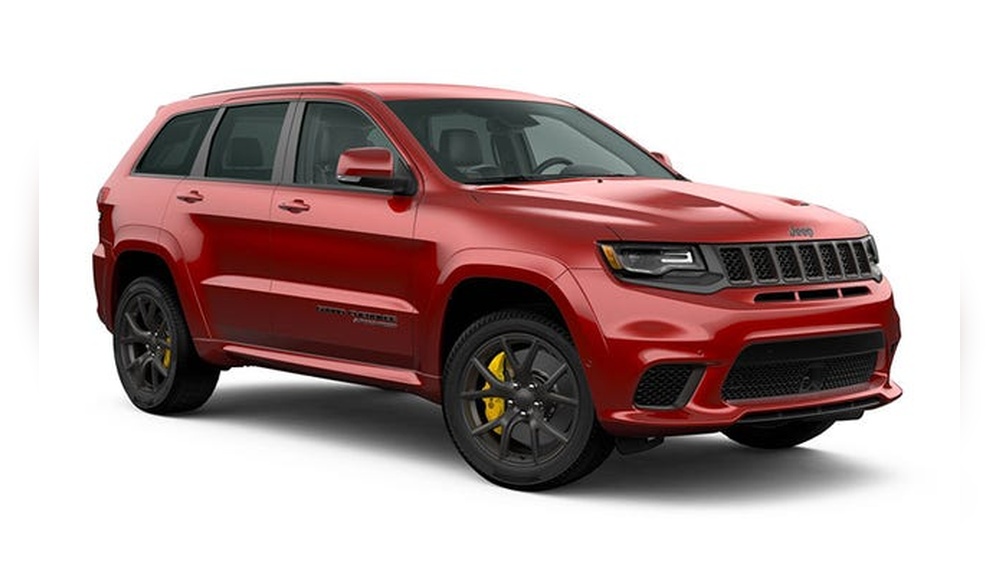
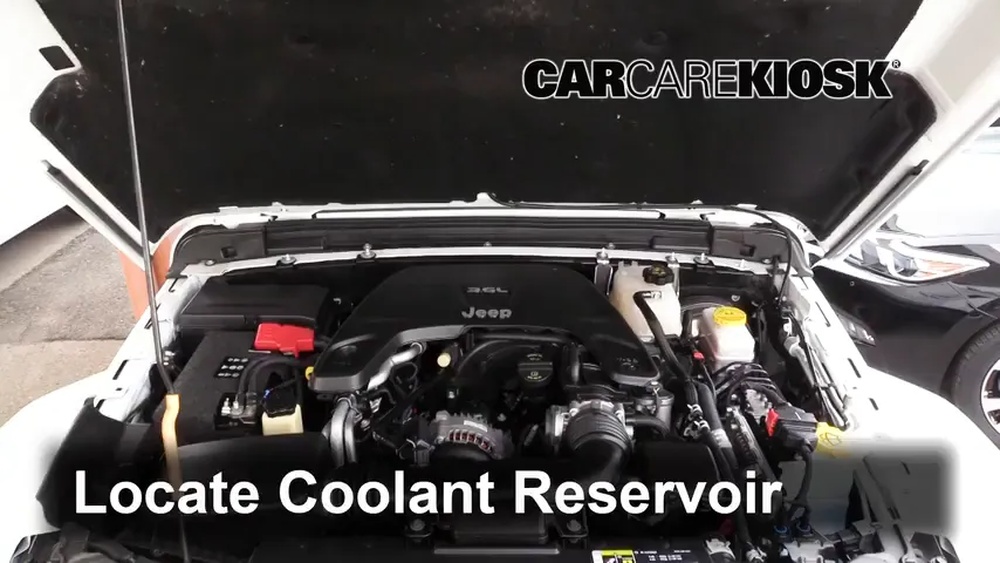
The Jeep Renegade Trailhawk is designed for adventure. With its bold looks, off-road features, and unique style, it stands out in the crowded world of compact SUVs. Many drivers choose the Trailhawk for its mix of city comfort and trail-ready abilities.
But like any vehicle, the Renegade Trailhawk is not perfect. Some owners have faced common problems that can affect daily driving and long-term satisfaction. Knowing these issues before buying or owning a Renegade Trailhawk can save time, money, and stress.
This guide takes a close look at the most reported Jeep Renegade Trailhawk problems. It covers mechanical, electrical, and reliability concerns. You’ll also find tips for dealing with these issues, advice on what to look for when shopping, and answers to common questions. Whether you already own a Renegade Trailhawk or are thinking about getting one, this article helps you make smarter decisions and avoid surprises.

Common Mechanical Problems
The Renegade Trailhawk is built for rough roads, but it has some mechanical weak points that owners should know about.
1. Transmission Issues
One of the most talked-about problems is the 9-speed automatic transmission. Many drivers report:
- Hard or jerky shifting: Especially between lower gears, which can feel rough during city driving.
- Delayed gear engagement: Pressing the gas and waiting a moment before the car moves, which can be dangerous in traffic.
- Transmission warning lights: Sometimes the car enters “limp mode,” reducing power to protect the engine and transmission.
These issues often show up before 60,000 miles. In some cases, dealers fix them by updating software or replacing the transmission module. In rare cases, the whole transmission needs replacing, which can be expensive.
2. Engine Stalling And Power Loss
Many Renegade Trailhawk owners have faced engine stalling or sudden power loss. This can happen while idling at a stoplight or even while driving. Common causes include:
- Faulty sensors (especially the crankshaft position sensor)
- Problems with the fuel delivery system
- Electrical faults in the engine control unit
A sudden loss of power can be alarming and dangerous. If you notice warning lights or unusual engine behavior, get the car checked right away.
3. Oil Consumption
Some Trailhawk models are known for burning oil quickly—sometimes needing a quart added between oil changes. Signs include:
- Oil warning lights turning on before the next scheduled service
- Blue smoke from the exhaust (a sign of burning oil)
- Poor engine performance
This issue is more common in earlier models. Regularly check oil levels and don’t ignore warning lights. Running the engine with low oil can cause expensive damage.
4. Suspension And Steering Concerns
The Trailhawk’s suspension is built for off-roading, but several owners complain about:
- Noisy suspension (clunks and rattles)
- Premature wear of bushings and ball joints
- Loose or vague steering feel
These problems can affect ride comfort and safety. They often show up after driving on rough or unpaved roads, which is ironic for a vehicle meant for trails.
Electrical And Technology Problems
Modern cars rely on complicated electronics, and the Renegade Trailhawk is no exception. Owners often mention these electrical concerns:
1. Infotainment System Glitches
The Uconnect infotainment system is modern but can be unpredictable. Common complaints include:
- Freezing or rebooting screens
- Touchscreen not responding
- Bluetooth or Apple CarPlay disconnecting randomly
Software updates can fix some issues, but not always. For some owners, these problems continue even after dealer visits.
2. Electrical Gremlins
Other electrical problems that pop up include:
- Power windows and door locks not working
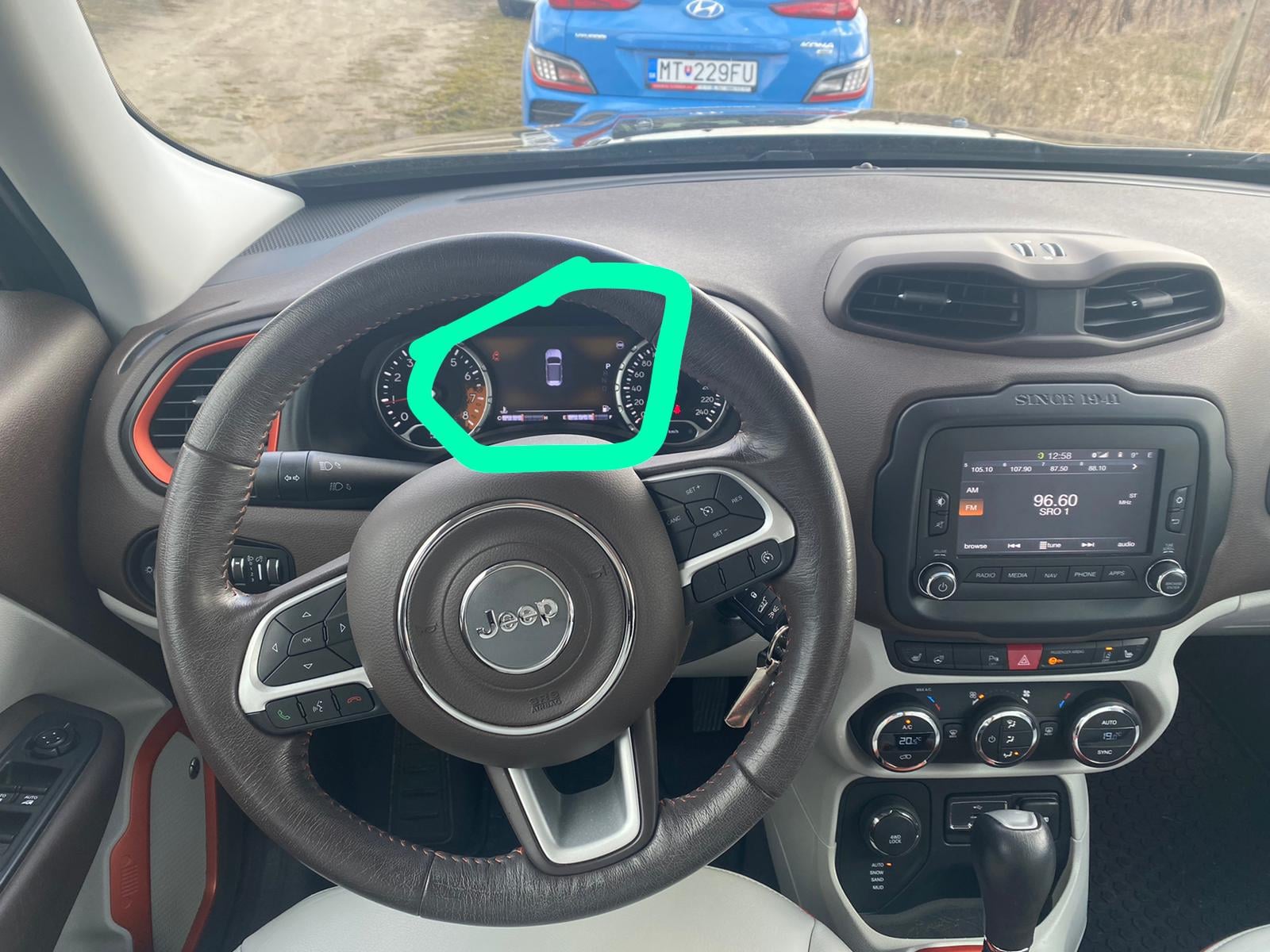
- Dashboard warning lights turning on without reason
- Problems with headlights or taillights
Bad wiring or failing modules are usually to blame. These issues can be hard to diagnose and may need several trips to the mechanic.
3. Battery Drain
Several Renegade Trailhawk owners report dead batteries after the car sits overnight or for a few days. Often, the problem is a module that keeps running when the car is turned off. Fixing it may require a software update or replacing the faulty part.
Reliability: What The Data Shows
The Renegade Trailhawk’s reliability is mixed. Some owners drive for years with few issues, while others face repeated repairs. According to data from industry sources:
| Model Year | Common Complaints | Average Repair Cost |
|---|---|---|
| 2015–2016 | Transmission, electrical | $1,200 |
| 2017–2018 | Oil consumption, infotainment | $800 |
| 2019–2026 | Battery drain, minor electronics | $400 |
Based on owner surveys and expert reviews, the earlier model years (2015-2016) tend to have more serious and costly issues. Newer models show improvements, but some electrical problems remain.
Cost Of Ownership And Repairs
Repairs for the Jeep Renegade Trailhawk can add up, especially if you own an older model. Here’s how the Trailhawk compares to similar compact SUVs:
| Model | Estimated Annual Repair Cost | Major Issue Frequency |
|---|---|---|
| Jeep Renegade Trailhawk | $550 | Above average |
| Subaru Crosstrek | $430 | Average |
| Honda HR-V | $350 | Below average |
| Chevrolet Trax | $400 | Average |
The Renegade Trailhawk usually costs more to maintain than most of its direct competitors. The higher cost is mainly because of complex transmission and electrical repairs.
Real-world Experiences
Some owners have trouble-free years with their Renegade Trailhawk, while others face repeated headaches. Here are two real examples:
- Jessica (2017 Trailhawk): She reported frequent infotainment system restarts. After three dealer visits and a software update, the problem improved, but did not fully disappear. Jessica also had to replace a faulty window switch.
- Mark (2015 Trailhawk): Mark’s vehicle had transmission issues at 45,000 miles, resulting in a $2,500 repair. He also dealt with a battery drain that left him stranded twice until a module was replaced.
It’s important to note that the Renegade’s problems often appear earlier than in other SUVs, sometimes before 60,000 miles.
What To Check Before Buying
If you are considering a used Jeep Renegade Trailhawk, check these points:
- Service history: Look for records of regular maintenance, especially oil changes and transmission service.
- Test drive: Pay attention to shifting quality, engine noise, and any dashboard warning lights.
- Infotainment system: Test all features, including Bluetooth, navigation, and backup camera.
- Electrical features: Check all windows, locks, and lights. Turn the car off and on several times to spot glitches.
- Ask about recalls: Some issues may be fixed by free recall work, so check with the dealer.
One insight many buyers miss: The Renegade Trailhawk’s unique off-road features (like low-range gearing and extra skid plates) can be expensive to repair if damaged, especially after heavy trail use.

How To Minimize Problems
While some issues are beyond your control, you can take steps to reduce the risk of major trouble:
- Keep up with maintenance: Use the recommended oil and change it on time. Don’t skip scheduled services.
- Update software: Ask your dealer about the latest updates for the transmission and infotainment system.
- Drive gently: Avoid sudden gear changes or hard acceleration, especially when the engine is cold.
- Address warning lights early: If you see a check engine or transmission light, get it diagnosed quickly.
Also, consider buying a factory extended warranty if you plan to keep the car for several years. It may cover expensive repairs that are common for this model.
Is The Jeep Renegade Trailhawk Worth It?
The answer depends on your needs. If you love off-roading, need a small SUV that can handle tough trails, and are willing to keep up with maintenance, the Trailhawk offers a unique experience. For daily city driving and maximum reliability, other SUVs like the Honda HR-V or Subaru Crosstrek may be better choices.
It’s also worth noting that the Renegade Trailhawk holds its value better than some other small Jeeps, due to its off-road reputation. But resale value can drop quickly if the car has a record of major repairs.
Frequently Asked Questions
<!– wp:rank-math/faq-block {"questions":[{"id":"faq-question-554eb2c4ca35","title":"What Years Of The Jeep Renegade Trailhawk Are Most Reliable?","content":"Generally, the 2019 and newer Trailhawk models have fewer complaints, especially about major mechanical and electrical problems. Models from 2015-2016 report more frequent transmission and engine issues. Always check the specific vehicle’s history before buying.
“,”visible”:true},{“id”:”faq-question-94b3934a0aa0″,”title”:”Does The Jeep Renegade Trailhawk Have Transmission Problems?”,”content”:”Yes, transmission issues are one of the most common complaints, especially with the 9-speed automatic. Problems include rough shifting, delayed engagement, and warning lights. Software updates help in some cases, but not always.
“,”visible”:true},{“id”:”faq-question-1f9f64793190″,”title”:”How Much Does It Cost To Fix Common Trailhawk Problems?”,”content”:”Repair costs vary by issue. Transmission repairs can cost $1,000 to $3,000. Electrical fixes (like infotainment or window switches) often range from $100 to $500. Regular maintenance (oil changes, brakes) is similar to other SUVs.
“,”visible”:true},{“id”:”faq-question-2a68d5757c94″,”title”:”Can I Improve Reliability With Regular Maintenance?”,”content”:”Absolutely. Sticking to the recommended maintenance schedule, using the right oil, and updating software can prevent many problems. Address any warning lights or strange noises early to avoid bigger repairs.
“,”visible”:true},{“id”:”faq-question-242d87d0fcb0″,”title”:”Where Can I Find More Data On Jeep Renegade Trailhawk Reliability?”,”content”:”For detailed reliability data, visit Consumer Reports, which offers owner surveys and expert analysis on Jeep Renegade models.
—
The Jeep Renegade Trailhawk is a fun and capable small SUV, but it comes with some risks. Knowing the most common problems helps you make a better decision, spot issues early, and enjoy more worry-free miles, whether on city streets or rocky trails.
“,”visible”:true}]} –>What Years Of The Jeep Renegade Trailhawk Are Most Reliable?
Generally, the 2019 and newer Trailhawk models have fewer complaints, especially about major mechanical and electrical problems. Models from 2015-2016 report more frequent transmission and engine issues. Always check the specific vehicle’s history before buying.
Does The Jeep Renegade Trailhawk Have Transmission Problems?
Yes, transmission issues are one of the most common complaints, especially with the 9-speed automatic. Problems include rough shifting, delayed engagement, and warning lights. Software updates help in some cases, but not always.
How Much Does It Cost To Fix Common Trailhawk Problems?
Repair costs vary by issue. Transmission repairs can cost $1,000 to $3,000. Electrical fixes (like infotainment or window switches) often range from $100 to $500. Regular maintenance (oil changes, brakes) is similar to other SUVs.
Can I Improve Reliability With Regular Maintenance?
Absolutely. Sticking to the recommended maintenance schedule, using the right oil, and updating software can prevent many problems. Address any warning lights or strange noises early to avoid bigger repairs.
Where Can I Find More Data On Jeep Renegade Trailhawk Reliability?
For detailed reliability data, visit Consumer Reports, which offers owner surveys and expert analysis on Jeep Renegade models.
—
The Jeep Renegade Trailhawk is a fun and capable small SUV, but it comes with some risks. Knowing the most common problems helps you make a better decision, spot issues early, and enjoy more worry-free miles, whether on city streets or rocky trails.