If you own a Jeep Patriot, you know it’s a reliable SUV for city and off-road driving. But when a warning light pops up on your dashboard, it’s easy to feel worried or confused.
What does that symbol mean? Should you stop immediately or can you keep driving?
Understanding Jeep Patriot warning lights is important for your safety and your car’s health. This guide explains what each warning light means, how serious it is, and what you should do when you see one.
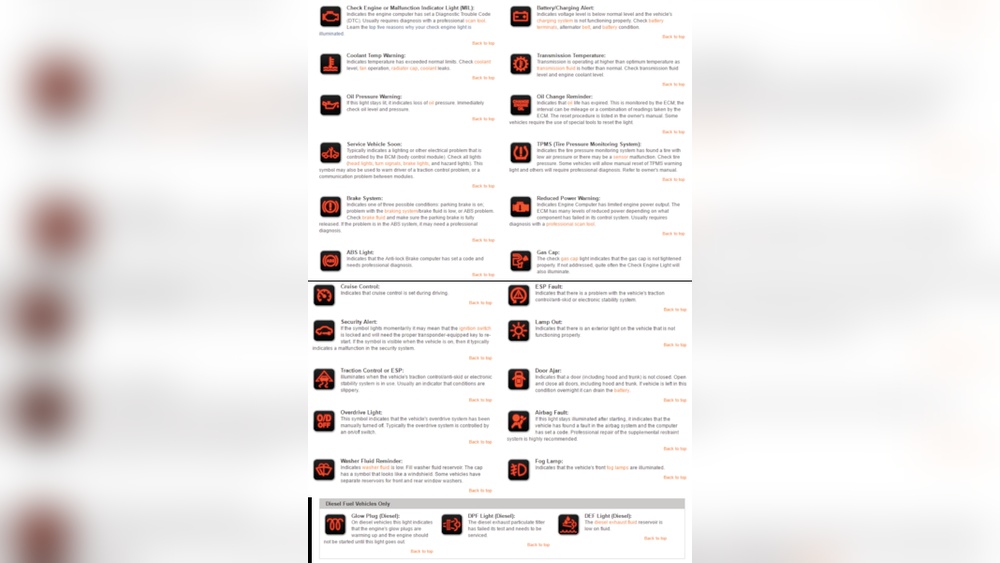
Even if you’re not a car expert, you’ll find clear, practical advice to help you stay in control and avoid expensive mistakes.
Why Warning Lights Matter
Dashboard warning lights are your Jeep Patriot’s way of talking to you. These lights alert you to problems—some small, some urgent. Ignoring a warning light can lead to costly repairs or even put your safety at risk. For example, driving with low oil pressure can quickly damage your engine.
On the other hand, some lights are just reminders, like the seat belt warning.
Many drivers, especially beginners, miss two important facts:
- Not all warning lights mean you should stop immediately. Some let you finish your trip before checking the issue.
- Some lights can turn on even if nothing is wrong. For example, a loose gas cap can trigger the check engine light.
Knowing the difference can save you time, money, and stress.
Jeep Patriot Warning Lights: What They Mean
Let’s look at the main warning lights you might see in your Jeep Patriot. The color and symbol give you clues about the problem.
Red Warning Lights
Red means urgent. Stop the car as soon as it’s safe and find out what’s wrong.
- Engine Oil Pressure: This light looks like an oil can. If it comes on, your engine may not have enough oil or the oil pressure is too low. Driving with low oil can destroy your engine. Stop the car, check the oil level, and add oil if needed. If the light stays on, call for help.
- Brake System Warning: This shows an exclamation mark inside a circle. It can mean the parking brake is on, brake fluid is low, or there’s a brake system problem. If the light stays on after releasing the parking brake, check the fluid level. If it’s low, add the right brake fluid, but get the brakes checked as soon as possible.
- Battery Charge Warning: This looks like a car battery. It means your battery isn’t charging properly. You might have a bad alternator, battery, or wiring. If the light comes on while driving, turn off non-essential electronics and get to a repair shop soon.
- Airbag Warning: This shows a person with a circle (the airbag) in front. If it’s on, there’s a problem with the airbag system. Your airbags might not work in a crash. Have this checked immediately.
- Engine Temperature Warning: This symbol looks like a thermometer in water. It means the engine is overheating. Stop the car, turn off the engine, and let it cool. Never open the radiator cap when the engine is hot.
Amber/yellow Warning Lights
Amber or yellow lights mean caution. You usually don’t need to stop right away, but check the problem soon.
- Check Engine Light (Malfunction Indicator Lamp): This is often a small engine symbol. It can mean many things—from a loose gas cap to engine misfire. If the light is steady and the car runs fine, schedule a checkup. If it blinks or the car runs badly, stop driving and call for help.
- ABS Warning: The letters “ABS” inside a circle. It means the anti-lock brakes aren’t working. Regular brakes will still work, but you won’t have ABS protection. Drive carefully and have it checked.
- Tire Pressure Monitoring System (TPMS): This looks like a horseshoe with an exclamation mark. One or more tires may be low on air. Check and adjust your tire pressure soon.
- Traction Control Warning: A car with squiggly lines behind it. If it’s flashing, it means the system is working to prevent wheel spin. If it stays on, the system may be off or broken.
- ESP/BAS Warning: The letters “ESP/BAS” mean there’s a problem with the Electronic Stability Program or Brake Assist System. Your car may not handle as safely in emergencies.
Green And Blue Lights
These lights are usually for information, not warnings.
- Turn Signals: Green arrows that flash when you use the turn signals.
- High Beam Indicator: A blue light shaped like a headlight. It means your high beams are on.
Severity Levels: When To Stop, When To Drive
Some warning lights need immediate action. Others can wait. Here’s a quick comparison:
| Warning Light | Severity | Action Needed |
|---|---|---|
| Engine Oil Pressure | Critical | Stop immediately |
| Brake System | High | Check before driving |
| Check Engine | Medium-High | Schedule service soon |
| Tire Pressure | Medium | Check tires soon |
| High Beams | Low | No action needed |
Tip: If a red light appears and stays on, it’s safest to pull over and check. For yellow or amber, you can usually finish your journey, but don’t ignore the problem.
Common Causes And Fixes For Jeep Patriot Warning Lights
Understanding the common triggers for warning lights helps you react quickly and avoid unnecessary repairs.
Check Engine Light
- Loose gas cap: One of the most common reasons. Tighten the cap and the light may turn off after a few drives.
- Bad spark plugs: Causes poor performance and higher emissions.
- Oxygen sensor failure: Affects fuel economy.
Battery Warning
- Old battery: Most car batteries last 3-5 years.
- Bad alternator: The alternator charges your battery. If it fails, the battery drains fast.
Brake Warning
- Low brake fluid: Usually from worn brake pads or a leak.
- Parking brake on: Make sure it’s fully released.
Tire Pressure Light
- Changing temperatures: Cold weather can lower tire pressure.
- Puncture or leak: Check for nails, cuts, or slow leaks.
Esp/bas And Traction Control
- Wheel speed sensor fault: Common on older vehicles.
- Steering angle sensor: If the steering feels odd, get it checked.
Jeep Patriot Warning Light Symbols And What They Look Like
Not all drivers remember every symbol. Here’s a quick visual guide to the most common warning lights:
| Symbol | Meaning | Color |
|---|---|---|
| Oil can | Engine Oil Pressure | Red |
| Battery | Battery/Charging System | Red |
| Thermometer in waves | Engine Temperature | Red |
| Engine | Check Engine | Yellow |
| Horseshoe/exclamation | Tire Pressure | Yellow |
| ABS | Anti-lock Brakes | Yellow |
If you’re ever unsure, the Jeep Patriot’s owner’s manual has a complete list of symbols and their meanings.
How To Reset Jeep Patriot Warning Lights
After fixing a problem, some warning lights turn off automatically. Others may need a manual reset or a diagnostic tool.
- Check Engine Light: Often resets itself after several drive cycles if the issue is fixed. If not, you may need an OBD-II scanner to clear the code.
- Tire Pressure Light: Fill all tires to the correct pressure, including the spare. Drive a few miles; the light should turn off.
- Oil Change Light: After changing the oil, reset the light by turning the ignition on (without starting the engine), pressing the gas pedal three times, then turning the ignition off.
Non-obvious tip: If a warning light stays on after repairs, double-check the problem was really fixed. Sometimes, a sensor or wiring issue can keep the light on even if the main problem is solved.

https://www.youtube.com/watch?v=Ym7MFXb9U_g
When To Seek Professional Help
Some warning lights can be handled by the driver, but others need a qualified mechanic.
- Red lights that stay on: Always get professional help.
- Repeated warnings: If a light comes back after you fix the issue, it could be a deeper problem.
- Multiple warning lights at once: This may mean an electrical or computer fault.
Important insight: Modern cars use many sensors, and sometimes one small problem can trigger several warning lights. Don’t guess—get a proper diagnosis.
How To Prevent Warning Lights In The First Place
Prevention saves money and worry. Here’s how to reduce warning light problems:
- Regular maintenance: Follow the service schedule in your owner’s manual. Oil changes, brake checks, and fluid top-ups keep most systems healthy.
- Check tires monthly: Use a tire pressure gauge and look for damage.
- Watch for leaks: Check under your Jeep for oil or coolant spots.
- Listen for changes: Unusual noises or smells often come before a warning light.
- Use quality parts: Cheap or wrong parts can cause sensor errors.
Extra tip: Many drivers forget to check the spare tire’s pressure. A flat spare can trigger the tire pressure warning, even if the other tires are fine.

Jeep Patriot Vs. Other Suvs: Warning Light Systems
Jeep Patriots use a warning light system similar to other compact SUVs, but there are a few differences worth noting.
| Vehicle | Number of Dashboard Warning Lights | Unique Features |
|---|---|---|
| Jeep Patriot | Over 15 | ESP/BAS, distinctive icons |
| Honda CR-V | About 14 | Eco light, TPMS standard |
| Ford Escape | About 16 | MyKey alerts, lane keeping |
| Toyota RAV4 | About 15 | Pre-collision warning |
While warning light symbols are similar, always check your Jeep Patriot owner’s manual for the exact meanings.
Frequently Asked Questions
<!– wp:rank-math/faq-block {"questions":[{"id":"faq-question-8771242b3a62","title":"What Should I Do If The Check Engine Light Blinks In My Jeep Patriot?","content":"A blinking check engine light means a serious engine misfire, which can damage the catalytic converter. Stop driving immediately and call for roadside assistance.
“,”visible”:true},{“id”:”faq-question-cb047b76d1e6″,”title”:”Can I Drive With The Tire Pressure Warning Light On?”,”content”:”If the tire pressure light is on, check your tires as soon as possible. You can drive short distances at low speed, but continuing with low pressure can cause a blowout.
“,”visible”:true},{“id”:”faq-question-81152b408f03″,”title”:”How Do I Reset The Oil Change Light On A Jeep Patriot?”,”content”:”Turn the ignition to ON (without starting the engine). Press the gas pedal fully three times within 10 seconds. Turn the ignition off. The oil change light should reset.
“,”visible”:true},{“id”:”faq-question-776e379451fe”,”title”:”Why Does My Jeep Patriot Have Multiple Warning Lights On At Once?”,”content”:”This often means a system-wide problem such as a bad battery, alternator, or computer issue. Have your car checked by a mechanic with proper diagnostic tools.
“,”visible”:true},{“id”:”faq-question-229e3d7071d1″,”title”:”Where Can I Find A Full List Of Jeep Patriot Warning Light Symbols?”,”content”:”The best source is your owner’s manual. You can also visit the official Jeep website for details and diagrams.
Staying alert to your Jeep Patriot warning lights helps you catch small problems before they become big ones. When in doubt, don’t ignore a warning—take action, and your Jeep will serve you well for many years.
“,”visible”:true}]} –>What Should I Do If The Check Engine Light Blinks In My Jeep Patriot?
A blinking check engine light means a serious engine misfire, which can damage the catalytic converter. Stop driving immediately and call for roadside assistance.
Can I Drive With The Tire Pressure Warning Light On?
If the tire pressure light is on, check your tires as soon as possible. You can drive short distances at low speed, but continuing with low pressure can cause a blowout.
How Do I Reset The Oil Change Light On A Jeep Patriot?
Turn the ignition to ON (without starting the engine). Press the gas pedal fully three times within 10 seconds. Turn the ignition off. The oil change light should reset.
Why Does My Jeep Patriot Have Multiple Warning Lights On At Once?
This often means a system-wide problem such as a bad battery, alternator, or computer issue. Have your car checked by a mechanic with proper diagnostic tools.
Where Can I Find A Full List Of Jeep Patriot Warning Light Symbols?
The best source is your owner’s manual. You can also visit the official Jeep website for details and diagrams.
Staying alert to your Jeep Patriot warning lights helps you catch small problems before they become big ones. When in doubt, don’t ignore a warning—take action, and your Jeep will serve you well for many years.