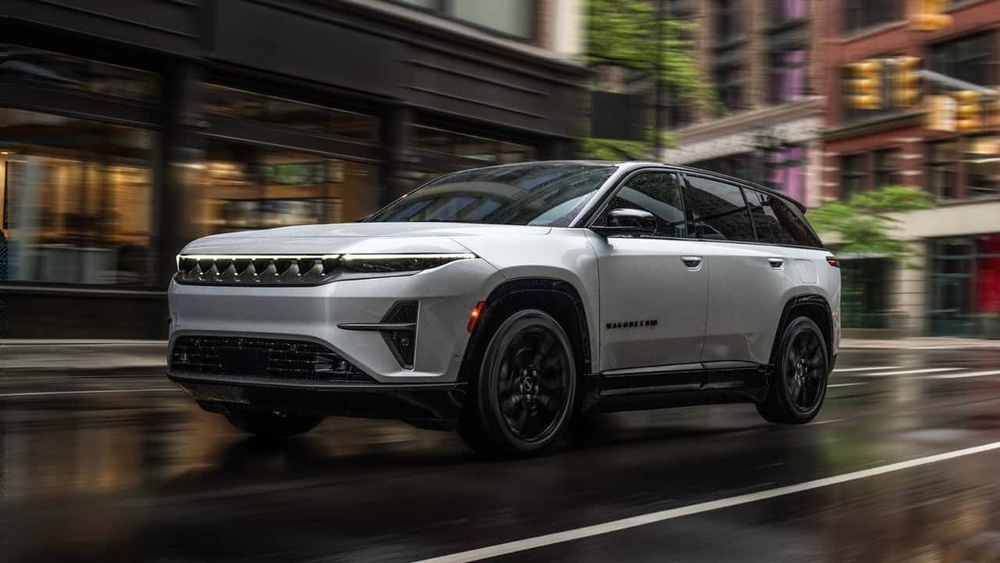
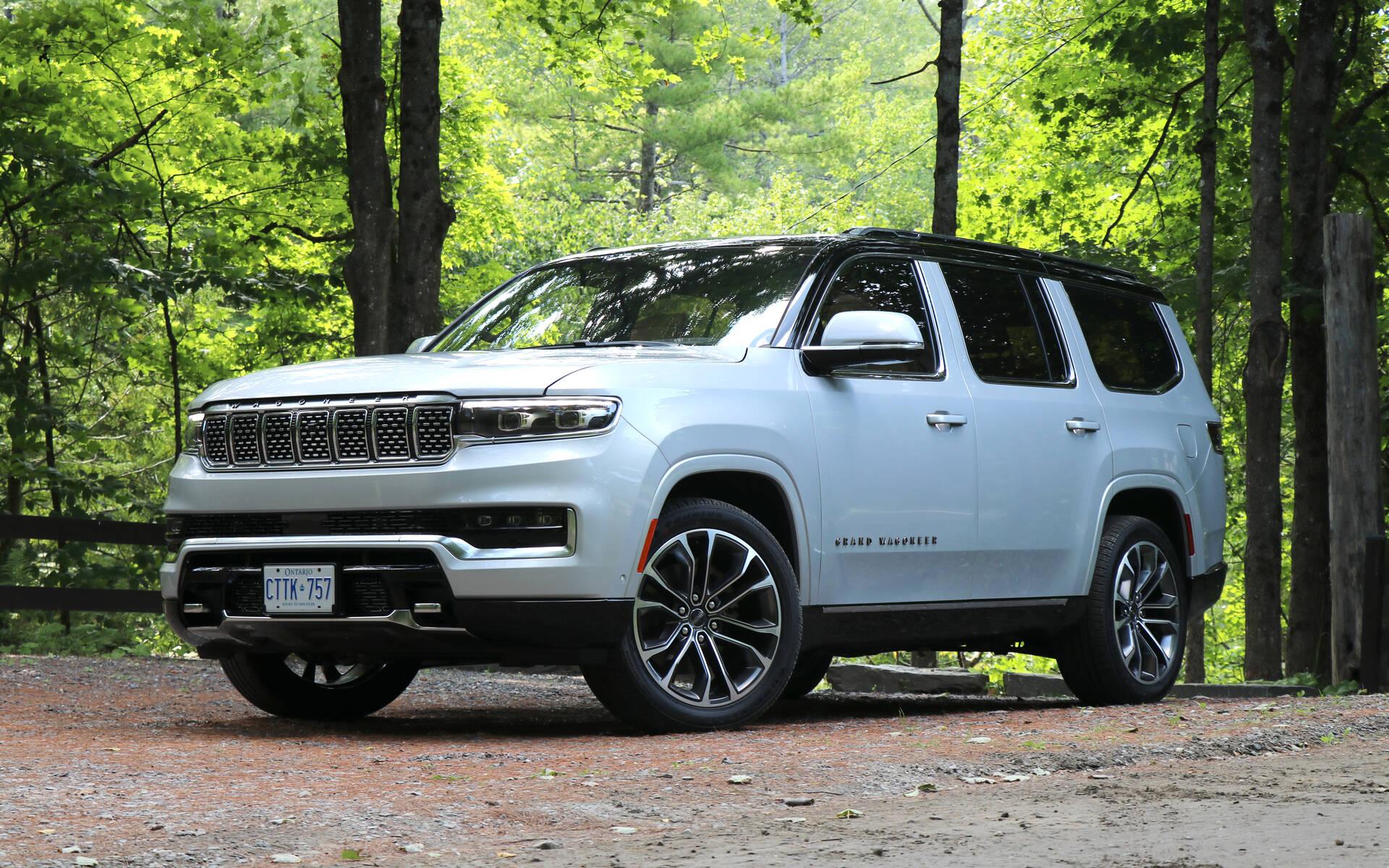
The Jeep Wagoneer stands as an icon in the world of large SUVs. Known for its blend of American luxury, ruggedness, and impressive size, the Wagoneer has always attracted drivers who want more than just a way to get from point A to point B.
Today’s Wagoneer is not just about comfort and space—it’s also about performance. One question many car shoppers ask is, “How fast is the Jeep Wagoneer from 0 to 60 mph?”
In this article, we’ll explore the Jeep Wagoneer 0-60 performance, break down the specs for each model, compare it to key competitors, and offer expert insights for both enthusiasts and everyday drivers.
What Does 0-60 Mean And Why Does It Matter?
When you see “0-60 mph” in car reviews, it refers to the time it takes for a vehicle to accelerate from a complete stop to 60 miles per hour. This metric is often used to measure a car’s acceleration performance. For many drivers, especially in the U.S., this number gives a clear sense of how quick a car feels in everyday driving—merging onto highways, passing slower vehicles, or simply enjoying a burst of speed.
For large SUVs like the Wagoneer, a strong 0-60 time means the engine has enough power to move the heavy body quickly. It’s not just about fun; it’s about safety and confidence, especially when carrying a full load of passengers or towing a trailer.
Jeep Wagoneer Engine Options And Power
To understand the Wagoneer’s acceleration, we need to look at what’s under the hood. The Wagoneer lineup offers a few different engines, each affecting the 0-60 time.
5.7-liter V8 With Etorque
The standard Wagoneer engine is a 5.7-liter V8 with mild-hybrid eTorque assist. This engine delivers 392 horsepower and 404 lb-ft of torque. The eTorque system provides extra torque during takeoff, making acceleration smoother and more responsive.
3.0-liter Hurricane Twin-turbo I6
For 2026 and newer models, Jeep introduced a 3.0-liter Hurricane twin-turbo I6 engine. This option produces up to 420 horsepower and 468 lb-ft of torque, offering more power and better efficiency compared to the V8.
Grand Wagoneer’s 6.4-liter V8
The larger and more luxurious Grand Wagoneer comes with a 6.4-liter V8 engine, pushing out 471 horsepower and 455 lb-ft of torque. This engine is designed for maximum performance, especially in the heavier Grand Wagoneer models.

Jeep Wagoneer 0-60 Times By Model And Year
Wagoneer 0-60 times can vary based on the engine, model year, and whether the SUV has rear-wheel drive (RWD) or four-wheel drive (4WD). Here’s a quick look at the most common configurations.
| Model/Engine | 0-60 mph Time (sec) | Horsepower | Drive Type |
|---|---|---|---|
| 2026 Wagoneer (5.7L V8) | 6.6 | 392 | RWD/4WD |
| 2026 Wagoneer (3.0L I6) | 6.3 | 420 | RWD/4WD |
| 2026 Grand Wagoneer (6.4L V8) | 5.7 | 471 | 4WD |
| 2026 Wagoneer L (3.0L I6) | 6.4 | 420 | 4WD |
These numbers show the Wagoneer is surprisingly quick for its size. Even the heaviest models reach 60 mph in under 7 seconds, which is impressive for a three-row SUV.
How Does The Wagoneer Compare To Rivals?
To see how the Wagoneer stands out, let’s compare its 0-60 times to other large SUVs in the same price and size range.
| SUV Model | 0-60 mph Time (sec) | Base Engine |
|---|---|---|
| Jeep Wagoneer (3.0L I6) | 6.3 | 420 hp |
| Ford Expedition | 6.2 | 3.5L V6, 380 hp |
| Chevrolet Tahoe | 7.0 | 5.3L V8, 355 hp |
| GMC Yukon | 6.9 | 5.3L V8, 355 hp |
| Toyota Sequoia | 5.9 | 3.4L Hybrid V6, 437 hp |
| Grand Wagoneer (6.4L V8) | 5.7 | 471 hp |
The Wagoneer’s acceleration is competitive, especially when equipped with the Hurricane I6 or the Grand Wagoneer’s V8. The Toyota Sequoia hybrid is the only mainstream rival that’s quicker, but the difference is small.
What Impacts Jeep Wagoneer 0-60 Performance?
Many factors can influence the real-world 0-60 time of a Wagoneer. Here are the main things to consider:
- Engine Choice: The Hurricane I6 is quicker than the V8, but both are strong.
- Weight and Options: Heavier trims or added features (like larger wheels or four-wheel drive) can slightly slow acceleration.
- Fuel Type: Always use the recommended octane for best results, especially with turbocharged engines.
- Weather and Altitude: High altitude or hot weather can affect engine power.
- Tire Condition: Worn or under-inflated tires can lead to slower launches.
A non-obvious detail: The Wagoneer’s 8-speed automatic transmission is tuned for smooth shifting rather than aggressive launches. This helps with daily comfort but means the numbers you see in tests are realistic for everyday driving—not just ideal conditions.
Real-world Driving Experience
Numbers tell only part of the story. Many reviewers and owners say the Wagoneer feels faster than its size suggests. The instant torque from the eTorque and turbocharged engines makes city driving and highway merging easy, even when the Wagoneer is fully loaded.
One insight beginners might miss: The Wagoneer’s acceleration feels more relaxed than some sportier SUVs. That’s intentional. Jeep focuses on quiet, stable launches with lots of confidence, rather than the jerkiness you might feel in high-performance vehicles. For families and long-distance travelers, this makes a big difference.
Towing And Payload: Does 0-60 Still Matter?
If you plan to use the Wagoneer for towing, you might wonder how pulling a trailer affects 0-60 performance. Towing a heavy load will always slow acceleration, but the Wagoneer’s strong engines keep it competitive.
For example, the Wagoneer can tow up to 10,000 pounds when properly equipped. With a full trailer, 0-60 times can rise to 9–11 seconds, depending on weight. The key is the Wagoneer’s power delivery—it still feels confident when pulling, thanks to its torque-rich engines and sturdy chassis.
Another detail often overlooked: The Wagoneer’s acceleration when towing is smoother than many rivals, thanks to advanced transmission programming and the mild-hybrid system. This makes it easier to merge onto highways, even with a boat or camper in tow.
Fuel Economy Vs. Acceleration
Performance isn’t just about speed. Many buyers worry that choosing a quicker engine will hurt fuel economy. Here’s how the main engines compare:
| Engine | 0-60 mph (sec) | EPA MPG (city/highway) |
|---|---|---|
| 5.7L V8 eTorque | 6.6 | 16 / 22 |
| 3.0L Hurricane I6 | 6.3 | 17 / 24 |
| 6.4L V8 (Grand Wagoneer) | 5.7 | 13 / 18 |
The Hurricane I6 not only accelerates faster but also offers better fuel economy than the older V8. For most buyers, this makes it the best all-around choice.
How To Get The Best 0-60 In Your Jeep Wagoneer
If you want your Wagoneer to hit the best possible 0-60 time, keep these tips in mind:
- Use premium fuel if recommended for your engine.
- Keep your tires properly inflated and in good condition.
- Avoid overloading the cargo area unless necessary.
- Use the Wagoneer’s Sport mode (if equipped) for sharper throttle response.
- Try to accelerate on flat, dry pavement for the best grip.
A detail many people miss: The Wagoneer’s acceleration is very consistent, even when the vehicle is loaded with passengers or gear. That’s a result of strong engineering and smart use of technology.
Is 0-60 The Right Way To Judge The Wagoneer?
While 0-60 times are useful, they are not the only measure of a great SUV. The Wagoneer excels in many other areas:
- Ride quality: Smooth and quiet, even on rough roads.
- Interior space: Among the best in its class for both passengers and cargo.
- Technology: Features like Uconnect 5, a 10.1-inch touchscreen, and advanced safety systems.
- Towing ability: Up to 10,000 pounds, more than most rivals.
For most families, daily comfort and versatility matter more than pure speed. But knowing your SUV can accelerate with confidence adds peace of mind.

Should You Choose The Wagoneer For Performance?
If you want a large, luxurious SUV that balances power, comfort, and capability, the Wagoneer is a strong choice. It may not be the absolute fastest in the class, but it offers a powerful driving experience that matches its premium price.
One expert tip: If you care about both acceleration and efficiency, choose the Wagoneer with the 3.0-liter Hurricane I6. This engine is the sweet spot for most buyers, delivering strong 0-60 times without sacrificing fuel economy or towing power.
For those who want more muscle and don’t mind higher fuel costs, the Grand Wagoneer’s 6.4-liter V8 is one of the quickest options in any American SUV.
Frequently Asked Questions
<!– wp:rank-math/faq-block {"questions":[{"id":"faq-question-9988fa4ebb5b","title":"What Is The Fastest Jeep Wagoneer 0-60 Time?","content":"The Grand Wagoneer with the 6.4-liter V8 is the fastest, reaching 0-60 mph in about 5.7 seconds.
“,”visible”:true},{“id”:”faq-question-e7f28737bdda”,”title”:”Does Four-wheel Drive Make The Wagoneer Slower?”,”content”:”Adding four-wheel drive can add a little weight, but it also gives better traction. Most drivers won’t notice a big difference—0-60 times may increase by 0.1–0.3 seconds.
“,”visible”:true},{“id”:”faq-question-5646bdb27333″,”title”:”How Does The Wagoneer’s Acceleration Compare To Luxury Suvs?”,”content”:”The Wagoneer’s 0-60 times are close to big luxury SUVs like the Lincoln Navigator and Cadillac Escalade, but those with high-output engines can be slightly quicker.
“,”visible”:true},{“id”:”faq-question-10c5660a03f1″,”title”:”Will Towing Affect My Wagoneer’s 0-60 Time?”,”content”:”Yes, towing a trailer will increase 0-60 times, sometimes by several seconds. However, the Wagoneer’s engines are designed to handle heavy loads with confidence.
“,”visible”:true},{“id”:”faq-question-ca961a35f04f”,”title”:”Where Can I Find Official 0-60 Times And Specs For The Wagoneer?”,”content”:”You can find the most up-to-date specifications on the official Jeep Wagoneer site or check trusted automotive publications.
The Jeep Wagoneer remains a top choice for those who want space, strength, and style—all with impressive acceleration for its class. Whether you’re merging onto highways or towing a family camper, the Wagoneer delivers the performance and confidence you need.
“,”visible”:true}]} –>What Is The Fastest Jeep Wagoneer 0-60 Time?
The Grand Wagoneer with the 6.4-liter V8 is the fastest, reaching 0-60 mph in about 5.7 seconds.
Does Four-wheel Drive Make The Wagoneer Slower?
Adding four-wheel drive can add a little weight, but it also gives better traction. Most drivers won’t notice a big difference—0-60 times may increase by 0.1–0.3 seconds.
How Does The Wagoneer’s Acceleration Compare To Luxury Suvs?
The Wagoneer’s 0-60 times are close to big luxury SUVs like the Lincoln Navigator and Cadillac Escalade, but those with high-output engines can be slightly quicker.
Will Towing Affect My Wagoneer’s 0-60 Time?
Yes, towing a trailer will increase 0-60 times, sometimes by several seconds. However, the Wagoneer’s engines are designed to handle heavy loads with confidence.
Where Can I Find Official 0-60 Times And Specs For The Wagoneer?
You can find the most up-to-date specifications on the official Jeep Wagoneer site or check trusted automotive publications.
The Jeep Wagoneer remains a top choice for those who want space, strength, and style—all with impressive acceleration for its class. Whether you’re merging onto highways or towing a family camper, the Wagoneer delivers the performance and confidence you need.