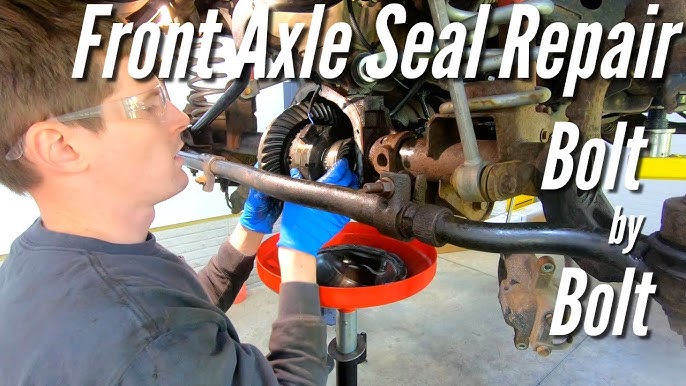
If you notice a puddle of gear oil under your Jeep Wrangler or see a slow leak near the front axle, it’s often a sign that the front axle seal needs replacement. This small but important part keeps gear oil inside the axle housing and dirt or water out.
Ignoring a leaking seal can lead to expensive repairs, including damaged bearings and gears. Many Jeep owners like to tackle this repair themselves to save money and keep their vehicle in top shape.
This guide explains everything you need to know about replacing the front axle seal on a Jeep Wrangler, from signs of failure to step-by-step instructions.
Understanding The Front Axle Seal
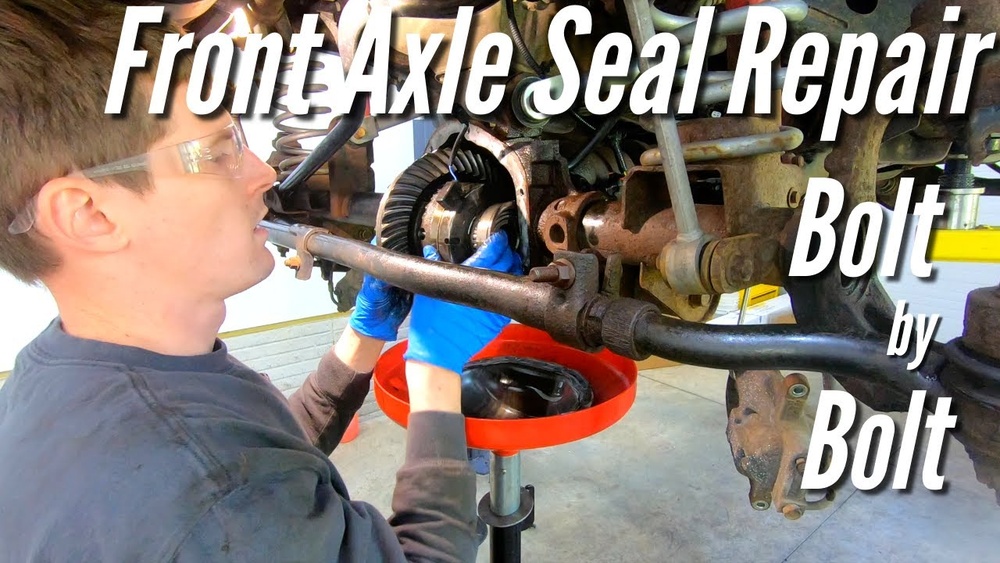
The front axle seal sits at the end of the axle tube where the axle shaft enters the differential. Its job is simple but crucial—preventing differential fluid from leaking out and blocking dirt from getting in. Over time, these seals wear out due to heat, friction, and exposure to mud or water.
Most Jeep Wrangler models, such as the popular TJ, JK, and JL, use similar designs for their front axle seals. However, details like seal size and axle removal steps may vary. Always check your owner’s manual or factory service manual for model-specific differences.
Signs Your Front Axle Seal Needs Replacement
Several signs indicate that your front axle seal may be failing:
- Visible fluid leaks: Gear oil dripping near the wheel or pooling under the axle.
- Low differential fluid level: Regularly needing to add gear oil.
- Grinding or whining noises: These sounds mean the axle or gears are running dry.
- Excess dirt or mud inside the axle tube: A broken seal lets contaminants enter, increasing wear.
- Greasy residue on axle or brakes: Oil can spread and attract dust, making a mess.
Catching these signs early is important. If you keep driving with a leaking seal, you risk bigger problems, such as worn bearings or a ruined differential.
Tools And Parts Needed
Before starting, gather all the necessary tools and parts. Having everything ready saves time and frustration.
Essential tools:
- Jack and sturdy jack stands
- Lug wrench
- Socket set (including 13mm, 15mm, 36mm sockets)
- Breaker bar
- Pry bar
- Hammer and seal driver (or large socket)
- Needle-nose pliers
- Drain pan
- Torque wrench
- Shop rags
Parts and supplies:
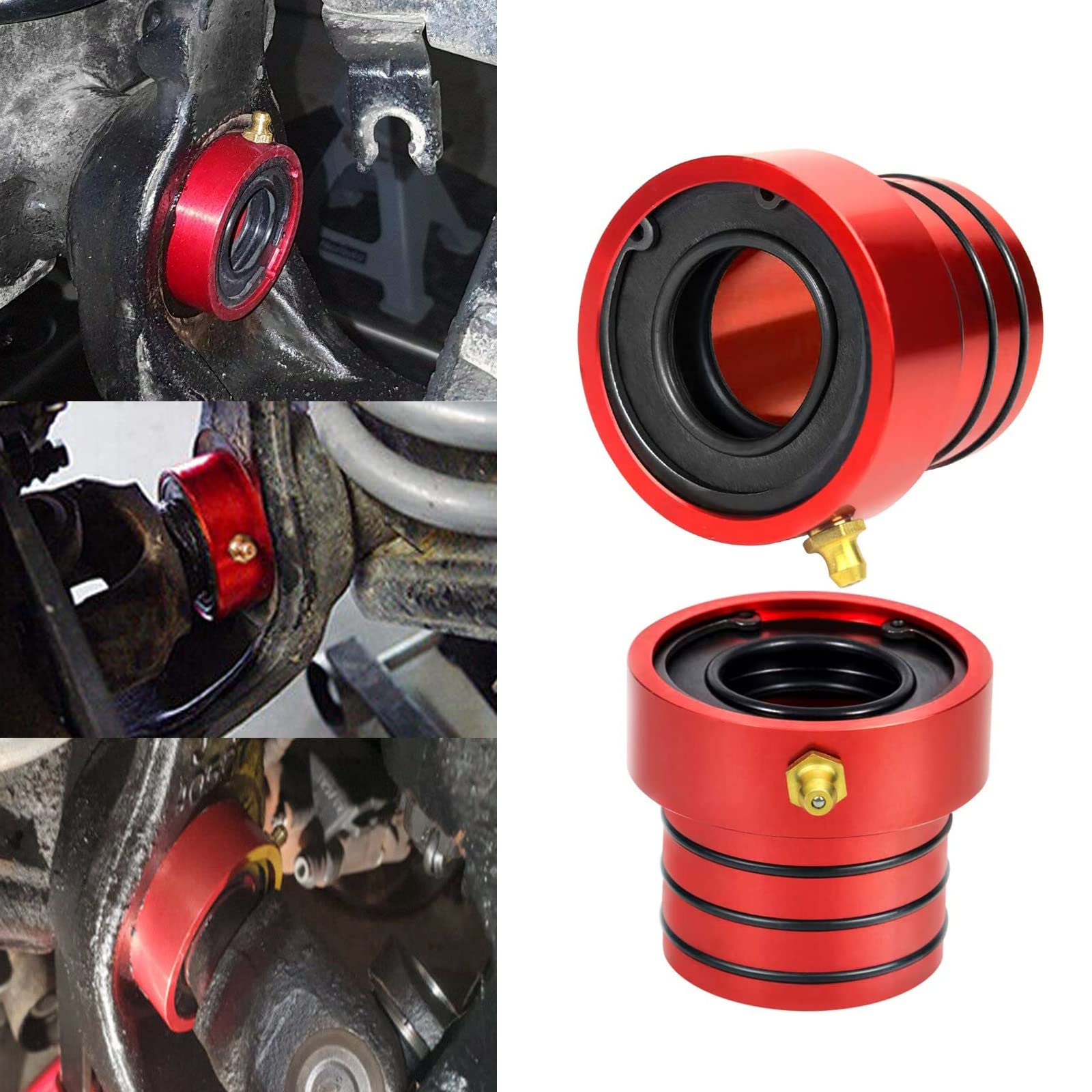
- New front axle seal (check your Wrangler’s year/model for the correct part number)
- Gear oil (usually 75W-90 or 80W-90)
- RTV silicone or gasket maker
- Brake cleaner
- Grease
Optional but helpful:
- Slide hammer (for stubborn seals)
- Replacement axle shaft (if yours is damaged)
Preparing For Replacement
Start with safety. Park your Jeep on a level surface. Set the parking brake and chock the rear wheels. Loosen the front wheel lug nuts before lifting the vehicle. Lift the front with a jack and secure it on jack stands.
Remove the front wheels for better access.
It’s best to work on one side at a time. This helps prevent confusion and keeps everything organized.
Step-by-step Replacement Process
Replacing the front axle seal on a Jeep Wrangler is a moderate job. It’s not hard if you’re comfortable with basic tools, but you’ll need patience and attention to detail.
1. Remove The Front Axle Shaft
- Remove the brake caliper and rotor: Use a socket to take off the caliper bolts. Hang the caliper with a wire, not by the brake hose. Slide off the rotor.
- Take off the axle nut: Use a 36mm socket and breaker bar.
- Remove the hub assembly: Take out the three 13mm bolts holding the hub. Gently tap the hub with a hammer to loosen it.
- Pull out the axle shaft: Carefully slide the shaft out of the axle tube. Watch for oil dripping out.
2. Remove The Old Seal
- Use a seal puller or a large screwdriver to pry out the old seal. Take care not to scratch the axle tube. If the seal is stuck, a slide hammer helps.
- Clean the seal area well with brake cleaner. Remove any old RTV or dirt.
3. Install The New Seal
- Lightly coat the new seal’s outer edge with gear oil or grease. This helps it slide in smoothly.
- Align the seal squarely with the axle tube. Tap it in with a seal driver or a large socket that matches the seal’s size. Go slow—an uneven seal can leak.
- Double-check that the seal is flush with the axle housing.
4. Reinstall The Axle Shaft
- Inspect the axle shaft for wear or grooves. Clean it before sliding it back into the tube.
- Push the shaft all the way in until it seats in the differential.
- Reinstall the hub assembly, tightening the bolts to factory specs (usually around 75 ft-lbs).
- Put the axle nut back on and torque it to spec (often 100–125 ft-lbs, but check your manual).
5. Reassemble Brakes And Wheel
- Slide the rotor back on.
- Mount the brake caliper and tighten the bolts.
- Reinstall the wheel and hand-tighten the lug nuts.
6. Refill The Differential
- Remove the differential fill plug.
- Add the correct gear oil until it just starts to drip out. Don’t overfill.
- Replace the fill plug and clean up any spilled oil.
7. Final Checks
- Lower the Jeep from the jack stands.
- Torque the lug nuts to the recommended setting (usually 95–100 ft-lbs).
- Test drive at low speed. Listen for odd noises or leaks.
Comparison: Diy Vs. Professional Service
It’s helpful to compare doing the repair yourself versus hiring a shop.
| Factor | DIY | Professional Shop |
|---|---|---|
| Cost | $30–$100 (parts/tools) | $250–$500 (labor + parts) |
| Time Needed | 2–4 hours | 1–2 hours |
| Skill Level | Intermediate | None required |
| Warranty | No warranty | Usually 12 months |
DIY can save money, but a shop offers peace of mind and a warranty. If you lack the right tools or workspace, professional service is a safer bet.
Common Mistakes To Avoid
Even experienced Jeep owners sometimes make errors when changing the front axle seal. Here are some frequent mistakes:
- Damaging the seal during installation: Forcing the seal or installing it crooked will cause leaks.
- Scratching the axle tube: Any damage here means a poor seal and future leaks.
- Forgetting to clean old gasket material: Dirt or old RTV can prevent a good seal.
- Using the wrong seal: Always double-check the part number.
- Overfilling or underfilling differential fluid: Too much or too little oil can both cause damage.
Paying attention to these details improves your chances of a long-lasting repair.
Axle Seal Quality Comparison
Choosing a quality seal is as important as installing it correctly. Here’s a quick look at popular brands:
| Brand | Average Price (per seal) | Warranty | User Rating (out of 5) |
|---|---|---|---|
| Mopar (OEM) | $25–$35 | 12 months | 4.8 |
| Timken | $20–$30 | 12 months | 4.7 |
| Crown Automotive | $15–$25 | 6 months | 4.5 |
OEM seals (like Mopar) cost a bit more but often last longer and fit perfectly. Aftermarket brands can save money but sometimes vary in quality.
When To Replace Both Front Seals
Many Jeep owners ask if they should replace both front axle seals at the same time. The answer depends on your situation:
- If one seal is leaking and the other is dry, you can change just the bad one.
- If your Jeep has high miles (over 100,000) or you’re doing other axle work, it’s smart to replace both. The extra cost is small compared to the labor involved.
Often, it’s easier to tackle both sides while the tools and parts are out.
Practical Tips For A Smoother Job
A few non-obvious insights can save time and headaches:
- Mark bolts and parts as you remove them. Photos help you remember what goes where.
- Check U-joints on the axle shaft while it’s out. If they’re loose, now’s the time to replace them.
- Have extra gear oil on hand. Small spills are common.
- Allow sealant to cure if you use RTV on the differential cover—usually 24 hours before adding oil.
Experienced Jeep mechanics often use a seal driver tool for perfect installation. If you don’t have one, a large socket works, but be careful to tap evenly.
Cost Breakdown For Parts And Supplies
Here’s what you can expect to spend on a typical Jeep Wrangler front axle seal replacement:
| Item | Average Cost |
|---|---|
| Front axle seal | $20–$35 |
| Gear oil (1 quart) | $10–$15 |
| RTV/gasket maker | $7–$10 |
| Brake cleaner | $5–$8 |
| Shop rags/gloves | $5 |
Most DIYers complete the repair for under $100, especially if you already have basic tools.
Frequently Asked Questions
<!– wp:rank-math/faq-block {"questions":[{"id":"faq-question-d2fca7f42a2a","title":"How Long Does A Jeep Wrangler Front Axle Seal Last?","content":"Most front axle seals last between 80,000 and 120,000 miles. Driving in mud, water, or sand can shorten this lifespan. Regular checks during oil changes help catch leaks early.
“,”visible”:true},{“id”:”faq-question-34b136c6d84e”,”title”:”Can I Drive With A Leaking Front Axle Seal?”,”content”:”Short trips may not cause immediate damage, but driving with a leaking seal is risky. Low oil can ruin the differential or bearings. It’s best to fix leaks as soon as possible.
“,”visible”:true},{“id”:”faq-question-0d9183684d87″,”title”:”Do I Need To Remove The Differential Cover To Replace The Seal?”,”content”:”For most Jeep Wrangler models, you do not need to remove the differential cover to change the front axle seal. However, if you’re also changing the fluid or want to inspect the gears, removing the cover is a good idea.
“,”visible”:true},{“id”:”faq-question-10c7a4b7a0e2″,”title”:”What Type Of Gear Oil Should I Use?”,”content”:”Most Wranglers require 75W-90 or 80W-90 gear oil in the front differential. Always check your owner’s manual for the correct specification, especially if you have limited-slip differentials.
“,”visible”:true},{“id”:”faq-question-f50f2292275b”,”title”:”Where Can I Find A Detailed Factory Procedure For This Repair?”,”content”:”You can find official service information and detailed diagrams in the Jeep Factory Service Manual or on resources like the Jeep Official Support site.
A successful front axle seal replacement keeps your Jeep running smoothly and extends the life of your drivetrain. With the right tools and some patience, many owners find this repair straightforward and rewarding. Take your time, follow each step, and you’ll be back on the trail with confidence.
“,”visible”:true}]} –>How Long Does A Jeep Wrangler Front Axle Seal Last?
Most front axle seals last between 80,000 and 120,000 miles. Driving in mud, water, or sand can shorten this lifespan. Regular checks during oil changes help catch leaks early.
Can I Drive With A Leaking Front Axle Seal?
Short trips may not cause immediate damage, but driving with a leaking seal is risky. Low oil can ruin the differential or bearings. It’s best to fix leaks as soon as possible.
Do I Need To Remove The Differential Cover To Replace The Seal?
For most Jeep Wrangler models, you do not need to remove the differential cover to change the front axle seal. However, if you’re also changing the fluid or want to inspect the gears, removing the cover is a good idea.
What Type Of Gear Oil Should I Use?
Most Wranglers require 75W-90 or 80W-90 gear oil in the front differential. Always check your owner’s manual for the correct specification, especially if you have limited-slip differentials.
Where Can I Find A Detailed Factory Procedure For This Repair?
You can find official service information and detailed diagrams in the Jeep Factory Service Manual or on resources like the Jeep Official Support site.
A successful front axle seal replacement keeps your Jeep running smoothly and extends the life of your drivetrain. With the right tools and some patience, many owners find this repair straightforward and rewarding. Take your time, follow each step, and you’ll be back on the trail with confidence.