The Jeep Cherokee stands as one of America’s most recognizable SUVs. First introduced in 1974, the Cherokee has shaped the way drivers view rugged vehicles that can also handle daily life.
Over the decades, Jeep has released several generations and special models, each with its own strengths, weaknesses, and personality.
If you’re curious about how the Cherokee has changed year by year, or you’re considering which model might fit your needs, this guide offers a clear, detailed look at the evolution of the Jeep Cherokee.
The Beginning: 1974–1983 (sj Series)
The original Jeep Cherokee, known as the SJ Series, was launched in 1974. This model was based on the Jeep Wagoneer but aimed at a younger, more adventurous market. It came only with two doors at first, which made it look sportier and more robust. The SJ had a boxy design, solid axles, and a powerful V8 engine option. It was popular among off-road enthusiasts because it could handle tough terrain and had a strong towing capacity.
By the late 1970s, Jeep added a four-door version, making the Cherokee more practical for families. Despite its success, the SJ was heavy and not very fuel-efficient, which became a bigger issue during the gas crises of the late 1970s and early 1980s.
Revolution: 1984–2001 (xj Series)
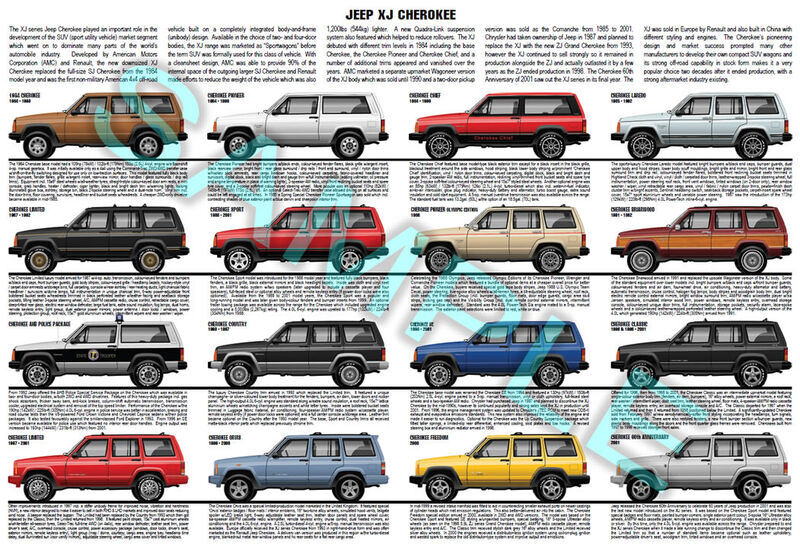
In 1984, Jeep introduced the XJ Series, which completely changed the SUV market. The XJ was smaller, lighter, and more fuel-efficient than the SJ. It was also one of the first SUVs built with a unibody construction, meaning the body and frame were a single piece. This made the XJ much lighter and more agile, but still tough enough for off-road adventures.
The XJ came in both two- and four-door versions, with several engine options over the years, including the famous 4.0L inline-six. This engine became known for its reliability and power. The XJ’s simple design, easy maintenance, and affordable price helped it become a favorite for families, outdoor lovers, and even police departments.
Here is a comparison of the main features of the SJ and XJ generations:
| Generation | Years | Body Style | Engine Options | Key Strength |
|---|---|---|---|---|
| SJ | 1974–1983 | 2- and 4-door | I6, V8 | Rugged off-road ability |
| XJ | 1984–2001 | 2- and 4-door | I4, V6, 4.0L I6 | Lightweight, reliable, versatile |

Modernization: 2002–2007 (kj Series)
By 2002, consumer tastes had shifted. People wanted SUVs that felt more like cars—comfortable, safe, and easy to drive. Jeep responded with the KJ Series, often called the Liberty in the US but still a Cherokee in other markets.
The KJ had a rounder shape, independent front suspension, and improved safety features. It introduced engines like the 3.7L V6 and even had a diesel option in some regions. While the KJ was more comfortable on the road, some fans missed the ruggedness of the earlier XJ. Still, it attracted many new buyers who liked the blend of off-road ability and daily comfort.
Refinement: 2008–2012 (kk Series)
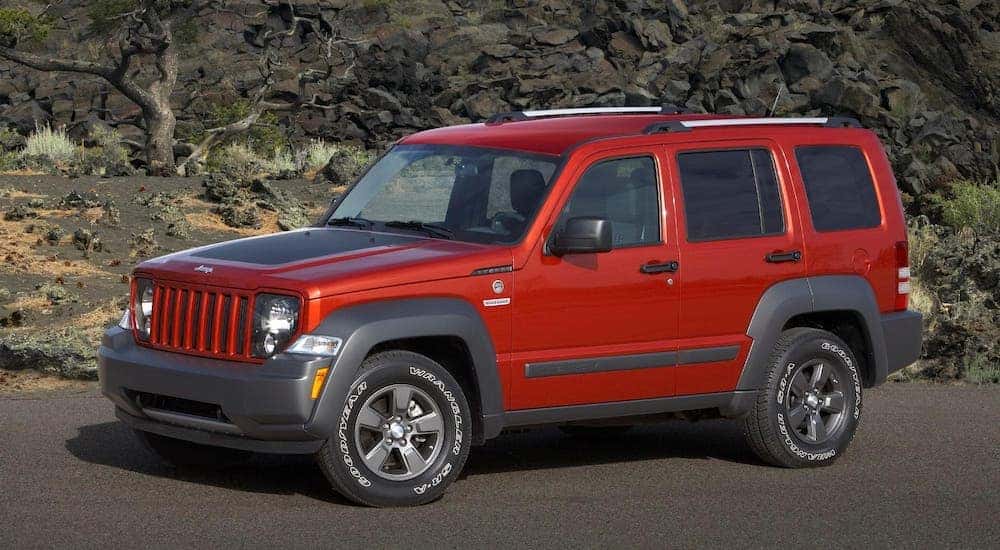
The next step was the KK Series, sold as the Liberty in the US and Cherokee elsewhere. The KK was a little larger and more refined than the KJ. It kept the 3.7L V6 but improved the interior design, added more safety systems, and offered new technology like navigation and better sound systems.
This generation focused on comfort and style, with more attention to city drivers. However, it still kept Jeep’s off-road DNA, especially in trims like the Trail Rated models.
The Return: 2014–2026 (kl Series)
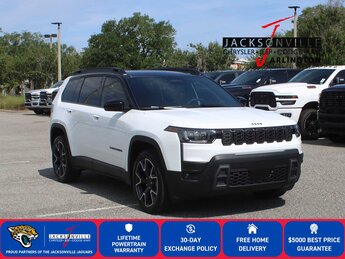
After a short break, the Cherokee returned to the US in 2014 as the KL Series. This model marked a big shift—both in looks and engineering. The KL had a more modern, aerodynamic shape, a front-wheel-drive base, and new engines like the 2.4L Tigershark and 3.2L Pentastar V6. Jeep also offered a 2.0L turbo engine starting in 2019 for more power and better fuel economy.
The KL was packed with technology: touchscreens, advanced safety features, and options like adaptive cruise control. It came in many trims, including the Trailhawk, which had special off-road features like increased ground clearance, skid plates, and locking rear differential.
Jeep improved the ride quality, making the KL more comfortable for everyday driving. Still, the Trailhawk and other 4×4 versions showed that the Cherokee could handle tough trails.
Here’s a side-by-side look at the KJ, KK, and KL models:
| Generation | Years | Main Engine | Drive Type | Tech Features |
|---|---|---|---|---|
| KJ | 2002–2007 | 3.7L V6 | RWD/4WD | Basic (CD, airbags) |
| KK | 2008–2012 | 3.7L V6 | RWD/4WD | Navigation, stability control |
| KL | 2014–2026 | 2.4L/3.2L/2.0T | FWD/4WD | Touchscreen, advanced safety |
2026 And Beyond: The End Of An Era?
Jeep announced that the Cherokee would not return for the 2026 model year. Production stopped in early 2026, with Jeep hinting that a new, electrified Cherokee could arrive in the future. The KL Series, especially the final 2026 models, included several updates like new paint colors, more standard features, and improved infotainment.
While no new Cherokees are rolling off the line right now, the Cherokee name is expected to come back with a new design—possibly as a hybrid or electric SUV.
Special Editions And Notable Models
Throughout its history, the Jeep Cherokee has offered several special editions and trims that stand out.
- Trailhawk (KL): Known for its advanced off-road features, unique styling, and red tow hooks. It’s a favorite among outdoor enthusiasts.
- Chief (SJ): A trim with bold graphics, big tires, and extra features, popular in the late 1970s.
- Limited (XJ, KJ, KL): Focused on luxury, with leather seats, upgraded sound, and more technology.
- Classic (XJ): Offered in the late 1990s and early 2000s, this trim added modern features to the old XJ platform.
- Altitude (KL): Stylish blacked-out trim, upgraded wheels, and more tech.
Some years also introduced key updates. For example, the 1997 XJ got a new interior and smoother styling, while the 2019 KL received a refreshed front end and more powerful engines.
Key Factors When Choosing A Jeep Cherokee By Year
Picking the right Cherokee depends on your needs. Here are a few factors to consider:
- Off-road vs. Comfort: Older Cherokees (SJ, XJ) are more rugged and great for tough trails. Newer models (KL) focus more on comfort and technology but still offer Trailhawk trims for off-roading.
- Budget and Maintenance: The XJ is famous for being easy and cheap to repair. However, older models may have rust or need more work. KL models are more expensive to fix if electronics fail.
- Fuel Economy: The KL and some late KK models offer better fuel efficiency than older generations.
- Safety: Modern Cherokees come with features like airbags, stability control, and lane assist, which early models do not have.
- Availability: XJ models (1984–2001) are still popular in the used market because of their reliability and large production numbers.
Here’s a quick summary of which Cherokee might fit your style:
| Generation | Best For | Why Choose It? |
|---|---|---|
| SJ (1974–1983) | Classic SUV fans | Vintage style, strong towing |
| XJ (1984–2001) | DIY mechanics, off-roaders | Durable, simple repairs |
| KJ (2002–2007) | City drivers with adventure needs | Comfortable, safe, still capable |
| KK (2008–2012) | Family SUV buyers | Spacious, refined interior |
| KL (2014–2026) | Tech lovers, commuters | Modern, fuel-efficient, high tech |
Non-obvious Insights For Cherokee Buyers
- Parts Availability: The XJ Cherokee has a massive aftermarket. This means you can easily find replacement parts or custom upgrades, even years after production ended. In contrast, some KJ and KK parts are harder to find and may cost more.
- Insurance Costs: Many people overlook insurance. Early Cherokees (SJ, XJ) often cost less to insure because of their age and simpler technology. However, newer KL models with advanced safety systems can sometimes be cheaper to insure due to their high crash-test ratings.
Common Mistakes When Choosing A Cherokee Model
- Ignoring Rust: Especially in XJ models, rust can hide under the body. Always check the floor, rocker panels, and rear hatch.
- Forgetting About Recalls: Some years, like the early KL models, had recalls for transmissions and electronics. Check recall history before buying.
- Assuming All Cherokees Are Equal Off-Road: Only certain trims, like the Trailhawk or early XJs, have true off-road ability. Not all models are Trail Rated.
- Overestimating Towing Capacity: The SJ and some XJ models can tow a lot, but KL and later models have lower limits. Always check the year’s rating.
The Cherokee’s Place In Suv History
The Jeep Cherokee helped create the modern SUV. The XJ’s unibody design is now common in almost every crossover on the road. The Cherokee was also one of the first SUVs to mix daily comfort with real off-road power, something that later inspired vehicles like the Toyota 4Runner and Ford Explorer.
The brand’s ability to reinvent the Cherokee for new generations shows how Jeep understands changing driver needs. Even as tastes move toward electrification, the Cherokee name is likely to remain part of Jeep’s future.
If you want to dive deeper into the history and details of the Jeep Cherokee, the official Jeep Cherokee Wikipedia page is a valuable resource.
Frequently Asked Questions
<!– wp:rank-math/faq-block {"questions":[{"id":"faq-question-c0d6b947296b","title":"What Is The Most Reliable Jeep Cherokee Year?","content":"Many owners and experts consider the 1997–2001 XJ Cherokee to be the most reliable. The 4.0L inline-six engine is famous for lasting over 200,000 miles with basic care. However, condition matters more than age, so always check maintenance history.
“,”visible”:true},{“id”:”faq-question-d78afc84cecb”,”title”:”Which Jeep Cherokee Models Are Best For Off-roading?”,”content”:”The XJ (1984–2001) and Trailhawk (2014–2026 KL) trims are best for off-roading. The XJ is lightweight and simple, while the Trailhawk adds modern tech and extra clearance. Look for features like skid plates, low-range gearing, and locking differentials.
“,”visible”:true},{“id”:”faq-question-cc33746834ec”,”title”:”How Does The Jeep Cherokee Compare To The Grand Cherokee?”,”content”:”The Grand Cherokee is larger, more luxurious, and usually has stronger engines. The standard Cherokee is smaller, easier to park, and often less expensive. The Grand Cherokee works better for towing and comfort, while the Cherokee is better for city driving and light off-roading.
“,”visible”:true},{“id”:”faq-question-c303f00871ad”,”title”:”Are Jeep Cherokees Expensive To Maintain?”,”content”:”Older Cherokees, especially the XJ, are cheap and easy to maintain due to simple parts and design. Newer KL models can be more expensive to repair, especially electronics and advanced safety features. Regular maintenance like oil changes and brakes is affordable on most years.
“,”visible”:true},{“id”:”faq-question-cc5f28df1810″,”title”:”Will Jeep Release A New Cherokee?”,”content”:”Jeep has paused Cherokee production for 2026 but has announced plans for a new, electrified Cherokee in the future. This could be a hybrid or fully electric SUV. Watch for updates from Jeep over the next few years.
The Jeep Cherokee has a long and varied history. Whether you want a rugged classic, a reliable daily driver, or a modern tech-filled SUV, there is a Cherokee for almost every type of driver. The right year and model depend on your needs, budget, and sense of adventure.
“,”visible”:true}]} –>What Is The Most Reliable Jeep Cherokee Year?
Many owners and experts consider the 1997–2001 XJ Cherokee to be the most reliable. The 4.0L inline-six engine is famous for lasting over 200,000 miles with basic care. However, condition matters more than age, so always check maintenance history.
Which Jeep Cherokee Models Are Best For Off-roading?
The XJ (1984–2001) and Trailhawk (2014–2026 KL) trims are best for off-roading. The XJ is lightweight and simple, while the Trailhawk adds modern tech and extra clearance. Look for features like skid plates, low-range gearing, and locking differentials.
How Does The Jeep Cherokee Compare To The Grand Cherokee?
The Grand Cherokee is larger, more luxurious, and usually has stronger engines. The standard Cherokee is smaller, easier to park, and often less expensive. The Grand Cherokee works better for towing and comfort, while the Cherokee is better for city driving and light off-roading.
Are Jeep Cherokees Expensive To Maintain?
Older Cherokees, especially the XJ, are cheap and easy to maintain due to simple parts and design. Newer KL models can be more expensive to repair, especially electronics and advanced safety features. Regular maintenance like oil changes and brakes is affordable on most years.
Will Jeep Release A New Cherokee?
Jeep has paused Cherokee production for 2026 but has announced plans for a new, electrified Cherokee in the future. This could be a hybrid or fully electric SUV. Watch for updates from Jeep over the next few years.
The Jeep Cherokee has a long and varied history. Whether you want a rugged classic, a reliable daily driver, or a modern tech-filled SUV, there is a Cherokee for almost every type of driver. The right year and model depend on your needs, budget, and sense of adventure.