The Jeep Patriot was a popular compact SUV that offered rugged looks and affordable pricing. Owners love its practicality for daily use and outdoor adventures.
However, to keep your Patriot running smoothly, a regular maintenance schedule is essential. Neglecting routine care can lead to expensive repairs, poor performance, or even breakdowns at the worst possible moment.
Whether you drive a first-generation model or a later-year version, understanding when and what to service is key for long-term reliability.
Why Maintenance Matters For Your Jeep Patriot
Routine maintenance isn’t just about ticking boxes. The Patriot’s 2.0L or 2.4L engine, CVT or automatic transmission, and all-wheel drive system all rely on clean fluids, proper lubrication, and timely part replacements. Skipping scheduled work can cause:
- Reduced fuel efficiency
- Engine misfires
- Transmission issues
- Premature brake or tire wear
Many Patriot owners miss simple steps, like changing the CVT fluid or rotating tires, which can make a big difference in the vehicle’s lifespan. Even if your Patriot feels fine, hidden problems can be building up.
Recommended Maintenance Intervals
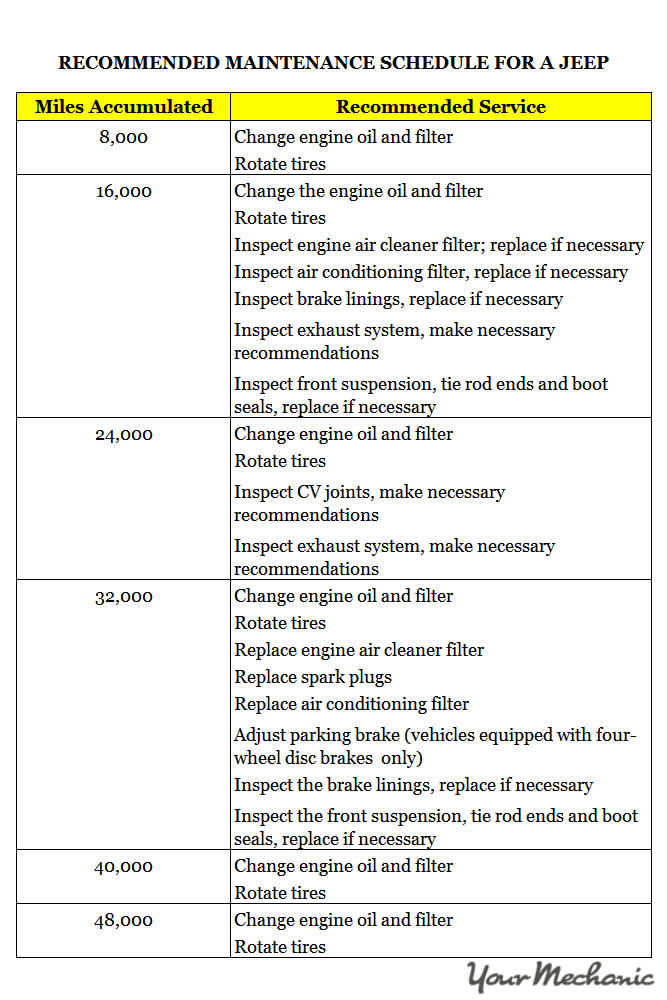
Jeep recommends a schedule based on miles driven or months owned, whichever comes first. Here’s a general guide for most Patriot models:
| Mileage / Time | Key Tasks |
|---|---|
| Every 5,000 miles / 6 months | Oil & filter change, tire rotation, check brakes/fluids |
| Every 15,000 miles / 18 months | Replace air filter, inspect suspension, cabin filter |
| Every 30,000 miles / 36 months | Change spark plugs, transmission fluid, coolant check |
| Every 60,000 miles / 72 months | Replace brake fluid, inspect drive belts, coolant flush |
| Every 100,000 miles / 10 years | Change timing belt (if equipped), full inspection |
Always check your owner’s manual for your model year’s specifics, as recommendations may vary.
Essential Maintenance Tasks Explained
Oil And Filter Changes
Changing the engine oil and filter every 5,000 miles is non-negotiable. Patriot engines are known for consuming oil, so running low can cause major damage. Use the oil weight and type specified in your manual for best results.
Tire Care
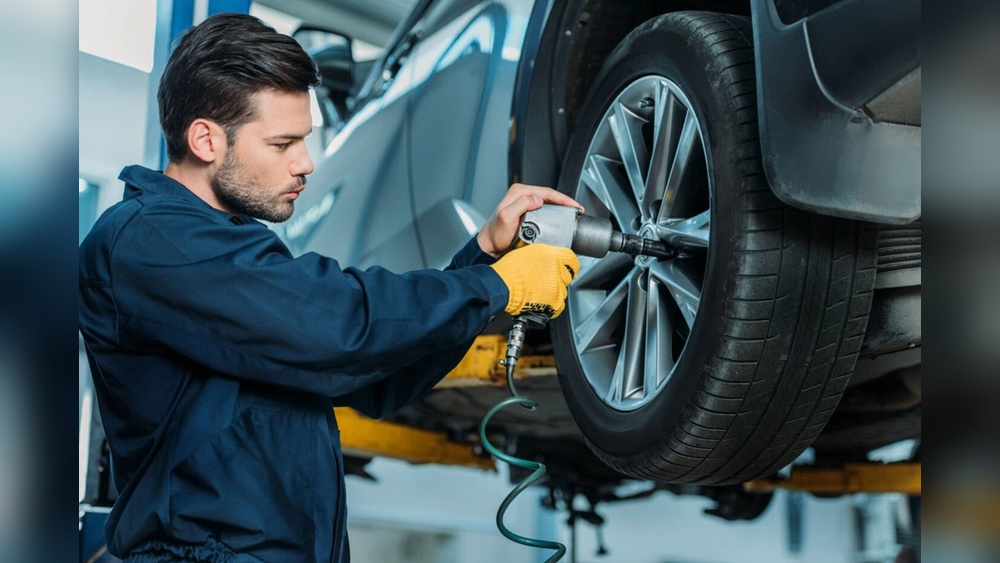
Rotate your tires every 5,000 miles to ensure even wear. The Patriot’s weight distribution and front-wheel-drive bias can lead to faster front tire wear. Also, check tire pressure monthly, as low pressure can hurt gas mileage.
Transmission Fluid
Many owners overlook the CVT transmission fluid, which should be changed every 30,000-60,000 miles. Dirty fluid can cause shuddering or slipping, which is expensive to repair.
Air And Cabin Filters
A clogged air filter reduces engine efficiency, while a dirty cabin filter affects air quality inside the car. Replace both every 15,000 miles, or sooner if you drive in dusty conditions.
Spark Plugs
Worn spark plugs cause rough idling, poor acceleration, and worse fuel economy. Jeep recommends replacing them every 30,000 miles for the Patriot’s 2. 4L engine.
Brake Service
Inspect brakes every 5,000 miles for pad wear and fluid leaks. Replace brake fluid every 60,000 miles. Worn pads or dirty fluid can lead to longer stopping distances.
Coolant System
Flush the coolant every 60,000 miles to prevent engine overheating. Old coolant can cause corrosion or blockages in the system.
Belts And Hoses
Inspect serpentine belts and radiator hoses at least every 60,000 miles. Cracks, fraying, or swelling mean it’s time to replace them.
Maintenance Costs: What To Expect
Maintenance costs for the Jeep Patriot are moderate compared to other SUVs. Here’s an example of average service prices (US dollars):
| Service | Average Cost |
|---|---|
| Oil Change | $50–$80 |
| Tire Rotation | $20–$40 |
| Transmission Fluid | $180–$300 |
| Brake Pads (per axle) | $150–$300 |
| Coolant Flush | $100–$150 |
Regular maintenance can help you avoid big repair bills, which can reach $1,000+ for major issues like transmission or engine failures.
Diy Vs. Professional Service
You can do some maintenance yourself, like oil changes or air filter replacements, with basic tools and a bit of patience. However, some jobs—such as CVT fluid changes or timing belt replacements—are best left to professionals. Mistakes can be costly, especially on transmission work.
If you’re new to car care, start with easy tasks and follow step-by-step guides from trusted sources, such as the National Highway Traffic Safety Administration.
Common Mistakes Jeep Patriot Owners Make
- Ignoring warning lights: Never drive with the check engine or transmission warning light on.
- Delaying fluid changes: Skipping scheduled changes can ruin expensive parts.
- Mixing up fluids: Using the wrong oil or transmission fluid can cause damage.
- Not inspecting tires: Uneven wear or low tread can be dangerous, especially in wet conditions.
- Neglecting the battery: Corroded terminals or old batteries can leave you stranded.
Many owners don’t realize that the Patriot’s CVT transmission is particularly sensitive to old or wrong fluid. Always use the manufacturer-specified fluid and change it on time.
Tips For Extending Your Jeep Patriot’s Life
- Warm up your engine for a minute before driving in cold weather.
- Wash under the car during winter to remove road salt and prevent rust.
- Use quality parts and fluids—saving a few dollars today can cost much more later.
- Listen for odd noises and address them early.
Some Patriot owners have kept their SUVs on the road past 200,000 miles by following these habits.
Frequently Asked Questions
How Often Should I Change The Oil In My Jeep Patriot?
Change the oil and filter every 5,000 miles or 6 months, whichever comes first. Check your oil level monthly, as the Patriot engine can use oil between changes.
What Type Of Transmission Fluid Does The Jeep Patriot Need?
Use only Jeep-approved CVT+4 fluid for models with a CVT transmission. Using the wrong type can cause damage and void your warranty.
When Should I Replace The Timing Belt On My Patriot?
Most Jeep Patriots use a timing chain, which usually lasts the life of the engine. Some older 2.0L models may have a timing belt—check your manual for exact intervals.
Is It Safe To Use Aftermarket Parts For Maintenance?
Aftermarket parts can save money, but always choose trusted brands that meet OEM specifications. For critical systems like brakes or transmission, OEM parts are often the safest choice.
How Can I Tell If My Patriot’s Brakes Need Service?
Listen for squealing or grinding noises when braking, feel for vibrations, and check if the pedal feels soft. If you notice any of these, have your brakes inspected right away.
Caring for your Jeep Patriot with regular maintenance is the best way to enjoy reliable performance and avoid expensive surprises. With a simple schedule and a bit of attention, your Patriot can serve you well for years.