The Jeep Grand Cherokee is known for comfort and off-road performance, thanks in part to its advanced air suspension system. While this technology offers a smooth ride and adjustable ground clearance, air suspension components can wear out over time.
If you drive a Grand Cherokee with high mileage or notice unusual ride issues, you might need an air suspension replacement. Understanding the symptoms, replacement process, costs, and options will help you make the right decision and avoid common mistakes.
Why Air Suspension Matters In The Grand Cherokee
The air suspension system in the Grand Cherokee delivers a unique driving experience. Instead of traditional coil springs, it uses air-filled bags to support the vehicle. This setup allows you to raise or lower the SUV for better handling, comfort, or off-road capability.
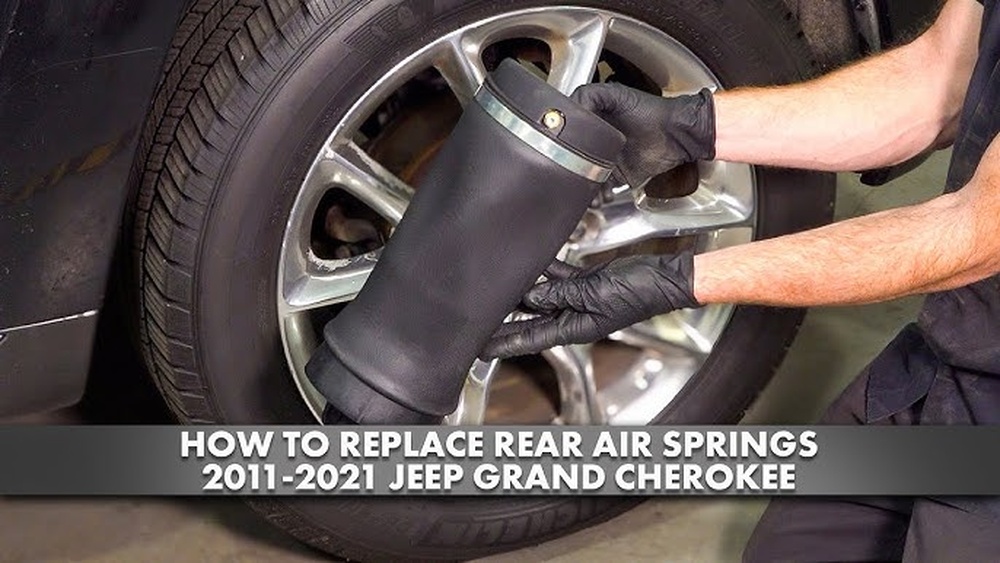
Air suspension is especially popular in models like the Grand Cherokee Overland and Summit. However, the system is complex, with air struts, a compressor, sensors, and electronic controls. Even one failing part can affect the whole system.
Common Signs Your Air Suspension Needs Replacement
Spotting problems early can save you time and money. Here are the top indicators:
- Vehicle sagging: One corner or side sits lower, especially after parking overnight.
- Warning lights: The suspension or “Quadra-Lift” warning appears on the dashboard.
- Rough ride: You feel every bump, or the ride feels bouncy.
- Compressor noise: A loud whirring sound or the compressor runs too often.
- Uneven tire wear: Alignment issues due to uneven suspension height.
If you notice any of these, inspect the system or visit a qualified mechanic.
Air Suspension Vs. Coil Conversion
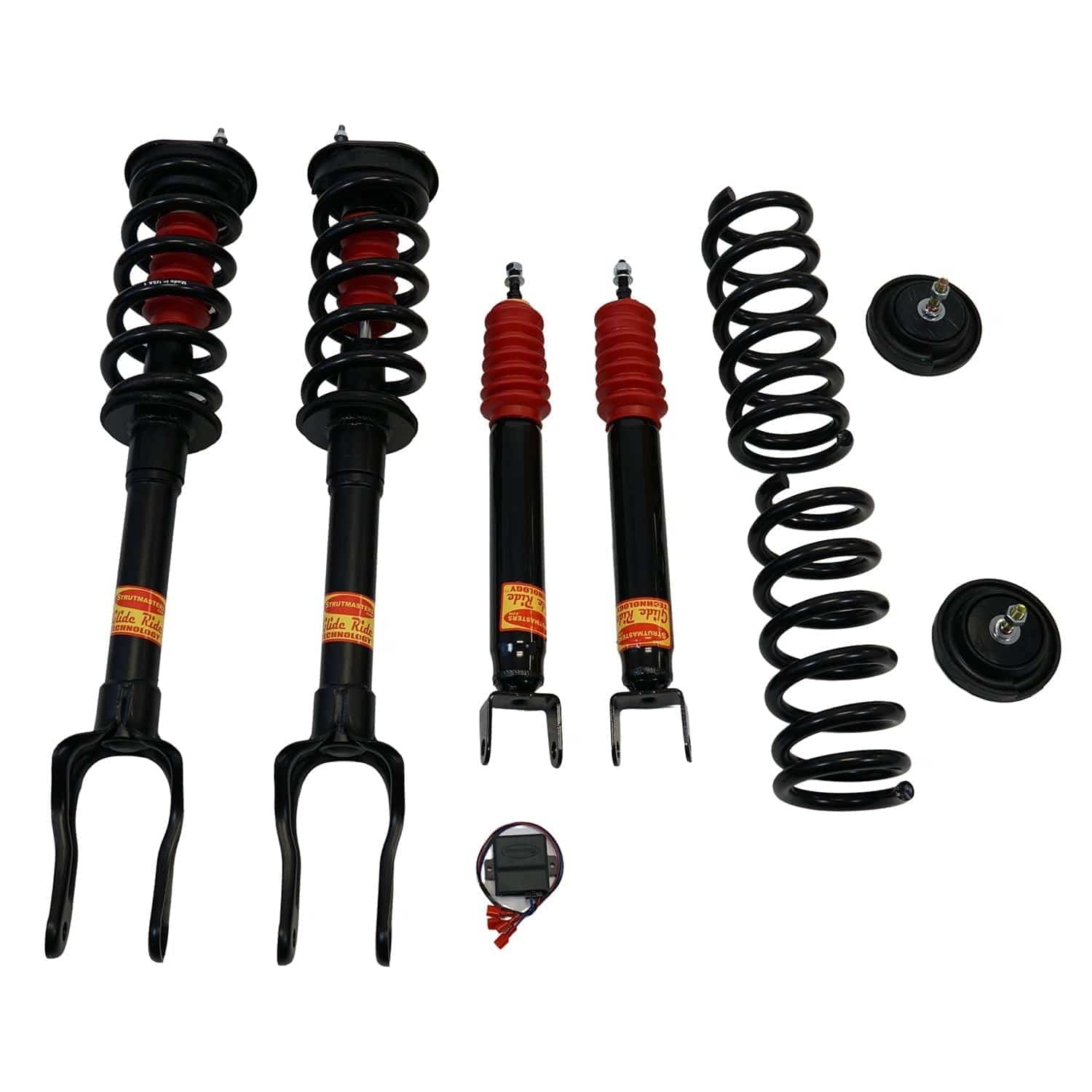
You have two main options: replace the faulty air parts or switch to a traditional coil spring setup. Here’s a comparison:
| Feature | Air Suspension | Coil Conversion |
|---|---|---|
| Ride Comfort | Excellent, adjustable | Good, but fixed height |
| Off-Road Capability | Superior (adjustable height) | Limited |
| Maintenance | Expensive, complex | Low, simple |
| Cost | High | Moderate |
| Longevity | 7-10 years avg. | 10+ years |
Most Grand Cherokee owners choose to keep the air suspension for best ride quality, but some switch to coils for lower costs and simplicity.
The Replacement Process Explained
Swapping out the air suspension is not a simple DIY project. Here’s what a typical replacement involves:
- Diagnosis: A mechanic scans the system for error codes and checks for leaks.
- Removing old parts: The air struts, compressor, and sensors are carefully taken out.
- Installing new parts: OEM or aftermarket air struts and a new compressor are fitted.
- System reset: The electronic control module may need reprogramming.
- Testing: The mechanic checks for correct operation, ride height, and no leaks.
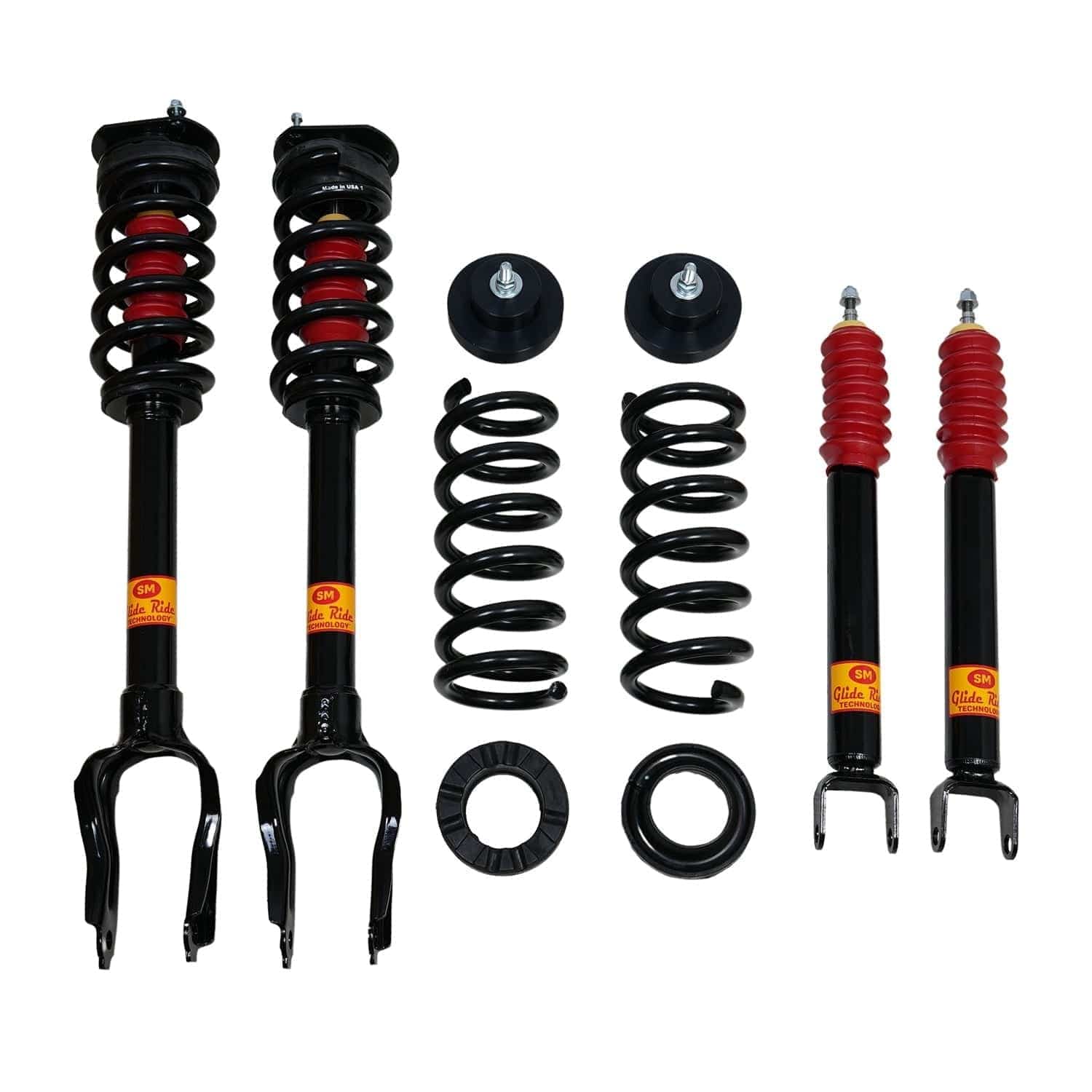
If switching to coils, the process skips the electronics, but you lose adjustable ride height. It’s important to confirm that all parts are compatible with your Grand Cherokee’s year and trim.
Cost Breakdown: Air Suspension Replacement
Prices can vary based on location, shop rates, and the parts you choose. Here’s a typical cost comparison:
| Component/Option | Estimated Cost (Parts + Labor) |
|---|---|
| 1 Air Strut (each) | $700 – $1,200 |
| Compressor | $400 – $800 |
| Full Air System (all corners + compressor) | $3,000 – $5,000 |
| Coil Spring Conversion Kit | $800 – $1,500 |
| Labor (per axle) | $300 – $500 |
*Prices are for reference and can change based on your region and model year. *
Choosing The Right Parts: Oem Vs Aftermarket
You can buy OEM (Original Equipment Manufacturer) parts or go for aftermarket brands. OEM parts match the original quality but cost more. Aftermarket parts can be cheaper and offer more choices, but quality varies. Make sure the parts are tested and come with a warranty.
One common mistake is mixing different brands or using low-quality parts, which can lead to more repairs. Always ask about the warranty and check reviews from other Grand Cherokee owners.
Practical Tips For Air Suspension Replacement
- Act early: Don’t wait if you see warning signs—failing air suspension can cause more damage.
- Request a full system check: Sometimes more than one part fails together.
- Keep the system clean: Dirt and moisture can damage air lines and valves. Ask your mechanic to check for leaks and corrosion.
- Reset the system: After replacement, ensure the control module is reset so the new parts work correctly.
- Keep receipts and warranty info: Some parts have limited coverage.
Many owners don’t realize the importance of regular maintenance. Changing the air filter and draining moisture from the compressor can extend system life. It’s also smart to inspect the suspension every 12 months if you drive off-road or in harsh conditions.
When To Visit A Specialist
While some general repair shops can replace air suspension parts, it’s best to choose a shop with experience in Jeep Grand Cherokee air suspension systems. These mechanics understand the electronics and can program the control module if needed. Ask if the shop uses dealer-level diagnostic tools.
Real-world Example
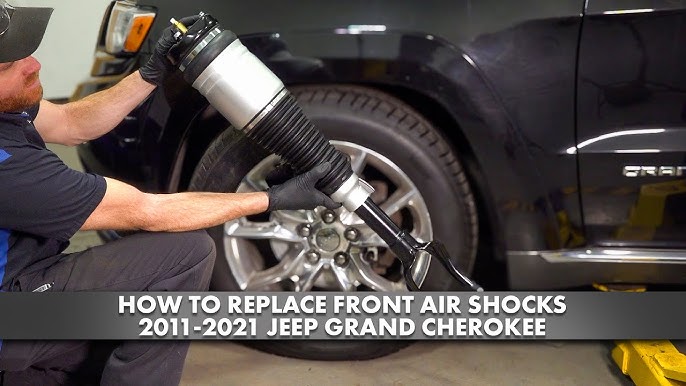
A 2015 Jeep Grand Cherokee Overland owner noticed the front end sagging after parking overnight. The shop found a leaking front air strut and a weak compressor. The owner chose OEM parts, spending about $2,800 for both repairs. After replacement and system reset, the ride returned to normal.
This example shows why early diagnosis and quality parts matter. Replacing only the failed part can sometimes lead to more repairs later, so a full inspection is wise.
Frequently Asked Questions
<!– wp:rank-math/faq-block {"questions":[{"id":"faq-question-476670e0d670","title":"How Long Does A Jeep Grand Cherokee Air Suspension Last?","content":"Most air suspension components last 7 to 10 years or about 70,000 to 100,000 miles, but this depends on driving habits and climate.
“,”visible”:true},{“id”:”faq-question-dbf5ab5b5340″,”title”:”Can I Drive With A Broken Air Suspension?”,”content”:”It’s risky. Driving with failed air suspension can damage tires, alignment, and other parts. Get repairs done as soon as possible.
“,”visible”:true},{“id”:”faq-question-cc08a1b8876e”,”title”:”Is Coil Conversion Better Than Air Suspension?”,”content”:”A coil conversion is cheaper and simpler but removes adjustable ride height and can reduce comfort. Air suspension offers better features if you can afford the upkeep.
“,”visible”:true},{“id”:”faq-question-7653b3c7fc7f”,”title”:”How Do I Know If My Compressor Or Air Strut Is Bad?”,”content”:”A failing compressor makes constant noise or runs all the time. A bad air strut causes the vehicle to sag, especially after parking. A scan tool can confirm the fault.
“,”visible”:true},{“id”:”faq-question-7ba3c785cd64″,”title”:”Where Can I Find More Information?”,”content”:”Visit the official Jeep Grand Cherokee page for specifications, recalls, and maintenance guides.
Replacing the Jeep Grand Cherokee air suspension can restore your SUV’s comfort and handling. By understanding the process, knowing your options, and acting early, you’ll enjoy a smoother, safer ride for years to come.
“,”visible”:true}]} –>How Long Does A Jeep Grand Cherokee Air Suspension Last?
Most air suspension components last 7 to 10 years or about 70,000 to 100,000 miles, but this depends on driving habits and climate.
Can I Drive With A Broken Air Suspension?
It’s risky. Driving with failed air suspension can damage tires, alignment, and other parts. Get repairs done as soon as possible.
Is Coil Conversion Better Than Air Suspension?
A coil conversion is cheaper and simpler but removes adjustable ride height and can reduce comfort. Air suspension offers better features if you can afford the upkeep.
How Do I Know If My Compressor Or Air Strut Is Bad?
A failing compressor makes constant noise or runs all the time. A bad air strut causes the vehicle to sag, especially after parking. A scan tool can confirm the fault.
Where Can I Find More Information?
Visit the official Jeep Grand Cherokee page for specifications, recalls, and maintenance guides.
Replacing the Jeep Grand Cherokee air suspension can restore your SUV’s comfort and handling. By understanding the process, knowing your options, and acting early, you’ll enjoy a smoother, safer ride for years to come.