Owning a Jeep Renegade means enjoying adventure, but it also brings maintenance tasks. One of the most important is replacing the radiator.
The radiator keeps your engine cool by moving heat away. If your radiator fails, your engine can overheat, which may cause serious damage.
Many owners wonder if they can do this job themselves or if they should leave it to a professional. In this guide, you’ll discover when and how to replace your Jeep Renegade radiator, the costs, and tips to do it right.
Signs Your Jeep Renegade Radiator Needs Replacement
A failing radiator shows warning signs before it quits. Watch for these signals:
- Coolant leaks under your SUV, usually bright green, yellow, or pink liquid.
- Overheating engine or rising temperature gauge.
- Low coolant levels even after topping up.
- Rust or corrosion visible on the radiator.
- Sweet smell from the engine compartment.
Ignoring these symptoms can lead to engine failure. Address radiator problems early to avoid expensive repairs.
Tools And Parts Needed
Before you start, gather the right tools and replacement parts:
- New radiator (OEM or high-quality aftermarket)
- Fresh coolant (as specified in your owner’s manual)
- Basic hand tools: Sockets, wrenches, screwdrivers
- Drain pan
- Pliers for hose clamps
- Safety gear: Gloves and eye protection
Optional but helpful: funnel, shop towels, and a torque wrench.
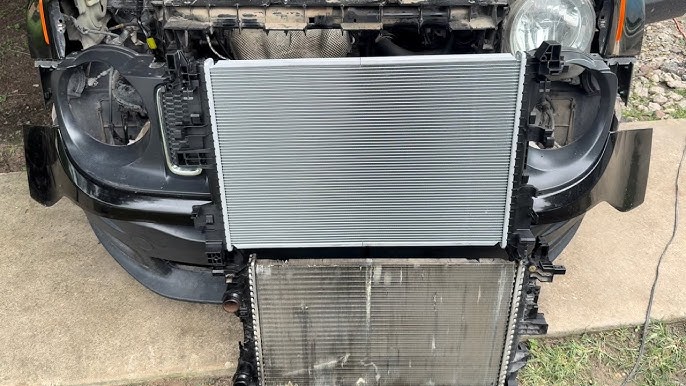
Step-by-step Radiator Replacement Guide
Replacing a radiator is a moderate DIY task. Allow at least 2-3 hours. If you’re not confident, ask for help or consult a mechanic.
- Let the engine cool completely. Never open a hot cooling system.
- Disconnect the battery to avoid electrical shorts.
- Drain the coolant. Place a drain pan under the radiator, open the drain plug, and let it empty.
- Remove the front grille and splash shield (if needed for access).
- Disconnect the radiator hoses (top and bottom) using pliers. Be ready for more coolant to spill.
- Unplug the fan connectors and any sensor wires.
- Remove mounting bolts holding the radiator in place.
- Lift the radiator out carefully, making sure not to damage the fan or AC condenser.
- Install the new radiator in reverse order. Be sure all connections are tight and secure.
- Reconnect hoses and wiring.
- Refill with coolant, using a funnel to prevent spills.
- Bleed the cooling system by running the engine with the radiator cap off until the thermostat opens and air bubbles escape.
- Check for leaks and monitor the temperature gauge during the first drive.
Common Mistakes To Avoid
- Mixing old and new coolant types (always flush and use only the recommended fluid).
- Not tightening hose clamps, which can cause leaks.
- Forgetting to bleed air from the cooling system, leading to overheating.
Cost Comparison: Diy Vs. Professional
The price of radiator replacement varies. Here’s a quick breakdown:
| Method | Parts Cost | Labor Cost | Total Estimate |
|---|---|---|---|
| DIY | $120 – $250 | $0 | $120 – $250 |
| Professional | $150 – $350 | $250 – $500 | $400 – $850 |
DIY saves money but needs skill and time. A shop offers warranty and expertise, but at a higher price.
Choosing The Right Radiator
Not all radiators are the same. Pay attention to:
- Material: Aluminum cores are common for better heat transfer.
- Fit: Buy a part made for your Jeep Renegade’s year and engine.
- Warranty: Prefer radiators with at least 1-year warranty.
- Brand reputation: Trusted brands often last longer.
Here’s a look at features you might compare:
| Feature | OEM Radiator | Aftermarket Radiator |
|---|---|---|
| Fit | Guaranteed | Varies |
| Warranty | 1-2 years | 0.5-3 years |
| Price | Higher | Lower |
For most drivers, OEM or well-reviewed aftermarket radiators are both good choices.
Tips For A Smooth Replacement
- Take photos during disassembly. This helps you reconnect everything correctly.
- Replace old hoses and clamps if they look worn. It’s easier now than later.
- Check the radiator cap. A weak cap can cause overheating.
- Dispose of old coolant safely—never pour it down the drain.
- Drive gently after replacement and keep an eye on the temperature gauge for a few days.
When To See A Mechanic
If you notice these problems after replacement, get professional help:
- Coolant keeps leaking
- Engine still overheats
- Warning lights stay on
- Strange noises after repair
Some radiator jobs are simple, but hidden problems (like a cracked head gasket) need expert tools.
Environmental And Safety Considerations
Coolant is toxic to pets and wildlife. Always clean spills right away, and store unused coolant safely. Recycle old coolant at an approved center. Gloves and eye protection help prevent injuries during the job.
Frequently Asked Questions
<!– wp:rank-math/faq-block {"questions":[{"id":"faq-question-fe2f89c38c43","title":"How Often Should I Replace The Radiator In My Jeep Renegade?","content":"Most radiators last 8-10 years or 100,000 miles, but leaks or overheating may mean earlier replacement. Regular maintenance extends lifespan.
“,”visible”:true},{“id”:”faq-question-e63b716df17c”,”title”:”Can I Drive My Jeep Renegade With A Leaking Radiator?”,”content”:”No. Driving with a leak can quickly lead to engine overheating and major damage. Stop and fix the problem as soon as possible.
“,”visible”:true},{“id”:”faq-question-08e8d22f1edc”,”title”:”What Type Of Coolant Should I Use After Radiator Replacement?”,”content”:”Use only the coolant type listed in your owner’s manual, usually an OAT (Organic Acid Technology) for Jeep Renegade models. Mixing types can cause system damage.
“,”visible”:true},{“id”:”faq-question-13b33b44767c”,”title”:”Do I Need To Replace The Thermostat When Changing The Radiator?”,”content”:”It’s smart to replace the thermostat if it’s old or if you’ve had temperature problems. The cost is low and it helps keep your cooling system reliable.
“,”visible”:true},{“id”:”faq-question-575ddb1aead6″,”title”:”Where Can I Find A Step-by-step Video Guide For Jeep Renegade Radiator Replacement?”,”content”:”You can find detailed video guides on YouTube that cover each step for Jeep Renegade models.
A healthy radiator keeps your Jeep Renegade running smoothly, whether you’re on city streets or mountain trails. With the right tools, patience, and these tips, you can tackle a radiator replacement and avoid costly breakdowns. If in doubt, don’t hesitate to call a professional—your engine’s health is worth it. For more on cooling system maintenance, check resources like the National Highway Traffic Safety Administration.
“,”visible”:true}]} –>How Often Should I Replace The Radiator In My Jeep Renegade?
Most radiators last 8-10 years or 100,000 miles, but leaks or overheating may mean earlier replacement. Regular maintenance extends lifespan.
Can I Drive My Jeep Renegade With A Leaking Radiator?
No. Driving with a leak can quickly lead to engine overheating and major damage. Stop and fix the problem as soon as possible.
What Type Of Coolant Should I Use After Radiator Replacement?
Use only the coolant type listed in your owner’s manual, usually an OAT (Organic Acid Technology) for Jeep Renegade models. Mixing types can cause system damage.
Do I Need To Replace The Thermostat When Changing The Radiator?
It’s smart to replace the thermostat if it’s old or if you’ve had temperature problems. The cost is low and it helps keep your cooling system reliable.
Where Can I Find A Step-by-step Video Guide For Jeep Renegade Radiator Replacement?
You can find detailed video guides on YouTube that cover each step for Jeep Renegade models.
A healthy radiator keeps your Jeep Renegade running smoothly, whether you’re on city streets or mountain trails. With the right tools, patience, and these tips, you can tackle a radiator replacement and avoid costly breakdowns. If in doubt, don’t hesitate to call a professional—your engine’s health is worth it. For more on cooling system maintenance, check resources like the National Highway Traffic Safety Administration.