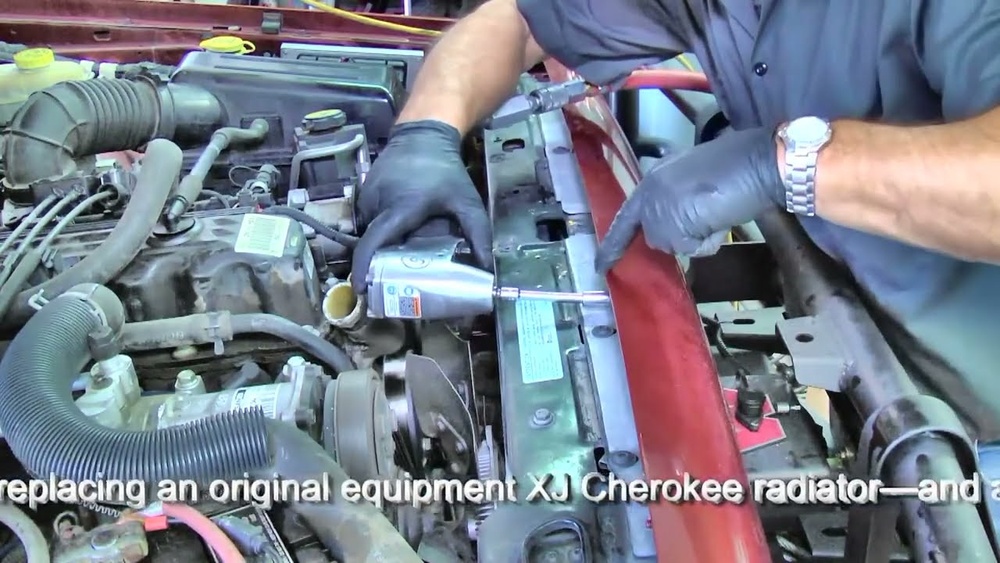
The serpentine belt plays a vital role in your Jeep Grand Cherokee’s engine. This single, continuous belt runs several important accessories, like the alternator, power steering pump, air conditioning compressor, and water pump.
If the serpentine belt fails, your vehicle can quickly overheat, lose power steering, or stop charging the battery. Understanding its routing and maintenance is essential for any Grand Cherokee owner, whether you plan to replace the belt yourself or just want to be informed.
What Is A Serpentine Belt?
A serpentine belt is a long, flexible rubber belt that winds through multiple pulleys in the engine bay. Unlike older cars that used several separate belts, modern engines like those in the Grand Cherokee use just one belt. This design saves space, reduces noise, and is easier to maintain.
Most Jeep Grand Cherokee models, especially from 1999 onward, use a serpentine belt system. The exact routing can vary based on your engine type—like the 3. 6L V6, 5. 7L V8 Hemi, or other options.
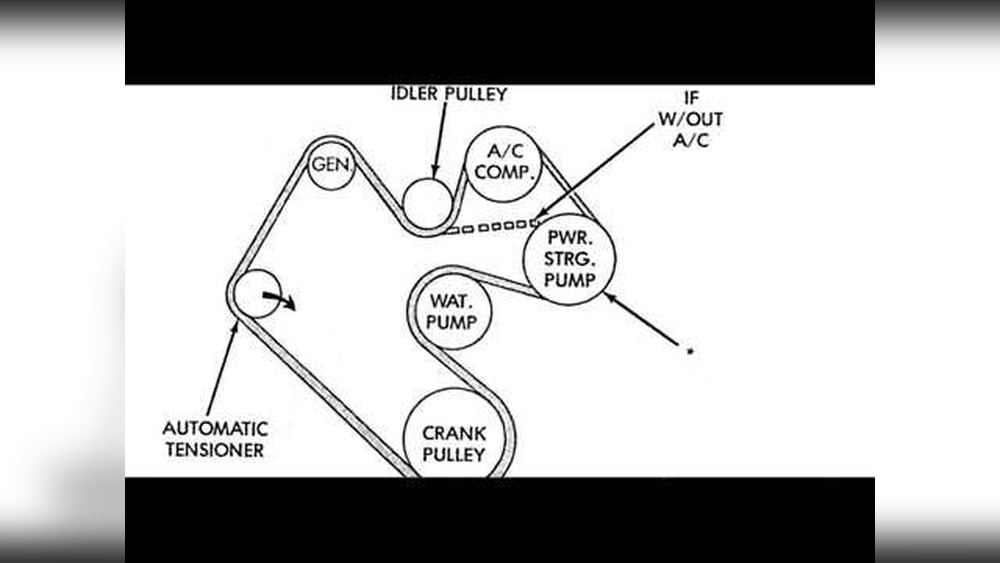
Jeep Grand Cherokee Serpentine Belt Diagram
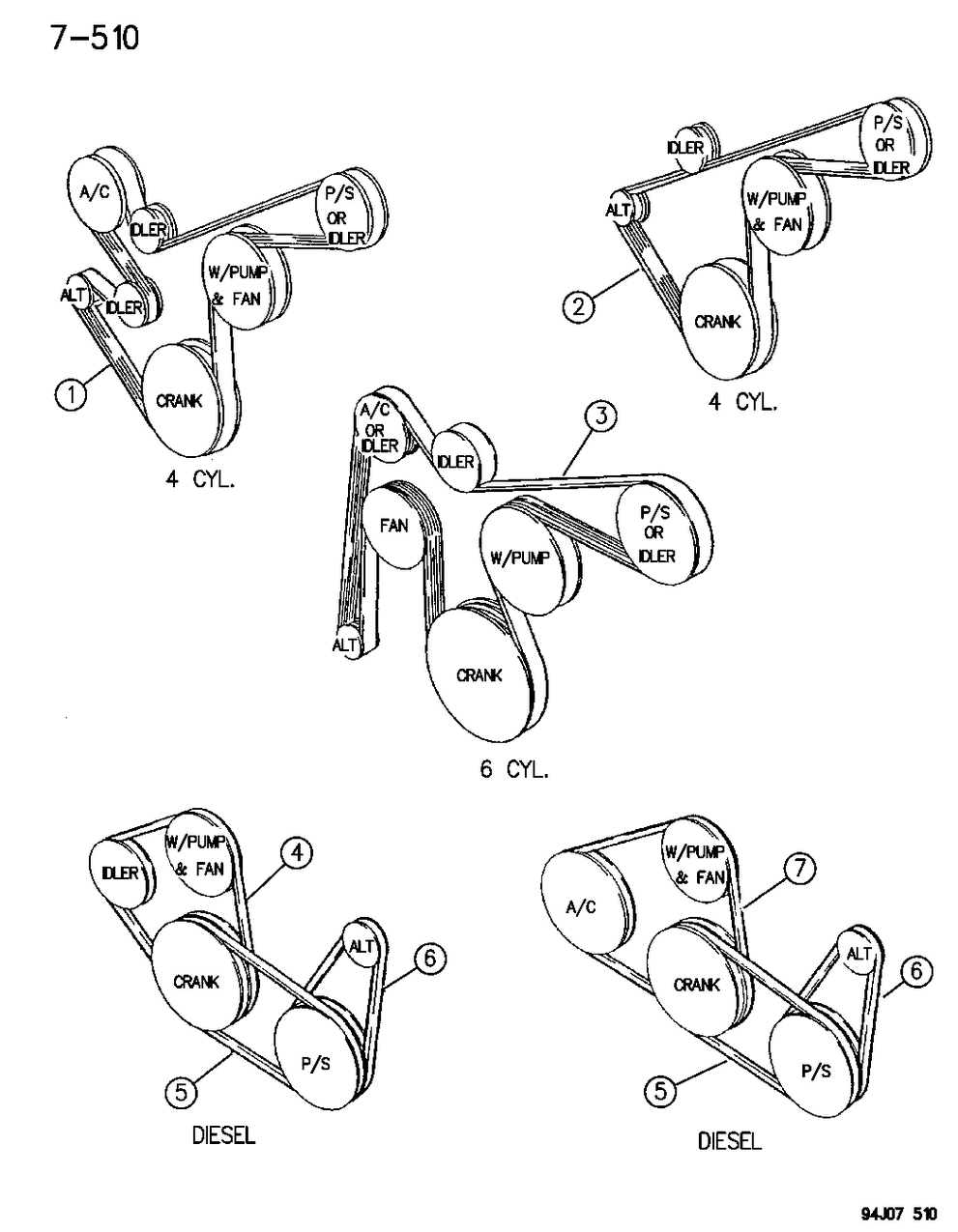
Understanding the belt path is crucial if you want to replace it or check its condition. Here’s a basic diagram for two common Grand Cherokee engines:
| Engine | Key Pulleys | Belt Path |
|---|---|---|
| 3.6L V6 | Crankshaft, Alternator, Power Steering, A/C, Idler, Tensioner | Crankshaft → Tensioner → Alternator → Idler → A/C → Power Steering → Back to Crankshaft |
| 5.7L V8 | Crankshaft, Alternator, Water Pump, A/C, Tensioner, Idler | Crankshaft → Water Pump → Idler → Alternator → Tensioner → A/C → Back to Crankshaft |
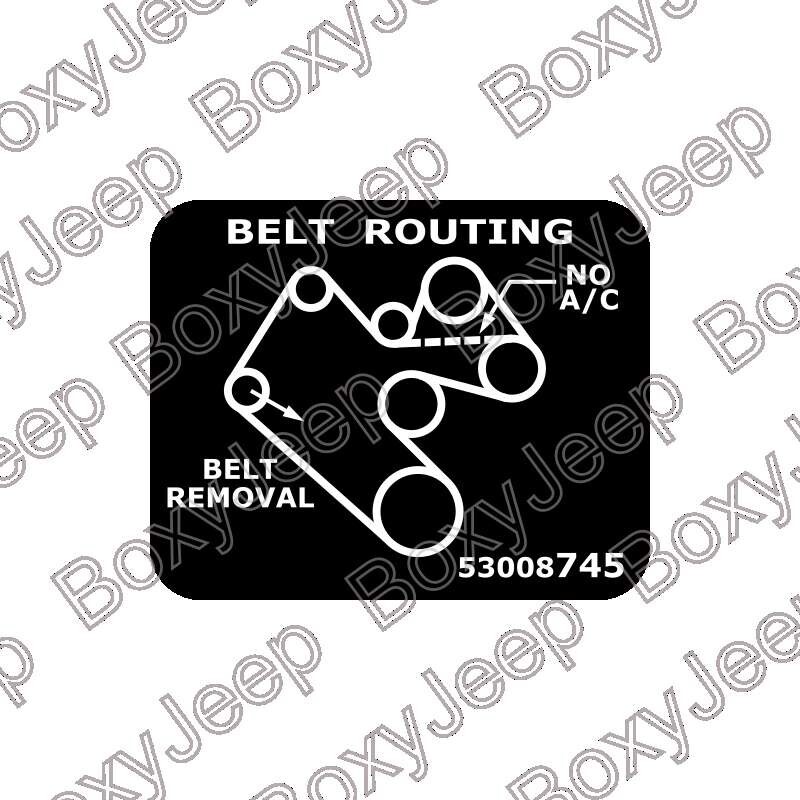
The routing diagram is usually on a sticker under the hood. If it’s missing, always check your owner’s manual or a trusted repair guide.
How To Replace The Serpentine Belt
Replacing the serpentine belt on a Jeep Grand Cherokee is a task many people can do with basic tools. Here’s a simple step-by-step process:
- Turn off the engine and let it cool.
- Locate the belt routing diagram—this helps you install the new belt correctly.
- Use a wrench or serpentine belt tool on the tensioner pulley to relieve tension.
- Slide the old belt off the pulleys.
- Compare the old belt with the new one—length and width should match.
- Route the new belt according to the diagram. Make sure it sits in all pulley grooves.
- Release the tensioner slowly to tighten the belt.
- Double-check that the belt is seated properly on every pulley.
- Start the engine and listen for any unusual noises.
Most people can finish this job in 30–60 minutes.
Common Signs Of Serpentine Belt Problems
Watch for these signs that may indicate your Jeep Grand Cherokee’s belt needs attention:
- Squealing noise from the engine area, especially at startup
- Power steering feels heavy or unresponsive
- Air conditioning stops working
- Battery warning light turns on
- Visible cracks, splits, or glazing on the belt
A broken serpentine belt can leave you stranded. It’s smart to check its condition at every oil change or at least once a year.
Jeep Grand Cherokee Serpentine Belt Specs By Model Year
Different engine sizes and years use different belt lengths and configurations. Here’s a quick comparison of some popular models:
| Year/Engine | Belt Length (inches) | Number of Ribs |
|---|---|---|
| 2011–2020 3.6L V6 | 94.5–95.0 | 6 |
| 2005–2010 5.7L V8 Hemi | 88.1–89.0 | 6 |
| 1999–2004 4.7L V8 | 92.5–93.0 | 6 |
Always double-check your specific engine and year before buying a new belt.
Tips For A Successful Belt Replacement
- Take a photo of the belt routing before removing the old belt. This helps if you lose track during installation.
- Always replace the tensioner if it feels weak or noisy. A bad tensioner can ruin a new belt quickly.
- Avoid touching the belt with oily hands—oil and grease shorten belt life.
Many beginners forget to check all pulleys for smooth rotation. A stuck pulley will cause even a new belt to fail. Also, never use belt dressing sprays on modern serpentine belts—they often make problems worse.
When To Replace The Serpentine Belt
Most manufacturers recommend changing the serpentine belt every 60,000 to 100,000 miles, but check your owner’s manual for your Jeep’s schedule. If you see any cracks, missing chunks, or shiny spots, replace the belt even if you haven’t reached the mileage limit.
Unexpected belt failure is dangerous, especially on long trips or in extreme weather. Consider carrying a spare belt and the needed tools in your Jeep, especially if you drive in remote areas.
Where To Find A Reliable Diagram
If your under-hood sticker is missing, you can find accurate diagrams on:
- The official Jeep website
- Trusted auto parts retailers
- Jeep Grand Cherokee forums or repair guides
A good visual diagram will show each pulley’s position and the exact path for the belt. You can also refer to Chrysler’s official owner site for downloadable manuals and diagrams.
Frequently Asked Questions
<!– wp:rank-math/faq-block {"questions":[{"id":"faq-question-f2096be11a31","title":"What Happens If I Install The Serpentine Belt Incorrectly?","content":"If the belt is routed the wrong way, some accessories will not work, or the belt may slip off. This can cause quick overheating, no battery charging, or loss of power steering.
“,”visible”:true},{“id”:”faq-question-d3c6214084c8″,”title”:”How Tight Should The Serpentine Belt Be?”,”content”:”The belt should have firm tension but not be overly tight. The automatic tensioner sets the correct tension—if the belt feels loose, the tensioner may need replacing.
“,”visible”:true},{“id”:”faq-question-735f2ec06ce6″,”title”:”Can I Drive My Jeep If The Serpentine Belt Breaks?”,”content”:”No. Without the serpentine belt, your engine will quickly overheat, you’ll lose power steering, and the battery will not charge. Stop driving immediately and replace the belt.
“,”visible”:true},{“id”:”faq-question-c515ce89ee4a”,”title”:”How Much Does It Cost To Replace The Serpentine Belt On A Grand Cherokee?”,”content”:”Parts typically cost $25–$50. If you pay a mechanic, labor can add $75–$150 more, depending on location and engine type.
“,”visible”:true},{“id”:”faq-question-0d098f38dd77″,”title”:”Is It Safe To Use A Universal Serpentine Belt?”,”content”:”Always use a belt that matches your Jeep’s exact length and rib count. A universal belt may not fit correctly and could cause damage or fail early.
Understanding your Jeep Grand Cherokee’s serpentine belt diagram and maintenance needs can save you from unexpected breakdowns and expensive repairs. With a little preparation, you’ll have peace of mind knowing your vehicle’s most important belt is in top shape.
“,”visible”:true}]} –>What Happens If I Install The Serpentine Belt Incorrectly?
If the belt is routed the wrong way, some accessories will not work, or the belt may slip off. This can cause quick overheating, no battery charging, or loss of power steering.
How Tight Should The Serpentine Belt Be?
The belt should have firm tension but not be overly tight. The automatic tensioner sets the correct tension—if the belt feels loose, the tensioner may need replacing.
Can I Drive My Jeep If The Serpentine Belt Breaks?
No. Without the serpentine belt, your engine will quickly overheat, you’ll lose power steering, and the battery will not charge. Stop driving immediately and replace the belt.
How Much Does It Cost To Replace The Serpentine Belt On A Grand Cherokee?
Parts typically cost $25–$50. If you pay a mechanic, labor can add $75–$150 more, depending on location and engine type.
Is It Safe To Use A Universal Serpentine Belt?
Always use a belt that matches your Jeep’s exact length and rib count. A universal belt may not fit correctly and could cause damage or fail early.
Understanding your Jeep Grand Cherokee’s serpentine belt diagram and maintenance needs can save you from unexpected breakdowns and expensive repairs. With a little preparation, you’ll have peace of mind knowing your vehicle’s most important belt is in top shape.