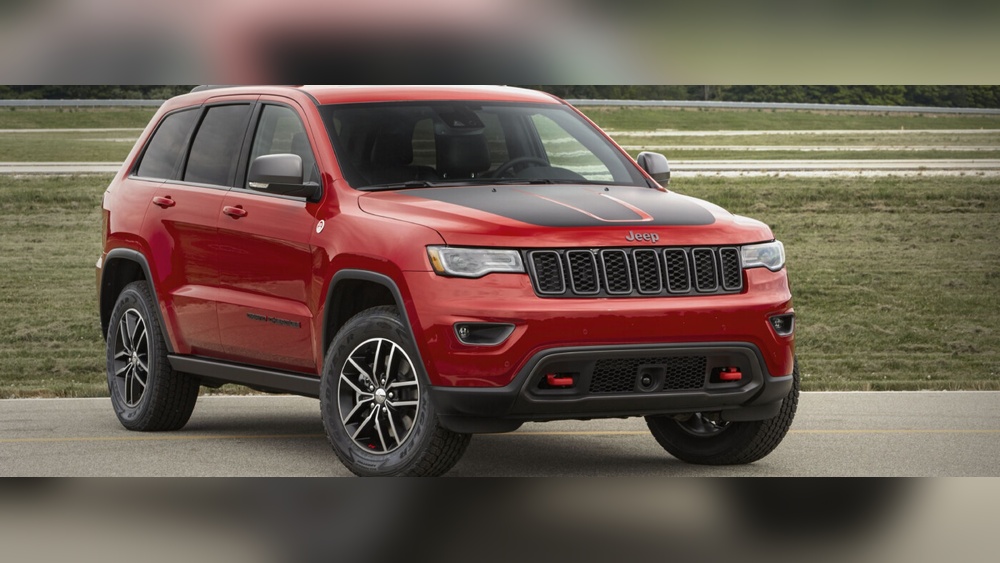
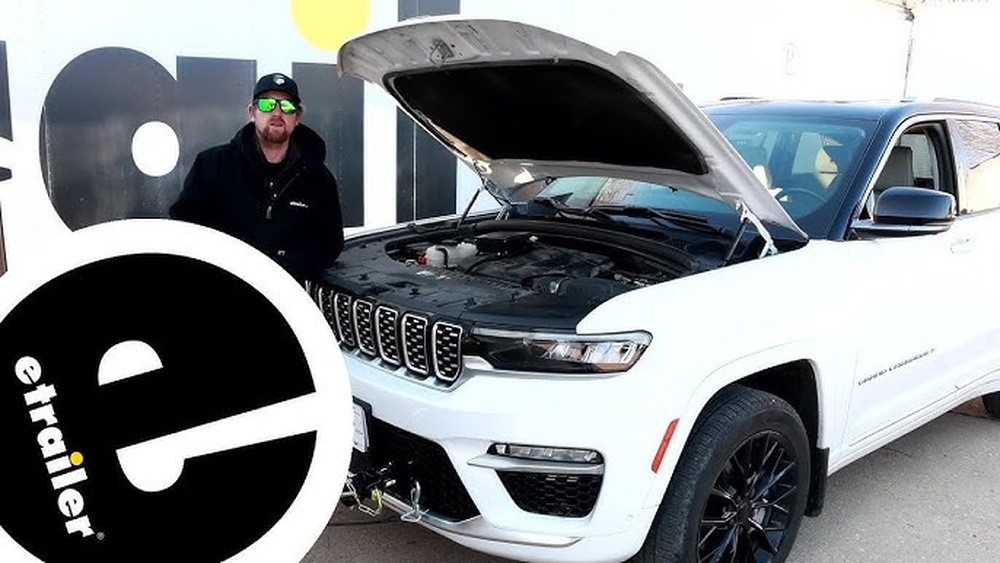
Owning a Jeep Grand Cherokee is about more than just driving—it's about enjoying adventure, comfort, and power. But to keep your Grand Cherokee running smoothly, scheduled maintenance is essential.
Regular care not only improves safety and performance but also protects your investment for the long term. Many owners, especially first-timers, underestimate how much easier life gets with a proactive maintenance plan.
It’s not just about avoiding breakdowns; it’s about enjoying every drive with peace of mind. Let’s explore what you need to know to keep your Jeep Grand Cherokee in top condition.
Why Scheduled Maintenance Matters
Skipping maintenance may save time today, but it can cost you much more in repairs later. The Grand Cherokee is a complex vehicle, combining rugged off-road abilities with advanced technology. Each system—engine, brakes, transmission—needs attention at specific intervals. Following the Jeep maintenance schedule helps:
- Prevent breakdowns and expensive repairs
- Extend the vehicle’s lifespan
- Maintain resale value
- Ensure safety for you and your passengers
Surprisingly, even experienced owners sometimes overlook simple tasks like changing fluids or checking tire pressure, both of which can cause bigger issues if ignored. For example, not replacing engine oil on time can lead to engine sludge, which reduces performance and may require major repairs.
Similarly, low tire pressure not only reduces fuel efficiency but also increases the risk of a blowout—especially dangerous on highways or remote trails.
Sticking with a maintenance routine also means you’re less likely to be stranded in inconvenient places. A well-maintained Jeep is more reliable whether you’re navigating city streets or heading off-road. Plus, a complete service history helps when you want to sell or trade your vehicle, as buyers see regular maintenance as a sign of a well-cared-for SUV.
Key Maintenance Intervals For Jeep Grand Cherokee
Jeep provides a clear guide for maintenance, but real-world driving—like towing, city stop-and-go, or off-roading—can require more frequent service. Here’s what to focus on:
| Interval | Main Tasks |
|---|---|
| Every 7,500 miles | Oil & filter change, tire rotation, fluid check |
| Every 15,000 miles | Brake inspection, cabin & engine air filter change |
| Every 30,000 miles | Transmission fluid check, spark plug replacement |
| Every 60,000 miles | Coolant replacement, transfer case fluid check |
Tip: Your owner’s manual lists exact intervals for your model year and engine type. If you have a diesel or hybrid Grand Cherokee, some intervals may differ, so always check your manual or ask your dealer.
Busy owners sometimes forget that heavy use—like frequent towing, mountain driving, or dusty conditions—means you should stick to the “severe use” schedule, which is more frequent. For example, after a long off-road trip, it’s smart to check the underbody and suspension for damage or mud buildup.
What’s Included In Scheduled Maintenance
Oil And Filter Changes
Fresh oil keeps your engine lubricated and running efficiently. For most Grand Cherokees, every 7,500 miles is standard, but driving in dusty or extreme conditions may require shorter intervals. Old oil loses its ability to protect the engine, leading to increased wear and possible overheating.
If you often drive in stop-and-go traffic, consider changing oil every 5,000 miles instead.
Tire Care
Rotating tires every 7,500 miles promotes even wear. Always check air pressure and tread depth—uneven tires can affect fuel economy and handling. Remember, under-inflated tires can wear out faster and cause the vehicle to pull to one side. If you notice vibration while driving, it could mean your tires are out of balance or alignment, which should be checked by a professional.
Brake System
Brakes are inspected at least every 15,000 miles. Pads, rotors, and fluid need regular attention, especially if you notice squeaking or reduced stopping power. Brake fluid absorbs moisture over time, which can lower braking performance. If you drive in hilly areas or tow frequently, have your brakes checked more often, as these situations cause extra wear.
Fluids And Filters
The engine air filter and cabin air filter should be replaced every 15,000 miles. Transmission fluid, transfer case fluid, and coolant are checked or replaced at 30,000–60,000 miles, depending on your model. Clean filters help your engine “breathe” and keep the cabin air fresh. Low or dirty fluids can cause shifting problems or overheating, so don’t delay these checks.
Spark Plugs
For gasoline engines, spark plugs are replaced every 30,000 miles. This keeps starting smooth and fuel efficiency high. Worn spark plugs can lead to misfiring, rough idling, and trouble accelerating. If you notice your engine running rough or your fuel economy dropping, ask your mechanic to check the spark plugs even before the scheduled interval.
| Component | Service Interval |
|---|---|
| Engine Oil & Filter | 7,500 miles |
| Cabin Air Filter | 15,000 miles |
| Spark Plugs | 30,000 miles |
| Coolant | 60,000 miles |
What Most Owners Miss
- Battery Checks – Batteries often fail without warning, especially in hot or cold climates. Test voltage regularly and clean any corrosion on the terminals. Also, check that the battery is secure, as vibration can shorten its life. If your Jeep’s electronics act strangely or start slowly, check the battery first.
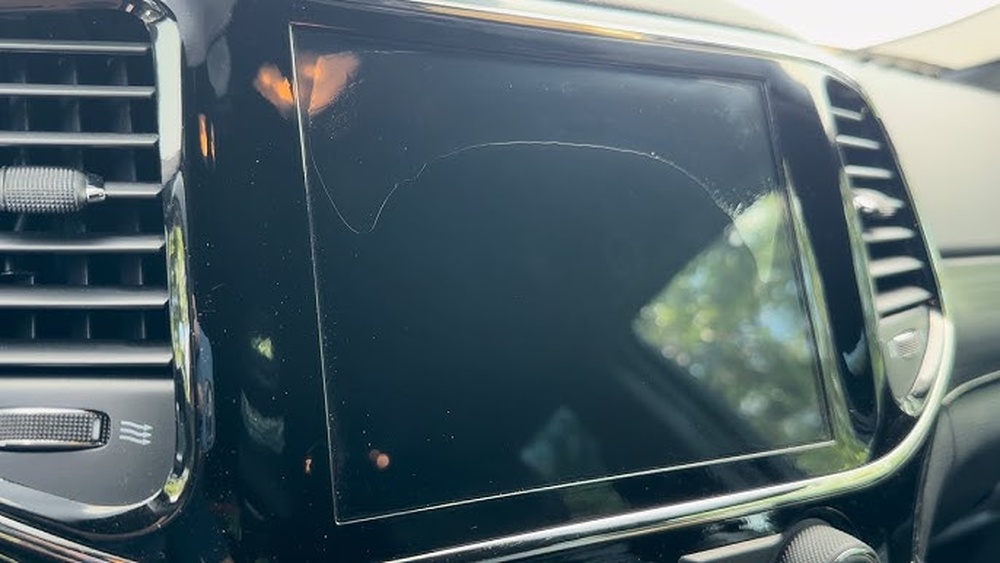
- Software Updates – Modern Grand Cherokees have advanced infotainment and safety systems. Check for software updates at the dealer to fix bugs and improve features. Updates may add new apps, navigation maps, or fix recalls. Don’t ignore update notifications—they can prevent headaches later.
Ignoring these points can lead to sudden breakdowns or loss of important features. Many owners only learn this after facing an unexpected issue. For example, a missed software update might cause Bluetooth or navigation to stop working, or a weak battery could leave you stranded in a parking lot.
Cost Of Scheduled Maintenance
Maintenance costs can vary by location and model year. Here’s a comparison:
| Service | Average Cost |
|---|---|
| Oil & Filter Change | $60–$120 |
| Brake Pad Replacement | $150–$300 |
| Spark Plugs | $100–$200 |
| Coolant Flush | $120–$180 |
Pro tip: Some dealerships offer prepaid maintenance plans, which can save money if you plan to keep your Jeep for several years.
Prices at independent shops may be lower, but always make sure they use quality parts and follow Jeep guidelines. Skimping on service might cost less now, but can lead to bigger expenses if something goes wrong. Also, ask about multi-point inspections—they often come free with other services and can catch problems early.
Tips For Staying On Track
- Set reminders for each interval using your phone or a calendar app.
- Keep all service receipts for warranty and resale value.
- If you drive off-road or tow heavy loads often, tell your service advisor—they can suggest more frequent checks.
Many owners forget about maintenance during busy periods. A small investment of time now prevents costly repairs and downtime later. It also helps to keep a simple notebook in your glove box to log dates and mileage for each service.
If you buy a used Grand Cherokee, ask the previous owner for their service records—this gives you a clear picture of past care and helps you plan future maintenance.
Another smart habit is to look for warning lights or unusual sounds and address them quickly. Don’t wait for a small problem to become a major one. Your Jeep’s dashboard is full of useful alerts—pay attention to them, even if the vehicle seems fine.
Frequently Asked Questions
<!– wp:rank-math/faq-block {"questions":[{"id":"faq-question-b8b42c622287","title":"How Often Should I Change The Oil In My Jeep Grand Cherokee?","content":"Most models need an oil change every 7,500 miles or every 12 months, whichever comes first. If you drive in harsh conditions, change it more often. Synthetic oil, which is recommended for many newer models, may last longer but check your manual to be sure.
“,”visible”:true},{“id”:”faq-question-17e645e4e40b”,”title”:”Do I Have To Go To A Jeep Dealer For Maintenance?”,”content”:”No, you can use any certified mechanic. However, dealers use genuine Jeep parts and have up-to-date training on your model. This can be important for complex repairs or warranty work. For basic services, a trusted local garage is fine—just save your receipts.
“,”visible”:true},{“id”:”faq-question-81821f1cc776″,”title”:”What Happens If I Skip Scheduled Maintenance?”,”content”:”Skipping maintenance can cause engine damage, poor fuel economy, and may void your warranty. It also lowers the vehicle’s resale value. Some skipped checks, like a missed brake fluid replacement, might not cause issues right away but can create big problems over time.
“,”visible”:true},{“id”:”faq-question-4546b1cd1f85″,”title”:”Does My Maintenance Schedule Change If I Tow Or Off-road?”,”content”:”Yes. Towing, off-roading, or frequent short trips mean you should service your Jeep more often. Check your owner’s manual for details. For example, dusty trails clog filters faster, and towing puts extra stress on the transmission and brakes.
“,”visible”:true},{“id”:”faq-question-727957f864d7″,”title”:”Where Can I Find My Jeep Grand Cherokee’s Maintenance Schedule?”,”content”:”The most accurate schedule is in your owner’s manual or on the official Jeep website. For more information, see the Jeep Maintenance Schedules page.
Taking care of your Jeep Grand Cherokee with scheduled maintenance is the best way to enjoy worry-free driving year after year. With a little planning, you’ll keep your adventure machine ready for whatever the road—or trail—brings. And remember, staying ahead on maintenance not only protects your vehicle, but also brings you confidence every time you start your engine.
“,”visible”:true}]} –>How Often Should I Change The Oil In My Jeep Grand Cherokee?
Most models need an oil change every 7,500 miles or every 12 months, whichever comes first. If you drive in harsh conditions, change it more often. Synthetic oil, which is recommended for many newer models, may last longer but check your manual to be sure.
Do I Have To Go To A Jeep Dealer For Maintenance?
No, you can use any certified mechanic. However, dealers use genuine Jeep parts and have up-to-date training on your model. This can be important for complex repairs or warranty work. For basic services, a trusted local garage is fine—just save your receipts.
What Happens If I Skip Scheduled Maintenance?
Skipping maintenance can cause engine damage, poor fuel economy, and may void your warranty. It also lowers the vehicle’s resale value. Some skipped checks, like a missed brake fluid replacement, might not cause issues right away but can create big problems over time.
Does My Maintenance Schedule Change If I Tow Or Off-road?
Yes. Towing, off-roading, or frequent short trips mean you should service your Jeep more often. Check your owner’s manual for details. For example, dusty trails clog filters faster, and towing puts extra stress on the transmission and brakes.
Where Can I Find My Jeep Grand Cherokee’s Maintenance Schedule?
The most accurate schedule is in your owner’s manual or on the official Jeep website. For more information, see the Jeep Maintenance Schedules page.
Taking care of your Jeep Grand Cherokee with scheduled maintenance is the best way to enjoy worry-free driving year after year. With a little planning, you’ll keep your adventure machine ready for whatever the road—or trail—brings. And remember, staying ahead on maintenance not only protects your vehicle, but also brings you confidence every time you start your engine.