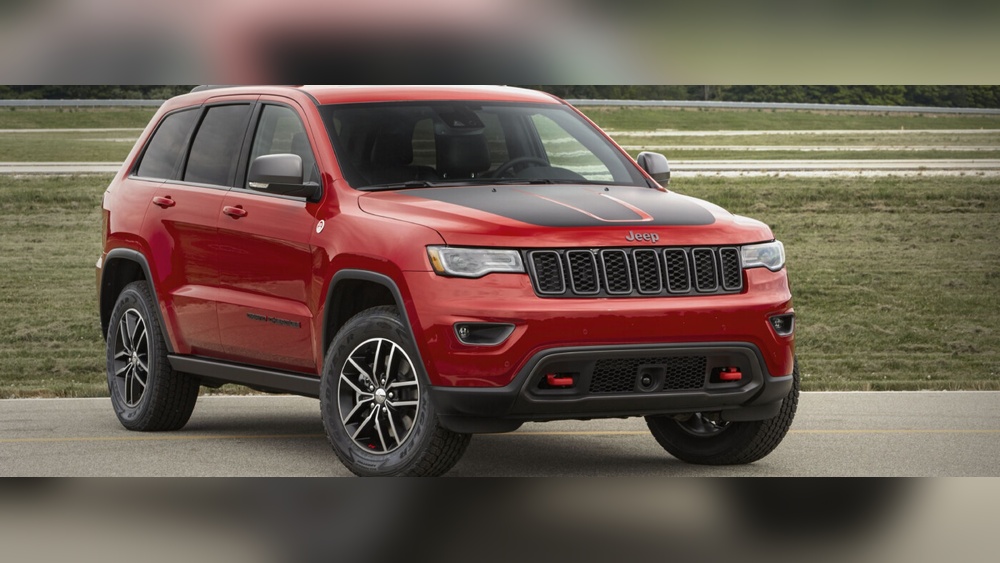
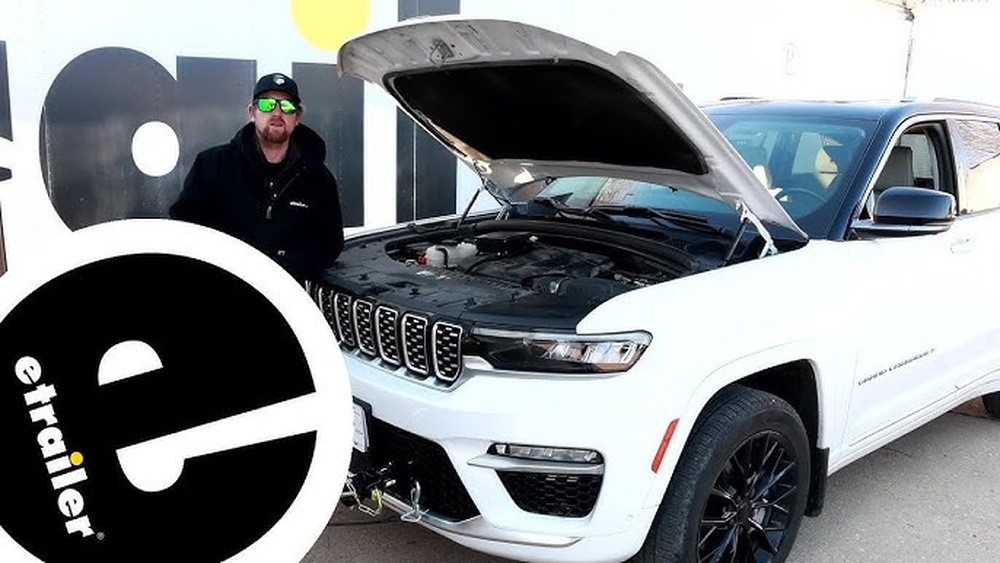
If your Jeep Cherokee is overheating or you notice coolant leaks, it might be time for a radiator replacement. The radiator is crucial for keeping your engine cool.
A faulty radiator can lead to expensive engine damage. This guide explains how to replace your Jeep Cherokee radiator, what to expect, and tips to make the process smoother.
Even if you’re not a car expert, these steps are easy to follow.
Signs You Need A New Radiator
Understanding the symptoms helps you act before bigger problems occur:
- Coolant leaking: Notice puddles under your Jeep? It’s likely coolant escaping from the radiator.
- Engine overheating: If your temperature gauge climbs, the radiator may not be working.
- Rust or corrosion: Check for rusty spots or flakes on the radiator. These weaken its structure.
- Low coolant levels: Constantly topping up coolant means there’s a leak somewhere.
- Sludge in coolant: If the coolant looks thick or dirty, the radiator may be contaminated.
Ignoring these signs can lead to costly repairs, like replacing the head gasket or even the engine.
Radiator Replacement: What You’ll Need
Preparation makes this job easier and safer. Gather these tools and parts:
- New radiator (compatible with your Jeep Cherokee model)
- Coolant (usually 2-3 gallons)
- Basic tools: Screwdrivers, socket set, pliers
- Drain pan
- New radiator hoses (optional but recommended)
- Hose clamps
- Gloves and safety glasses
Always check your Jeep’s manual for specifics. Some models may require extra steps or tools.
Step-by-step Replacement Process
Replacing the radiator on a Jeep Cherokee is manageable if you follow these steps:
1. Let The Engine Cool
Never work on a hot engine. Wait at least an hour after driving. Coolant can cause burns.
2. Drain Old Coolant
- Place a drain pan under the radiator.
- Open the radiator drain valve or remove the lower hose.
- Allow all coolant to drain.
Dispose of old coolant safely; it’s toxic to pets and people.
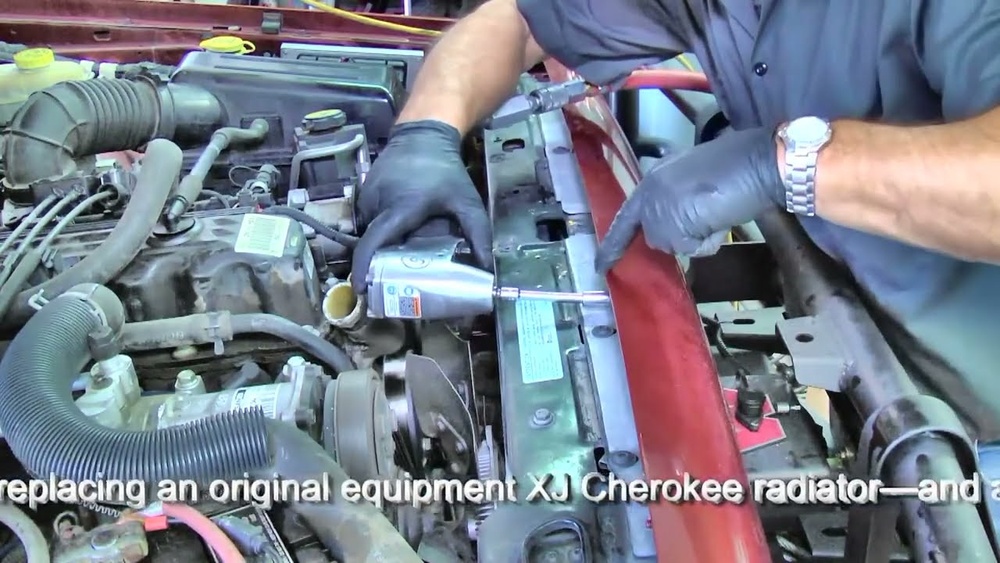
3. Remove Old Radiator
- Disconnect the radiator hoses (top and bottom).
- Unplug the electrical connectors for the fans.
- Remove the fan shroud if needed.
- Unscrew radiator mounting bolts.
- Carefully lift out the old radiator.
4. Install New Radiator
- Place the new radiator in the same position.
- Reattach hoses and clamps securely.
- Plug in the fan connectors.
- Bolt the radiator in place.
5. Refill Coolant
- Pour new coolant slowly into the radiator.
- Fill until you reach the recommended level.
6. Bleed The System
Air in the cooling system causes overheating. Start the engine and let it run with the radiator cap off. Watch for bubbles and add coolant if needed.
7. Check For Leaks
- Inspect hose connections.
- Look for drips around the new radiator.
8. Test Drive
Drive for 10–15 minutes. Monitor the temperature gauge and check for leaks again.
Comparing Radiator Types
Choosing the right radiator matters. Here’s a quick comparison:
| Type | Material | Durability | Price Range |
|---|---|---|---|
| OEM | Aluminum/Plastic | High | $180–$300 |
| Aftermarket | Aluminum | Medium-High | $120–$250 |
| Performance | Full Aluminum | Very High | $350–$600 |
OEM radiators are best for standard driving. Performance radiators are stronger and handle heat better, but cost more.
Jeep Cherokee Radiator Replacement Cost Breakdown
Here’s what you might spend on parts and labor:
| Item | DIY Cost | Shop Cost |
|---|---|---|
| Radiator | $120–$350 | $180–$600 |
| Coolant | $30–$60 | $30–$60 |
| Labor | $0 | $200–$350 |
| Total | $150–$410 | $410–$1,010 |
Doing the job yourself saves money, but make sure you’re comfortable with the process.
Practical Tips For A Smooth Replacement
- Always use quality coolant that matches your Jeep’s requirements.
- Replace hoses and clamps if they look worn or cracked.
- Take photos before you disconnect anything. This helps during reassembly.
- Keep your workspace clean to avoid losing small parts.
- Double-check connections and bolts before starting the engine.
Many beginners forget to bleed the system properly, causing overheating even after a new radiator is installed. Another common mistake is not tightening hose clamps enough, leading to leaks.
Long-term Benefits
A new radiator improves cooling, prevents engine damage, and boosts reliability. You’ll notice smoother performance, especially in hot weather or heavy traffic. With regular maintenance, the radiator can last 7–10 years.
For more detailed Jeep maintenance tips, visit Jeep Official Service.
Frequently Asked Questions
<!– wp:rank-math/faq-block {"questions":[{"id":"faq-question-c9ff243ea545","title":"How Long Does It Take To Replace A Jeep Cherokee Radiator?","content":"Most people finish the job in 2–4 hours. If you’re new to car repairs, allow extra time. A mechanic can complete it faster, usually within 1–2 hours.
“,”visible”:true},{“id”:”faq-question-e22a1562481e”,”title”:”Can I Drive With A Leaking Radiator?”,”content”:”It’s risky. Driving with a leaking radiator can cause engine overheating and severe damage. If you notice leaks, fix or replace the radiator before driving again.
“,”visible”:true},{“id”:”faq-question-456b0ebdbec2″,”title”:”What Coolant Should I Use For A Jeep Cherokee?”,”content”:”Use Mopar HOAT coolant (Hybrid Organic Acid Technology) for most newer Jeep Cherokees. Check your owner’s manual to confirm the correct type.
“,”visible”:true},{“id”:”faq-question-ef0d743f877d”,”title”:”Is It Necessary To Replace Radiator Hoses?”,”content”:”If hoses are cracked, swollen, or over 5 years old, replace them during radiator installation. Old hoses can burst and cause leaks, so it’s wise to change them together.
“,”visible”:true},{“id”:”faq-question-c8c0f1e29678″,”title”:”How Can I Prevent Radiator Problems?”,”content”:”Regularly check coolant levels, inspect for leaks, and flush the cooling system every 2–3 years. Keeping the radiator clean and using the right coolant prevents most issues.
Replacing your Jeep Cherokee radiator isn’t hard, and it saves money in the long run. With careful steps and attention to detail, your Jeep will stay cool and reliable for years.
“,”visible”:true}]} –>How Long Does It Take To Replace A Jeep Cherokee Radiator?
Most people finish the job in 2–4 hours. If you’re new to car repairs, allow extra time. A mechanic can complete it faster, usually within 1–2 hours.
Can I Drive With A Leaking Radiator?
It’s risky. Driving with a leaking radiator can cause engine overheating and severe damage. If you notice leaks, fix or replace the radiator before driving again.
What Coolant Should I Use For A Jeep Cherokee?
Use Mopar HOAT coolant (Hybrid Organic Acid Technology) for most newer Jeep Cherokees. Check your owner’s manual to confirm the correct type.
Is It Necessary To Replace Radiator Hoses?
If hoses are cracked, swollen, or over 5 years old, replace them during radiator installation. Old hoses can burst and cause leaks, so it’s wise to change them together.
How Can I Prevent Radiator Problems?
Regularly check coolant levels, inspect for leaks, and flush the cooling system every 2–3 years. Keeping the radiator clean and using the right coolant prevents most issues.
Replacing your Jeep Cherokee radiator isn’t hard, and it saves money in the long run. With careful steps and attention to detail, your Jeep will stay cool and reliable for years.