Every Jeep Cherokee owner knows that engine temperature matters. If your engine overheats, repairs can be expensive.
The coolant system is the heart of temperature control, and understanding the coolant hose diagram can make a real difference. Whether you’re replacing a hose or troubleshooting leaks, a clear look at coolant flow helps you keep your Cherokee running strong.
How Coolant Flow Works In A Jeep Cherokee
The coolant system moves fluid through the engine, radiator, and heater core to control temperature. When you start your Jeep, the coolant stays inside the engine block until it gets warm. Then, the thermostat opens, and coolant flows through the radiator, cooling down before returning to the engine. This cycle repeats as you drive.
Key parts of the coolant flow include:
- Radiator – Cools hot coolant from the engine.
- Water pump – Moves coolant through the system.
- Thermostat – Controls when coolant flows to the radiator.
- Heater core – Uses hot coolant to warm cabin air.
Let’s break down how hoses connect these parts.
Main Hoses In The Jeep Cherokee Coolant System
The Jeep Cherokee uses several coolant hoses to direct fluid. The most important ones are:
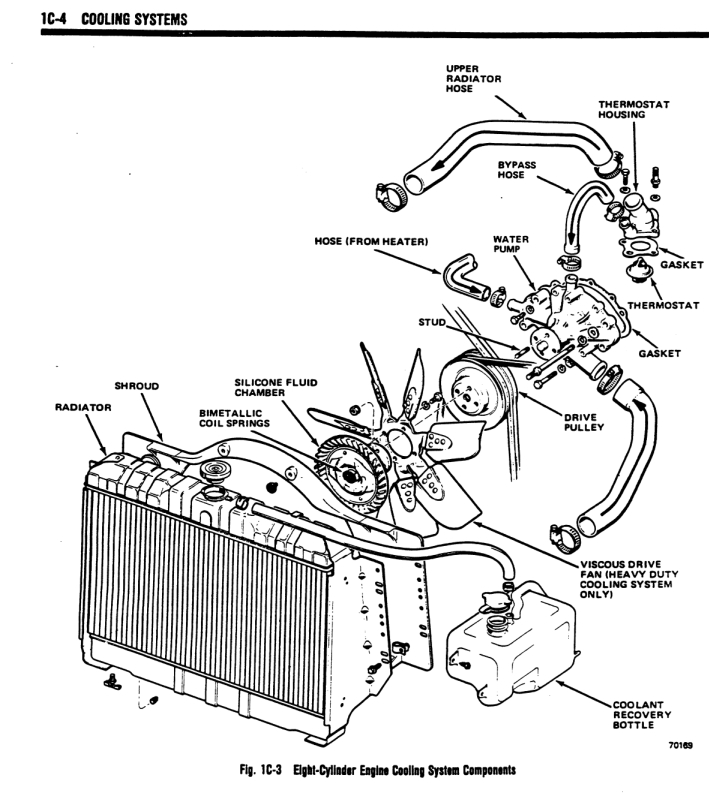
- Upper radiator hose: Connects the top of the radiator to the engine’s thermostat housing.
- Lower radiator hose: Runs from the bottom of the radiator to the water pump.
- Heater hoses: Two smaller hoses run from the engine to the heater core, usually at the firewall.
- Bypass hose: Some models have a hose letting coolant move inside the engine when the thermostat is closed.
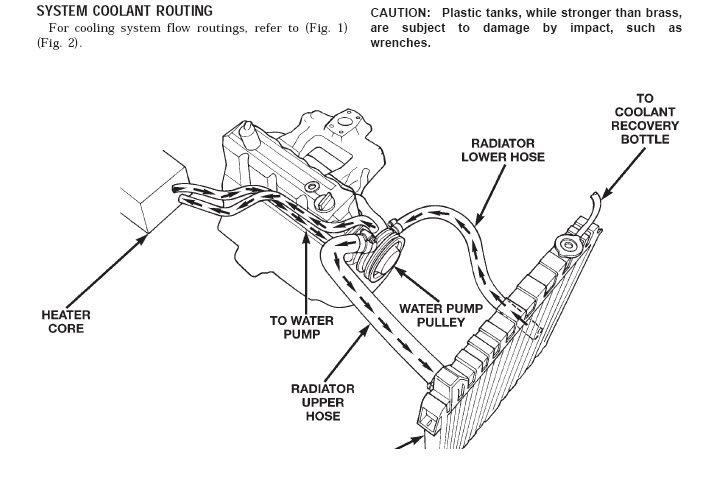
Here’s a simple diagram to help you visualize the hose layout:
| Hose Name | Connects | Function |
|---|---|---|
| Upper radiator hose | Radiator top to thermostat housing | Carries hot coolant from engine to radiator |
| Lower radiator hose | Radiator bottom to water pump | Returns cooled coolant to engine |
| Heater supply hose | Engine to heater core | Delivers hot coolant for cabin heat |
| Heater return hose | Heater core to engine | Returns coolant from heater to system |
| Bypass hose | Engine block to water pump | Allows flow with closed thermostat |
Understanding The Coolant Hose Diagram
If you look at a typical Jeep Cherokee coolant hose diagram, you’ll see hoses arranged in a loop. The upper radiator hose leaves the engine, the lower radiator hose brings cooled fluid back, and two heater hoses loop to the firewall.
Most diagrams use arrows to show the direction of flow. Knowing which way coolant moves helps you spot issues faster. For example, a collapsed lower hose can block return flow, causing overheating.
Here’s a simplified overview:
| From | To | Flow Direction |
|---|---|---|
| Engine (thermostat housing) | Radiator (top) | Hot coolant out |
| Radiator (bottom) | Water pump | Cooled coolant in |
| Engine | Heater core | Hot coolant for heat |
| Heater core | Engine | Coolant return |
Common Problems With Coolant Hoses
Over time, hoses wear out. Look for:
- Cracks or splits: These can cause leaks and engine overheating.
- Bulging: Often a sign of internal failure.
- Soft spots: Hoses should feel firm, not squishy.
- Coolant leaks: Drips under the vehicle may indicate a bad hose or loose clamp.
Ignoring these signs can lead to engine damage. A leaking hose might seem minor, but a sudden burst can leave you stranded.
How To Replace A Jeep Cherokee Coolant Hose
Changing a coolant hose is simple with the right steps:
- Let the engine cool completely. Hot coolant can cause burns.
- Drain coolant into a clean container by opening the radiator drain plug.
- Remove hose clamps with a screwdriver or pliers.
- Twist and pull off the old hose. If stuck, gently cut the hose lengthwise.
- Clean the fittings where the new hose will attach.
- Install the new hose and secure with fresh clamps.
- Refill the cooling system with the right mix of coolant and water (usually 50/50).
- Bleed air from the system by running the engine with the radiator cap off until warm.
Tip: Always replace both the upper and lower radiator hoses if one fails. They age at the same rate.
Choosing The Right Replacement Hose
Not all hoses are equal. Consider:
- Hose material: Silicone hoses last longer but cost more. Standard rubber works for most drivers.
- Fit and shape: Use hoses made for your Jeep Cherokee’s year and engine size.
- Brand reputation: Cheap hoses may fail early, costing you more in repairs.
Here’s a quick comparison:
| Type | Durability | Cost | Best For |
|---|---|---|---|
| Standard rubber | 3-5 years | Low | Daily driving |
| Silicone | 7-10 years | High | Off-road, high heat |
Insight: Many beginners overlook the importance of using new clamps. Old clamps can rust and fail, causing leaks even with a new hose.
Extra Tips For Coolant System Care
- Check coolant level often, especially after hose replacement.
- Use the correct coolant type—mixing types can damage your engine.
- Replace the thermostat and radiator cap if you notice frequent overheating.
- Flush your cooling system every 2 years to remove sludge.
Non-obvious tip: Air pockets trapped during refilling can cause overheating. Squeeze the hoses gently while filling to help remove air.
When To Seek A Professional
Sometimes, a coolant issue is more complex. If you see coolant mixing with oil, or constant overheating, it may be a head gasket or radiator problem. In these cases, a certified mechanic should diagnose the issue. For more technical details, check the Jeep Cherokee XJ Wikipedia page.
A clear understanding of your Jeep Cherokee’s coolant hose diagram saves time, money, and stress. With basic tools and attention to detail, most hose issues are easy to fix at home.
Frequently Asked Questions
<!– wp:rank-math/faq-block {"questions":[{"id":"faq-question-89f99130dca0","title":"What Is The Main Function Of The Coolant Hoses?","content":"Coolant hoses move fluid between the engine, radiator, and heater core, keeping the engine at a safe temperature.
“,”visible”:true},{“id”:”faq-question-f7c3885b805c”,”title”:”How Often Should I Replace My Coolant Hoses?”,”content”:”Most hoses last 4–5 years. Inspect them every oil change and replace if you see cracks, leaks, or bulges.
“,”visible”:true},{“id”:”faq-question-9598d3ef1137″,”title”:”Can I Use Universal Hoses For My Jeep Cherokee?”,”content”:”Universal hoses can fit, but it’s best to use model-specific hoses for the right shape and fit, reducing risk of leaks.
“,”visible”:true},{“id”:”faq-question-7b778c786b10″,”title”:”What Type Of Coolant Should I Use?”,”content”:”Check your owner’s manual. Most Cherokees use HOAT (Hybrid Organic Acid Technology) coolant, but always confirm for your model year.
“,”visible”:true},{“id”:”faq-question-766c60338b9e”,”title”:”Why Does My New Hose Still Leak?”,”content”:”Leaking after hose replacement often means a loose clamp, dirty fittings, or a missed crack in a connecting part. Double-check all connections.
With the right knowledge and tools, caring for your Jeep Cherokee’s cooling system becomes straightforward. Stay proactive to keep your engine cool and your adventures worry-free.
“,”visible”:true}]} –>What Is The Main Function Of The Coolant Hoses?
Coolant hoses move fluid between the engine, radiator, and heater core, keeping the engine at a safe temperature.
How Often Should I Replace My Coolant Hoses?
Most hoses last 4–5 years. Inspect them every oil change and replace if you see cracks, leaks, or bulges.
Can I Use Universal Hoses For My Jeep Cherokee?
Universal hoses can fit, but it’s best to use model-specific hoses for the right shape and fit, reducing risk of leaks.
What Type Of Coolant Should I Use?
Check your owner’s manual. Most Cherokees use HOAT (Hybrid Organic Acid Technology) coolant, but always confirm for your model year.
Why Does My New Hose Still Leak?
Leaking after hose replacement often means a loose clamp, dirty fittings, or a missed crack in a connecting part. Double-check all connections.
With the right knowledge and tools, caring for your Jeep Cherokee’s cooling system becomes straightforward. Stay proactive to keep your engine cool and your adventures worry-free.