Changing the rear differential fluid in your Jeep Cherokee might sound technical, but it’s a simple job that can help your SUV last longer. If you hear a whining noise from the back, or you just want to keep your Jeep healthy, this maintenance step matters.
Let’s look at why it’s important, how to do it right, and what many owners get wrong.
Why Rear Differential Fluid Change Matters
The differential is what lets your wheels turn at different speeds, especially when you go around corners. Inside, there are gears and bearings that move with every mile. The fluid inside keeps these parts cool and lubricated.
Over time, the fluid gets dirty or breaks down. If you ignore it, the gears can wear out or even fail.
Repairs can cost thousands of dollars—much more than a simple fluid change.
For most Jeep Cherokees, the rear differential fluid should be changed every 30,000 to 60,000 miles, or as your owner’s manual suggests. Driving in tough conditions like towing, off-roading, or extreme weather? You may need to change it more often.
Tools And Materials Needed
Before you start, you’ll need a few things:
- Socket wrench set
- Fluid pump or squeeze bottle
- Catch pan for old fluid
- New rear differential fluid (check your manual for the right type)
- Gasket scraper or razor blade (if you remove the cover)
- Cleaning rags
- Replacement gasket or RTV sealant (if needed)
- Torque wrench
Don’t forget safety: use gloves and eye protection. Always work on a cool vehicle.
Step-by-step Rear Differential Fluid Change
Follow these steps for a safe and complete fluid change.
1. Lift And Secure Your Jeep
Park on a level surface and use jack stands if you need extra clearance. Always block the wheels.
2. Locate The Differential Cover
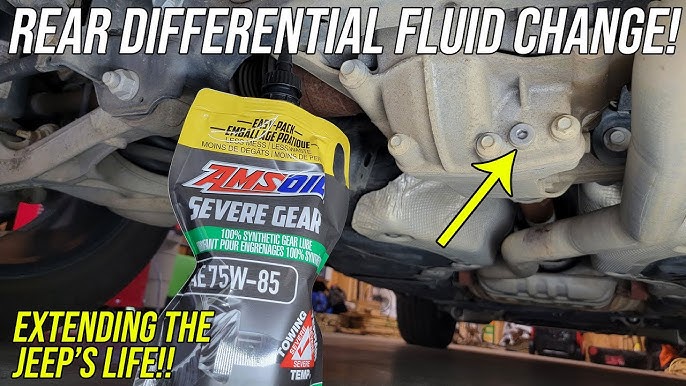
The rear differential is a metal housing at the center of your rear axle.
3. Remove The Fill Plug First
Use your socket wrench to loosen the fill plug at the top or side of the differential. This step is important—if you can’t remove this plug, don’t drain the fluid!
4. Drain The Old Fluid
Place your catch pan under the differential. Remove the drain plug (if there is one), or take off the bolts on the cover to let the fluid drain out.
5. Clean The Surface
If you removed the cover, scrape off old gasket material. Wipe the inside of the cover clean.
6. Replace The Gasket Or Sealant
Put on a new gasket or apply RTV sealant as needed. Reinstall the cover and torque the bolts to spec.
7. Add New Fluid
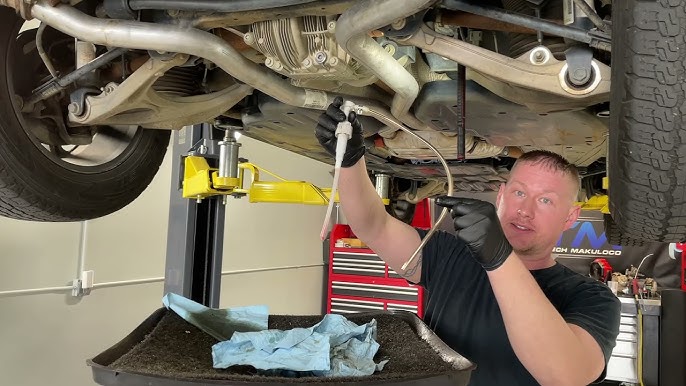
Use a fluid pump or bottle to fill the differential through the fill hole. Add fluid until it just begins to seep out. This means it’s full.
8. Reinstall The Fill Plug
Tighten the fill plug securely. Wipe away any drips.
9. Check For Leaks
Lower your Jeep. After a short drive, inspect the differential for leaks.
Example: Fluid Capacity And Types
Here’s a look at common fluid specs for recent Jeep Cherokees:
| Model Year | Fluid Capacity (Approx.) | Recommended Fluid Type |
|---|---|---|
| 2015-2026 | 1.0 – 1.3 quarts | 75W-85 or 75W-90 synthetic gear oil |
| 2014 and older | 1.3 – 1.5 quarts | 75W-140 synthetic gear oil |
Always check your owner’s manual for the exact type and amount.
Common Mistakes And How To Avoid Them
Many Jeep owners make small errors that can lead to big problems. Here’s what to watch for:
- Not removing the fill plug first. If you drain the oil and can’t open the fill plug, you’re stuck.
- Using the wrong fluid. The wrong oil can damage your gears or cause noise.
- Overfilling or underfilling. Both can lead to leaks or overheating.
- Forgetting to torque bolts. Too loose and fluid leaks out; too tight and you can strip threads.
Here’s a quick comparison of common DIY mistakes:
| Mistake | Possible Result |
|---|---|
| Wrong fluid type | Gear wear, noise, overheating |
| Did not clean gasket surface | Leaks, contamination |
| Forgot to check for leaks | Loss of fluid, damage over time |
How Often Should You Change The Fluid?
Most people only think about their differential when something goes wrong. But regular fluid changes can add years to your Jeep’s lifespan.
- Normal driving: Every 30,000–60,000 miles
- Severe use (towing, off-roading): Every 15,000–30,000 miles
If you see metal shavings in the old fluid or notice a burnt smell, change it sooner.
How To Choose The Right Fluid
Not all gear oils are the same. Look for the right viscosity (like 75W-90) and whether your Jeep needs a limited-slip additive. Some fluids already include this; others don’t.
Here’s a quick look at when you might need an additive:
| Differential Type | Needs Limited-Slip Additive? |
|---|---|
| Standard (Open) Differential | No |
| Limited-Slip Differential | Yes |
| Locking Differential | Check manual |
If you’re not sure, your local Jeep dealer or a trusted mechanic can help.

Two Non-obvious Tips Most Miss
- Warm up your Jeep before draining the fluid. Warm oil drains faster and carries out more debris.
- Check your axle vent for blockages. A clogged vent can cause pressure to build up, forcing oil past seals and causing leaks.
Final Thoughts
Changing your Jeep Cherokee rear differential fluid isn’t just for mechanics. With a few tools and some patience, most owners can do it in under an hour. You’ll save money, prevent costly repairs, and keep your Jeep running smoothly for years.
If you want more technical details or torque specs, the official Jeep Maintenance Site is a trusted source.
Frequently Asked Questions
<!– wp:rank-math/faq-block {"questions":[{"id":"faq-question-f1a51082fc9b","title":"How Do I Know If My Rear Differential Fluid Needs Changing?","content":"If you hear grinding or whining from the rear, see fluid leaking, or smell burning oil, it’s time to check the fluid. Regular maintenance is best, even if you don’t see signs.
“,”visible”:true},{“id”:”faq-question-0adc45b45dab”,”title”:”Can I Use Regular Gear Oil In My Jeep Cherokee’s Differential?”,”content”:”No. Always use the fluid type specified in your manual.
Some differentials need special additives or synthetic oil.
“,”visible”:true},{“id”:”faq-question-a8b1f9d44bdd”,”title”:”What Happens If I Overfill The Differential?”,”content”:”Too much fluid can cause foaming, leaks, or overheating. Always fill to the recommended level—when it just begins to seep from the fill hole.
“,”visible”:true},{“id”:”faq-question-a4a92c191007″,”title”:”Do I Need To Replace The Gasket Every Time?”,”content”:”If the gasket is damaged, replace it. Many people use RTV sealant instead, but it must be applied correctly to avoid leaks.
“,”visible”:true},{“id”:”faq-question-08cc4fd76dec”,”title”:”Is It Safe To Drive If My Differential Fluid Is Low?”,”content”:”Driving with low fluid can quickly damage gears and bearings. If you suspect a leak, fix it and refill the fluid as soon as possible.
“,”visible”:true}]} –>How Do I Know If My Rear Differential Fluid Needs Changing?
If you hear grinding or whining from the rear, see fluid leaking, or smell burning oil, it’s time to check the fluid. Regular maintenance is best, even if you don’t see signs.
Can I Use Regular Gear Oil In My Jeep Cherokee’s Differential?
No. Always use the fluid type specified in your manual.
Some differentials need special additives or synthetic oil.
What Happens If I Overfill The Differential?
Too much fluid can cause foaming, leaks, or overheating. Always fill to the recommended level—when it just begins to seep from the fill hole.
Do I Need To Replace The Gasket Every Time?
If the gasket is damaged, replace it. Many people use RTV sealant instead, but it must be applied correctly to avoid leaks.
Is It Safe To Drive If My Differential Fluid Is Low?
Driving with low fluid can quickly damage gears and bearings. If you suspect a leak, fix it and refill the fluid as soon as possible.