Changing the differential fluid in your Jeep Grand Cherokee is a crucial part of maintaining smooth handling, better traction, and long-term durability. Many owners overlook this task, but neglect can lead to costly repairs.
Whether you drive a Grand Cherokee for daily commuting or off-road adventures, clean differential fluid keeps your SUV running reliably. This guide will help you understand when and how to change the fluid, what materials you’ll need, and give practical tips that most beginners miss.
Why Differential Fluid Matters
The differential is a set of gears that lets your wheels turn at different speeds, especially during cornering. Fluid inside keeps these gears lubricated and cool. Over time, fluid breaks down, collects debris, and loses its ability to protect. If you skip regular changes, you risk gear wear, noisy operation, and even full differential failure.
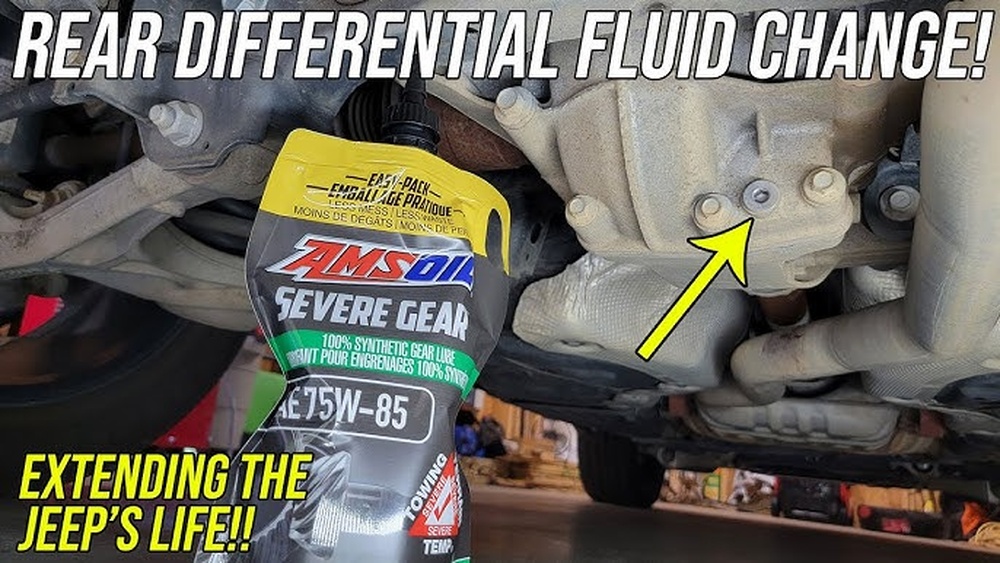
Jeep Grand Cherokee models from 2011 onward (WK2 generation) use modern differentials, but older models like the WJ (1999-2004) and WK (2005-2010) still benefit from regular fluid swaps. Most Jeep manuals recommend changing the fluid every 30,000 to 50,000 miles, depending on driving style and conditions.
Common Signs Fluid Needs Changing
- Grinding noises from the rear or front axle
- Difficulty turning or vibrations
- Visible leaks near the differential housing
- Burning smell after driving
These signals mean fluid is old or contaminated. Don’t wait for them—follow the maintenance schedule.
What You Need For A Fluid Change
You’ll need some basic tools and supplies. Here’s a quick checklist:
- Socket wrench set
- Drain pan
- New differential fluid (usually 75W-140 synthetic for most Grand Cherokees)
- New gasket or RTV sealant
- Pump for filling fluid
- Shop towels
- Safety gloves
- Torque wrench (optional but recommended)
Exact fluid type and quantity varies by year and model. Always check your owner’s manual or consult a dealer.
Typical Fluid Quantities
| Model Year | Rear Diff Fluid (qt) | Front Diff Fluid (qt) |
|---|---|---|
| 2011-2026 WK2 | 2.3 | 1.3 |
| 2005-2010 WK | 2.5 | 1.5 |
| 1999-2004 WJ | 2.0 | 1.2 |
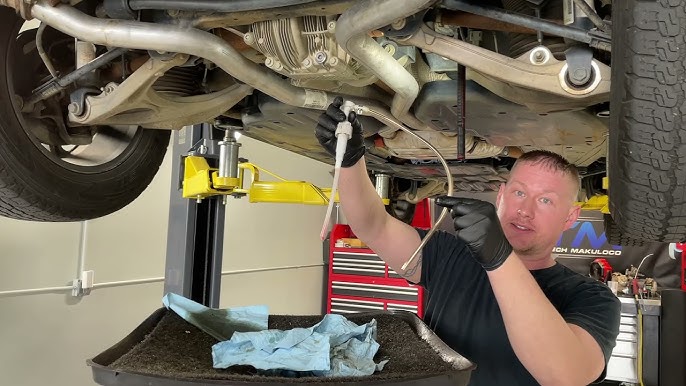
Step-by-step Guide: Changing Jeep Grand Cherokee Differential Fluid
Changing the fluid is easier than many expect. With patience and care, even beginners can do it.
1. Prepare Your Jeep
- Park on a level surface
- Engage the parking brake
- If possible, use jack stands to lift the wheels
- Put on safety gloves
2. Locate The Differential
Find the differential housing under the vehicle. Most Grand Cherokees have a rear and front differential; focus on one at a time.
3. Remove The Cover
- Place the drain pan underneath
- Use a socket wrench to loosen bolts
- Carefully pry the cover—fluid will drain out
- Remove old gasket or clean sealing surface
4. Inspect The Gears
Check for metal shavings or dark, sludgy fluid. A few tiny shavings are normal, but chunks or heavy metal means possible damage.
5. Install New Gasket
If your model uses a gasket, replace it. For RTV sealant, apply a thin, even bead and let it set for a few minutes.
6. Reattach Cover And Fill Fluid
- Bolt the cover back on, tightening to manufacturer specs
- Use a pump to add new fluid through the fill hole until it reaches the bottom edge
- Clean any spills
7. Test Drive And Check
Drive for about 10 minutes. Check for leaks or strange noises. Recheck fluid level after the drive.
Quick Comparison: Diy Vs Professional Service
| Factor | DIY Change | Shop Service |
|---|---|---|
| Cost | $40-80 (fluid, gasket, tools) | $120-250 (labor + parts) |
| Time | 1-2 hours | 30-60 min |
| Skill Needed | Basic mechanical | None |
| Quality Control | Personal attention | Professional expertise |
Practical Tips Most Beginners Miss
- Always use the recommended fluid type; mixing brands or viscosities can damage gears.
- Clean the fill and drain holes to avoid dirt entering the system.
- Don’t overtighten bolts. Stripped threads lead to leaks.
- Mark the fluid level before draining. This helps confirm the new fill is correct.
- If you see foamy fluid, it means water entered the system—get it checked professionally.

How Often Should You Change Differential Fluid?
For most Grand Cherokee owners, change the fluid every 30,000 to 50,000 miles. If you tow heavy loads, drive in mud or water, or take frequent off-road trips, change every 20,000 miles. Many shops report that neglected fluid is a leading cause of early differential failure, especially in areas with extreme heat or cold.
Yearly Fluid Maintenance Comparison
| Maintenance Task | Frequency | Cost (Average) |
|---|---|---|
| Oil Change | Every 5,000 miles | $40-75 |
| Transmission Fluid | Every 60,000 miles | $120-250 |
| Differential Fluid | Every 30,000 miles | $80-150 |
Frequently Asked Questions
<!– wp:rank-math/faq-block {"questions":[{"id":"faq-question-bcf102a78df4","title":"How Do I Know Which Differential Fluid To Buy?","content":"Check your owner’s manual for the exact fluid type and viscosity. Most Grand Cherokees use 75W-140 synthetic, but some models use 80W-90. If unsure, ask a Jeep dealer or refer to Jeep’s official site.
“,”visible”:true},{“id”:”faq-question-0688da5115dd”,”title”:”Can I Mix Old And New Fluid?”,”content”:”Never mix fluids. Old fluid can contaminate new, lowering performance and protection. Always drain fully before refilling.
“,”visible”:true},{“id”:”faq-question-3c8d999d39ec”,”title”:”What Happens If I Overfill The Differential?”,”content”:”Overfilling can cause leaks, foaming, and gear damage. Fill only to the bottom edge of the fill hole, not beyond.
“,”visible”:true},{“id”:”faq-question-6a89169a9e8e”,”title”:”Is It Okay To Drive With Low Differential Fluid?”,”content”:”Driving with low fluid risks overheating and severe gear damage. If you notice leaks or hear grinding, stop driving and refill immediately.
“,”visible”:true},{“id”:”faq-question-7be91ebc5f68″,”title”:”Does Changing Differential Fluid Improve Mpg?”,”content”:”Clean fluid reduces friction and wear, but the effect on fuel economy is minor—usually less than 1 MPG. The main benefit is longer-lasting, quieter operation.
Regular differential fluid changes keep your Jeep Grand Cherokee running smooth, quiet, and ready for adventure. The process is simple, but attention to detail makes all the difference. If you’re unsure, get help from a trusted mechanic. Proper fluid care is one of the best ways to protect your investment and enjoy worry-free driving.
“,”visible”:true}]} –>How Do I Know Which Differential Fluid To Buy?
Check your owner’s manual for the exact fluid type and viscosity. Most Grand Cherokees use 75W-140 synthetic, but some models use 80W-90. If unsure, ask a Jeep dealer or refer to Jeep’s official site.
Can I Mix Old And New Fluid?
Never mix fluids. Old fluid can contaminate new, lowering performance and protection. Always drain fully before refilling.
What Happens If I Overfill The Differential?
Overfilling can cause leaks, foaming, and gear damage. Fill only to the bottom edge of the fill hole, not beyond.
Is It Okay To Drive With Low Differential Fluid?
Driving with low fluid risks overheating and severe gear damage. If you notice leaks or hear grinding, stop driving and refill immediately.
Does Changing Differential Fluid Improve Mpg?
Clean fluid reduces friction and wear, but the effect on fuel economy is minor—usually less than 1 MPG. The main benefit is longer-lasting, quieter operation.
Regular differential fluid changes keep your Jeep Grand Cherokee running smooth, quiet, and ready for adventure. The process is simple, but attention to detail makes all the difference. If you’re unsure, get help from a trusted mechanic. Proper fluid care is one of the best ways to protect your investment and enjoy worry-free driving.