If you’re thinking about buying a Jeep Liberty or already own one, you probably wonder: How many miles does Jeep Liberty last? This is a common question for anyone interested in reliable, long-lasting SUVs. You want clear numbers, honest insights, and practical advice—not vague guesses. In this guide, you’ll discover real-world data, expert tips for maximizing your Jeep Liberty’s lifespan, maintenance costs, common problems, and what makes this vehicle unique compared to other SUVs. By the end, you’ll know exactly what to expect from your Jeep Liberty, whether it’s old or new.
Typical Jeep Liberty Lifespan: What The Data Shows
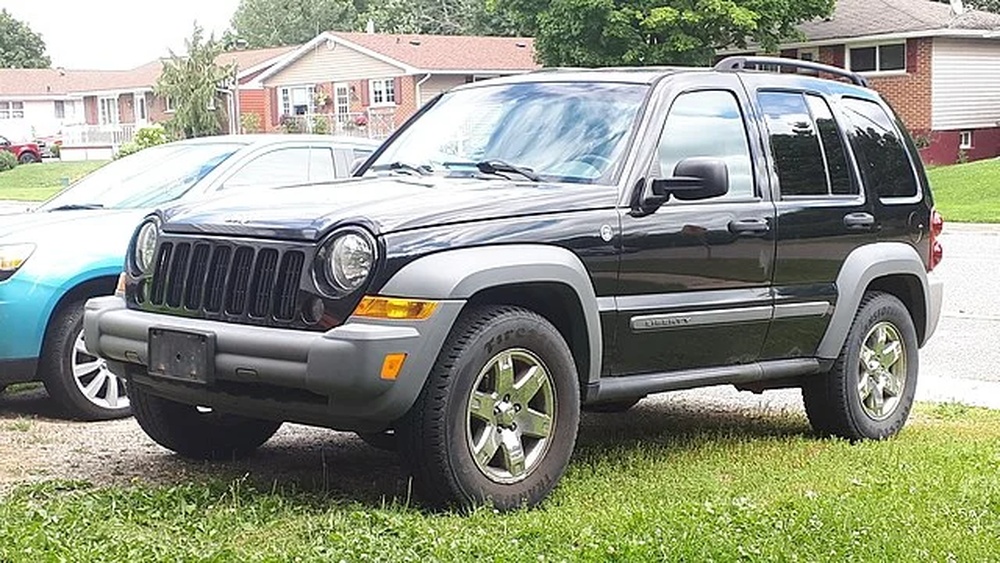
The Jeep Liberty, produced from 2002 to 2012, was known for its rugged design and off-road ability. But how many miles can you expect it to last?
Most Jeep Liberty owners report their vehicles last between 150,000 and 250,000 miles. Some even reach over 300,000 miles with careful maintenance. However, hitting these high numbers is not automatic—it depends on several factors.
Key Factors That Affect Longevity
- Maintenance habits
- Driving conditions
- Model year
- Previous ownership history
Older models (2002–2005) sometimes have more issues, while later models (2008–2012) tend to be more reliable. If you follow a regular maintenance schedule and avoid harsh driving (like constant off-roading or city stop-and-go), your Jeep Liberty can easily cross 200,000 miles.
Real Owner Examples
- A 2007 Jeep Liberty owner in Ohio reported reaching 280,000 miles with only minor repairs and regular oil changes.
- A 2004 Liberty in Texas needed a transmission rebuild at 175,000 miles but continued to run after repairs.
- Some Liberties with poor maintenance history struggled to reach 120,000 miles before major breakdowns.
These examples show that care and usage matter more than the odometer alone.
What Helps Jeep Liberty Last Longer?
If you want your Jeep Liberty to survive for years, focus on these practical steps:
Regular Maintenance
Routine maintenance is the most important factor. This includes:
- Oil changes every 3,000–5,000 miles
- Transmission fluid replacement every 30,000–60,000 miles
- Coolant flushes every 50,000–100,000 miles
- Brake checks and replacements as needed
- Tire rotations every 6,000–8,000 miles
Avoiding Common Mistakes
Many owners make mistakes that shorten their Jeep’s life:
- Ignoring warning lights
- Skipping regular maintenance
- Using low-quality replacement parts
- Overloading the vehicle
If you avoid these errors, your Jeep Liberty will last much longer.
Smart Driving Habits
Gentle driving can add years to your Jeep’s life. This means:
- Don’t accelerate too quickly
- Avoid harsh braking
- Minimize off-road driving unless the vehicle is prepared for it
These habits reduce wear on the engine, transmission, and suspension.

Common Jeep Liberty Problems That Impact Lifespan
No vehicle is perfect, and the Jeep Liberty has its weak points. Knowing these can help you plan ahead.
Transmission Issues
Many Jeep Liberties, especially older models, develop transmission problems around 100,000–150,000 miles. Symptoms include rough shifting or slipping gears. Repairs can cost $1,800–$3,000.
Rust And Corrosion
Liberty’s frame and undercarriage are prone to rust, especially in areas with snow and road salt. Regular underbody washes and rust treatments help prevent this.
Electrical Problems
Owners often report electrical issues, such as faulty window regulators and sensor failures. These are annoying but usually not expensive to fix.
Suspension Wear
The ball joints and control arms can wear out after 100,000 miles. Replacing these parts costs $300–$700.
Engine Concerns
Some models suffer from head gasket leaks or overheating. If caught early, repairs are manageable; if not, the engine may need costly repairs.
Comparing Jeep Liberty To Other Suvs
Is the Jeep Liberty’s lifespan better or worse than other compact SUVs? Here’s a quick comparison.
| Model | Expected Lifespan (Miles) | Reliability Rating |
|---|---|---|
| Jeep Liberty | 150,000–250,000 | Average |
| Toyota RAV4 | 200,000–300,000 | Above Average |
| Honda CR-V | 200,000–300,000 | Above Average |
| Ford Escape | 150,000–250,000 | Average |
| Chevrolet Equinox | 150,000–200,000 | Below Average |
As you see, the Jeep Liberty’s lifespan is competitive, especially if well maintained. However, Toyota and Honda models generally last longer and require fewer repairs.
Maintenance Costs And Ownership Details
Understanding the real cost of keeping your Jeep Liberty running is important. Here’s what you can expect.
Annual Maintenance Cost
Most Jeep Liberty owners spend $600–$1,200 per year on maintenance and repairs, depending on age and mileage.
Typical Repairs And Their Costs
| Repair Type | Average Cost | Frequency |
|---|---|---|
| Oil Change | $40–$70 | 3–4 times/year |
| Brake Pads | $150–$250 | Every 2–3 years |
| Transmission Service | $200–$350 | Every 3–5 years |
| Suspension Repairs | $300–$700 | Every 5–7 years |
| Rust Treatment | $100–$300 | As needed |
Some repairs, like transmission rebuilds, are expensive but rare. Regular maintenance keeps costs predictable.
Insurance And Fuel Costs
- Insurance: Around $1,000–$1,300 per year
- Fuel economy: 16–22 mpg (not the best, but typical for older SUVs)
Pros And Cons Of Jeep Liberty Longevity
It’s helpful to see both sides before deciding if a Jeep Liberty is right for you.
Pros
- Affordable used price
- Good off-road capability
- Simple mechanical design (easier for DIY repairs)
- Parts are widely available
Cons
- Average reliability
- Lower fuel efficiency
- Rust issues in cold climates
- Some costly repairs (transmission, suspension)
Non-obvious Insights For Jeep Liberty Owners
Many guides miss a few key points:
- Previous owner habits matter: If you buy used, ask for maintenance records. How the last owner treated the Jeep affects its future.
- OEM parts last longer: Using original Jeep parts (not cheap aftermarket ones) improves reliability and lifespan.
- Climate impacts longevity: If you live in a humid or snowy area, extra care is needed for rust prevention. Southern states see fewer rust issues.
- Regular fluid checks: Don’t rely on “check engine” lights alone. Check fluids monthly, especially after 100,000 miles.
When Is It Time To Sell Or Retire A Jeep Liberty?
Some owners keep their Liberty running for decades. Others decide to sell once repair bills rise. Signs it’s time to move on:
- Major engine or transmission failure
- Rust that can’t be fixed
- Repair costs exceeding vehicle value
- Safety concerns (brakes, steering issues)
If your Jeep Liberty still runs well and passes inspection, it’s worth keeping. But if you face repeated breakdowns, consider selling or trading in.

Tips To Make Your Jeep Liberty Last Longer
You can increase your Jeep Liberty’s lifespan by following these practical tips:
- Always use high-quality fluids and filters
- Fix small problems before they become big ones
- Avoid carrying heavy loads unless necessary
- Keep tires properly inflated
- Wash the undercarriage regularly in winter
These steps might seem simple, but they add years to your Jeep’s life.
Should You Buy A High-mileage Jeep Liberty?
Buying a Jeep Liberty with over 150,000 miles is possible, but you must check a few things first:
- Ask for a detailed service history
- Inspect for rust underneath
- Test drive and listen for strange noises
- Have a trusted mechanic check the engine and transmission
If the vehicle is well cared for, high mileage doesn’t always mean trouble. In fact, some Jeeps with 180,000 miles run better than neglected ones with 90,000 miles.
Jeep Liberty Model Years: Which Last Longest?
Not all Jeep Liberties are equal. Some years are more reliable than others.
| Model Year | Reliability Score | Common Issues |
|---|---|---|
| 2002–2005 | Below Average | Transmission, electrical |
| 2006–2007 | Average | Rust, suspension |
| 2008–2012 | Above Average | Minor electrical |
If you want a Jeep Liberty that will last longer, choose a 2008–2012 model. These have fewer major issues and better build quality.
Frequently Asked Questions
How Many Miles Does Jeep Liberty Last On Average?
Most Jeep Liberty SUVs last 150,000–250,000 miles if they get regular maintenance. Some reach over 300,000 miles, but this is less common.
Is Jeep Liberty A Reliable Car For Long-term Use?
Jeep Liberty is average in reliability. It can last many years if cared for, but it needs more maintenance than Toyota or Honda SUVs.
What Is The Most Common Reason Jeep Liberty Fails Early?
The transmission and rust are the most common reasons for early failure. Ignoring maintenance also leads to engine and suspension problems.
How Much Does It Cost To Keep Jeep Liberty Running?
Annual maintenance and repairs cost $600–$1,200. Major repairs, like transmission rebuilds, can cost over $2,000.
Is It Worth Buying A High-mileage Jeep Liberty?
If the Jeep Liberty was well maintained and shows no major issues, it can be worth buying—even with high miles. Always check service records and inspect the vehicle carefully.

Final Thoughts
The Jeep Liberty is a solid SUV that can last 150,000 to 250,000 miles—sometimes more—if you take care of it. Its lifespan depends on maintenance, driving habits, and model year. While it’s not as reliable as some Japanese SUVs, it offers good value and off-road fun. Be ready for average maintenance costs and some common repairs. If you want a long-lasting Jeep Liberty, focus on regular care and smart buying decisions.
If you need more detailed owner reviews and repair data, check out Consumer Reports for up-to-date reliability insights.
—
Meta Title: How Many Miles Does Jeep Liberty Last? Real Data, Costs & Tips
Meta Description: Discover how many miles Jeep Liberty lasts, real-world owner data, maintenance tips, common problems, costs, and practical advice for maximizing your Jeep Liberty lifespan.