How To Shift A Jeep Wrangler Into 4wd
Driving a Jeep Wrangler is exciting, especially when you take it off the main road. One of the best features of this vehicle is its 4-wheel drive (4WD) system.
If you are new to Jeeps or off-roading, you might feel unsure about using 4WD correctly. Shifting your Wrangler into 4WD is simple once you know how, but there are some important details and tips you should understand first.
show you, step by step, how to shift a Jeep Wrangler into 4WD, explain the different modes, and help you avoid the most common mistakes. Whether you have a new or older model, help you use 4WD safely and confidently.
Understanding The Jeep Wrangler 4wd System
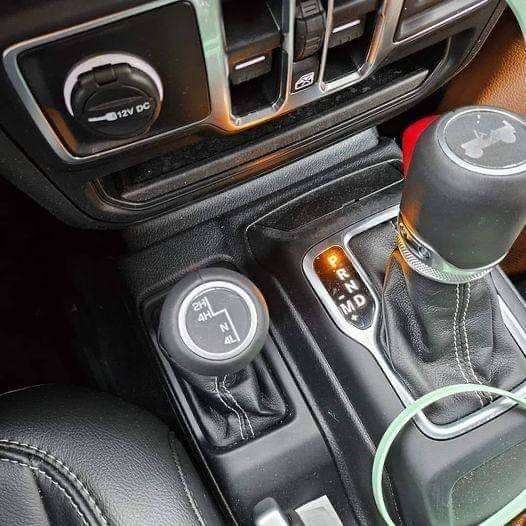
Before you start, it’s important to know what 4WD means in a Jeep Wrangler. Most Wranglers use a part-time 4WD system, which is different from all-wheel drive (AWD). Here’s a quick overview of the main 4WD modes:
- 2H (Two-High): Power goes to the rear wheels only. Use this mode for normal road driving.
- 4H (Four-High): Power goes to all four wheels. Use this for slippery roads, mud, sand, or snow at normal speeds.
- 4L (Four-Low): Power goes to all four wheels with extra torque and lower speed. Use 4L for tough off-road conditions, deep mud, rocks, or steep hills.
Some newer Wranglers also offer a 4WD Auto mode, but most models use the three modes above. Here’s a table comparing the main 4WD modes:
| Mode | Use Case | Speed Range | Road Type |
|---|---|---|---|
| 2H | Normal driving | All speeds | Dry, paved roads |
| 4H | Loose/slippery surfaces | Up to 55 mph | Gravel, snow, mud |
| 4L | Extreme off-road | Up to 25 mph | Rocks, deep sand, steep hills |
When Should You Use 4wd In A Jeep Wrangler?
Using 4WD at the right time protects your vehicle and keeps you safe. common situations:
- Rain, snow, or ice: 4H helps you keep control on slippery roads.
- Off-roading: 4H is good for easy trails; 4L is best for rocks, deep sand, or steep climbs.
- Loose surfaces: Gravel, mud, or sand can cause spinning wheels. 4WD gives better grip.
But don’t use 4WD on dry pavement. It can cause damage to your drivetrain and make steering harder.
How To Shift A Jeep Wrangler Into 4wd: Step-by-step Guide
Shifting into 4WD is not difficult, but it’s important to do it correctly. The process is a bit different for 4H and 4L. Let’s look at each one.
Shifting From 2h To 4h (engaging Four-high)
This is the most common shift, usually needed for slippery roads or light off-roading.
- Check your speed: Make sure you are driving at or below 55 mph (some models may allow up to 60 mph, but lower is safer).
- Keep the wheels straight: This helps the shift happen smoothly.
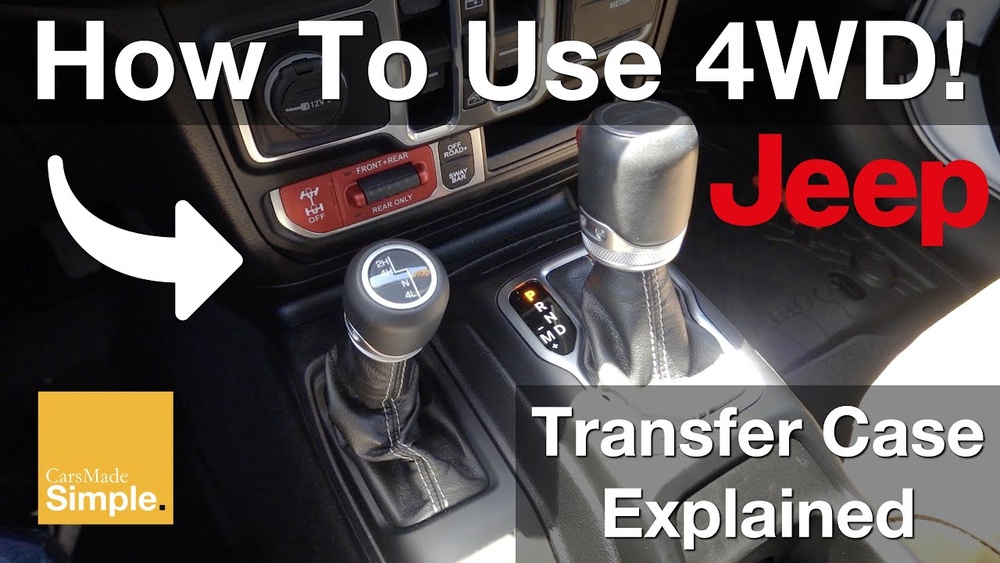
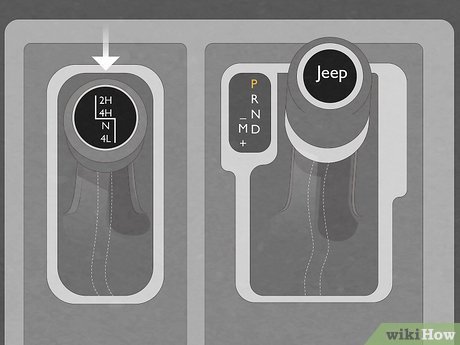
- Firmly grip the 4WD lever: The lever is usually beside the gear shifter.
- Shift from 2H to 4H: While the Jeep is moving, pull the lever straight back from 2H to 4H in one smooth motion.
- Listen and feel: You may hear a small click or feel a slight change as 4WD engages.
- Keep driving: No need to stop or use the clutch (in automatic models). For manuals, keep your foot off the clutch during the shift.
Some non-obvious advice: If the shift feels rough or won’t engage, try letting off the gas slightly or rolling slowly forward. This helps the gears mesh.
Shifting From 4h To 4l (engaging Four-low)
4L is for serious off-road situations. Always stop your Jeep first before switching to 4L.
- Come to a complete stop: Put the transmission in neutral (N).
- Keep your foot on the brake: This prevents rolling.
- Move the 4WD lever: Shift firmly from 4H to 4L. You may need to push down slightly on the lever.
- Wait for the light: The dashboard 4WD indicator should show 4L is active.
- Shift back to drive or first gear: Now you can move slowly forward.
Tip for beginners: If the Jeep won’t shift into 4L, try rolling forward or backward slightly (just an inch or two) in neutral. This often helps the gears line up.
Shifting Back To 2wd (disengaging 4wd)
After you finish with slippery or off-road driving, always shift back to 2H for normal roads.
- To go from 4H to 2H: Slow down and shift the lever back to 2H while moving straight.
- To go from 4L to 2H: Stop the Jeep, shift to neutral, then move the lever from 4L to 2H.
Driving on dry pavement in 4WD can cause extra wear and lower gas mileage.
Tips For Shifting 4wd Smoothly And Safely
Even though shifting is simple, these tips can help you avoid problems:
- Don’t force the lever: If it won’t move, double-check your speed and gear.
- Don’t turn sharply in 4WD: Sharp turns can cause binding, making it hard to steer.
- Listen for noises: Grinding or loud clicks mean something is wrong.
- Check the 4WD indicator: Always confirm the dash light matches your selected mode.
- Practice in a safe place: Try shifting in an empty parking lot before hitting the trail.

Common Mistakes Beginners Make
Many new Jeep owners make small errors that can damage their vehicle or make driving harder. Here are a few to watch for:
- Using 4WD on dry roads: This can damage your Jeep’s transfer case and make steering difficult.
- Trying to shift into 4L while moving: Always stop first, or you could damage the gears.
- Ignoring warning lights: If your dashboard shows a flashing 4WD light, something is wrong.
- Turning too quickly: This can cause “wheel hop” or binding, which stresses the drivetrain.
Differences Between Wrangler Generations And Models
Jeep Wranglers have changed over the years, and not every model shifts the same way. Here’s a table showing some key differences between popular Wrangler generations:
| Generation | Years | 4WD System | Shifting Method |
|---|---|---|---|
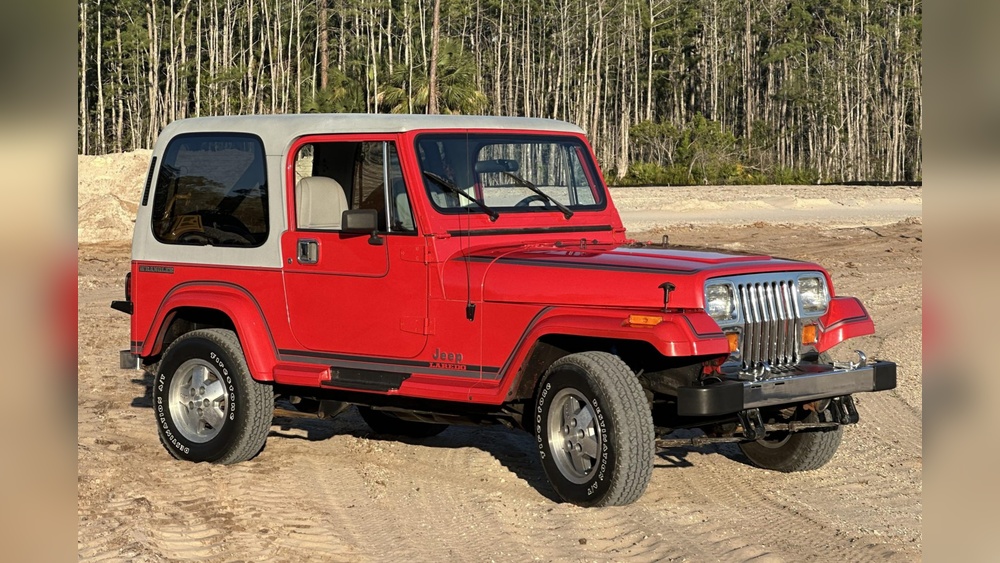
| YJ | 1987-1995 | Part-time 4WD | Manual lever |
| TJ | 1997-2006 | Part-time 4WD | Manual lever |
| JK | 2007-2018 | Command-Trac/Rock-Trac | Manual or electronic |
| JL | 2018-present | Command-Trac/Selec-Trac | Manual or electronic |
Some newer Wranglers have an electronic switch instead of a manual lever. The steps are almost the same, but you press a button instead of moving a lever. Always check your owner’s manual for specific instructions.
Pros And Cons Of Using 4wd In A Jeep Wrangler
Understanding the benefits and drawbacks of 4WD helps you use it wisely.
Pros:
- Better traction: Safer driving on slippery or uneven ground.
- Increased control: More confidence in off-road or poor weather.
- Off-road ability: Lets you reach places many vehicles can’t.
Cons:
- Lower fuel economy: 4WD uses more gas than 2WD.
- More wear and tear: Using 4WD on dry roads can damage parts.
- Heavier steering: Turning is harder when 4WD is engaged.
Cost And Maintenance Of Jeep Wrangler 4wd Systems
Owning a 4WD Jeep Wrangler comes with extra care and some costs. Basic tips:
- Regular maintenance: Check the transfer case fluid every 30,000-60,000 miles.
- Repairs: A new transfer case can cost $1,000-$2,000 if damaged by misuse.
- Tire wear: Replace tires as a set; uneven wear can affect 4WD performance.
A small investment in regular checks can save you thousands in repairs. For more details on Jeep maintenance, check the official Jeep Care Guide.
Practical Examples: When And How To Shift
Let’s look at real situations where you’ll need to shift a Jeep Wrangler into 4WD:
- Heavy snow on city streets: As you leave your driveway and see snow piling up, slow down to under 20 mph. Shift the lever from 2H to 4H before you reach the deeper drifts.
- Deep mud at a trailhead: Stop the Jeep before entering the mud. With the transmission in neutral, shift from 4H to 4L. Move forward slowly.
- Icy hill: On a steep, icy road, shift to 4H before you start climbing. If you notice the wheels spinning, stop and switch to 4L for maximum control.
Table: Quick Reference For Shifting
Here’s a handy table to help you remember the right way to shift for each mode:
| Shift | Vehicle Speed | Transmission Position | Action |
|---|---|---|---|
| 2H to 4H | Below 55 mph | Drive | Shift lever while moving |
| 4H to 4L | Stopped | Neutral | Shift lever firmly |
| 4L to 4H | Stopped | Neutral | Shift lever back |
| 4H to 2H | Below 55 mph | Drive | Shift lever while moving |
Using 4WD on dry pavement can cause extra stress on the drivetrain. You may feel the Jeep is harder to turn or hear tire squealing. Over time, this can damage the transfer case and other parts.
“,”visible”:true},{“id”:”faq-question-7a19505a7d33″,”title”:”Can I Shift Into 4wd While Driving?”,”content”:”You can shift from 2H to 4H while moving at low speeds (below 55 mph). Always drive straight and avoid sharp turns. For 4L, you must stop and put the transmission in neutral first.
“,”visible”:true},{“id”:”faq-question-a0ea08948a47″,”title”:”How Do I Know If 4wd Is Working?”,”content”:”Look for the 4WD indicator light on your dashboard. If the light is steady, 4WD is engaged. If it flashes, the system is trying to engage or there’s a problem. You might also feel extra grip or resistance in the steering.
“,”visible”:true},{“id”:”faq-question-466264cb6bb0″,”title”:”Do All Jeep Wranglers Have The Same 4wd System?”,”content”:”No, Wrangler models use different 4WD systems. Older models have manual levers, while newer ones may use electronic switches. Always check your owner’s manual for your specific model’s instructions.
“,”visible”:true},{“id”:”faq-question-83b5aff1eede”,”title”:”Is 4wd The Same As Awd?”,”content”:”No, 4WD is not the same as AWD. 4WD is designed for off-road and tough conditions. AWD is always on and works better for normal roads and light snow.
nShifting your Jeep Wrangler into 4WD is a skill every owner should master. With a little practice and the right knowledge, you’ll be ready for any road or trail ahead. Safe driving!
“,”visible”:true}]} –>What Happens If I Use 4wd On Dry Pavement?
Using 4WD on dry pavement can cause extra stress on the drivetrain. You may feel the Jeep is harder to turn or hear tire squealing. Over time, this can damage the transfer case and other parts.
Can I Shift Into 4wd While Driving?
You can shift from 2H to 4H while moving at low speeds (below 55 mph). Always drive straight and avoid sharp turns. For 4L, you must stop and put the transmission in neutral first.
How Do I Know If 4wd Is Working?
Look for the 4WD indicator light on your dashboard. If the light is steady, 4WD is engaged. If it flashes, the system is trying to engage or there’s a problem. You might also feel extra grip or resistance in the steering.
Do All Jeep Wranglers Have The Same 4wd System?
No, Wrangler models use different 4WD systems. Older models have manual levers, while newer ones may use electronic switches. Always check your owner’s manual for your specific model’s instructions.
Is 4wd The Same As Awd?
No, 4WD is not the same as AWD. 4WD is designed for off-road and tough conditions. AWD is always on and works better for normal roads and light snow.
nShifting your Jeep Wrangler into 4WD is a skill every owner should master. With a little practice and the right knowledge, you’ll be ready for any road or trail ahead. Safe driving!