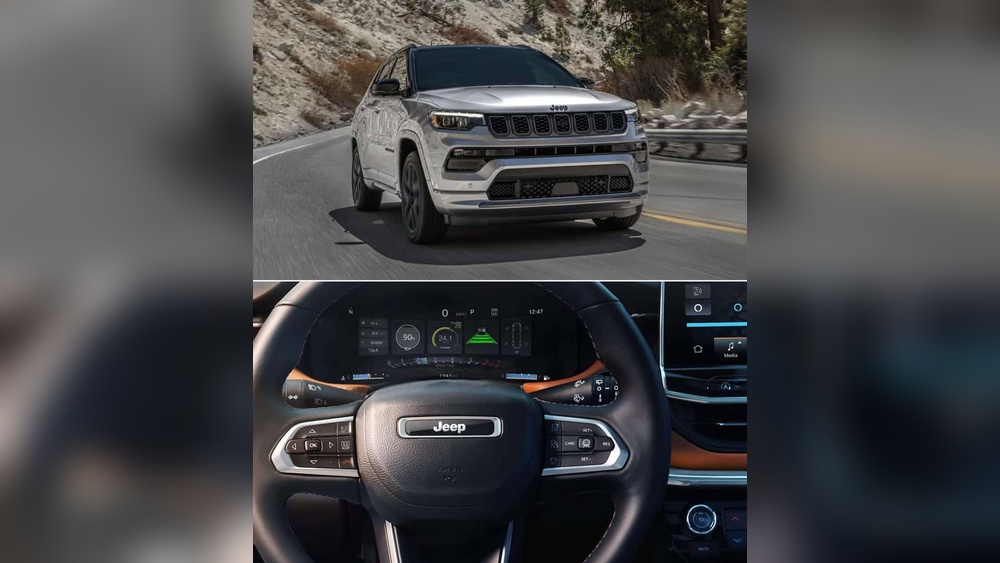
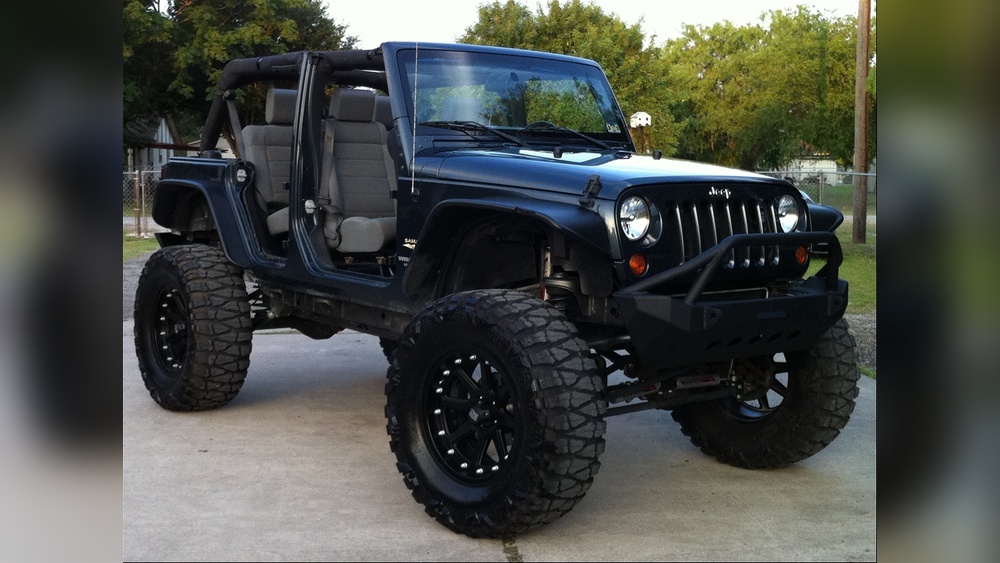
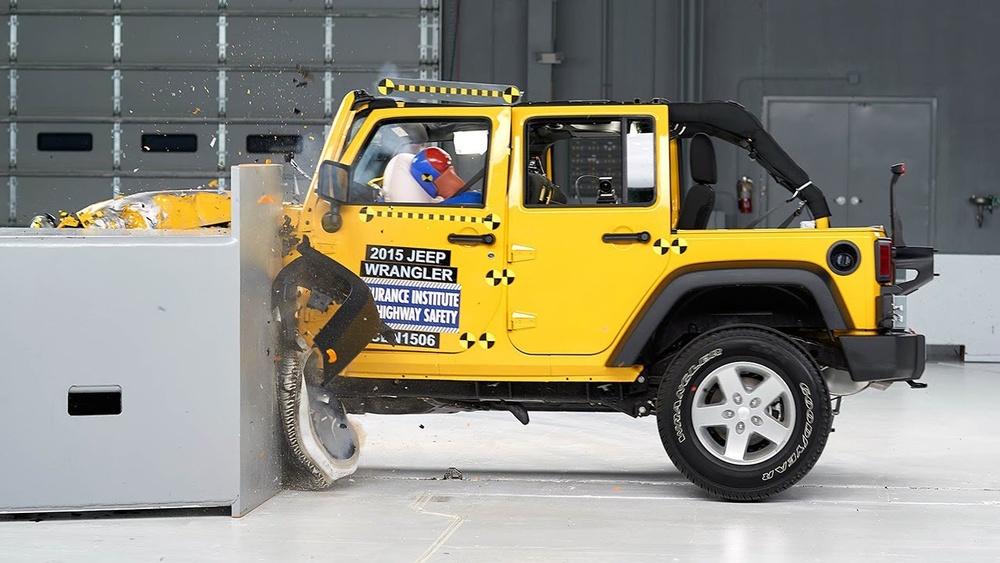
If you’re thinking about buying a Jeep Wrangler, you might wonder: *How many miles is a Jeep Wrangler good for?* This is a smart question, especially if you want a vehicle that lasts for years. Jeep Wranglers are famous for their rugged design, off-road ability, and loyal fans. But they aren’t cheap, so knowing how long they can go before big repairs is important.
In this guide, you’ll learn exactly how many miles a Jeep Wrangler can last, what affects its lifespan, and how you can make yours go even farther. You’ll also see real-world examples, common problems, and tips to avoid costly mistakes.
Whether you’re buying new or used, this article will help you make a better decision and get more value from your Wrangler.
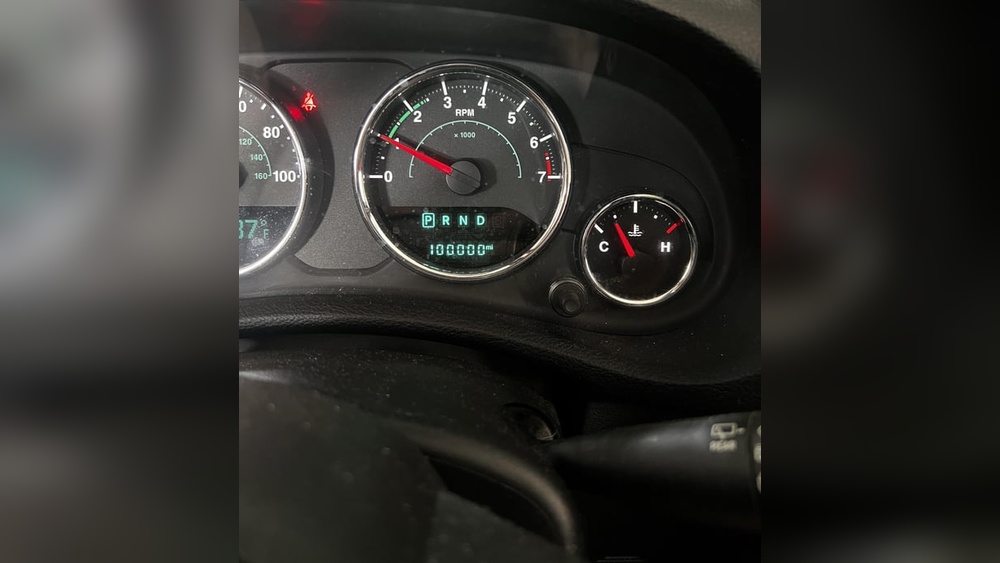
Typical Mileage Lifespan Of A Jeep Wrangler
Most Jeep Wranglers are good for 200,000 to 400,000 miles with proper care. This means many owners drive their Wranglers for more than 15 years before needing major repairs. Some lucky drivers even report over 500,000 miles on the original engine and transmission.
Here’s a quick look at the average mileage range:
| Mileage Range | Condition | Owner Experience |
|---|---|---|
| 0 – 100,000 miles | Excellent | Few issues, mostly basic maintenance |
| 100,000 – 200,000 miles | Very Good | Possible minor repairs, still reliable |
| 200,000 – 300,000 miles | Good | Some major parts may need replacement |
| 300,000+ miles | Fair | Engine and transmission may need work |
Most modern Wranglers (built after 2007) use newer engines and stronger parts. This helps them last longer than older models. However, how you drive and maintain your Jeep is even more important than the model year.
What Makes A Jeep Wrangler Last Longer
Regular Maintenance
The biggest reason a Jeep Wrangler lasts longer is regular maintenance. This includes:
- Oil changes every 5,000–7,000 miles
- Checking and replacing the air filter
- Changing brake pads before they wear out
- Inspecting the transmission fluid
- Rotating tires every 6,000–8,000 miles
If you skip these steps, small issues can become big problems quickly. For example, dirty oil can damage the engine, and worn-out brakes can lead to unsafe driving.
Driving Habits
How you drive your Wrangler matters. Off-roading is fun, but it puts extra stress on the vehicle. Frequent hard driving, heavy towing, or rough terrain can wear out parts faster. If you mostly drive on smooth roads, your Wrangler will probably last longer.
Climate And Location
Wranglers in cold, snowy places or near the ocean often face more rust and corrosion. Salt used on roads can eat away at the frame and body. If you live in these areas, washing your Jeep often and keeping it clean can help prevent rust.
Model Year And Engine Type
Some Jeep Wrangler models last longer than others. The 4.0L inline-six engine in older Wranglers (1996–2006) is known for durability. The newer 3.6L Pentastar V6 (2012–present) is also reliable, but some owners report oil leaks after 100,000 miles.
Compare the most common Wrangler engines:
| Engine | Years | Average Lifespan | Known Issues |
|---|---|---|---|
| 4.0L Inline-6 | 1996–2006 | 300,000+ miles | Minor oil leaks |
| 3.8L V6 | 2007–2011 | 200,000–250,000 miles | Head gasket, oil consumption |
| 3.6L Pentastar V6 | 2012–present | 250,000–350,000 miles | Oil leaks, sensor issues |
Real-world Examples: High-mileage Jeep Wranglers
Many Jeep owners share their stories online. Here are some actual examples:
- A 2002 Wrangler owner reported reaching 410,000 miles with the original engine, thanks to regular oil changes.
- A 2013 Wrangler Unlimited lasted 265,000 miles without major repairs, mainly used for highway driving.
- The Jeep community often sees Wranglers with over 300,000 miles still running strong.
This shows Wranglers can last well beyond their expected mileage, especially with careful maintenance.
Common Problems After High Mileage
Even the toughest Jeeps have issues as they age. Here are some problems that usually appear after 150,000 miles:
- Rust on the frame, especially in snowy climates
- Transmission issues, like slipping gears or slow shifting
- Electrical problems, including faulty sensors or wiring
- Suspension wear, making the ride less smooth
- Oil leaks from older engines
These problems can be fixed, but repairs become more expensive as the Jeep gets older. If you’re buying a used Wrangler with high mileage, check these areas carefully.

Cost Of Ownership Over Time
Owning a Jeep Wrangler is not just about buying it. You need to think about maintenance costs, repairs, and resale value. Here’s a breakdown:
- Basic maintenance: $700–$1,200 per year
- Major repairs (after 150,000 miles): $1,500–$4,000 (engine, transmission, suspension)
- Resale value: Wranglers hold value better than most SUVs, but high-mileage models sell for less
Compare annual maintenance costs:
| Mileage | Annual Maintenance Cost | Typical Repairs Needed |
|---|---|---|
| 0–100,000 miles | $700–$900 | Oil, brakes, tires |
| 100,000–200,000 miles | $900–$1,200 | Suspension, sensors |
| 200,000+ miles | $1,200–$2,000 | Engine, transmission, rust repair |
Wranglers are popular for their strong resale value. Even with high mileage, they’re worth more than many other used SUVs. But keep in mind, the cost to maintain a Wrangler rises as it ages.
Pros And Cons Of High-mileage Jeep Wranglers
Before buying a high-mileage Jeep Wrangler, consider these points:
Pros:
- Lower price than newer models
- Proven reliability if maintained well
- Easy to find parts and repairs
Cons:
- Higher risk of big repairs (engine, transmission)
- Possible rust and body damage
- May lack modern safety features
If you want a reliable off-road vehicle and don’t mind extra maintenance, a high-mileage Wrangler can be a good deal. If you want low stress and fewer repairs, a newer model may be better.
Tips To Make Your Jeep Wrangler Last Longer
You can increase the lifespan of your Wrangler with smart habits:
- Follow the maintenance schedule in your owner’s manual.
- Use high-quality parts and fluids for repairs.
- Wash your Jeep often, especially if you drive in salty or muddy areas.
- Avoid aggressive driving and heavy towing unless needed.
- Store your Wrangler indoors to protect it from weather.
Many beginners forget to check the frame for rust. This is one of the biggest threats to old Wranglers. Also, listen for odd noises and fix problems early — small issues can grow fast.
Buying A Used Jeep Wrangler: What To Check
If you want a used Wrangler, pay attention to these details:
- Check for rust on the frame, under the doors, and wheel wells.
- Ask for maintenance records to see if oil changes and repairs were done on time.
- Look at the engine and transmission for leaks or strange sounds.
- Test drive to check steering, brakes, and suspension.
- Check the VIN for accident history.
A Jeep Wrangler with regular maintenance and no rust can last much longer than one with poor care. Don’t be afraid to walk away if you find big problems.

Jeep Wrangler Vs Other Suvs: Lifespan Comparison
How does the Wrangler compare with other popular SUVs? Let’s see:
| Model | Average Lifespan | Reliability Rating (1–10) |
|---|---|---|
| Jeep Wrangler | 200,000–400,000 miles | 8 |
| Toyota 4Runner | 250,000–350,000 miles | 9 |
| Ford Explorer | 180,000–250,000 miles | 7 |
| Chevrolet Tahoe | 200,000–300,000 miles | 8 |
As you can see, the Jeep Wrangler is one of the longest-lasting SUVs. It is not the absolute best, but it is close to the top. The Toyota 4Runner is famous for reliability, but the Wrangler stands out for its off-road ability and strong resale value.
Updated Facts And Non-obvious Insights
Many beginners believe that high-mileage Jeeps are always risky. But the reality is, maintenance history matters more than mileage. A Wrangler with 180,000 miles and careful maintenance is often better than one with 80,000 miles and poor care.
Another insight: modifications can shorten lifespan. Lifting, bigger tires, or heavy off-road accessories add stress to the engine, suspension, and transmission. If you buy a heavily modified Wrangler, check the condition closely.
Finally, Wranglers are built to be repaired and upgraded. You can often find older Jeeps with rebuilt engines, new transmissions, or restored frames. This makes them unique compared to most SUVs.
For more detailed Jeep Wrangler reliability data, visit the Jeep Wrangler Wikipedia page.
Frequently Asked Questions
How Many Miles Does A Jeep Wrangler Last?
Most Jeep Wranglers last 200,000 to 400,000 miles if maintained well. Some drivers reach over 500,000 miles with careful care and regular repairs.
Is It Safe To Buy A Jeep Wrangler With Over 150,000 Miles?
Yes, if the Jeep has a good maintenance history and no major rust or engine issues. Always check the records and inspect the frame before buying.
What Are The Most Common Problems In High-mileage Wranglers?
Common problems include rust, transmission issues, oil leaks, suspension wear, and electrical faults. Older models may also have worn-out engines or sensors.
Does Off-roading Reduce The Lifespan Of A Wrangler?
Yes, frequent off-roading puts extra stress on the suspension, frame, and drivetrain. However, with proper maintenance, you can still get many miles from your Wrangler.
Which Wrangler Engine Lasts The Longest?
The 4.0L inline-six is known for lasting over 300,000 miles. Newer 3.6L Pentastar V6 engines are reliable but may have oil leak issues after 100,000 miles.
Final Thoughts
A Jeep Wrangler is a tough, long-lasting vehicle when cared for properly. Most will easily reach 200,000 miles or more, and many go much farther. Maintenance, driving habits, climate, and model year all play a big role in how long your Wrangler will last. If you check for rust, keep up with repairs, and avoid aggressive driving, you can enjoy your Jeep for many years. Wranglers are one of the best SUVs for longevity, and they hold their value well.
Meta Title: How Many Miles is a Jeep Wrangler Good for? (Complete Guide)
Meta Description: Discover how many miles a Jeep Wrangler can last, factors affecting lifespan, maintenance tips, pros and cons, and real owner experiences. Learn what to check when buying used and compare Wrangler vs other SUVs.